

Prefab subwoofer boxes matter most in vehicles where cabin space, trunk shape, and bass goals all pull in different directions. The right enclosure can keep a 12-inch or 15-inch driver working in the range it was designed for, while a poor match turns low notes muddy or thin. This roundup focuses on shape, port layout, driver fit, and how each box suits daily driving, truck use, or louder stereo setups.
Quick Look At The Shortlist
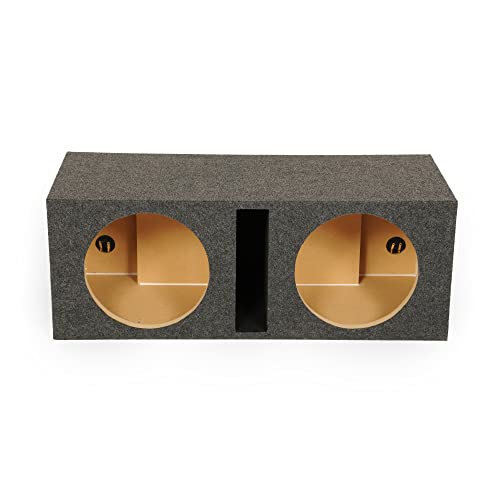
QPower QBASS Dual 12″ Car Audio Subwoofer Box

QPower Single Triangle Car Audio Ported Subwoofer Box
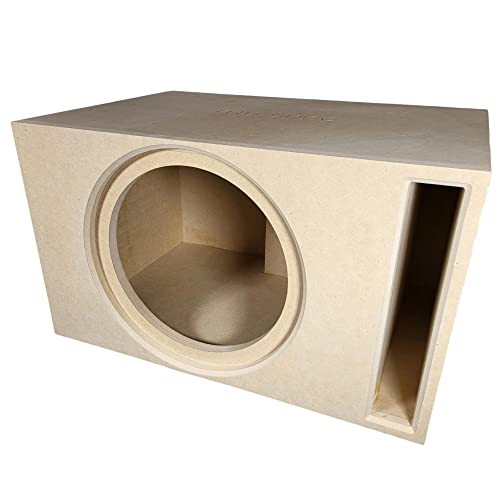
Tru Spec Vented Prefab Single 12″ Subwoofer Enclosure
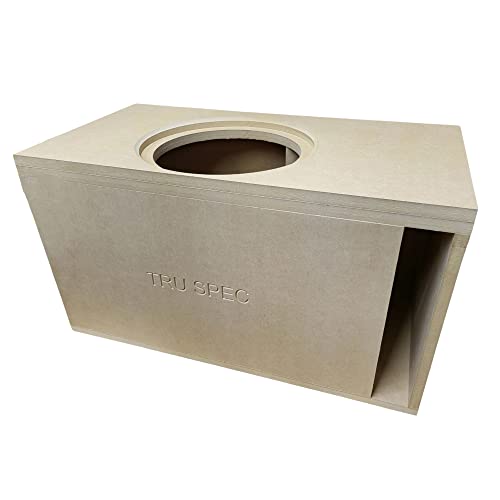
Tru Spec Back Vented Prefab Single Up Port 12″ Subwoofer Enclosure
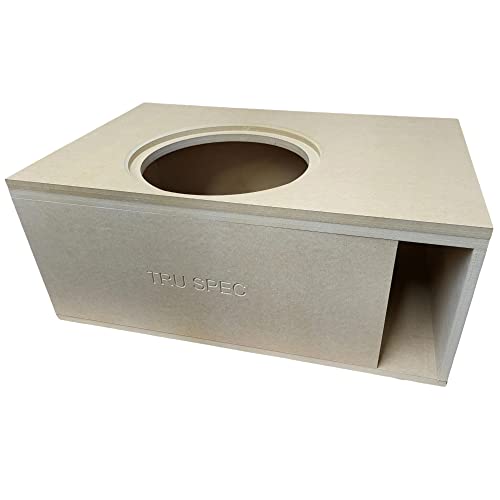
Tru Spec Back Vented Prefab Single Up Port 15″ Subwoofer Enclosure

Tru Spec Vented Prefab Dual 12″ Subwoofer Enclosure

Tru Spec Vented Prefab Single 15″ Subwoofer Enclosure
More Details On Our Top Picks
The QBASS lands in the practical middle ground, especially for truck audio or a trunk setup that needs two 12-inch drivers without turning the cargo area into a maze. MDF, or medium-density fiberboard, gives the enclosure a rigid shell, and the single slot port is built to move air in a controlled way rather than sealing bass in tight. That makes it a sensible match for daily listening, though the dual-chamber layout does ask for enough room behind the seats or in the cargo bay.
Compared with the smaller triangular QPower box, this one is easier to think of as a louder, broader-footprint option. Owners who want fuller low-end presence in a system with room to grow usually have the best case here, while compact hatchbacks may find the footprint harder to live with.
Strong Points
- Separate chambers help keep each 12-inch sub working in its own space.
- The ported design supports deeper bass output in larger cabins.
- Charcoal carpet finish blends well with truck interiors and trunk trim.
- MDF construction gives the cabinet a more planted, less hollow feel.
Points To Note
- Two-driver enclosures take more room than a single-sub option.
- The carpeted exterior can collect lint and dust with regular use.
- Setup works best with subs that suit a ported dual enclosure.
Feature Snapshot
Who It Suits Best
Truck owners and stereo enthusiasts with room for a dual 12-inch layout get the clearest fit here.
Where A Sibling Pick Shines
QPower Single Triangle Car Audio Ported Subwoofer Box suits tighter cargo spaces and simpler single-sub installs more cleanly.
The triangle footprint gives this QPower box a different personality from the QBASS, and that shape matters in real cargo spaces. Angled sides can make the enclosure easier to place in tighter trunks, while the ported MDF build is aimed at stronger bass output than a sealed cabinet usually delivers. Spring-loaded terminals are a practical touch for cleaner wire connection, though the exact setup still needs enough space for a 12-inch driver and its airflow path.
The honest read is that this one favors fit and simplicity over sheer scale. Commuters who want a single-sub enclosure with a more compact outline will likely get more value from it than from the larger dual-box above.
What We Like
- Triangle shape helps it sit more naturally in certain cargo areas.
- Ported design supports fuller low-end output than a sealed box.
- Spring-loaded terminals make wiring less fussy during installation.
- Bed liner finish should stand up well to day-to-day hauling.
Small Caveats
- The angular footprint can still be awkward in very narrow trunks.
- Single-sub capacity limits output compared with dual-driver enclosures.
- Bed liner surfaces can show scuffs from cargo over time.
Feature Rundown
Who Will Love This
Drivers with a compact trunk or smaller cargo opening get the clearest fit here.
Swap It Out When
QPower QBASS Dual 12″ Car Audio Subwoofer Box suits listeners who want more enclosure volume and a dual-sub layout.
Tru Spec takes a more application-specific route here, and that matters for shoppers matching a box to a Sundown SA Series 12v2 driver. A vented enclosure uses ported airflow to reinforce bass output, so the cabinet and the subwoofer need to play well together rather than simply fit by diameter. That makes this a stronger consideration for system builders who value enclosure matching more than broad, one-box-fits-many flexibility.
Compared with the QPower models, this enclosure is less about general-purpose fit and more about driver alignment. The trade-off is simple enough, it narrows the pool of compatible use cases, but it also gives dedicated installers a cleaner path toward a proper match.
Highlights
- Built around the Sundown SA Series 12v2 fit profile.
- Vented design supports stronger bass behavior than sealed layouts.
- Single-woofer format keeps the install process straightforward.
- Prefab construction saves time compared with building a cabinet from scratch.
Room For Improvement
- Compatibility is narrow, so fit checking matters before purchase.
- Single-driver capacity limits output compared with dual 12-inch boxes.
- Dedicated enclosure designs leave less room for experimentation.
Core Details
Built With In Mind
Sundown SA Series 12v2 owners who want a purpose-shaped single-sub enclosure are the clearest match.
A Better Fit Elsewhere
Tru Spec Vented Prefab Dual 12″ Subwoofer Enclosure makes more sense for systems built around two 12-inch drivers and higher cabin output.
Rear venting changes the layout conversation here, because the port placement can matter as much as the driver size in a trunk install. The up-port shape sends the opening upward while the vent sits toward the back, which may suit car audio setups that need a little more flexibility around placement. That design leans practical rather than flashy, and it can make a neat fit in cars where front clearance is tight.
Compared with the straight-ahead QPower triangular box, this Tru Spec enclosure feels more purpose-built for installers who care about port direction. The trade-off is that the shape is more specialized, so matching the box to the vehicle layout deserves a careful look.
Upsides
- Back vented layout offers a more specific placement strategy.
- Up-port format can suit several trunk and hatch setups.
- Single 12-inch size keeps the install manageable.
- Prefab construction helps reduce build time and guesswork.
Areas To Watch
- The shape asks for thoughtful placement in smaller cargo areas.
- Single-driver capacity won’t match a dual-12 enclosure.
- Specialized vent orientation may not suit every vehicle layout.
Details At A Glance
The Right Fit
Car audio setups that need a single 12-inch enclosure with a rear vent layout fit this model well.
Where A Sibling Pick Shines
QPower Single Triangle Car Audio Ported Subwoofer Box is easier to place in compact cargo spaces that favor a simpler footprint.
The jump to a 15-inch enclosure changes the whole use case, since larger drivers usually need more room and a stronger case for cargo-space trade-offs. The back vented, up-port layout keeps the design in the same family as the 12-inch Tru Spec model above, but the larger size points it toward drivers that can make better use of the extra surface area. That tends to suit builds where low-end presence matters more than saving every inch of trunk space.
Compared with the single 12-inch version, this enclosure is the more serious fit for drivers that simply need more cabinet behind them. The catch is obvious, because large-driver installs are less forgiving, and the box will dominate a smaller hatch or sedan trunk.
Best Bits
- 15-inch support gives larger drivers the enclosure they need.
- Back vented up-port layout keeps the design purposeful.
- Prefab construction simplifies the path to a big sub install.
- Works well for systems built around stronger bass weight.
Things To Consider
- The larger footprint can overtake limited cargo areas.
- Single-driver format still limits total output versus dual enclosures.
- Size and weight make handling more cumbersome during installation.
Technical Sheet
Whose Shelf It Belongs On
Systems built around a single 15-inch subwoofer and a larger cargo bay are the clearest match.
Not Your Match When
QPower Single Triangle Car Audio Ported Subwoofer Box makes more sense for tighter spaces and smaller single-12 installs.
Dual 12-inch enclosures are where output and enclosure planning start to matter in a bigger way, and this Tru Spec box leans into that. Designed for the Sundown SA Series 12v2, it gives two drivers a matched vented cabinet instead of asking a custom build to carry the load. That makes it a serious choice for systems in trucks or larger cabins where bass weight needs to keep pace with the rest of the system.
Compared with the single 12-inch Tru Spec enclosure, this model is the louder-minded option for people running a dual setup from the start. The trade-off is scale, because dual-driver cabinets demand more room, more careful placement, and a cleaner wiring plan.
Positives
- Two 12-inch driver slots support a stronger overall system layout.
- Vented design suits bass-focused installs that need more presence.
- Built for the Sundown SA Series 12v2 fit profile.
- Prefab construction cuts down on enclosure planning work.
- Works well in larger vehicles where box size is less restrictive.
Minor Gripes
- Dual-sub cabinets need more cargo room than single-driver options.
- Installation takes more care because two drivers add wiring complexity.
- The box only makes sense for systems set up around two 12-inch subs.
Spec Overview
Perfect Match For
High-output systems built around a pair of Sundown SA Series 12v2 drivers fit this enclosure well.
Look Elsewhere When
Tru Spec Vented Prefab Single 12″ Subwoofer Enclosure suits simpler installs that need less space and fewer wiring steps.
The final Tru Spec enclosure pushes into 15-inch territory with a vented cabinet aimed at a specific Sundown SA Series 15v2 fit. That matters for larger sub installations, because a 15-inch driver usually needs a more deliberate enclosure match than smaller options do. In a roomy trunk or SUV cargo area, the size can pay off with a fuller low-end character, though it asks for more commitment from the install space.
Compared with the 12-inch Tru Spec models, this one is the more specialized choice for larger-driver systems that already have a clear direction. The honest read is that it suits big bass goals better than mixed-use cargo needs, so the surrounding vehicle layout matters a great deal.
Reasons To Buy
- Built for a 15-inch Sundown SA Series 15v2 driver.
- Vented enclosure format supports bass-heavy system goals.
- Single-driver design keeps the layout simpler than dual boxes.
- Prefab construction reduces the work of building a custom cabinet.
Softer Spots
- The larger size can dominate smaller cargo compartments.
- Compatibility is focused, so fit confirmation matters before setup.
- Single-driver capacity still leaves output below a dual-12 enclosure.
Feature Card
Who Should Grab It
Large-vehicle systems centered on a single 15-inch Sundown driver are the clearest match.
A Better Fit Elsewhere
Tru Spec Back Vented Prefab Single Up Port 12″ Subwoofer Enclosure suits smaller cargo spaces and more compact bass builds.
How To Choose The Right Prefab Subwoofer Boxes
Match The Box To The Driver
Enclosure type matters as much as driver size. A ported box, also called a vented box, uses an opening to move air and support stronger low-end output, while a sealed box trades some output for a tighter footprint and simpler behavior. That distinction becomes important fast in a truck cab or a small sedan trunk, where the wrong box can sound heavy but unfocused.
Size, Air Space, And Cabin Fit
Air space is the internal room inside the cabinet, and it shapes how a subwoofer behaves. Larger drivers and dual-driver layouts generally need more space, so a 15-inch box or a dual 12-inch cabinet will ask more of the cargo area than a compact single 12-inch design. The right choice depends on the car as much as the sub itself, and that’s where many installs either feel clean or become awkward.
Build Material And Finish Matter
MDF remains common because it gives a rigid shell that resists the hollow sound cheap material can produce. Carpeted finishes blend into trunks and truck beds, while bed-liner style coatings suit rougher cargo use and tend to hide scuffs better. The trade-off is simple, carpet looks more familiar, but hard-wearing coatings often suit daily hauling better.
Fit Profile And Installation Ease
Some prefab boxes are general-purpose, while others are shaped around a specific driver family like Sundown SA Series enclosures. That narrower fit can be a benefit for serious installs, because the cabinet is already tuned toward a known use case. For casual upgrades, broader compatibility usually makes setup easier and leaves more room for future changes.
A Quick Reality Check Before Ordering
Hidden Buying Traps
Common mistakes start with the wrong driver size, then move to the wrong enclosure style. A single 12-inch cabinet will not do the same job as a dual 12-inch layout, and a vented design will not behave like a sealed one. Another easy miss is cargo clearance, because a box that looks fine on paper can be a headache in a short trunk or under a rear seat.
The Upgrade Payoff
Higher-tier prefab boxes usually cost more because the fit is more exact, the layout is more specialized, and the cabinet is shaped for a narrower use case. That extra expense makes sense for systems built around a specific sub, especially in larger vehicles where output, airflow, and installation space all matter at once. For casual listening, a simpler box often covers the basics without asking for as much room or commitment.
Frequently Asked Questions
What makes a prefab subwoofer box different from a custom build?
A prefab box arrives already assembled and shaped for a defined sub size or driver family. That saves time and removes most of the guesswork from cabinet construction.
Is a ported box always louder than a sealed box?
Ported designs usually favor stronger bass output, but the result depends on the sub, the enclosure size, and the vehicle. Sealed boxes often sound tighter and need less space.
Do 15-inch boxes need more cargo room than 12-inch boxes?
Yes, the cabinet for a 15-inch driver is usually larger and less forgiving in tight trunks. Bigger output potential comes with a bigger space demand.
Why do some prefab boxes list a specific subwoofer series?
Series-specific enclosures are shaped around a particular driver family for better fit alignment. That narrows compatibility, but it can make the install path cleaner for that exact sub.
Which enclosure type suits daily driving best?
A single 12-inch prefab box is often the easiest place to start for daily use. It keeps space demands lower while still giving enough room for a solid bass upgrade.