

Truck audio has a narrow margin for error. Road noise, cabin size, and factory head units all shape the result, so the right speaker has to fit the space and the signal, not just look strong on paper. This roundup focuses on practical matches for commuters, weekend haulers, and anyone replacing thin factory sound with something clearer and fuller.
The list includes portable and in-vehicle options, because truck use cases vary more than the category name suggests. Some picks suit simple factory swaps, while others make sense for rear shelves, enclosed mounts, or outdoor listening near the truck bed.
The Shortlist At A Glance

JBL Boombox 4 Portable Bluetooth Speaker (Black)

PIONEER F-Series TS-F6935R 6 x 9 3-Way Coaxial Car Speakers
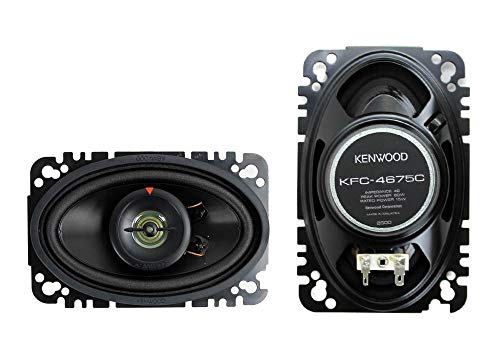
Kenwood KFC-4675C 60-Watt 4 x 6 Two-Way Speaker System

KICKER Speaker Package of 2 Items, CS Series 6.5 and 4 x 6 Coaxial Speakers

PIONEER A-Series Plus TS-A1681F 6.5 4-Way Coaxial Car Speakers
2026 Upgraded 6.5 Inch Car Speakers, 800W Max

PIONEER TS-X210 5.25 3-Way Surface Mount Enclosed Car Speakers
More Details On Our Top Picks
Truck owners who also want portable listening get the widest range from this JBL. The waterproof build, IP68 dustproof rating, and 34-hour playtime point to long days at a jobsite, a tailgate, or the back of a pickup parked near water or dust.
AI Sound Boost is meant to keep playback louder and clearer as volume rises, which matters in open-air setups where road noise disappears only in theory. The trade-off is size, since a boombox format asks for more storage space than a fixed dash install, but that same bulk suits outdoor use better than a tiny travel speaker.
What We Like
- IP68 rating supports dusty, wet outdoor use.
- Long playtime helps through workdays or weekend stops.
- AI Sound Boost targets fuller sound at higher volume.
- Portable format works beside the truck, not just inside it.
Minor Gripes
- Bulkier than a fixed speaker swap.
- Storage space matters in a crowded cab or toolbox area.
- Portable use depends on battery management, which adds upkeep.
Technical Sheet
Who It Suits Best
Outdoor-focused truck owners who want a portable speaker for campsites, work zones, or tailgate audio fit this model well.
Where A Sibling Pick Shines
PIONEER F-Series TS-F6935R suits drivers who want a permanent factory-speaker replacement rather than a carry-anywhere speaker.
Factory replacements live or die by fit and tonal balance, and this Pioneer leans into both. The 6 x 9 format gives truck cabins a practical way to add fuller mids and treble without making the install feel exotic, which is useful for older pickups or systems still running OEM power.
The 3-way coaxial layout means separate driver sections handle different frequency ranges inside one assembly, so the sound can stay more organized than a barebones full-range speaker. The catch is that coaxial upgrades still depend on the rest of the system, so cabin noise and amplifier quality will shape the final result more than the box art suggests.
Positives
- 6 x 9 size fits many common factory openings.
- Balanced voicing helps speech and vocals stay present.
- Smooth treble suits daily driving, not just demo volume.
- High-efficiency design works well with OEM power.
Points To Note
- Sound quality still depends on the head unit and install.
- Larger size may not suit every truck door or panel.
- Basic coaxial format leaves less tuning flexibility than component setups.
Feature Snapshot
Made For
Drivers replacing tired factory speakers in a truck cab get the most straightforward value here.
Skip It When
KICKER’s 2-item CS Series package fits owners who need both 6.5-inch and 4 x 6-inch coverage in a single purchase.
Smaller openings often force a compromise, and this Kenwood is built around that reality. The 4 x 6 format suits older trucks, tight dash locations, and any cabin where a larger oval speaker simply won’t fit without extra work.
Two-way design means the speaker separates high and low frequency duties across two driver sections, which usually helps speech and music sound cleaner than a single basic cone. The honest read is that compact speakers rarely bring the same low-end weight as larger units, but they can still sharpen the front stage in a practical way.
Highlights
- Compact 4 x 6 size fits narrow factory spaces.
- Two-way layout helps keep vocals more distinct.
- Simple replacement path suits older truck interiors.
Small Caveats
- Smaller format usually limits bass depth.
- Cabin noise can mask subtle detail at highway speed.
- Best results depend on clean mounting and correct polarity.
Core Details
Right Fit For
Owners of older trucks or tight dash openings who need a cleaner replacement without enlarging the cutout fit this model well.
Another Choice May Suit
PIONEER A-Series Plus TS-A1681F is the stronger call for shoppers who have standard 6.5-inch spaces and want more output headroom.
This KICKER package makes sense for a mixed truck layout, especially when one opening wants 6.5-inch coaxials and another calls for 4 x 6-inch units. That kind of bundle is handy for a full cabin refresh, since it keeps the audio character more consistent from one position to the next.
Compared with the single-size Pioneer and Kenwood picks, this one covers more install paths in one shot. The trade-off is that the package asks the installer to manage two different speaker sizes, so planning matters more than it does with a one-model replacement.
Bright Spots
- Bundle covers two common truck speaker sizes.
- Coaxial design simplifies a full-cabin refresh.
- 4-ohm design is common in car audio matching.
- Good fit for owners replacing multiple worn speakers at once.
Areas To Watch
- Two different sizes mean more install planning.
- Bundle may be unnecessary for a single opening.
- Mounting depth and adapter needs still depend on the truck.
Details At A Glance
Whose Shelf It Belongs On
Truck owners replacing several worn speakers across different openings will get the clearest practical value here.
Look Elsewhere When
Kenwood KFC-4675C is the cleaner choice for a tighter space that only accepts a 4 x 6-inch speaker.
The A-Series Plus sits a step above plain factory replacements because it adds a 4-way layout, which means more dedicated frequency handling inside the speaker. In a truck that spends long stretches on the highway, that can help the top end feel more open while bass stays firmer than a very basic swap.
Installation adaptors included is a practical touch, especially in vehicles where fitment can turn into an afternoon project. The trade-off is simple, though, since coaxial design still won’t offer the tuning freedom of a full component system like a separate tweeter and midrange setup.
Upsides
- 4-way layout adds more frequency separation.
- Installation adaptors help reduce fitment friction.
- 6.5-inch size suits many truck doors.
- Balanced sound profile works for daily listening.
Room For Improvement
- Install still depends on the truck’s mounting depth.
- Coaxial format leaves less room for tuning than components.
- Best results usually come from a clean head-unit signal.
Feature Rundown
Best Suited To
Daily drivers who want a more refined front-stage upgrade without moving into a complex component build fit this Pioneer well.
Where A Sibling Pick Shines
PIONEER F-Series TS-F6935R is the better match for a straightforward 6 x 9-inch factory replacement in older truck doors or rear panels.
This pair leans toward high-output basics, and the 200W RMS figure gives more context than the larger max number alone. RMS, or continuous power handling, matters because it speaks more directly to regular use than a peak claim that only appears in brief bursts.
The universal-fit pitch and 30-minute install claim will appeal to truck owners who want a simpler route than custom brackets and long wiring sessions. The honest caveat is that universal fit still depends on the vehicle’s mounting space, so a clean physical match remains the deciding factor.
Standout Traits
- 200W RMS gives a clearer everyday power reference.
- Universal-fit approach suits many common vehicles.
- Pair format works for left and right side replacement.
- Fast-install claim points to a less involved swap.
Things To Consider
- Universal fit still needs the right opening and depth.
- Peak power alone does not tell the full story.
- Install ease depends on existing wiring and trim access.
Spec Overview
Who Should Grab It
Cost-conscious truck owners who want a stronger-spec 6.5-inch replacement without overcomplicating the install will find this pair appealing.
Reach For A Different Pick When
PIONEER A-Series Plus TS-A1681F is the steadier fit for shoppers who want a more established brand setup with included adaptor support.
Enclosed surface-mount speakers like this Pioneer suit rear shelf builds, showy cabin layouts, and older trucks where exposed mounting is part of the plan. The 5.25-inch size keeps the footprint smaller than the 6 x 9 options earlier in the list, which can matter in compact rear decks.
Three-way construction spreads the sound duties across more sections than a plain single-cone speaker, so the presentation can feel more structured in the right enclosure. The trade-off is visual and physical, since an enclosed, surface-mounted design is less discreet than the flush replacements above.
Best Bits
- Surface-mount enclosure simplifies rear-shelf placement.
- Smaller 5.25-inch footprint suits tighter spaces.
- Three-way layout helps organize sound output.
- Works well where exposed mounting is acceptable.
Worth Noting
- Visible enclosure is less subtle than flush-fit speakers.
- Rear-shelf focus limits where it makes sense.
- Physical size still needs a stable mounting area.
Core Details
The Right Fit
Truck builds with rear shelf space and a visible, enclosed speaker style suit this Pioneer best.
Swap It Out When
KICKER’s CS Series package is the more versatile pick for a full mix of 6.5-inch and 4 x 6-inch openings.
How To Choose The Right Speakers For Truck
Match The Speaker To The Opening
Truck audio starts with fit, not branding. Common sizes such as 4 x 6, 5.25, 6.5, and 6 x 9 inches cover very different dash and door layouts, and a speaker that does not match the cutout usually turns into a trim, adapter, or return problem.
Depth matters as much as diameter. A shallow opening in an older cab can rule out a larger basket, while a rear shelf or door with more room opens the door for a fuller coaxial or enclosed design.
Coaxial, Two-Way, Or 3-Way?
Coaxial speakers place more than one driver in the same frame, which keeps installation simpler and usually suits factory upgrades. Two-way models split work between the woofer and tweeter, while 3-way versions add another section for more frequency separation.
That extra division can help clarity, but it also depends on the rest of the system. In a noisy truck cabin, a well-matched coaxial speaker often makes more sense than a more complex setup that never gets the right power or placement.
Think About Power And Cabin Noise
Power figures only matter in context. RMS, which means continuous power handling, gives a more useful guide than a peak number alone because it tracks normal listening better.
Cabin noise from tires, road texture, and engine drone can bury weak speakers fast. A higher-efficiency model helps with factory head units, while a stronger setup makes more sense for long commutes, highway use, or trucks that carry sound into open air.
Installation Shape The Final Result
Mounting hardware, adaptors, and enclosure style can change the whole job. A speaker with included adaptors reduces friction, while an enclosed surface-mount model changes the look and the install plan entirely.
Clean wiring and solid mounting matter as much as the speaker itself. Loose fitment brings rattles, and that problem is easier to avoid with careful prep than with a louder replacement.
A Quick Reality Check
Hidden Buying Traps
One common mistake is choosing by wattage alone. Peak power looks dramatic, but fit, efficiency, and cabin layout usually decide whether the speaker actually sounds right in a truck.
Another miss is ignoring trim access and mounting depth. A speaker that looks straightforward on paper can become awkward once the door panel comes off.
The Upgrade Payoff
Higher-tier models usually cost more because they add better materials, more driver sections, or installation help. That matters most for daily drivers that spend hours on rough roads, where clearer midrange and steadier treble make fatigue less likely.
The upgrade is worth it when the truck is used often and the rest of the system can support the speaker. For occasional use or a tight budget, a simpler coaxial swap often covers the need without extra complexity.
Frequently Asked Questions
What size speaker fits most trucks?
Truck fit varies by make, model, and trim, so no single size covers everything. Common replacements include 4 x 6, 5.25, 6.5, and 6 x 9 inches.
Are coaxial speakers a smart first upgrade?
Yes, coaxial speakers usually make the install simpler than separate-driver systems. They suit factory replacement jobs where keeping the build straightforward matters.
Does a higher watt rating always mean louder sound?
No, watt figures need context, and RMS is more useful than peak output alone. Efficiency, enclosure fit, and cabin noise matter just as much.
Is a portable speaker a substitute for truck speakers?
A portable unit works well for tailgates, camps, and use outside the cab. It does not replace a proper in-vehicle speaker setup for everyday driving.
What matters more, bass or clarity?
Clarity usually matters more in a truck because road noise can cover detail fast. Strong bass helps, but clean mids and treble keep vocals and spoken content intelligible.