
Starter spray guns can make a big difference when you’re repainting a panel, freshening furniture, or tackling trim work in a garage that never feels quite organized. You want a tool that lays down material evenly, feels manageable in hand, and doesn’t make cleanup feel like a second project.
This roundup focuses on four starter-friendly choices with different strengths, from compact detail work to fuller kit setups. The right match depends on your space, your project size, and how much setup you want before the first coat goes on.
Quick Look At The Shortlist

StartingLine HVLP Automotive Spray Painting Kit 802342-1
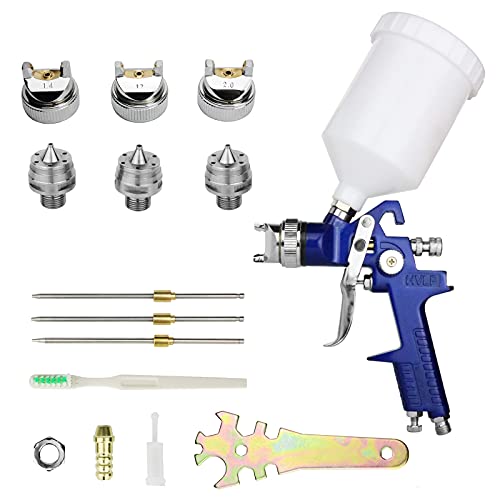
HVLP Spray Gun with Replaceable Nozzles 600cc Cap
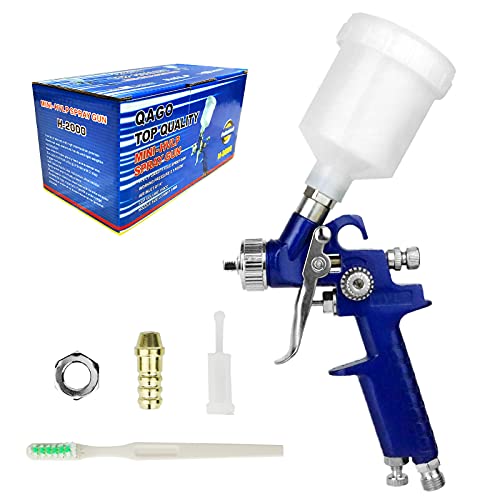
Tosucs HVLP Spray Gun with 1.0mm Tip 125ml Cup

3M Performance Spray Gun Starter Kit 26778
More Details On Our Top Picks
For a garage project that needs more than a basic hand tool, this DeVilbiss kit reads like a practical starting point. The automotive focus matters, because detail spraying and panel work benefit from a setup that feels controlled rather than overly broad.
You’ll appreciate the mix of paint tools, body repair tools, and spray gun accessories when you’re working through a learning curve and want one kit to cover several steps. The honest trade-off is that a fuller kit can feel like more to organize, so it suits someone who wants range more than simplicity.
What We Like
- Automotive-centered layout supports real panel and detail projects.
- The kit format can reduce piecemeal shopping for first-time setups.
- Useful for small repairs and more focused paint work around a home garage.
- Accessory coverage helps you stay organized across prep and spraying steps.
Small Caveats
- The broader kit approach can feel busy for very simple touch-up jobs.
- Storage matters, since more pieces usually means more chances to misplace one.
- It leans automotive, so general household painting may not be the smoothest fit.
Feature Snapshot
Who Will Love This
DIYers who want a starter setup for auto refinishing and detail work will get the most from this kit.
A Better Fit Elsewhere
Hotorda B08JGWR4XM suits you better for mixed surfaces and nozzle swapping, especially when one tool needs to handle several material thicknesses.
Multiple nozzle sizes make this Hotorda option more adaptable than the first pick, especially for someone moving between primer, furniture, and wall coatings. That flexibility matters in a home shop, because material thickness changes the way spray equipment behaves.
The 600cc cup gives you a workable paint load without making the gun feel oversized, so it sits in a useful middle ground for starter setups. The trade-off is that more parts can mean more setup choices, and that can slow you down the first few times.
Highlights
- Replaceable nozzles give you more room to match different coating types.
- The 600cc cup supports longer sessions before refilling.
- Useful for primer, furniture, wall work, and base coatings.
- Good fit when one gun needs to cover several project types.
Points To Note
- More nozzle options also mean more setup decisions.
- Cleaning takes attention, especially after thicker paints or primers.
- The broad use list is handy, but results still depend on matching the nozzle to the material.
At A Glance
Best Suited To
Home DIYers who want one spray gun for several finish types will get the most out of this model.
Where A Sibling Pick Shines
3M Performance Spray Gun Starter Kit 26778 is the better fit for you when a more system-oriented setup matters more than nozzle variety alone.
This Tosucs gun is the smallest-feeling pick in the group, and that’s exactly why it stands out for detail work. A 1.0 mm tip, meaning a narrower opening for finer spray flow, usually makes more sense for controlled passes than for heavy coating jobs.
The 125 ml cup keeps the footprint light, so you may find it easier to handle during short sessions on trim, furniture corners, or small car touch-ups. The honest trade-off is capacity, because a smaller cup asks for more refills once the job gets larger.
Upsides
- Small cup size keeps the gun compact in hand.
- 1.0 mm tip supports finer, more controlled spraying.
- Well suited to touch-up work and narrow surfaces.
- Less bulk can feel easier during careful, short passes.
Areas To Watch
- The smaller cup is less convenient for bigger surfaces.
- Frequent refilling can slow longer projects.
- Detail focus means it is not the easiest choice for heavy primer work.
Core Details
The Right Fit
You’ll get the most from this one for small-area refinishing, trim, and detail work in a tight workspace.
Swap It Out When
Hotorda B08JGWR4XM makes more sense for you when you need extra nozzle sizes and a larger 600cc cup for broader projects.
The 3M kit looks more system-driven than the others, and that matters when you want a starter setup that feels organized from cup to spray head. The inclusion of the PPS 2.0 cup system, a paint cup arrangement designed to help manage material transfer, gives it a more engineered feel than the simpler guns above.
Those 15 replaceable gravity HVLP atomizing heads add flexibility without forcing you to buy a separate gun for every task. The trade-off is that a more complete kit usually asks for more attention during setup and cleanup, so it suits someone who likes structure.
Reasons To Buy
- The PPS 2.0 cup system adds a more organized workflow.
- Multiple atomizing heads give you room to match different finishes.
- The air control valve helps with airflow tuning.
- Strong fit for home shops that want a more polished setup.
Honest Caveats
- The kit is more involved than a bare-bones starter gun.
- More components mean more cleaning after each use.
- It makes the most sense for someone comfortable with a fuller system.
Details At A Glance
Built With In Mind
Home painters and detail-oriented hobbyists who want a more complete spray system will get the most from this kit.
Another Choice May Suit
Tosucs B096MG4WRS is the easier fit for you when a smaller, lighter detail gun matters more than a multi-piece setup.
How To Choose The Right Starter Spray Guns
Nozzle Size And Cup Capacity
Nozzle size controls how much coating leaves the gun and how finely it breaks up, so the match between nozzle and material matters more than flashy extras. A smaller tip usually suits detail work and thinner coatings, while a larger one makes thicker material and broader coverage easier to manage.
Cup capacity shapes how long you can keep working before refilling. A 125 ml cup feels nimble for trim and touch-up work, while a 600 cc cup is more practical for longer passes on furniture or panels.
HVLP Fit For Real Projects
HVLP, meaning high-volume, low-pressure, is useful because it gives you more control than a basic high-pressure setup. That control helps in a garage, a basement workshop, or anywhere overspray would make cleanup a headache.
Starter models still vary a lot in how involved they feel. Some are simple guns, while others are fuller kits with heads, cups, and valves that ask for more setup but reward you with broader adjustment range.
Choose For Your Space
Small work areas favor compact tools that store easily and don’t feel crowded in your hand. Larger shops can handle more pieces, more accessories, and more room for a kit that includes separate heads or cup systems.
The honest read is that the best starter spray gun for you is the one that matches both the job and the cleanup you’re willing to handle afterward. A straightforward gun suits occasional touch-ups, while a fuller kit makes more sense for repeated home projects.
What To Weigh Before You Commit
Common Shopping Slip Ups
Many first-time shoppers focus on the gun body and ignore nozzle match, cup size, and cleaning effort. That leads to a tool that sounds versatile but feels awkward once paint starts flowing.
It also helps to avoid choosing a heavier setup for tiny jobs. A compact detail gun makes more sense for trim and touch-up work than a larger kit built for broader surfaces.
Where The Extra Money Goes
Higher-tier models usually cost more because they add parts that improve control, flexibility, or workflow. Replaceable heads, air control valves, and cup systems all add convenience, but they also add complexity.
That upgrade starts to make sense for frequent DIY use, especially in a garage where you handle several coating types. For occasional use, a simpler gun often feels easier to live with.
Frequently Asked Questions
What makes an HVLP spray gun different?
HVLP stands for high-volume, low-pressure, which means the gun moves material in a more controlled way. That usually helps you manage overspray better than a basic high-pressure setup.
Which nozzle size suits beginner work?
A mid-range nozzle often gives you a workable starting point for general use, while a smaller tip favors detail work. Your coating thickness should guide the final choice.
Is a larger cup always better?
No, a larger cup helps with longer sessions but can make the tool feel bulkier. Small jobs usually feel easier with a lighter cup and a more compact gun.
Do starter spray guns need a lot of cleaning?
Most of them need careful cleaning after use, especially when you spray thicker coatings or primers. More parts usually mean more cleanup time.
Which pick fits the most project types?
Hotorda B08JGWR4XM covers the broadest spread of home paint tasks because of its replaceable nozzles and 600cc cup. That makes it a practical middle ground for mixed-use spraying.