

Sub-enclosures shape how low-end energy behaves in a car audio setup, and the right box can matter as much as the sub itself. Compact truck cabs, daily commuters, and fuller cabin installs each call for a different enclosure style, from sealed control to ported output. The seven picks below cover those common use cases without drifting into guesswork.
Shortlist 1
Quick Look At Our Top Seven
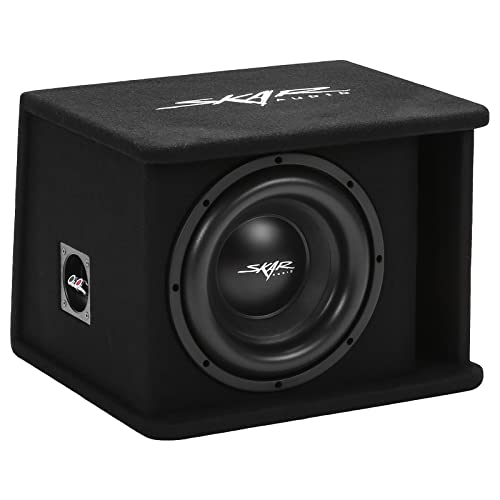
Skar Audio Single 10″ Loaded SDR Series Vented Subwoofer Enclosure SDR-1X10D2

Skar Audio Single 12″ Loaded Sdr Series Vented Subwoofer Enclosure SDR-1X12D2
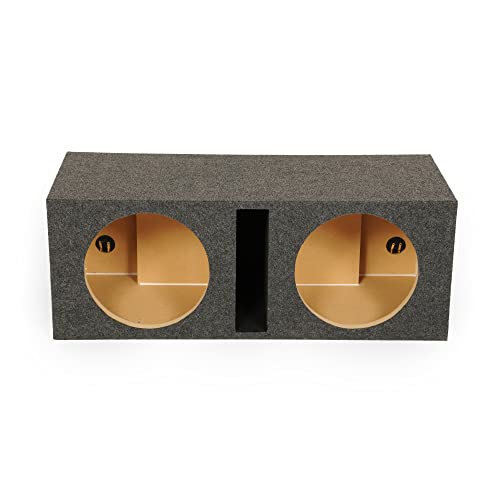
QPower QBASS Dual 12″ Car Audio Subwoofer Box, Charcoal Gray Carpet Finish

QPower QTW12 Single 12″ Sealed Car Audio Subwoofer Sub Box Enclosures Pair

QPower Single Triangle Car Audio Ported Subwoofer Box, Fits Most 12-Inch Subwoofers

Q Power 10″ Single Subwoofer Box, Vented Speaker Enclosure

QPower Single 12-Inch Downfire or Behind-Seat Speaker Box
More Details On Our Top Picks
A 10-inch loaded vented enclosure usually suits compact cabins that need bass without swallowing every inch of cargo space. The Skar Audio SDR-1X10D2 leans into that role with a single-driver layout, so the install remains simpler than the dual-sub QPower QBASS box later in the list.
The honest read is that a 10-inch vented box tends to favor punch and efficiency over sheer cabin-filling scale, and that trade-off makes sense for daily commuting or smaller trunks. For drivers who want a contained footprint and a ready-made enclosure, this model lands in a very practical middle ground.
Strong Points
- Loaded enclosure keeps the setup path straightforward.
- Vented design supports stronger low-end output than a sealed box of similar size.
- Single 10-inch format fits smaller car spaces more easily.
- Useful for daily driving, where a tidy enclosure often matters more than maximum cabinet size.
Points To Note
- Ten-inch output can feel modest beside the larger 12-inch picks in this roundup.
- Vented enclosures usually need a little more room than sealed designs.
Feature Snapshot
Who It Suits Best
Commuters and small-car owners who want a ready-to-install bass cabinet with a modest footprint are the clearest fit here.
Where Another Pick Suits Better
Skar Audio Single 12″ Loaded Sdr Series Vented Subwoofer Enclosure SDR-1X12D2 suits drivers who want a little more cabinet volume and fuller low-end scale.
The step from the 10-inch Skar enclosure to this 12-inch version is mostly about scale, not complexity. A larger driver opening can move more air, which is useful in midsize sedans, SUVs, and truck cabins where low-end presence needs a bit more room to breathe.
One thing worth considering is that larger vented boxes usually ask for more installation space, so this pick makes the most sense where cargo room is not already tight. For everyday systems that need a fuller bottom end without moving into custom fabrication, this model has clear appeal.
What We Like
- 12-inch format gives the enclosure a fuller low-end profile than the 10-inch Skar model.
- Loaded design keeps the path to installation simpler.
- Vented structure suits drivers who want more output than a sealed box usually provides.
- Works well in cars, SUVs, and trucks that can spare the extra cabinet size.
Small Caveats
- Its larger footprint can be harder to place in compact trunks.
- Vented enclosures are less forgiving of cramped installation spaces than sealed designs.
Details At A Glance
Built With In Mind
Drivers who want a larger vented cabinet for daily listening, weekend cruising, or a midsize vehicle fit this enclosure well.
Skip It When
Skar Audio Single 10″ Loaded SDR Series Vented Subwoofer Enclosure SDR-1X10D2 is the better call for smaller trunks and tighter install spaces.
Dual 12-inch sub boxes usually speak to truck owners or full-size cabin installs that need more surface area and more cabinet volume. The QPower QBASS box separates the two drivers into individual chambers, which helps keep each sub working in its own space instead of sharing one open cavity.
That layout matters in real use because a truck bed or large cabin can swallow bass quickly, and this type of enclosure is built to push back with more authority. The charcoal gray carpet finish also gives it a quieter visual profile than glossy designs, which fits a practical daily rig better than a showpiece.
Highlights
- Dual-chamber layout gives each 12-inch sub its own section.
- Single slot port is aimed at deeper bass behavior.
- MDF construction is a familiar choice for car audio boxes because it adds a solid, denser feel.
- Charcoal gray carpet finish blends into truck interiors more easily than brighter finishes.
- Works well for larger stereo setups that need more low-end scale.
Room For Improvement
- Two 12-inch drivers demand more space than the single-driver picks.
- Ported cabinets can feel less restrained than sealed boxes in small cars.
- Carpeted finishes can pick up dust and lint during normal cargo use.
Technical Sheet
The Right Fit
Truck owners and larger vehicle setups that need room for two 12-inch subs are the natural match here.
Look Elsewhere When
QPower QTW12 Single 12″ Sealed Car Audio Subwoofer Sub Box Enclosures Pair is a cleaner fit for smaller systems that favor control over output volume.
Sealed sub boxes tend to feel more controlled than ported ones, which makes this QPower pair useful for listeners who value tighter bass character over raw cabin fill. Compared with the QBASS ported box, this setup aims for restraint, and that can be a better match for music with quicker bass lines or more detailed low end.
The pair format also gives system builders flexibility, especially in vehicles where a matched set of enclosures is easier to place than one oversized cabinet. For straightforward installations and modest-space systems, that simplicity can matter a lot more than flashy output claims.
Upsides
- Sealed design usually delivers a more controlled bass shape.
- Pair format adds placement flexibility in a car or truck.
- Single 12-inch sizing keeps the setup familiar for common audio builds.
- Works well for music styles that benefit from tighter low-end response.
Softer Spots
- Sealed enclosures typically move less air than ported boxes.
- A pair still needs enough vehicle space to sit comfortably.
- Owners who want the biggest bass presence may prefer a vented model instead.
Core Details
Made For
Daily drivers and home-garage installs that call for controlled bass in a familiar 12-inch format are the clearest match.
Another Choice May Suit
QPower QBASS Dual 12″ Car Audio Subwoofer Box, Charcoal Gray Carpet Finish fits larger systems that need more low-end scale and a ported layout.
The triangle profile gives this QPower enclosure a different footprint from the more traditional rectangular boxes above it. That shape can help in tucked-away spots, and the bed liner finish suggests a tougher outer surface for the kind of cargo area wear that happens in real trucks.
Specs on the listing point to a ported design with spring-loaded terminals, which matters because terminal hardware affects how cleanly speaker wire lands during installation. The trade-off is straightforward: ported output can bring more energy, but the enclosure needs enough space and the right sub match to make sense.
Best Bits
- Triangle shape offers a less conventional fit for narrow cargo zones.
- Ported layout supports stronger low-end output than a sealed enclosure.
- Bed liner finish suits cargo-heavy use better than delicate cosmetic finishes.
- Spring-loaded terminals simplify wire attachment during setup.
- Fits most 12-inch subwoofers, which broadens system planning options.
Minor Gripes
- Triangle geometry can be harder to place than a standard box.
- Ported enclosures usually need more careful sub matching than sealed designs.
- The finish is practical, but not especially subtle in appearance.
Feature Card
Whose Shelf It Belongs On
Truck owners and custom installs that need a shaped ported box for a 12-inch sub belong here.
A Better Fit Elsewhere
QPower QTW12 Single 12″ Sealed Car Audio Subwoofer Sub Box Enclosures Pair suits listeners who want a more controlled sealed format instead of ported output.
Small-vehicle systems often need a 10-inch enclosure that doesn’t overcommit space, and this Q Power box stays in that lane. Compared with the Skar Audio 10-inch loaded enclosure, this model is presented more simply, which leaves the rest of the system build to the installer.
The source data lists 1.1 cubic feet of air space, so the enclosure is clearly aimed at compact bass builds rather than oversized output. That kind of capacity can suit hatchbacks, sedans, or work vehicles where a little low-end reinforcement is enough.
Reasons To Buy
- 10-inch size keeps the box easier to place in smaller cabins.
- Vented layout supports stronger bass than a sealed box of similar size.
- 1.1 cubic feet of air space gives the enclosure a defined compact footprint.
- Simple single-sub layout avoids the complexity of larger multi-driver systems.
Areas To Watch
- Single-sub output will not match the larger dual-12-inch QPower box.
- Vented boxes usually take more room than a sealed enclosure.
- The listing keeps finish and hardware details sparse, so fit planning rests mostly on size and layout.
Core Details
Perfect Match For
Compact cars, smaller trucks, and modest bass builds are the strongest fit for this enclosure.
Where Shoppers Go Wrong
Skar Audio Single 12″ Loaded Sdr Series Vented Subwoofer Enclosure SDR-1X12D2 is the better call for shoppers who can spare more cabinet space and want a larger 12-inch format.
Truck cabins create different constraints than sedans, and this QPower box leans into that reality with a downfire or behind-seat layout. The stated 0.75 cubic feet of airspace points to a compact enclosure that fits where taller boxes can become awkward.
Compatibility with GMC, Chevrolet, and Ford trucks gives it a clear lane for owners who want a matched fit without chasing a universal cabinet that may sit too high or too deep. Compared with the Q Power 10-inch vented box, this one is less about general-purpose bass and more about truck-specific placement.
What We Like
- Behind-seat and downfire placement options suit truck layouts.
- 0.75 cubic feet of airspace keeps the box compact.
- Truck compatibility is spelled out for GMC, Chevrolet, and Ford models.
- Low-profile shape helps preserve usable cabin space.
Honest Caveats
- Truck-focused fit makes it less universal than the other enclosures here.
- Compact airspace usually means less room for larger bass ambitions.
- Placement is more exacting, so measuring the seat area first matters.
Feature Rundown
Right Fit For
Truck owners who need a low-profile 12-inch enclosure with specific cabin compatibility are the natural match.
Reach For A Different Pick When
QPower QBASS Dual 12″ Car Audio Subwoofer Box, Charcoal Gray Carpet Finish is a better route for larger stereo builds that want more cabinet volume and a dual-sub layout.
How To Choose The Right Sub-Enclosures
Match The Box To The Cabin
Cabin size drives the first decision. A 10-inch vented box like the Skar Audio SDR-1X10D2 or the Q Power 10-inch vented enclosure suits tighter spaces, while dual 12-inch cabinets make more sense in trucks, SUVs, or larger trunks.
Shape matters too, especially in pickups. A behind-seat or downfire enclosure can keep the install low and usable, while a triangle ported box can work better in odd corners where a standard rectangle feels bulky.
Choose Sealed Or Ported With Intent
Sealed enclosures usually lean toward tighter, more controlled bass. Ported designs use a vent or port to help move more air, which can bring stronger output, but they also ask for more space and a better match between box and sub.
That trade-off is the heart of the category. For music with quick bass lines, sealed often feels cleaner; for fuller cabin fill and more impact, ported has the edge in many real-world installs.
Check Material And Build Style
MDF, short for medium-density fiberboard, is common in these boxes because it gives a dense, stable enclosure body. Thicker board and solid joints matter most in vehicles that see daily road vibration, cargo shifting, and repeated loading.
Loaded enclosures reduce setup work because the cabinet is already paired with a sub, while empty boxes leave more tuning freedom. The right call depends on whether the priority is a simpler path or a more custom system.
Measure Before Ordering
Internal airspace, external footprint, and terminal placement all affect whether a box actually fits once it reaches the vehicle. Those numbers deserve as much attention as driver size.
A compact enclosure can still feel awkward if the terminal cup faces the wrong direction or the depth crowds a seatback. A careful tape measure saves more frustration than any marketing phrase ever will.
What To Weigh Before You Decide
Common Shopping Slip Ups
Many installs go sideways because the enclosure size is chosen before the vehicle space is measured. Another common miss is pairing a vented box with a sub that was meant for a different enclosure style.
Finish details and material thickness matter too, but fit and enclosure type always come first. A box that looks right on the product page can still be awkward once cargo room and terminal clearance enter the picture.
The Case For Spending Up
Higher-tier boxes usually cost more because of better-shaped cabinets, denser materials, and layouts that suit specific cabins or speaker counts. In this category, that extra spending often goes toward fit precision and better internal behavior rather than decoration.
That upgrade is worth it for truck owners, larger stereo setups, and anyone chasing a cleaner install path. For lighter use, a simpler sealed or single-sub vented model is often enough.
Frequently Asked Questions
What Is The Main Difference Between Sealed And Vented Sub-Enclosures?
Sealed boxes use an enclosed air chamber for tighter bass control. Vented boxes use a port to help move more air and usually sound fuller in larger spaces.
How Much Airspace Matters In A Subwoofer Box?
Airspace affects how the enclosure behaves with a given subwoofer. Smaller volumes suit compact installs, while larger volumes are better suited to bigger drivers and broader bass output.
Are Loaded Enclosures Easier To Set Up?
Loaded enclosures usually simplify the build because the sub is already paired with the cabinet. That makes them attractive for straightforward installs and less custom planning.
Why Do Some Truck Boxes Sit Behind The Seat?
Behind-seat designs make use of narrow cabin space that a taller cabinet cannot use well. That layout helps preserve storage and legroom in many pickups.
What Should Be Measured Before Choosing A Sub-Enclosure?
Cabinet width, height, depth, and terminal clearance all deserve attention. Vehicle cargo space and seat clearance matter just as much as the subwoofer size itself.