


Choosing a 48-volt setup is less about chasing specs and more about matching your cart, your charging habits, and how far you actually run it. A commuter cart used around a neighborhood has different needs from a course cart that sees long loops, hills, or extra cargo. The seven picks below cover charger support, lithium conversions, battery capacity, smart monitoring, and a few trade-offs that matter in daily use.
Some options are built for straightforward lead-acid charging, while others lean into lithium power, app monitoring, and higher peak current. That mix helps you sort out what fits your cart now and what makes sense for your next upgrade.
The Shortlist At A Glance

EPOWREY 15 AMP 48 Volt Golf Carts Battery Charger
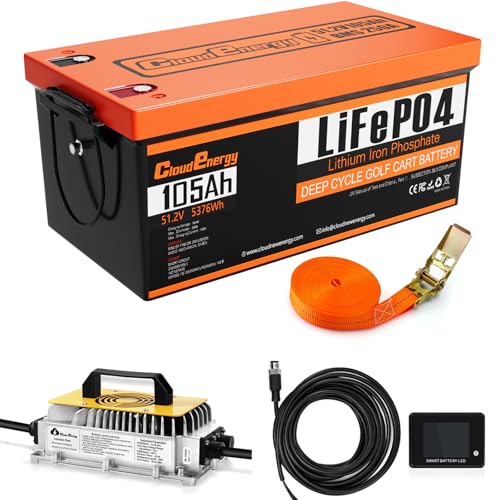
Cloudenergy 48V(51.2V) 105Ah LiFePO4 Lithium Golf Cart Battery

OGRPHY 48V Lithium Golf Cart Battery Conversion Kit

VATRER POWER 48V 105Ah Lithium Golf Cart Battery

LOSSIGY 48V Lithium Golf Cart Battery Conversion Kit

LOSSIGY 48V Lithium Golf Cart Battery Conversion Kit

LOSSIGY 48V Lithium Golf Cart Battery Conversion Kit
More Details On Our Top Picks
The EPOWREY charger makes the most sense for Club Car owners who want a straightforward way to keep a lead-acid pack topped up. A 15-amp output sits in the practical middle ground for everyday charging, so it suits garage charging more than quick top-offs between short trips.
Compared with the lithium-heavy picks later in this list, this one is the plainspoken option. That simplicity is a plus for older carts or for anyone who wants fewer moving parts in the charging routine, though the 3-pin round plug means compatibility matters.
Strong Points
- 15-amp output fits routine charging without feeling underpowered.
- The 3-pin round plug keeps the setup focused on Club Car use.
- Lead-acid support makes it relevant for older cart setups.
- Cleaner charging routine suits garage storage and weekly upkeep.
Things To Consider
- It is aimed at lead-acid packs, so it does not suit every 48-volt conversion.
- The plug style narrows compatibility, which is great for the right cart and awkward for the wrong one.
- You still need to match your battery type carefully before pairing it with your cart.
Core Details
Who It Suits Best
Club Car owners with lead-acid batteries and a simple garage charging routine fit this charger best.
A Better Fit Elsewhere
Cloudenergy 48V(51.2V) 105Ah LiFePO4 Lithium Golf Cart Battery suits you better if your cart is ready for a lithium conversion and you want more modern monitoring.
This Cloudenergy pack is built for cart owners who want lithium convenience without stepping back from usable range. The 105Ah capacity gives you a lot more headroom than a basic charger-focused pick, and the built-in 250A BMS, or battery management system, helps oversee charging and discharge behavior.
The touch monitor, mobile app, and retention strap make the package feel complete for an upgraded cart build. In a neighborhood cart or a course cart that sees repeated rides, that combination is more useful than plain voltage alone, though the larger lithium format asks for a more careful install.
What We Like
- 105Ah capacity gives you serious runtime for longer routes and heavier daily use.
- 250A BMS helps support controlled power delivery during charging and discharge.
- Mobile app and touch monitor make basic status checks easier.
- Retention strap adds a practical touch for installation and transport security.
Areas To Watch
- The larger lithium format calls for space planning before installation.
- Tech features are useful, though some owners may never use both the app and the monitor much.
- The setup feels more involved than a simple replacement charger or a basic battery swap.
Feature Snapshot
Who Will Love This
Frequent cart drivers who want lithium range, app monitoring, and a finished conversion package fit this pick best.
Where A Sibling Pick Shines
VATRER POWER 48V 105Ah Lithium Golf Cart Battery suits you better if you want a similar capacity class with a different smart-monitoring setup.
OGRPHY leans hard into output, which makes it a stronger fit for carts that need more than gentle neighborhood cruising. The 200A BMS, 1000A peak current, and 10.24kW output point toward a pack built for demanding starts and heavier electrical loads.
Compared with Cloudenergy’s larger-capacity feel, this one reads more like a power-first conversion kit. The touch monitor and charger help round out the package, and the 4000-plus cycle claim gives you a sense of long-term intent, though this is still the kind of battery setup that rewards a careful install.
Highlights
- High output numbers suit carts that need strong acceleration support.
- Touch monitor keeps day-to-day checks convenient.
- Charger included in the kit helps simplify the conversion path.
- 4000-plus cycle rating points to a long-use design.
- Useful for cart and trolling motor setups, which broadens where it can fit.
Softer Spots
- The stronger output profile may be more than casual cart use really needs.
- Conversion kits reward careful wiring and space planning, so the install is not a casual swap.
- It feels more specialized than a straightforward replacement battery.
Technical Sheet
Built With In Mind
You get the most from this kit in a cart that needs strong output, not just basic replacement power.
Not Your Match When
EPOWREY 15 AMP 48 Volt Golf Carts Battery Charger suits you better if your current setup only needs a simple charger for a lead-acid cart.
VATRER POWER feels like the most polished all-around lithium option in this group, especially for people who want monitoring without clutter. The 105Ah capacity, 200A smart BMS, touch monitor, and app support make it well suited to a cart that sees regular use and benefits from quick status checks.
The UL2271 listing stands out for shoppers who pay attention to product labeling and system organization, though the battery still needs the usual care that comes with lithium installs. Compared with Cloudenergy, it gives you a similar capacity class but with a different emphasis on smart controls and a more equipment-focused presentation.
Bright Spots
- 105Ah capacity supports longer rides and fewer interruptions.
- Smart BMS helps the battery manage power in a controlled way.
- Touch monitor and app support make status checks less of a chore.
- Max 10.24kW output gives it room for stronger cart demands.
- The overall package suits owners who like clean monitoring tools.
Worth Noting
- The smarter feature set adds usefulness, but it also adds more setup choices.
- Lithium conversion work still asks for space, cable planning, and a careful install.
- The pack is more involved than a simple charger-focused option.
Details At A Glance
Right Fit For
Cart owners who want lithium range plus monitoring tools fit this option especially well.
A Better Fit Elsewhere
Cloudenergy 48V(51.2V) 105Ah LiFePO4 Lithium Golf Cart Battery suits you better if you want a similar capacity but a package centered around its retention strap and app-monitor mix.
LOSSIGY’s first conversion kit in this roundup looks tuned for people who want one battery path that can stretch beyond a golf cart. The built-in 200A Bluetooth BMS, 1000A peak current, and 3 to 5 second peak window suggest a pack aimed at strong bursts and flexible use in carts, RVs, or solar setups.
That wider use case sets it apart from the more cart-only choices above, though the broader positioning also means you should think carefully about fit and system matching. Bluetooth control is handy for people who like checking status from a phone, and it helps this option feel more modern than a plain swap battery.
Reasons To Buy
- Bluetooth BMS gives you mobile monitoring convenience.
- Peak current support suits short bursts of heavier demand.
- Works across cart, solar, and RV contexts, which adds flexibility.
- The conversion-kit format helps consolidate key pieces into one path.
Points To Note
- The broad use-case angle is useful, but it also means you need to match it carefully to your setup.
- Bluetooth features are helpful only when you plan to use them regularly.
- Conversion installs still take more planning than a simple charger replacement.
Feature Rundown
Made For
You fit this kit well if your cart shares storage space with other power projects and you want Bluetooth control.
Skip It When
VATRER POWER 48V 105Ah Lithium Golf Cart Battery suits you better if you want a more cart-centered lithium package with a touch monitor and app in a single-purpose design.
This LOSSIGY version follows the same conversion-kit idea, but it reads as a straightforward middle-ground option rather than a feature-heavy showpiece. The 200A Bluetooth BMS and peak-current support are the real anchors here, which makes it appealing for owners who want monitoring and burst capability without chasing the most complex package.
For a weekend cart, a shared garage setup, or a utility-style build, that balance can be enough. Compared with the 105Ah premium options above, this one seems better suited to people who value flexibility and Bluetooth oversight more than maximum capacity.
Best Bits
- Bluetooth BMS keeps monitoring approachable.
- Peak current support gives you helpful short-burst headroom.
- Conversion-kit format makes it useful across more than one setup type.
- Good middle-ground choice for owners who want basic smart control.
Small Caveats
- The feature mix is solid, though it is not as capacity-forward as the larger 105Ah picks.
- Bluetooth oversight is handy, but only if your routine actually includes app checks.
- Install planning still matters, as it does with most conversion kits.
Core Details
Whose Shelf It Belongs On
Owners who want a practical Bluetooth conversion kit without moving into a larger capacity class fit this pick well.
Look Elsewhere When
OGRPHY 48V Lithium Golf Cart Battery Conversion Kit suits you better if your cart needs a stronger output focus and a touch monitor plus charger in the package.
This last LOSSIGY entry keeps the same core conversion-kitted shape, which makes it a steady choice for shoppers who want consistency more than flash. The 200A Bluetooth BMS and 1000A peak-current window still speak to a setup meant for more than casual cart duty.
Compared with the other LOSSIGY options here, the appeal is mostly in knowing exactly what kind of package you’re dealing with. For owners who like a familiar lithium conversion profile and want the same broad smart-control path, it feels dependable without being complicated.
Plus Points
- Bluetooth BMS keeps the battery status accessible.
- High peak-current support helps with short bursts of load.
- The conversion-kit layout fits familiar upgrade planning.
- Works for cart-focused builds that still want smart control.
Room For Improvement
- The feature profile overlaps closely with the other LOSSIGY kits, so the main choice comes down to your exact setup.
- As with similar conversion kits, installation detail matters more than it would on a simple replacement charger.
- It is a sensible option, though not the most distinctive pick in the group.
Feature Card
The Right Fit
You fit this pick well if you want a familiar 48-volt conversion path and plan to use Bluetooth monitoring.
Another Choice May Suit
Cloudenergy 48V(51.2V) 105Ah LiFePO4 Lithium Golf Cart Battery suits you better if you want more capacity and a clearer all-in-one upgrade package.
How To Choose The Right 48 Volt Golf Cart Battery
Match The Battery To The Cart, Not The Hype
The first question is compatibility. A Club Car with a 3-pin round plug points you toward a charger like the EPOWREY, while lithium conversion kits call for a different install path entirely.
Battery chemistry matters too. Lead-acid is a familiar fit for older carts, while lithium brings lighter maintenance, smarter monitoring, and a more modern layout, assuming the rest of your cart is ready for it.
Look At Capacity, Then Think About Daily Range
Capacity, shown in amp-hours, tells you how much energy a pack stores. A 105Ah battery is built for longer use between charges than a smaller pack, which helps on larger properties or repeated course laps.
Peak current and BMS size matter for carts that need stronger starts or carry more load. The honest read is that plenty of casual neighborhood carts never need the biggest numbers, so paying attention to your actual route makes more sense than chasing the largest label.
Smart Monitoring Helps, But Only For The Right Routine
Touch monitors, phone apps, and Bluetooth BMS tools are useful when you like checking battery status before a ride. They help you keep an eye on charge and discharge behavior without guessing from the cart’s feel alone.
That said, a simple charger or battery can be the cleaner choice for a cart that gets used lightly. A neat control panel is handy, but it should serve your routine, not complicate it.
Think About Installation, Space, And Long-Term Use
Conversion kits ask for more attention than a simple replacement charger. You need room, wiring confidence, and a plan for how the battery sits in the cart or garage.
Lithium upgrades often make sense for frequent use, while a lead-acid charger is the better answer for a cart that stays close to home. Choose the setup that fits your maintenance style, not the one that looks most technical on the product page.
Things Worth Knowing First
Hidden Buying Traps
Plenty of mistakes start with fit, not performance. A battery that sounds powerful can still be a poor match for plug style, cart model, or available space.
Another common miss is mixing up charger needs with battery needs. A charger like EPOWREY helps one kind of setup, while lithium packs like Cloudenergy or VATRER POWER belong in a different conversation altogether.
The Upgrade Payoff
Higher-tier lithium models cost more because they bundle more capacity, smarter monitoring, and stronger power management into one unit. That extra spend often goes toward the BMS, app support, larger Ah ratings, and cleaner conversion hardware.
The upgrade feels worth it for frequent drivers, hilly routes, or carts that see heavier loads. For light neighborhood use, a simpler setup can make more sense and keep the whole project easier to live with.
Frequently Asked Questions
What does 48 volts mean in a golf cart setup?
It refers to the cart’s electrical system level, which needs to match the battery or charger you choose. A 48-volt cart works best with parts built for that system, not a mismatched substitute.
Is lithium always better than lead-acid?
Lithium brings modern monitoring, strong output potential, and a cleaner maintenance routine. Lead-acid still fits well for carts that already use it and do not need a full conversion.
What does BMS mean?
BMS stands for battery management system. It helps monitor and control key battery behavior during charging and use.
Do conversion kits need extra planning?
Yes, they usually do. Space, wiring, and cart compatibility matter more than they do with a simple charger replacement.
How do you choose between 105Ah and smaller capacity?
Higher amp-hour ratings generally support longer use between charges. Smaller capacities can still work well for short neighborhood rides or lighter duty.
Bottom Line
Your best 48-volt setup depends on how your cart lives day to day, not just on the biggest number on the page. The EPOWREY charger is the simple answer for Club Car lead-acid owners, while Cloudenergy and VATRER POWER suit more serious lithium upgrades. OGRPHY leans hard into output, and the LOSSIGY kits give you flexible conversion paths with Bluetooth control. Match the battery to your cart, your charging routine, and your space, and the right choice becomes much easier.