
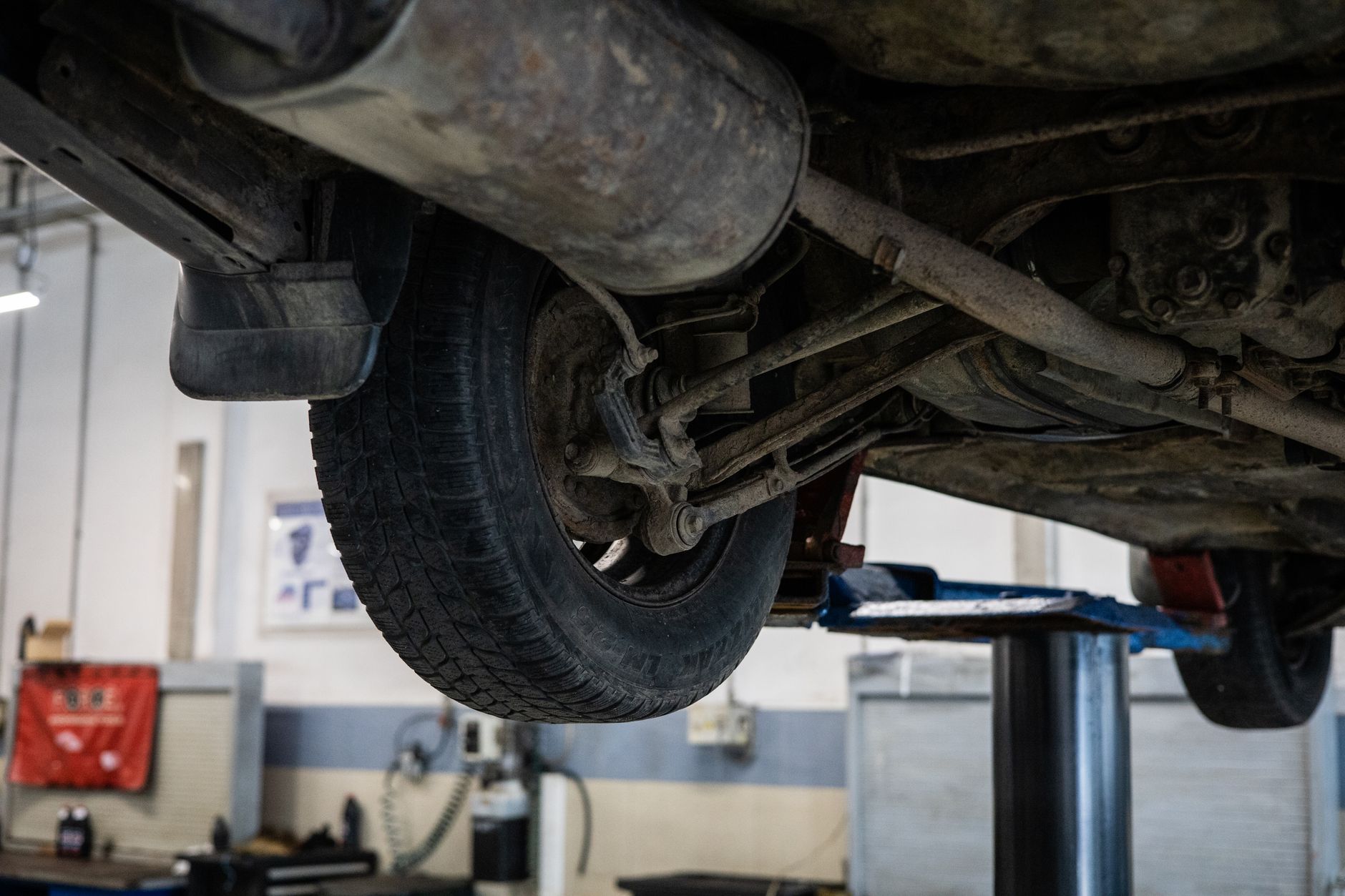

At most Costco Tire Center locations, steering-angle adjustments aren’t on the standard service menu, so you can buy and install new tires without altering the vehicle’s alignment. That matters because a car can chew through fresh tread fast when toe, camber, or caster is off, and the first clue is often a crooked wheel or uneven wear, not a flat tire.
This guide explains what Costco Tire Center handles, why alignment work sits elsewhere, and how to spot the warning signs so a new-tire purchase doesn’t leave a driver with a lingering steering problem.
Costco Tire Center Focuses On Sales And Installation
Mounting, balancing, and inflation make up the core of a Costco tire appointment. The lane is built around the tire itself, not the suspension parts that control wheel angle.
That difference clears up the confusion around does Costco do wheel alignments. Tire shopping, installation, and road-ready setup feel like one job, so a broader service menu is easy to assume. In reality, Costco fits the tire to the wheel and sends the vehicle out with steering geometry unchanged.
Many locations are well known for tire sales because they combine inventory, installation, balancing, rotation, and nitrogen fill. But an alignment rack needs separate equipment, a different bay, and more time than a standard tire install.
That split matters when you’re planning service. New tires can fix age or damage, but they won’t correct wear caused by toe, camber, or caster errors. Those angles point straight to the next issue.
Those angles are what separate a simple tire swap from the measurements that restore true tracking.
Wheel Alignment Stays A Separate Auto Service
A wheel alignment changes geometry, not rubber. Technicians adjust toe, camber, and caster so each wheel points where the vehicle maker intended.
Toe, Camber, And Caster Set The Car’s Path
Toe decides whether the tires point inward or outward. Camber changes how far the top of the wheel leans in or out, and caster affects self-centering and straight-line feel. The three angles work together, so a small error in one can show up as a pull or a crooked steering wheel.
Because of that, a costco wheel alignment search usually ends at another service center. Costco Tire Centers handle installation and routine tire service, while alignment work belongs with an auto repair shop or a dedicated alignment bay.
Balancing And Rotation Are Different Jobs
Balancing corrects weight distribution inside the wheel-and-tire assembly so it spins smoothly at speed. Tire rotation moves the tires to different positions so wear evens out across the set. Neither job changes suspension geometry, so neither one replaces alignment work.
So the practical takeaway is simple: installation mounts the tire, balancing smooths the spin, rotation spreads wear, and alignment changes the angles that shape wear in the first place. Once those roles are clear, the new tire question gets much easier to answer.
That distinction also matters when you compare service quotes, because the next question is whether new tires and alignment belong in the same appointment.
Price aside, fresh rubber only helps if the suspension is already pointed where it should be.
New Tires Do Not Automatically Solve Alignment Problems
Fresh tread can hide an old problem for a short time, then the wear pattern comes back. A new tire alignment isn’t built into tire installation, so your car can leave the bay with the same steering angle it had before.
That catches a lot of drivers off guard after a big tire purchase. The assumption is that new tires and alignment arrive as one package, but does Costco include alignment is a separate question from installation. The answer is no at most locations, and your suspension still needs its own check.
A simple example makes the point. A sedan with worn front tires from a slight toe error can get two new front tires, drive straight for a week, and then start feathering the tread again on the outer edges. A pickup that hit a curb can do the same after the impact bends a steering or suspension part.
A vehicle with fresh tires and a steering wheel a few degrees off center can tell the same story. The tires may look fine on day one, then the inside edges begin to scrub because the front end is still out of line.
Suspension work, pothole strikes, and curb hits can shift wheel angles without making noise. A tire purchase is the right time to ask about alignment, not after the new tread has already started to fade.
That warning shows up in the tire wear itself, and the next section breaks down the signs you can spot before the damage spreads.
Uneven tread tells the story early, and the patterns reveal what the steering geometry is doing.
Signs That Point To An Alignment Issue
Uneven tread wear is the clearest warning sign because it shows where the tire is scrubbing against the road. You may see one shoulder wearing faster than the other, or a feathered edge that feels smooth in one direction and sharp in the other.
Steering Pull And Off-Center Feel
A car that drifts left or right on a straight road often has toe or camber trouble. An off-center steering wheel is another clue, especially after a pothole hit or suspension repair. Those symptoms can look minor at first, but they change how the whole front end tracks.
Loose Road Feel And Tire Noise
Vague steering response, extra wander on the highway, and a humming or scuffing sound can all show up with poor alignment. Your car no longer feels planted because the tires are fighting the road surface instead of rolling squarely.
The physics is simple. A tire rolling at a slight angle generates scrub, heat, and friction at the contact patch, and that adds wear where the rubber takes the load. Modern radial tires can hide small angle errors for a while, but the tread still pays the price.
Ignoring those signs shortens tire life and can make the wheel tiring to hold on long drives. That is why a steering complaint deserves a service check before you assume the tires themselves are defective.
Once you know the symptoms, the next question is where to go for the adjustment and what kind of shop can actually set the angles correctly.
Once the clues appear, finding a shop with the right equipment becomes the real deciding factor.
Where Drivers Usually Go For Alignment Work

Auto repair shops handle alignment because they have the rack, the sensors, and the adjustment hardware for the suspension. Dealership service departments do it as well, especially on vehicles with electronic steering calibration or complex rear suspension layouts.
An alignment specialist brings a different advantage: that shop spends most of its time setting wheel angles rather than swapping parts. For your car, that can matter on a sport sedan, a lifted truck, or an all-wheel-drive crossover with a sensitive rear axle setup.
| Service location | What you get | Where it fits |
|---|---|---|
| Costco Tire Center | Tire sales, mounting, balancing, rotation | New tires and routine tire service for you |
| Auto repair shop | Alignment rack work and suspension adjustments | Pulls, uneven wear, steering correction for your vehicle |
| Alignment specialist | Camber, toe, caster correction on a dedicated bay | Cars with repeat wear or precise steering needs |
| Dealership service center | Alignment plus manufacturer procedures and calibration work | Newer vehicles, complex steering systems, and your calibration needs |
Wheel alignment cost changes with vehicle type, location, and whether the job is front axle only or a full four-wheel setup. A simple compact car can take less time than a truck with adjustable rear suspension, and a vehicle with seized cam bolts can take longer still.
A good alignment is worth the expense when it protects a new tire set from early wear. A $100 to $200 service can save far more than that in tire life on vehicles that drift or scrub, and the math is hard to ignore once the tread starts disappearing early.
That price range makes planning easier, and the smartest move is to pair the tire purchase with the right service order.
That budget gap is why timing matters, especially when tires and service can be coordinated together.
The Smart Way To Pair Tire Purchases With Service Planning
The cleanest plan is to separate tire shopping from steering correction in your head, then coordinate the two on the calendar. Ask about alignment before new tires go on, or schedule it right after installation if your car already shows wear or pull.
Check For Wear Before You Buy
Look at both front tires, then compare inner edge, center, and outer edge wear. A sawtooth feel across the tread or one shoulder wearing faster than the rest points toward geometry trouble, not age alone. That check helps you avoid blaming the new tires for an old setup problem.
Match The Service To The Symptom
- Fresh tires plus steering pull: Book alignment work soon, because the angles still need correction for your car.
- New suspension parts: Ask for alignment after the repair, since replaced parts change the wheel position on your vehicle.
- One-sided tire wear: Have the front end inspected before another set wears the same way on your tires.
- Curb or pothole hit: Check for bent components and a shifted steering wheel in your car.
- Highway wander: Ask for a four-wheel alignment on vehicles with rear adjustment points if you want steadier tracking.
Costco tire installation and alignment work solve different problems, so forcing one shop to do both can leave the real fault untouched. A tire center gives you new tread and proper mounting, while a separate alignment shop fixes the angles that decide how that tread wears.
That split is the smartest way to protect your money and your driving feel. Once you match the right service to the right symptom, the answer to costco wheel alignment becomes clear: Costco handles the tires, and the alignment belongs to a different bay.
That simple division keeps the final decision practical, and the closing section pulls the main points together.
With costs and timing sorted out, the main takeaways come into sharper focus.
What To Remember
Costco Tire Center is built for tire sales, mounting, balancing, and rotation, not suspension geometry. A vehicle can leave with brand-new tires and still need alignment work at another shop, especially after curb impact, suspension repair, or uneven wear. That separation is the key to getting the right fix the first time for your vehicle.
FAQ
Does Costco do wheel alignments?
Costco Tire Centers are known for tire sales and tire installation, not alignment work. Most locations send that job to an auto repair shop, dealership, or alignment specialist with a rack and the right measuring gear for your car.
Does Costco do alignments with new tires?
New tires do not automatically come with alignment. Costco installation focuses on mounting and balancing, so you still need a separate alignment visit when your car shows pull, uneven wear, or recent suspension work.
Does Costco installation include alignment?
Costco installation covers getting the tires on the vehicle and set up for road use. It does not correct toe, camber, or caster, so the steering geometry stays as it was before your appointment.
How much does a wheel alignment cost?
A sedan, an SUV, and a truck can all land in different price ranges, since the shop, location, and front-axle-versus-four-wheel setup all affect the bill. Cars with seized adjustment parts or extra calibration work can cost more than a simple passenger car setup for you.
How much should a full wheel alignment cost?
A full wheel alignment often lands in a wider range than a front-only service because all four wheels are measured and set. Your final price depends on location, vehicle design, and any worn suspension parts that need attention before the adjustment.