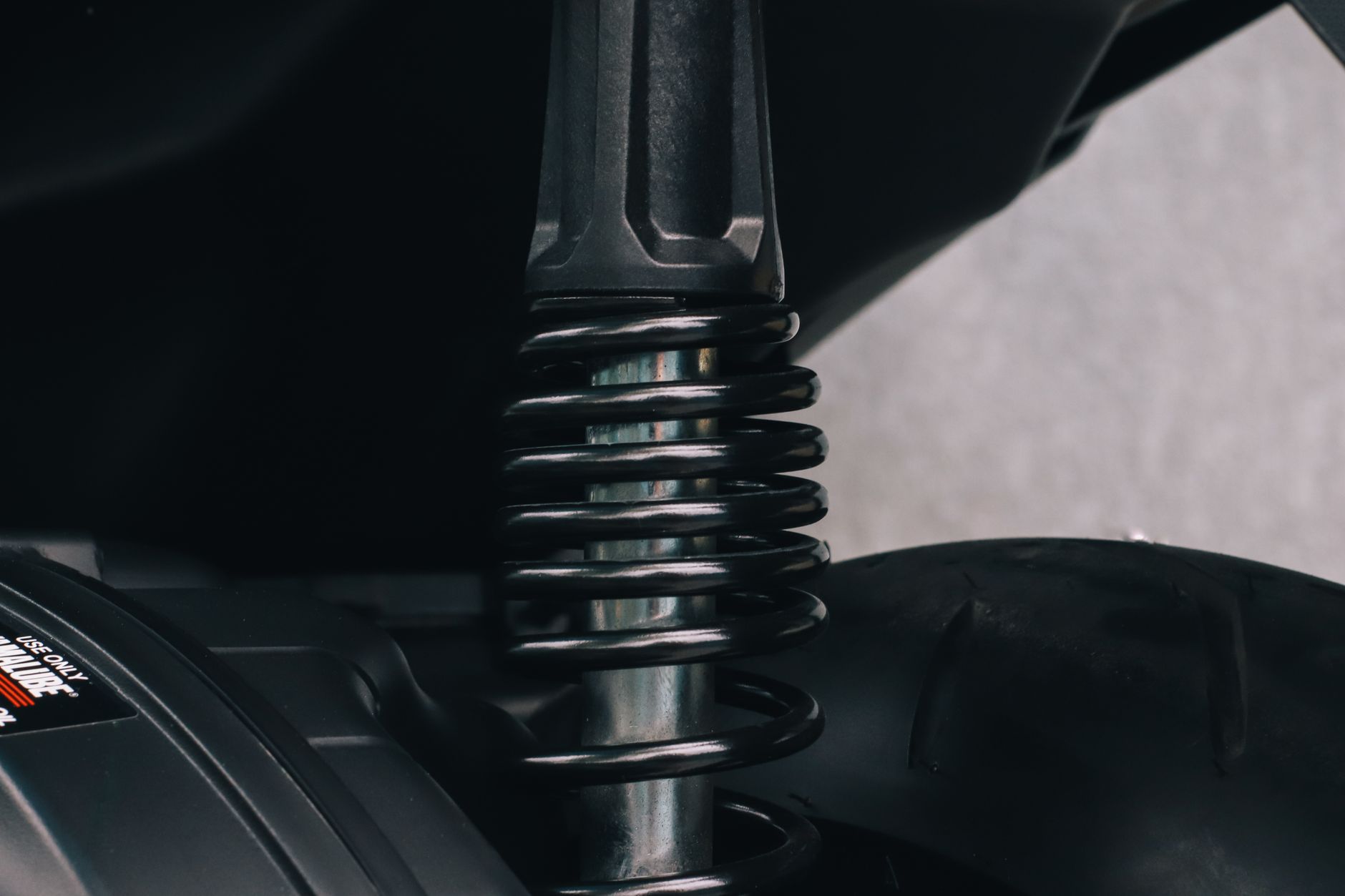

On the same suspension road test, the choice comes down to firmer control versus a softer OE-style ride, with exact fit deciding the real winner. Gabriel often suits drivers who want tighter response and better value, while Monroe usually lands closer to factory comfort on many common applications.
Here’s a side-by-side look at ride feel, durability, and fit for commuters, older vehicles, and trucks that need the right suspension part the first time.
Where Gabriel And Monroe Sit In The Market
Both names show up often at parts counters, and both cover daily drivers, aging sedans, and light trucks. Monroe, a Tenneco brand, has built its reputation around OE-style replacement parts, while Gabriel offers value lines and several firmer-feeling options.
That difference matters because the box name tells only part of the story. A Monroe OESpectrum strut on a Camry won’t behave the same as a Gabriel Ultra unit on the same chassis, and the same goes for a Silverado or Escape.
OE Replacement And Value Target Different Needs
Monroe Monro-Matic Plus, OESpectrum, and RoadMatic aim for familiar damping and lower road noise. Gabriel ReadyMount, G-Force, and Ultra cover a wider spread, from quick-install assemblies to firmer control on rough pavement.
That range is why Gabriel shocks vs Monroe shocks isn’t a simple brand matchup. The real question is which part number fits the chassis, spring rate, and driving pattern.
Fitment Starts With The Vehicle, Not The Logo
A MacPherson front suspension uses a structural strut assembly, while many rear setups use a separate shock and coil springs. The exact layout decides whether the vehicle needs a bolt-in complete assembly, a bare strut, or a simple rear shock.
Check by VIN, trim, and axle position before comparing features. That step saves time and keeps a year-and-model match from missing the actual suspension package. From there, the way each part works becomes the next thing to sort out.
Each component plays a different role, and that difference becomes obvious once the suspension package is broken down.
Shocks, Struts, And The Role Each Part Plays
A shock absorber slows spring movement after the wheel hits a bump, which keeps the body from bouncing and wandering. The coil spring carries the weight; the shock controls how fast that spring settles.
A strut does that same damping job, but it also acts as a structural member in many front suspensions. That affects wheel alignment, steering feel, and chassis stiffness, so a worn strut can make the nose drift under braking.
Separate Shocks Serve A Narrower Job
Rear shocks on many trucks and SUVs work beside leaf springs or coil springs, so their job is motion control, not load support. Gabriel shocks vs Monroe shocks often comes down to how well the damping curve matches axle movement and cargo use.
Since the shock doesn’t carry the vehicle, seal quality and oil control matter more than cosmetic details. Gas-charged shocks help reduce foam buildup in the fluid, which keeps damping steadier as temperatures rise on long highway drives.
Struts Add Structure And Alignment Sensitivity
Monroe struts good for daily driving is a fair question because a strut assembly has to balance comfort, steering, and wheel control. A weak strut can let the tire skip over washboard pavement, which adds noise and dulls steering response.
Gabriel struts vs Monroe struts follows the same basic split as the shocks, but struts punish poor fit more quickly. A wrong mount, weak spring seat, or tired top isolator can make a good strut feel rough, so installation quality shows up fast. That matters a lot once the discussion shifts to real-road feel.
Small installation details can change the whole feel, which is why road manners become the real test.
Ride Comfort And Handling Feel On Real Roads
A cracked city lane says more than a spec sheet. Monroe often feels calmer over sharp edges, while Gabriel can feel firmer and more tied down, especially in parts tuned for control instead of softness.
That difference shows up in small movements. Monroe vs Gabriel ride quality usually separates in steering return, brake dive, and how much the body rocks after a speed bump, so road surface and vehicle weight shape the choice.
Soft Tuning Favors Quiet Commuting
OE-style damping usually filters potholes and expansion joints with less kickback through the seat and wheel. On a Camry, Accord, or Escape used for commuting, that can feel better than a firmer setup that chases sharper body control.
Ride comfort isn’t the same as float. Good OE replacement parts still need enough rebound control to keep the tire planted, and that contact patch protects braking and wet-road grip.
Firmer Damping Sharpens Control
A firmer shock or strut limits how fast the body rolls in turns, which can help a light truck feel steadier with a bed full of gear. On a Tacoma, F-150, or older Tahoe, that extra control can reduce the side-to-side bob that makes highway driving tiring.
Handling gets better when the spring and damper work together, not against each other. Too much damping on a soft spring makes the ride harsh, while too little damping lets the body keep moving after each bump, like a pendulum that never settles.
Check the vehicle’s current spring condition before judging the brand. A sagged coil spring can make any new strut feel too stiff, and a tired spring seat can add clunking that has nothing to do with the shock itself.
Road Type Changes The Winner
Broken asphalt, rural gravel, and winter frost heaves expose damping differences quickly. Smooth pavement hides a lot, but rough roads show whether the part is calming the wheel or passing too much motion into the cabin.
That’s why which is better Gabriel or Monroe depends on use, not reputation. A taxi-style commute on patched city streets leans toward softer OE feel, while towing and backroad use reward firmer control. The long-term cost side of that choice matters just as much.
That tradeoff reaches beyond comfort, because firmer control often shifts wear patterns and ownership costs too.
Durability And Long-Term Ownership Costs
Seal life, oil control, and damping consistency tell you more about durability than paint color ever will. A shock that starts weeping at the rod seal, loses control over small bumps, or fades after heat soak creates costs beyond the box price.
Longer service life can offset a higher upfront cost because it reduces repeat labor, alignment work, and downtime. That math matters most on front struts, where labor can exceed the part itself on many front-wheel-drive cars.
What Wear Looks Like In Real Use
A worn shock often shows up as nose dive, extra bounce after a dip, or cupping on the tire tread. A worn strut can add clunks over sharp edges, uneven steering return, and a loose feel through the wheel at low speed.
The failure mode matters because suspension replacement isn’t only about comfort. A part that loses damping changes how the tire stays in contact with the road, and that contact is what keeps braking, cornering, and wet traction consistent.
Installation And Surrounding Parts Shape Service Life
A clean install can matter as much as the brand. New top mounts, fresh hardware, intact bump stops, and correct torque keep the rod from side-loading, which reduces seal stress and premature noise.
Corroded knuckles, torn spring isolators, or a bent control arm shorten any replacement’s life. Gabriel vs Monroe shocks and struts only explains part of the picture, because a tired suspension stack can wear out even a good part fast.
A worn suspension can mask even quality parts, which is why brand comparisons need that broader context.
| Ownership factor | What it changes | What you feel |
|---|---|---|
| Seal quality | Oil retention and rod friction | Steady damping over time |
| Heat control | Foam in the fluid | Less fade on long drives |
| Mount condition | Side load on the shaft | Fewer clunks and knocks |
| Alignment after install | Tire wear pattern | Cleaner steering and longer tire life |
Gabriel Shocks Vs Monroe Shocks And Struts
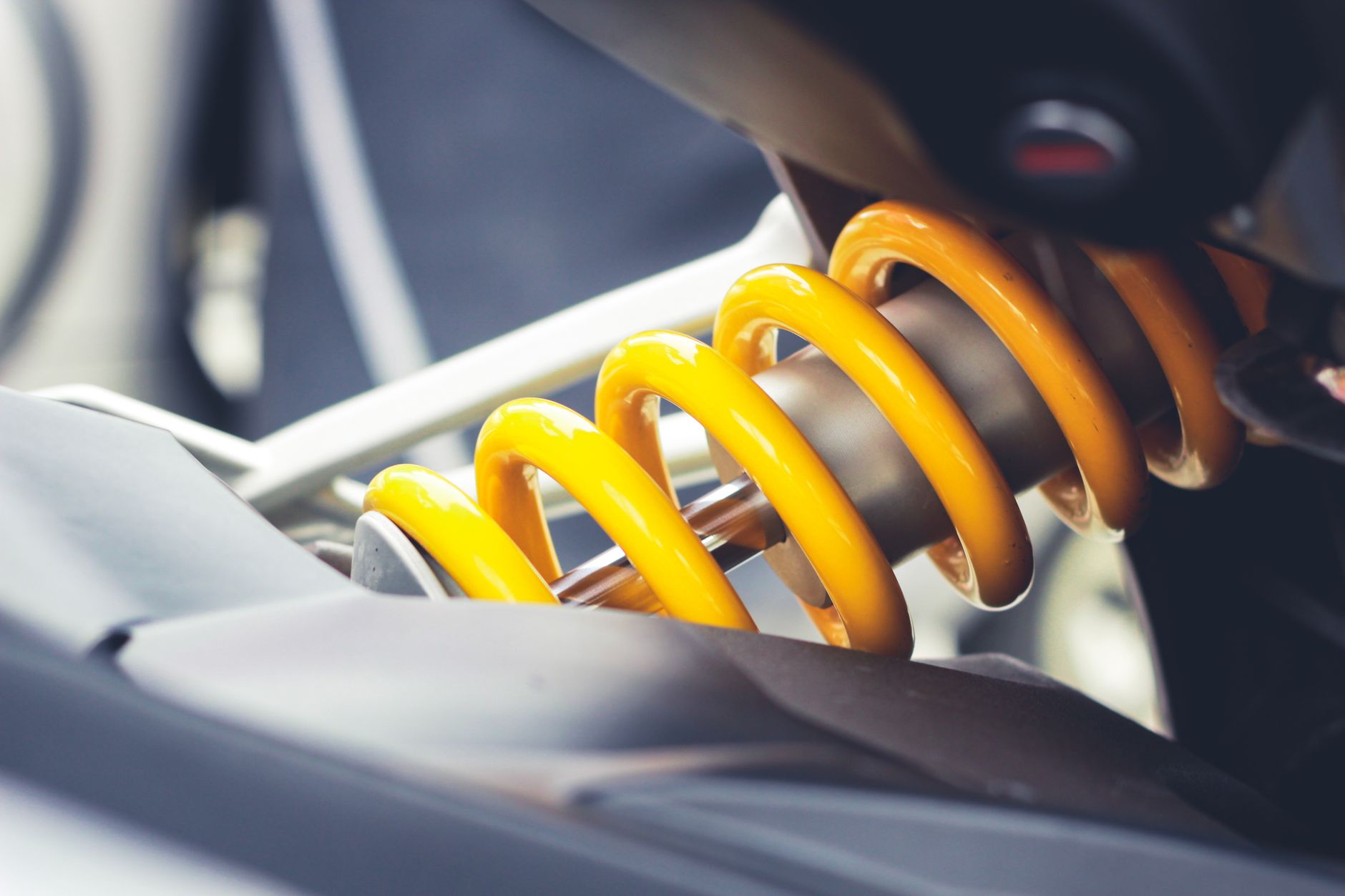
The clearest way to compare Gabriel shocks vs Monroe shocks is by product family, not by brand slogan. Monroe’s OE replacement line usually aims for calm, familiar ride behavior, while Gabriel’s lineup gives you more value-focused and firmer-feeling choices in several applications.
That split is clearer on shocks than on struts, because struts carry more steering and chassis duty. For a rear axle shock on a work truck, Gabriel may feel right; for a front strut on a commuter sedan, Monroe may match the factory tune more closely.
Shocks Favor Different Use Patterns
A rear shock on a body-on-frame truck needs control under load, not a soft pillow feel. Gabriel shocks often suit you when you want a tighter response, while Monroe can suit you better when factory comfort matters more than a firmer edge.
The right call also depends on gas-charged design and valving curve. Two gas-charged shocks can still feel different because internal shim stacks, piston size, and rebound control shape how the axle settles after each bump.
Struts Demand Exact Vehicle Match
Gabriel struts vs Monroe struts is more sensitive because the front suspension geometry uses the strut as part of the locating structure. A Civic, Corolla, or Fusion can react very differently to the two brands based on spring rate and top mount design.
Monroe often gets the nod for OE-style daily use, while Gabriel makes sense in a setup that wants sharper body control or a complete assembly with faster install time. The difference is subtle on paper and obvious on a rough road.
Match the brand to the job, not the marketing line. A commuter sedan, a towing setup, and a worn high-mileage crossover all ask for different damping behavior.
That practical split helps narrow the final choice, and the next step is matching it to your own vehicle and budget.
That practical split makes the final decision easier when it’s weighed against the vehicle’s needs and budget.
Choosing The Right Replacement For Your Vehicle
Start with exact fitment, trim level, and suspension type before you compare the box label. A base-model sedan, an off-road package, and a tow package can share the same year and model while using different strut assemblies, spring seats, or valving.
The next filter is use. Daily commuting, cargo hauling, rough pavement, and highway cruising each push the suspension in a different way, so the part that feels right on one route can feel wrong on another.
Match The Part To The Job
- Favor comfort when your commute is mostly patched city streets and you want less road noise.
- Favor control when your truck tows, carries tools, or leans too much in corners.
- Favor OE feel when you want the steering and ride to feel close to factory behavior.
- Favor value when the vehicle is older and the main goal is solid function without extra complexity.
- Favor complete assemblies when rust, labor time, or worn mounts make a bare strut a bad fit for the job.
That list fits real repair decisions better than a brand badge does. A front-wheel-drive sedan with tired mounts may benefit from a full Monroe assembly, while a light truck with a firm rear end can feel better with a Gabriel shock built for load control.
Use Cost, Comfort, And Control As Your Final Filter
Price should settle the choice only after fit and use line up. A lower initial outlay can make sense on an older car headed toward fewer miles, while a slightly higher part cost can pay back through longer service life on a car you keep every day.
Gabriel vs Monroe shocks and struts comes down to the trade between comfort, control, and chassis match. Once you know your suspension layout and how the vehicle really gets used, the right box usually stands out fast.
Once those basics are clear, the key takeaways fall neatly into place.
What To Remember
Gabriel and Monroe both sit in the same lane, but they don’t tune every part the same way. Monroe tends to favor OE replacement feel, while Gabriel gives you more value-driven and firmer options in several lines, so fitment and real-world use matter more than the brand name alone.
FAQ
Is Gabriel better than Monroe for shocks and struts?
Gabriel is better for some uses, Monroe for others. Gabriel can suit you when you want firmer control or a value-focused part, while Monroe often suits you when you want a closer factory ride on a commuter car or crossover.
What is the difference between Gabriel and Monroe shocks?
In many product lines, Monroe shocks lean toward OE-style ride comfort, while Gabriel shocks often feel firmer. That difference shows up in body control, rebound speed, and how much road texture reaches the cabin.
Are Monroe struts good for daily driving?
For many sedans, crossovers, and minivans, Monroe struts fit daily driving well and handle the routine commute with ease. They tend to match factory ride behavior, which helps if you want calm steering and steady absorption over potholes and seams.
Which brand lasts longer, Gabriel or Monroe?
Either brand can last a long time, and install quality matters a lot. A clean mount, correct torque, good spring condition, and proper alignment can matter as much as the brand itself.
Do Gabriel and Monroe shocks fit the same vehicles?
Not always. Fitment depends on the exact year, trim, axle position, suspension type, and whether the vehicle uses a separate shock or a strut assembly.
Which brand should you choose for a truck used for towing?
A truck used for towing often benefits from firmer damping and good load control, so Gabriel can fit some setups well. Monroe can still work when you want a calmer ride, but the exact part family matters more than the logo.