
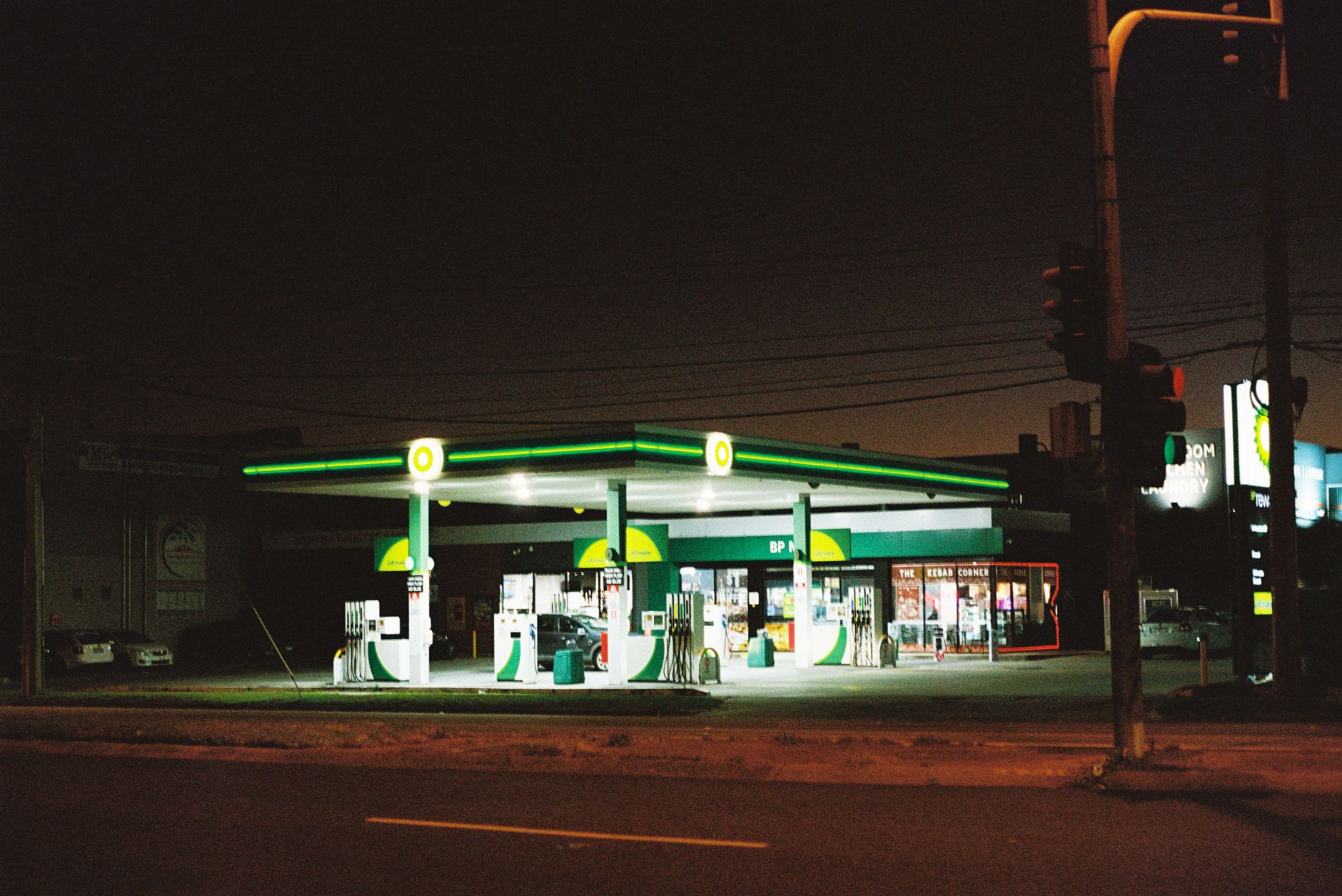

In everyday driving, fuel quality comes down to how cleanly BP gas burns, how well it resists knock, and how consistently it performs from station to station. It can be good gas when the octane matches your engine and the location keeps fresh fuel moving through clean tanks.
Here’s the scope: brand, octane, additives, and station upkeep all affect the result. That matters most for anyone comparing BP with Shell, TOP TIER fuel, or an independent station before the next fill-up.
What Makes Fuel Feel Good Or Bad
Engine smoothness usually comes from what’s in the fuel, plus how it was stored before you bought it. Base gasoline matters, but detergent packages, deposit control, and underground tank care often shape the experience more than the logo overhead.
Additives Do More Than Fill Space
Detergent additives help keep intake valves and injectors from collecting engine deposits. Chevron Techron and Mobil detergent packages are known for that cleaning role, and bp gas quality depends on a similar fuel-system cleaner blend rather than raw octane alone.
That matters because fuel can leave the terminal in similar condition and still behave differently after blending and storage. A station that follows refinery standards and rotates stock well usually gives a steadier result than a flashy canopy with poor tank care.
Station Upkeep Shapes The Result
Water in underground tanks, stale inventory, and dirty filters can change how fuel behaves in your tank. AAA has long warned that station conditions matter, and that warning fits real-world driving because a neglected site can feel rough even with a strong gasoline brand.
Fuel quality is partly a consistency problem. You want the same burn, the same knock control, and the same throttle response every time you fill up, so the station itself deserves as much attention as BP gasoline quality or any other label.
That comparison becomes clearer once you look at what BP says about detergents and how those additives affect deposit control.
Additive chemistry matters because detergents can keep deposits from building where combustion is hottest.
Where BP Stands On Additives
BP builds its gasoline around detergent packages meant to limit deposits, and that is the main reason many drivers view the brand as reliable. The base fuel still comes through a supply chain shaped by local standards, but the additive blend is where daily driving differences start.
Deposit Control Is The Real Selling Point
Those additives are there to help with fuel system cleanliness. Over thousands of miles, they can slow the build-up that interferes with injector spray and valve sealing, which is why some engines idle smoother after a steady diet of cleaner fuel.
The effect is gradual, not dramatic. You may not feel a change after one tank, but repeated fill-ups with detergent-rich fuel can leave less varnish on metal surfaces, and that helps fuel economy stay steadier in stop-and-go traffic.
Premium Fuel Has A Narrower Job
BP premium fuel may help engines designed for higher octane or heavier load, especially turbocharged models and performance cars tuned for knock control. In those cars, the higher octane resists pre-ignition better under heat and boost.
That does not make premium the right pick for every car. A commuter sedan built for regular gasoline does not gain extra power from a higher grade, and the additives in premium do not change the engine design much.
Scientific detail matters here. Octane rating measures resistance to auto-ignition, not energy content, so a higher number does not mean more usable power by itself. The engine management system uses knock sensors and ignition timing to make the most of the fuel grade the car was built for.
That tradeoff shows up even more clearly when you compare BP with Shell and other major brands at the same kind of station.
That difference becomes tangible when station-to-station fuel quality is stacked against larger-brand consistency.
BP Versus Shell And Other Major Brands
On a normal commute, BP vs Shell gas often feels close enough that the station matters more than the badge. Shell, BP, Chevron, and Mobil all sell fuel that meets market standards, so the practical gap narrows when both sites are well kept.
| Brand factor | What you may notice | What matters more |
|---|---|---|
| BP detergent package | Cleaner injectors over time | Station storage and turnover |
| Shell detergent package | Similar deposit control focus | Tank maintenance and fresh supply |
| TOP TIER gasoline | Higher deposit control standard | Meeting the standard at that station |
| Independent station upkeep | Smoother or rougher drivability | Clean tanks, filters, and turnover |
TOP TIER Gives You A Better Benchmark
A detergent standard for deposit control makes TOP TIER a more useful benchmark than brand loyalty alone. AAA has pointed to TOP TIER fuel as a better choice for many drivers who want cleaner intake valves and injectors.
That standard does not erase local differences. A BP site that turns fuel quickly and keeps its tanks clean can feel better than a neglected site selling a brand with a strong reputation, which is why the canopy is only part of the story.
Local Conditions Blur Brand Lines
A truck stop on a busy corridor can cycle fuel fast enough to keep product fresh, while a quiet station can let fuel sit longer. That difference can matter more than a BP or Shell label, especially in hot weather where vapor behavior and storage quality become more visible.
So the real comparison is not just BP versus Shell. It is bp gas quality at a specific location versus the fuel habits of the station down the street, and that is the comparison that usually predicts your result.
Brand reputation matters less than octane when the engine demands a specific knock margin.
Octane Choice Matters More Than Prestige
Higher octane does not automatically mean better fuel for every vehicle. It means the fuel resists knock better, which helps only when your engine design needs that margin.
Match The Owner Manual
For most engines, the octane number listed in the owner manual is the first specification to check. A Honda Civic, Toyota Camry, or Ford Escape that calls for regular gasoline does not gain a practical benefit from premium by habit.
Manufacturer guidance reflects compression ratio, combustion chamber shape, ignition mapping, and turbo boost, all of which affect knock control. Follow the specified fuel octane and you protect performance without paying for octane your engine will not use.
Premium Helps Only In The Right Engines
Premium fuel can be worth it for engines tuned to benefit from it, such as high-compression sports engines or some turbocharged German models. In those cars, the engine computer may advance timing more confidently on premium and hold power under load.
For a standard family car, premium is usually a habit, not a gain. The fuel grade should serve the engine, not the other way around, and that rule matters more than any brand preference you bring to the pump.
Use the octane the manufacturer calls for, then judge the station. A clean site with regular traffic can do more for drivability than an expensive habit at the wrong grade.
That same logic carries over to what your car actually feels over time, especially when deposit control and station care start working together.
Those same conditions determine whether the engine runs smoothly or slowly accumulates trouble.
What Good Fuel Means For Your Car

For many vehicles, yes, provided the grade matches the manual and the station is well maintained. The brand is only one piece of the decision, and the rest comes from storage, turnover, and your engine’s needs.
Deposit Control Helps Over Time
On direct-injection engines and cars that rack up city miles, detergent-rich fuel can gradually help control intake deposits over time. Those engines see more low-speed cycling, more heat soak, and more chances for carbon build-up around intake parts.
A car that runs cleaner over 30,000 miles can start easier, idle steadier, and keep throttle response more consistent. That is a slow effect, but it is the kind drivers notice only after a long stretch of ordinary use.
Poor Station Care Can Overshadow Branding
A dirty nozzle, weak filtration, or bad underground storage can create drivability issues that no canopy brand can fix. In those cases, rough idle or hesitation has more to do with contaminated fuel delivery than BP gas quality itself.
That is why two BP stations can feel different on the same day. One site may be fast-moving and clean, while another sits with older stock and a tired maintenance schedule, and your car reacts to the site, not the logo.
Historical context helps here. Top fuel retailers learned long ago that deposit control and storage discipline matter because modern engines are tighter and hotter than older designs. A fuel blend that keeps injectors clean can preserve response in ways older carbureted cars never demanded.
With that in mind, your next fill-up gets easier to judge when you use a short checklist instead of guessing by the sign.
A simple checklist turns the decision from guesswork into a quick scan for fit and freshness.
A Practical Way To Choose Your Next Fill-Up
The best choice starts with the station itself. A busy, tidy location with fresh turnover and visible maintenance is usually a stronger bet than a quiet site with an impressive brand sign.
Use A Fast Checklist At The Pump
- Check station traffic. Steady turnover keeps fuel fresher and lowers the odds of stale inventory.
- Scan the forecourt. Clean pumps, dry pavement, and working equipment signal routine upkeep.
- Match the octane. Use the fuel octane listed in your manual instead of paying for habit.
- Pick TOP TIER when available. The standard offers a clearer clue about detergent strength than branding alone.
- Watch how the car feels. Rough idle, hesitation, or pinging after a fill-up can point to a bad station.
Use The Brand As A Starting Point
BP belongs in the same credible group as Shell, Chevron, and Mobil, so the label is not the problem. Your decision gets sharper when you judge the specific station and grade, because bp gas quality lives in the details you can actually verify.
A practical example makes that clear. A late-model Subaru that asks for regular fuel can run well on BP regular from a clean, busy station, while a turbo BMW may need BP premium to keep knock under control under hard acceleration.
That balance is why a commuter can do fine on regular, while harder-driving engines call for premium.
What To Remember
Fuel quality is not a trophy for one logo. You get the best result by matching the right octane to your engine, then favoring a station with clean facilities, strong turnover, and a detergent package that supports deposit control.
FAQ
Is bp gas good for your car?
Yes, BP fuel can be a good choice for many cars as long as you use the octane your manual calls for. Station upkeep, fresh fuel turnover, and the detergent package matter as much as the brand name on the pump.
Is bp gas as good as Top Tier gas?
As a detergent standard rather than a brand name, TOP TIER can make BP gas look very close in quality when the fuel meets the spec. A BP station that meets strong maintenance habits can perform well, while a non-TOP TIER site with poor upkeep can feel worse.
Which gasoline is better, bp or Shell?
Neither brand wins every time. BP vs Shell gas comes down to the exact station, the fuel grade, and the local supply chain, so the cleaner, busier site is often the better pick for your car.
Does bp gas contain detergent additives?
Yes, BP gasoline quality depends in part on detergent additives that help limit deposits in injectors and intake parts. That cleaner chemistry can support smoother running over time, especially in engines that see lots of city driving.
Which gas station has the best quality gas?
The station with clean tanks, fresh turnover, and a strong detergent standard often gives the best result. Brand matters, but a well-kept BP, Shell, Chevron, or Mobil site can beat a neglected station from any major gasoline brand.