
A worn seal lip usually lets engine oil slip past the front main seal or rear main seal when contact with the shaft weakens. Heat, wear, bad installation, shaft damage, and excess crankcase pressure can all trigger that failure, and the first clue is often a wet pulley, a bellhousing drip, or a hot-oil smell.
For anyone chasing an oil spot or repeated seep after a repair, the sections below cover the main failure points and how to tell a seal leak from other engine oil leak diagnosis problems.
The Seal’s Job at the Crankshaft
A spring-loaded lip rides the crankshaft and keeps oil inside while the shaft spins at speed. A thin oil film helps it move, but the contact has to stay even or seepage starts at the edge.
Front and rear seals fail for the same basic reason: contact is lost. The front main seal sits behind the harmonic balancer or timing cover, while the rear main seal sits near the transmission and flywheel, so the first clue is often a drip in one of those two zones.
Where oil escapes first
Oil usually shows up at the lowest point in the leak path, not where the fault began. A small front crank seal seep can coat the crank pulley and fling oil onto the splash shield, while a rear main seal leak can leave grime near the bellhousing seam.
That pattern matters because a fresh spot under the engine can come from the oil pan gasket, valve cover, or front cover, not just the crank seal. Good engine oil leak diagnosis starts with the wettest point, then follows the trail upward.
What the lip needs to stay sealed
The lip depends on shaft finish, spring tension, and oil quality all working together. The seal material, often NBR or Viton, has to stay flexible enough to hug the shaft without overheating or cracking.
One technical detail matters here: the oil film is not the enemy. The leak begins once that film becomes a path instead of a lubricant, which is why a tiny loss of spring tension can turn into a visible drip.
Heat and age do more than stiffen rubber; they quietly erase the seal’s ability to stay flexible.
Age, Heat, and Hardening of the Rubber
Heat cycles and hot oil dry the seal material over time, and that slow change is enough to shrink the lip’s grip. A seal can look intact from the outside while the rubber has already lost the flex it needs to follow the shaft.
Low oil quality and skipped service speed that process because dirty oil carries more heat and contamination through the crankcase. That combination shortens seal life, and what causes a crankshaft seal to leak in a high-mileage engine is often age plus heat rather than one dramatic failure.
Heat changes the material itself
NBR hardens sooner under long heat exposure, while Viton stands up better to high temperature and modern oil chemistry. Even so, both materials age, and the lip can take on a stiff, shiny edge that no longer tracks the shaft cleanly.
That change is physical, not cosmetic. Rubber polymers lose plasticizers, the surface gets less compliant, and the sealing edge stops conforming to small shaft movement.
Maintenance habits that shorten seal life
- Old oil carries more soot and varnish, which raises heat at the lip.
- Low oil level can leave the seal running hotter than it should.
- Long service gaps let sludge collect around the front cover and rear main area.
- Contaminated oil wears the lip and the shaft at the same time.
Seen together, those habits create a seal that ages faster than the rest of the engine. That sets up the next problem, because a new seal can still leak quickly when the installation goes wrong.
Even a fresh seal can fail early when it sits crooked, gets nicked, or is driven in too far.
Installation Errors That Create Early Leaks
A seal can fail within days of replacement if the lip gets nicked, twisted, or driven in crooked. Crankshaft seal replacement demands a clean bore, the right depth, and a shaft surface that the lip can ride on without folding over.
Installation damage also shows up when the lip is dry on startup or the shaft edge cuts the rubber during assembly. That kind of mistake is easy to miss because the engine may run fine until oil pressure and heat expose the flaw.
How seating depth changes the result
Set too shallow, the lip may ride on a worn groove or the edge of the bore. Set too deep, it can sit on an unworn band or miss the surface the spring was meant to track, which leads to front crankshaft seal leak symptoms later.
Fel-Pro seals are built with installation in mind, but even a good part cannot fix a crooked bore or a damaged lip. The fit has to be square, or the contact patch turns narrow and hot.
Lubrication and handling mistakes
Assembly lube or clean engine oil on the lip helps the first few revolutions stay smooth. A dry start can tear the sealing edge before the film forms, especially on the front crank seal behind a harmonic balancer.
Hands, tools, and dirt all matter here. A small fingerprint of grit can become an abrasion point, and that tiny defect is enough to start an early seep that looks like a bad part instead of an installation problem.
A shaft that wobbles or wears unevenly can turn a perfect seal lip into an abrasion point.
Surface Wear, Runout, and Vibration at the Crank
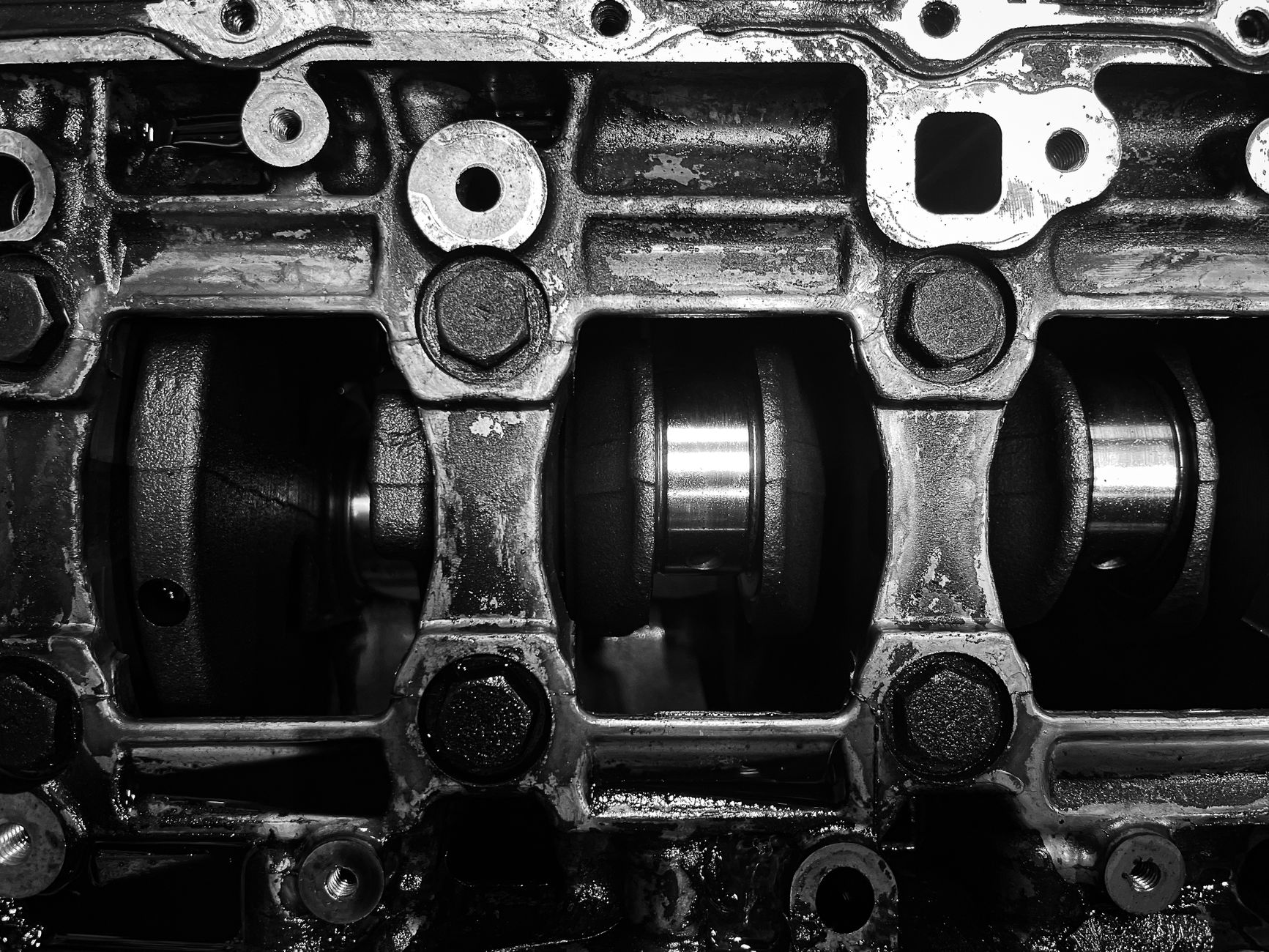
A smooth shaft lets the lip glide; a scored shaft gives oil a path. Wear grooves form where the seal rides year after year, and a groove deep enough to catch a fingernail can defeat even a fresh lip.
Crankshaft runout and engine vibration add another layer of trouble because they shake the lip off its center line. The harmonic balancer, timing cover, and front cover all sit close to that motion, so a tiny wobble can turn into a steady seep.
Shaft wear grooves cut a hidden path
A shaft wear groove acts like a tiny channel under the lip. Oil follows that groove because the seal spring cannot fill the low spot forever, especially on engines with high mileage or long oil change intervals.
Repair shops sometimes use a sleeve on the snout to give the lip a fresh surface. That fix works only when the groove is the main problem and the shaft still turns true.
Vibration and runout move the contact point
Runout makes the shaft orbit instead of spin in one line, so the lip flexes harder on one side and relaxes on the other. Over time, that uneven loading chews the edge and can show up as an oil leak at crank pulley area.
Dirt from a torn splash shield or debris from a bad front cover seal can make the damage worse. Contamination does not just dirty the area; it can abrade both the seal and the shaft surface like fine sandpaper.
Once the crank surface is damaged, excess pressure makes every tiny flaw work harder against the seal.
Check the crank snout and the seal bore together. A new lip on a worn shaft can leak fast, even after a careful installation.
Pressure Problems Inside the Engine
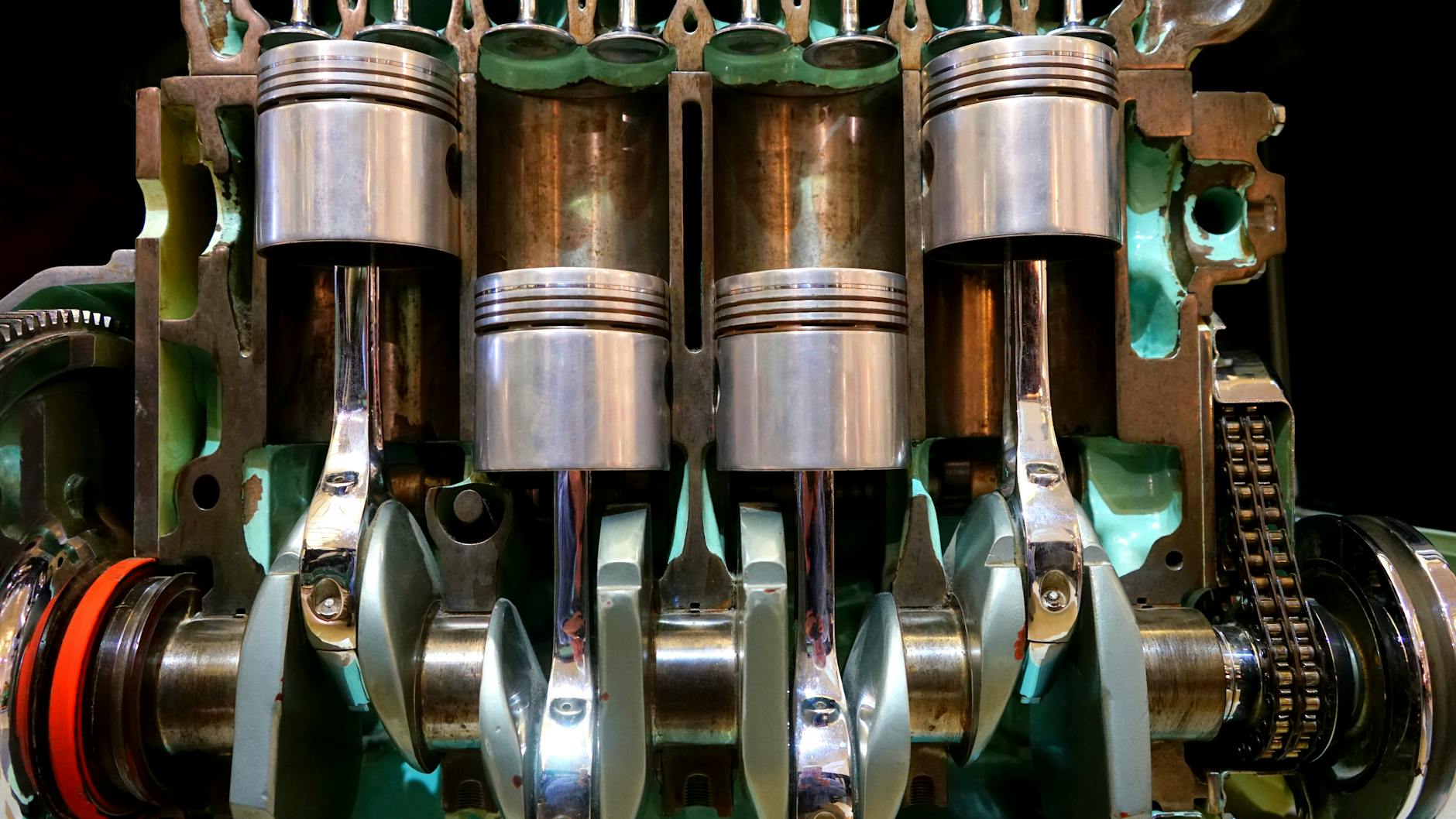
Crankcase pressure pushes oil toward any weak point, and a seal that would hold under normal conditions can start weeping under excess pressure. Blow-by past the piston rings, blocked breathers, or a stuck PCV valve all raise that internal load.
A failing PCV system is a common reason the leak keeps returning after a seal swap. The seal is not always the wrong part, but it gets blamed because the oil shows up at the front or rear main area first.
How the PCV system changes oil control
The PCV system pulls vapors out of the crankcase so pressure does not build under the covers. When the valve sticks or the hose clogs, pressure rises and oil gets forced through weak spots, including the crankshaft seal.
That pressure can also drive oil past valve cover gaskets and the oil pan gasket, which muddies the trail. Once the crankcase breathes normally again, many recurring seepage complaints settle down.
Why pressure makes the wrong part look guilty
A healthy seal can leak under a bad pressure condition, then seem fine again after a repair that only changes the symptom. That is why what causes a crankshaft seal to leak is not always the seal itself.
That lines up with standard engine oil leak diagnosis practice: check the breather system before you order another seal. A leak that returns quickly after replacement deserves a pressure check before another seal goes in.
Those clues matter because a wet bellhousing may trace back to engine pressure, not the seal itself.
Symptoms That Point to the Real Source
Fresh oil spots under the front of the engine often point toward the crank pulley or front cover, while wetness near the transmission bellhousing points toward the rear main seal. The smell of burning oil can appear when oil drips onto hot exhaust parts or gets flung onto the undercarriage.
A careful look matters because a front leak can travel backward along the block, and a rear leak can coat the bottom of the bellhousing without dripping straight down. Engine oil leak diagnosis works best when you clean the area first, then look for the highest point of fresh wetness.
| Location | Clue | Common misread |
|---|---|---|
| Front of engine | Wet crank pulley, oily timing cover edge | Oil pan gasket or valve cover seep |
| Rear of engine | Oil at bellhousing seam, clutch area grime | Rear cover or transmission fluid leak |
| Low engine area | Drip on splash shield, underside film | Drain plug, pan gasket, or filter base |
That table helps narrow the search, but the final call still depends on inspection. A mirror, a light, and a clean rag often reveal more than guessing from the parking spot.
Signs that deserve a closer look
Oil on the harmonic balancer, residue on the dust shield, and a burnt smell after highway driving all deserve attention. Rear main seal leak causes also include oil at the bellhousing drain hole and dampness near the starter on some layouts.
One practical example stands out: a sedan with a front drip and no oil on the valve covers may still have a timing cover seep, not a bad crank seal. Another example is a truck with oil near the rear of the pan that turns out to have a leaking rear main seal and a clogged PCV hose at the same time.
Sometimes the real fix is broader than one part, especially when another fault is feeding the leak.
Repair Choices and Prevention for the Long Run
A crankshaft seal can sometimes be reseated if the problem is shallow and the lip was not damaged, but a torn lip or a hard groove in the shaft calls for full replacement. Severe shaft wear, bad runout, or a damaged bore changes the repair path fast.
That decision matters because a seal swap alone will not fix a worn crank snout or a pressure problem. When the shaft surface, PCV system, and contamination are checked together, the repair has a better shot at holding.
Choose the fix that matches the fault
- Reseat the seal when the bore is fine and the lip sat crooked.
- Replace the seal when the lip is torn, hardened, or contaminated.
- Address the shaft when a groove or scoring marks the crank snout.
- Check runout when the balancer or pulley wobbles at idle.
- Service the PCV system when pressure keeps building inside the crankcase.
That list saves time because it pairs the fix with the fault. A sealed engine needs a clean path for pressure and a smooth surface for the lip, not just a new part.
Habits that keep the next leak away longer
Quality oil, timely service, and a clean front cover area do more than most owners expect. They slow seal lip wear, reduce sludge, and make leak detection easier the next time a spot appears.
One more point matters for older engines with Fel-Pro or similar seals: contamination control during repair is just as important as the part itself. Dirt left inside the bore or on the shaft can undo good work in a few hundred miles.
Clean assembly habits matter just as much as new parts, because leftover grit can ruin the repair quickly.
Wrap Up
The seal fails when contact, surface finish, or crankcase pressure stops cooperating. Heat, age, installation damage, shaft wear, vibration, and PCV trouble can each push oil past the lip, so the smartest repair starts with the cause, not the stain. Find the source before you swap parts, and the next fix has a far better chance of holding.
FAQ
Why does a crankshaft seal start leaking?
Once the lip no longer stays tight against the shaft, engine oil begins seeping through the crankshaft seal. Heat, age, shaft wear, bad installation, vibration, and crankcase pressure all can break that contact and let oil move past the seal.
Can a bad PCV valve cause a crankshaft seal leak?
Yes. A stuck or clogged PCV valve raises crankcase pressure, and that pressure can push oil through a seal that would otherwise hold. A repeat leak after replacement often points to the breather system.
How do I tell if the leak is from the front crank seal or rear main seal?
Wetness near the crank pulley, timing cover, or harmonic balancer points to the front. Oil at the bellhousing seam, clutch area, or rear engine block points toward the rear main seal.
Can overfilling engine oil cause a crankshaft seal to leak?
Yes. Too much oil can raise windage and crankcase pressure, which can force oil past the lip. The seal may not be the root problem, but it can become the exit point.
Will a crankshaft seal leak stop on its own?
No, not in a lasting way. A small seep can slow for a while, but heat, shaft wear, or pressure usually keep the problem active until the cause is fixed.