

At idle, a failing compressor can drag on the belt and make the engine work harder. Yes, when the compressor drags the serpentine belt or seizes and overloads the accessory drive. A weak unit usually cuts cooling and steals a little power first; a locked one can bring on belt squeal, charging trouble, or heavier steering within minutes.
Here’s the scope: how that load reaches the engine, what the noise and feel tell you, and which repair path fits the car’s condition.
The Compressor’s Place In The Drive System
One belt often spins the compressor, alternator, and sometimes the power steering pump or water pump, so a fault in the AC side can spread quickly. That shared path is why a cooling problem can become a front-of-engine problem.
Flip the AC on, and the engine takes on a little more work to turn the compressor. The crankshaft sends that load through the belt, so fuel economy can dip slightly and throttle response may feel softer at idle or in stop-and-go traffic.
Weak Load Versus Locked Load
A tired compressor usually shows up as weak cooling, slow cabin pull-down, or a clutch that slips once the system heats up. The engine still runs normally, but the accessory drive works harder than it should.
A seized compressor is a different event. The pulley may stop turning smoothly, the belt can slip across the pulley face, and the engine can start sounding like a dry belt rubbing on a rough edge. That is the point where a bad AC compressor affect the engine stops being a comfort problem.
Why The Belt Path Matters
The serpentine belt is the shared link for the front of the engine. When a compressor binds, the shock moves into the belt, tensioner, and idler pulley, and those parts can wear faster than the compressor itself.
OEM belt routing diagrams matter because the order of accessories changes the failure pattern. On some trucks and sedans, the alternator sits downstream from the compressor, so a slipping belt can reduce charging output before cooling trouble stands out. That chain leads straight into the symptoms you hear and feel first.
That belt path also explains why a small HVAC issue can turn into a drivability issue once the compressor begins to bind.
That same belt path can turn a cooling fault into a drivability problem once the compressor starts to drag.
What A Failing Compressor Starts To Sound And Feel Like
Noise is often the first clue, and it rarely sounds like one clean failure. A compressor clutch that grabs late, a rough pulley bearing, or a refrigerant charge that is low enough to make the system cycle oddly can all make the cabin feel inconsistent.
Car AC compressor symptoms often start with squealing at startup, light grinding at idle, rattling after the clutch engages, or cold air that comes and goes on the highway. A refrigerant leak usually shows up as weak cooling rather than engine trouble, because low refrigerant leaves the compressor underfed but does not directly change combustion.
Clutch Problems Leave A Different Pattern
The compressor clutch acts like a gate. It connects the pulley to the compressor shaft only when the system asks for cooling, and a worn clutch can chatter, click twice, or cycle far more than normal.
That odd rhythm matters because it points to an electrical or mechanical control issue, not a broken engine. A pressure switch, relay, or low refrigerant charge can create intermittent cooling without any major drivability change, while the compressor itself may still be mechanically sound.
Noise From Refrigerant Problems Stays Local
Low refrigerant often makes the compressor noisy because the oil inside the system moves with the refrigerant. Less refrigerant means less oil circulation, and that raises wear inside the swash plate, piston group, or scroll elements, depending on the compressor design.
R-134a systems in older vehicles show this pattern often after a slow leak at a hose seal or condenser joint. The engine still runs normally, which is why the noise can mislead you into thinking the powertrain is at risk before the accessory drive even starts to struggle.
Those clues help separate a cooling-system problem from a true belt-drive threat, and that difference matters most when the compressor starts to lock up.
When those noises deepen, the line between a cooling complaint and a belt-drive threat becomes much clearer.
When A Seized Compressor Becomes A Real Engine Concern
Once the pulley locks up, the engine can start to feel the extra strain almost immediately. The engine itself is rarely harmed directly, but the drive system around it can be stressed hard enough to create a much bigger roadside problem.
Once the compressor locks, the belt has to drag across a pulley that no longer turns the way it should. Belt squeal is the warning, and a snapped belt is the worst-case result. On vehicles with a shared belt path, that can also reduce power steering assist or alternator output at the same time.
What The Failure Chain Looks Like
A locked compressor raises belt friction, then belt temperature, then slip. Heat softens the belt ribs, the tensioner starts moving more than normal, and the entire accessory drive system can lose grip.
That sequence matters because the engine may not stall from the compressor alone, but the loss of alternator output can drain voltage and the loss of power steering assist can make a parking lot turn feel like a workout. A cracked or glazed belt can also shred into nearby pulleys and leave you stranded.
Accessory Damage Can Spread Fast
The alternator and power steering pump do not fail because the compressor is bad, but they can suffer from the same belt event. A stretched belt or overheated idler pulley changes the load across the whole front of the engine.
Here is the mechanical insight that gets missed: the belt and tensioner act like a torsional damper. They smooth small pulses from the crankshaft, but they cannot absorb a hard lockup for long. Once that shock reaches the belt, the system starts trading reliability for friction, and the engine feels the ripple through charging, steering, and idle quality.
That failure chain is why a single locked pulley can turn into several roadside symptoms at once.
A locked pulley rarely stays isolated, and that is when the warning signs start stacking up.
Driving With The Problem Still In Place
Short trips can still happen when the compressor is noisy or cooling weakly, but a locked unit changes the risk fast. The safest short-term move is to switch the AC off and listen for belt noise, watch for warning lights, and feel for changes in steering effort before you decide to keep going.
That quick check tells you whether the fault stays in the climate system or has crossed into the belt path. A steady engine with no squeal points to a less urgent issue, while a belt that chirps at idle or a battery light on the dash means the problem is already spreading through the accessory drive.
Kill the AC, then listen at idle with the hood open. A rough pulley, flashing battery light, or steering that gets heavy at low speed means the belt system needs attention right away.
Short Drives And Shutdown Triggers
Extra minutes behind the wheel can be fine with a weak compressor, especially on a mild day with the AC off. The picture changes the moment the belt starts to heat up or the compressor clutch keeps trying to engage a locked shaft.
Watch for three triggers: belt squeal at startup, voltage warning lights, and steering that feels heavier than normal in a parking maneuver. Those signs tell you the drive path is already under strain, and that strain can turn into overheating of accessories followed by drive belt failure.
One Small List Of Roadside Checks
- Turn the AC off and see whether the noise fades.
- Listen at idle for squeal, scrape, or metal chatter near the pulley.
- Check the dash for battery or charging warnings.
- Turn the wheel at low speed and feel for heavier steering.
- Smell for hot rubber after a few minutes of driving.
That quick list gives a better read than guessing from cabin temperature alone. The next question is whether the repair makes sense for the car itself.
Those symptoms matter, but the real decision comes down to whether fixing the car still makes financial sense.
Repair Decisions That Make Sense In Real Life
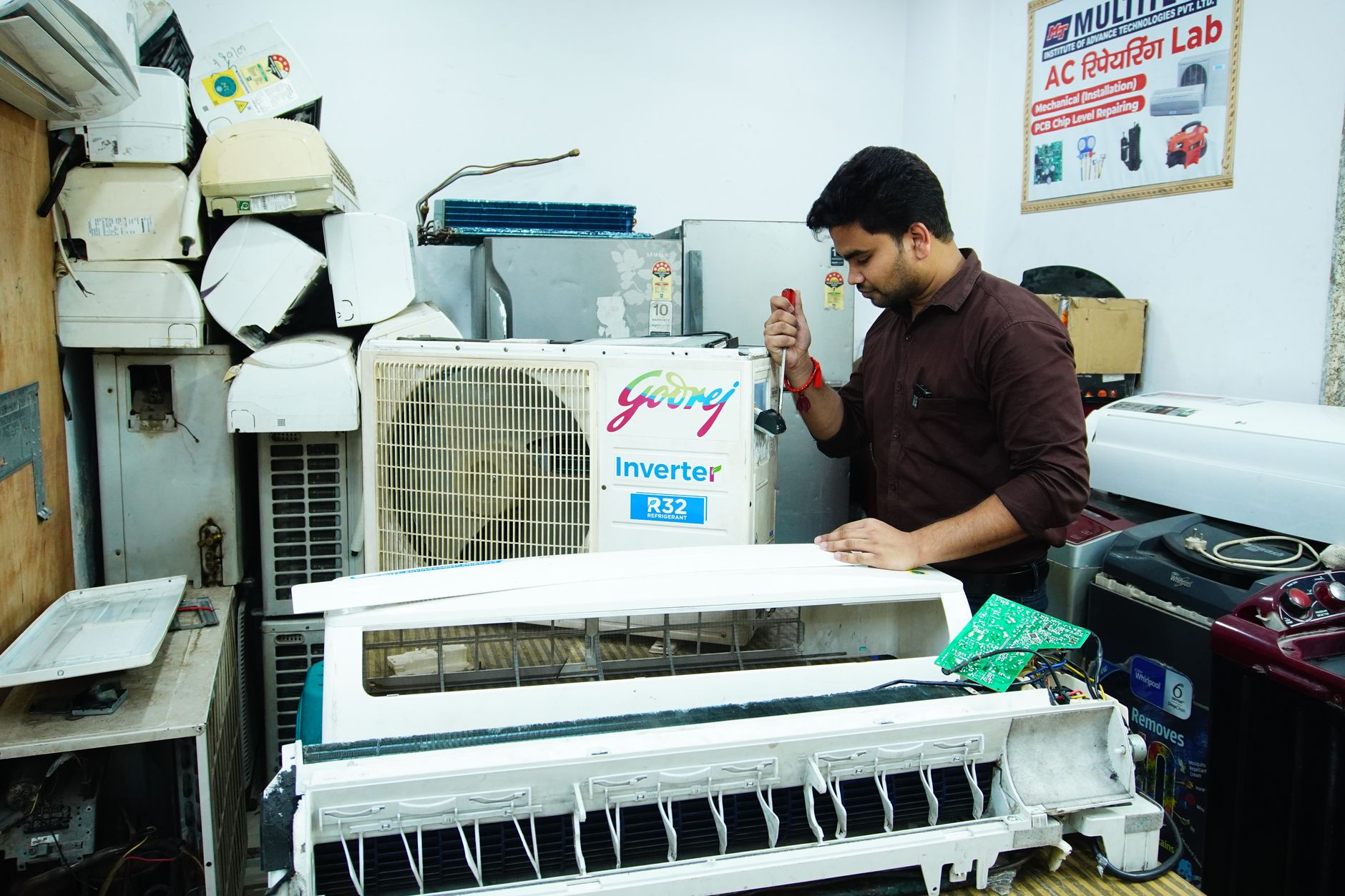
Repair cost only makes sense next to the car’s age, mileage, and general condition. A clean sedan with a solid transmission and a good service record can justify a compressor replacement, while a high-mileage car with multiple leaks and a tired belt system may not.
Whether fixing a bad AC compressor is worth it depends on what else is already open. A compressor change makes more sense when the belt, tensioner, idler pulley, and condenser service can happen together, because labor overlaps and the front-end teardown is already underway.
Small Faults Are Cheaper Than A Locked Unit
A clutch relay, pressure switch, or refrigerant leak can cost far less than a seized compressor and the extra parts that follow it. Rushing past that smaller fault invites metal wear inside the compressor and contamination through the lines.
That contamination matters because compressor debris can circulate through the expansion valve and condenser. Once that happens, a simple AC repair turns into a system flush, a new receiver-drier or accumulator, and a wider parts list that can outgrow the car’s value.
Age And Use Push The Decision
Urban cars that idle in traffic and tow rigs that work hard in hot weather tend to stress the compressor more. So do vehicles with long service intervals, weak belt inspection habits, or a history of refrigerant loss that went unfixed for months.
On the other hand, a well-kept car with a single failing clutch can be a sensible repair. You gain cooling, preserve the belt path, and avoid the chain reaction that starts when the compressor locks under load.
| Situation | Likely Risk | Practical Move |
|---|---|---|
| Weak cooling, no noise | Low engine impact | Check refrigerant level and clutch operation |
| Squeal at AC engagement | Belt slip risk | Inspect belt, tensioner, and pulley alignment |
| Compressor locked | Drive belt failure risk | Stop using AC and inspect the belt path |
| Battery light with AC on | Alternator output loss | Check charging system and belt tension |
That tradeoff explains why the answer to bad AC compressor affect the engine changes with the failure stage. A weak unit stays local; a seized one turns into a front-drive problem that can pull the engine into the story through voltage, steering, and belt load.
A brief stumble here can ripple through voltage, steering, and belt load before the driver notices anything else.
Service Life, Prevention, And The Warning Signs To Catch Early
Many compressors last well beyond 100,000 miles, but climate and use matter a lot. Heat, stop-and-go traffic, and long periods of low refrigerant shorten service life because the compressor runs hotter and sees less oil circulation.
Regular belt checks help more than you might expect. A cracked serpentine belt, glazed ribs, or a tensioner that bounces at idle can turn a marginal compressor into a roadside failure, even though the engine itself still has no internal damage.
Early Checks That Pay Off
Look at the belt during oil changes or tire rotations. A clean belt with even wear tells you the pulleys are tracking well, while dust, edge fraying, or shiny ribs point to a pulley or compressor that is forcing the system to work harder.
Listen with the hood open for three signs: bearing hum, compressor noise, and belt squeal under AC load. That sound pattern is a better warning than waiting for a cold-air complaint, because it tells you the accessory drive is losing margin before a hard failure arrives.
Leak Repair Keeps The Compressor Lighter
Fixing refrigerant leaks matters because low charge starves oil return. The compressor depends on refrigerant movement to carry lubricating oil through the air conditioning system, and a starved unit wears faster under heat.
That is the second mechanism worth knowing: the compressor is not just a pump, it is a lubricated machine that relies on gas flow for oil transport. Starve the circuit, and metal contact rises inside the housing. Keep the charge stable, and you reduce the chance that a bad AC compressor can affect the engine through a belt event later.
Stable charge levels help keep the housing calm and prevent a future belt event from reaching the engine.
Schedule belt and leak checks before summer heat arrives. A small crack in the belt or a slow R-134a loss can stay quiet for months, then show up as a roadside squeal on the hottest day.
What To Remember
A weak compressor usually takes away comfort and a little power, but a seized one can threaten the serpentine belt, charging system, and steering assist before it harms the engine itself. Catch the noise early, shut the AC off at the first belt warning, and you keep the problem inside the accessory drive instead of letting it spread.
FAQ
Will a bad AC compressor affect the engine?
Yes, but usually indirectly. A weak compressor mainly affects cooling and adds a small engine load, while a seized compressor can overload the serpentine belt and disturb alternator or power steering output.
Can I still drive my car if the AC compressor is bad?
Short trips can be fine when the compressor is noisy or cooling weakly and the belt stays quiet. A locked compressor changes the picture fast, because belt slip or breakage can take out charging or steering assist.
What are the symptoms of a bad AC compressor in a car?
Squealing, grinding, rattling, weak cooling, and odd clutch cycling are the main signs. A refrigerant leak usually shows up as poor cabin cooling rather than engine trouble.
What happens if the AC compressor seizes?
The pulley can stop turning smoothly, the belt can squeal or snap, and the tensioner can take a hard hit. In some vehicles, that can also reduce alternator output or power steering assist.
Is it worth fixing a bad AC compressor?
It depends on the car’s age, mileage, and overall condition. A solid vehicle with a minor clutch or leak issue is a stronger candidate than a high-mileage car with multiple front-end repairs pending.