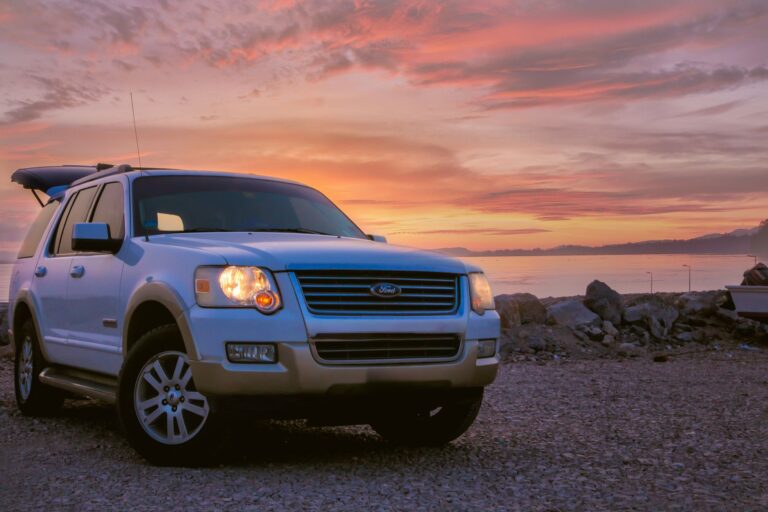
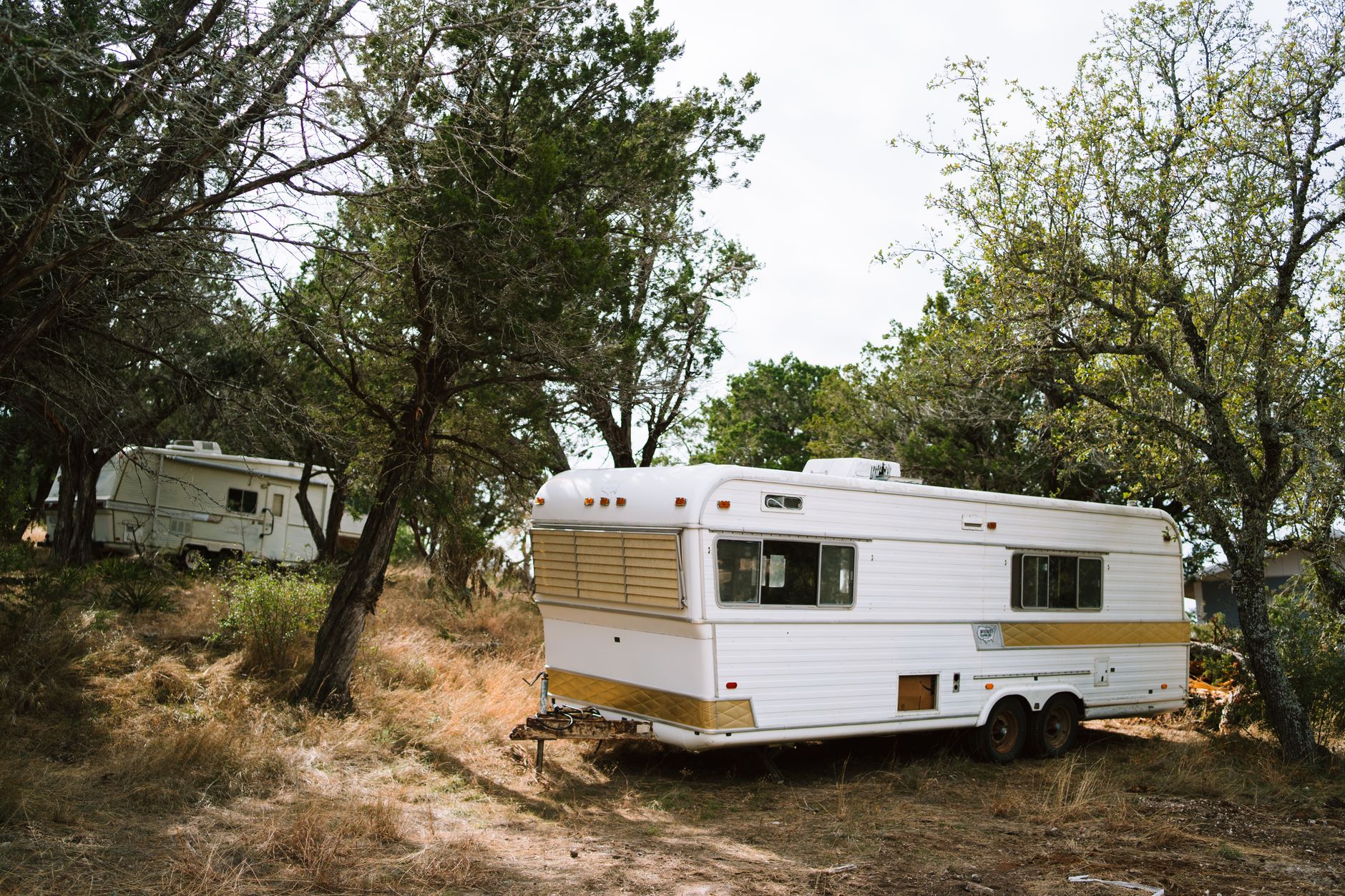

A 5,800-pound trailer can fit many midsize SUVs and half-ton trucks, but the loaded number matters far more than the brochure figure. Water, propane, batteries, and gear can push a “light” camper past the weight you expected.
This overview covers weight math, floor plans that work well, and 12 lightweight travel trailers for couples, small families, and first-time RV buyers.
Why Sub-6000-Pound Trailers Attract So Many Buyers
That lighter hitch load changes the whole towing experience. You can thread through traffic with less strain, reach campsites with fewer routing headaches, and handle fuel stops or tight turns with more confidence.
The tradeoff is real, though, because less mass usually means less storage, smaller tanks, and tighter living space. Even so, travel trailers under 6000 lbs make sense for weekend camping, seasonal trips, and national park travel when you want a simpler tow rig.
Towability Fits More Driveways
Many midsize SUVs and half-ton trucks can pull this weight class, which is why it gets so much attention. The Jeep Grand Cherokee, Ford Expedition, Toyota Sequoia, Chevrolet Tahoe, and half-ton pickups from Ford, Chevrolet, GMC, Ram, and Toyota all belong in that conversation, depending on trim and payload.
A lighter camper also asks less from the brakes, transmission cooling, and wheelbase stability. That does not make towing effortless, but it can make lane changes, hill climbs, and backing into a site feel less demanding than with a heavier box behind you.
Space Tradeoffs Stay Real
Interior room shrinks as weight drops because builders have to save pounds somewhere. That usually means shallower storage, a smaller bath, or shorter tank capacity before they cut sleeping space.
That is why this class usually splits into couples coaches and compact family trailers. The next step is learning which numbers on a spec sheet actually predict how a trailer will behave on the road.
That road feel depends on more than length, which is why a few key numbers deserve a closer look.
The Weight Numbers That Matter Before You Shop
A glossy brochure can hide a lot of real-world weight. Dry weight sounds friendly, but the trailer leaves the lot with propane, a battery, and whatever cargo you load before the hitch drops onto the ball.
GVWR, or gross vehicle weight rating, matters more than dry weight because it sets the upper limit for the trailer itself. If the GVWR sits above 6000 pounds, the rig can still cross that mark long before you fill the cabinets or top off the water tank.
Dry Weight Versus Road-Ready Weight
Dry weight is the factory number with no water, no cargo, and no dealer extras. Road-ready weight is what counts on travel day, and that number rises fast once you add food, bedding, hoses, chairs, and a few gallons of fresh water.
A 5,100-pound dry trailer can land near or above 6,000 pounds after normal use. Forest River and Keystone RV both sell lightweight lines where a slide-out or outdoor kitchen can move the scale more than the marketing photos suggest.
Payload Tongue Weight And Brake Control
Your tow vehicle has to handle more than trailer weight. Payload, hitch weight, and passengers all take space away from the truck or SUV’s own rating, and a 650-pound tongue load can change that math fast.
Brake controller setup matters because trailer brakes need a clean signal and the correct gain. Lippert Components supplies much of the running gear and brake-related hardware under these trailers, so smooth towing depends on the whole system, not just the engine badge.
Check the yellow sticker and the GVWR before you compare floor plans. The dry number can look friendly while the loaded figure quietly moves the trailer out of your target range.
That weight math sets the filter for the models that follow, and it also explains why two trailers that look similar on a lot can feel very different behind your vehicle.
Those differences show up on the spec sheet, and the best examples make the tradeoffs easy to spot.
Twelve Lightweight Models Worth A Close Look
The strongest choices in this class include couples layouts, bunkhouse designs, and compact family floor plans. Airstream, Jayco, Forest River, Keystone RV, Winnebago, and Grand Design all show how much layout design can matter when the scale is tight.
Couples Coaches With Smart Space
- Airstream Flying Cloud 23FB keeps weight controlled while giving you the clean, efficient feel of an aluminum-frame shell and a front bed.
- Grand Design Imagine AIM 16ML uses a compact rear kitchen and open center aisle to make a small footprint feel organized.
- Jayco Jay Flight SLX 154BH stays simple, light, and easy to place behind many SUVs with basic camping needs.
- Winnebago Micro Minnie 2100BH blends a slide-out with a usable galley, which helps you avoid the boxed-in feel of many small campers.
Family Layouts With Real Sleeping Space
- Keystone Bullet Crossfire 1700BH gives you bunks and a compact bath in a package that keeps tow demands reasonable.
- Forest River Rockwood Geo Pro G19FD packs a couples-friendly floor plan with off-grid options for short boondocking stays.
- Grand Design Transcend One 151BH puts the bunkhouse emphasis on sleeping room rather than oversized cabinetry.
- Jayco Jay Feather Micro 171BH works well for a small family that wants a full bed plus bunks without a long box.
Feature-Rich Picks That Stay Light
- Forest River IBEX 20MDS adds rugged materials and outdoor-focused storage for mixed pavement and dirt-road use.
- Keystone Hideout Sport 177RD gives you a rear-dining layout that frees up the center of the cabin.
- Winnebago Hike 100 1316SB uses a compact body and off-road styling to keep weight down while staying adventure-friendly.
- Airstream Basecamp 16 serves travelers who value short length, easy backing, and a shell that tows with less side drag.
Slide-outs, outdoor kitchens, and off-grid packages can add comfort, but they also add pounds. A compact floor plan with a smart pass-through or a clean rear kitchen can outshine a bigger trailer that wastes space on dead corners.
For example, a bunkhouse model with a single slide-out may sleep four or five while still staying within a family SUV’s limits, while a couples coach with a rear bath can feel roomy because it keeps traffic flowing in a straight line. Those design choices matter more than raw length.
Straight-line traffic flow is one clue, but smart layouts prove their worth in everyday family use.
Floorplans That Make This Weight Range Work Harder
A good floor plan squeezes usefulness out of every pound. The best layouts in this class do that by shortening hallways, shifting storage to the exterior, and putting heavy fixtures where the chassis handles them best.
Compact family trailers often keep beds and a dinette while trimming other extras. Couples coaches do the opposite and stretch the living zone with open sightlines, which makes a 22-foot trailer feel less cramped than a poorly arranged 26-footer.
Compact Family Trailers Keep The Beds
Bunkhouse models often give up pantry depth or closet size before they sacrifice sleeping capacity. That is the smart move, since a family with two kids needs beds every night, while extra drawers matter less on a short trip.
Rear-bath and mid-bath designs also free space for sleeping and dining. A short chassis can carry a lot of function when the door, bath, and bunks sit close together and the weight sits over the axles instead of hanging off the tail.
Couples Coaches Feel Bigger Than Their Length
Open center layouts do more than look tidy. They reduce bottlenecks, which is why you can move from kitchen to bed to bath without squeezing past furniture corners every few steps.
A rear kitchen, front bed, or angled bath can create that effect. Airstream uses shell shape and cabinetry discipline well here, while Grand Design and Winnebago lean on slide-outs and cleaner furniture placement to create the same sense of room.
Bunkhouses And Rear Kitchens Use Space Well
Rear kitchens place weight near the back, which helps some floor plans free the center section for walking room. The tradeoff is hitch balance, so tongue weight needs a careful check before you commit.
Bunkhouse layouts work because sleeping space is stacked vertically, not spread horizontally. That simple trick is why a family travel trailer under 6000 lbs can still sleep four, five, or even six without ballooning into a much larger rig.
That same efficiency keeps these trailers surprisingly versatile, especially when towing limits are tight.
Matching A Trailer To An SUV Or Half-Ton Truck

Tow rating tells only part of the story. Payload, tongue weight, wheelbase, braking, and cargo in the tow vehicle all affect how stable the setup feels once you merge onto the highway.
A half-ton truck with a short cab and heavy gear in the bed can run out of payload before it runs out of tow rating. The same goes for an SUV with seven passengers on board, since every person and cooler cuts into the room left for hitch weight.
The Full Towing Equation
Start with the trailer’s GVWR, not the brochure dry number, and then estimate tongue weight at roughly 10 to 15 percent of that loaded figure. That gives you a practical picture of what the hitch has to carry.
Then compare that figure with your vehicle’s payload sticker, not just the big tow number in the sales sheet. A vehicle that tows 7,500 pounds on paper can still feel overloaded with a 900-pound hitch load, passengers, and a bed full of gear.
Wheelbase And Braking Shape Highway Comfort
Longer wheelbase helps resist trailer sway because the tow vehicle has more leverage against the push from behind. That physics shows up fast in crosswinds and when a passing semi pushes air over the trailer sides.
Factory tow packages help, but the brake controller has to be set correctly and the trailer brakes need proper maintenance. A rig with good tongue balance and even tire pressure tracks straighter, which makes a long day feel shorter for you.
A Practical Cross-Check Routine
- Read the trailer GVWR, because that is the number that matters after gear and fluids go in.
- Check your payload sticker, since passengers and hitch weight share the same limit.
- Match tongue weight against the rear axle and suspension limits on the tow vehicle.
- Confirm brake control, wiring, and receiver class before the first trip.
- Leave a buffer for water, bikes, coolers, and a dealer option package.
That process keeps the rig honest, and it works better than chasing a model name alone. Once those numbers line up, the next filter is how well the trailer will hold up after a few seasons of use.
When the math checks out, durability and livability become the real test of a worthwhile buy.
The Smart Buying Filters That Separate Good From Frustrating
Spec sheets can flatter a trailer that feels cramped or wears fast. Build quality, service access, and plain layout sense matter more than a glossy brochure because you live with cabinets, seals, axles, and plumbing long after the first trip.
Steel or aluminum frame construction changes weight and corrosion behavior, but it does not excuse poor fit or awkward storage. You get better results from simple systems, clean wiring, and a layout that keeps water tanks, axles, and tongue weight in balance.
Build Details That Deserve Attention
- Cabinet latches, because loose doors become annoying fast on rough roads.
- Axle rating, since an overworked axle shortens tire life and hurts stability.
- Bath clearance, because a tiny shower can turn a weekend trip into a chore.
- Exterior storage, because awkward gear placement wastes interior floor space.
- Service access, since simple plumbing routes save time during repairs.
Ownership Pain Points That Surface Fast
Weak storage shows up on the second trip, not the showroom floor. So does a dinette that blocks the path to the bath, a bed that leaves no walking room, or a kitchen that forces you to cook with the entry door open.
Overburdened axles and poor weight balance create another headache. The trailer may still sit under 6000 pounds on paper, but a sloppy load path can make it feel busier on rough pavement than a heavier model with better engineering.
Choose the lightest trailer that still fits how you camp, not the lightest one on the lot. A couples coach with a smart bath may serve you better than a bunkhouse with wasted storage, and a family trailer with a single slide-out may beat a cramped ultra-light camper that looks good only in photos.
Those contrasts separate appealing brochures from trailers that actually work for busy families.
Wrap Up
The best pick in this group is the one that matches your tow vehicle, your cargo, and the way you sleep, cook, and store gear. Travel trailers under 6000 lbs give you a broad range of choices, but the right one still comes down to real weight, not brochure weight, and a floor plan that works after the first weekend.
FAQ
What travel trailers are under 6000 lbs?
Many couples models, bunkhouse layouts, and compact family trailers sit in this range, including smaller models from Airstream, Jayco, Forest River, Keystone RV, Winnebago, and Grand Design. The exact weight depends on GVWR, options, and water load, so the yellow sticker matters more than the sales sheet.
What does dry weight mean on a travel trailer?
Dry weight is the factory weight with no water, no cargo, and no dealer-installed extras. It gives you a starting point, but it does not tell you what the trailer will weigh on departure day after propane, a battery, and camping gear go in.
How much towing capacity do I need for a 6000 lb trailer?
You need more than a 6,000-pound tow rating because payload and tongue weight eat into the real limit. A safer match uses the loaded trailer weight, then checks your vehicle’s payload sticker, hitch rating, rear axle load, and brake controller setup.
What is the difference between GVWR and dry weight?
Dry weight shows the trailer with no fluids or cargo. GVWR is the maximum allowed loaded weight, and that number tells you whether the trailer can still stay under 6000 pounds once you pack for a trip.
Are lightweight travel trailers good for family camping?
Yes, as long as you focus on floor plan efficiency and not just bed count. Bunkhouse layouts, compact dinettes, and smart storage can serve a family well, though you may give up tank size, closet space, or a larger bath.
What features matter most in an under-6000-lb travel trailer?
Payload-friendly weight, sensible tongue balance, storage that matches your gear, and a layout that keeps traffic moving inside matter most. Slide-outs, outdoor kitchens, and off-grid packages help only when they do not push the trailer past your vehicle’s limits.