
miles on a Hertz rental are set by the rental contract, not just the price shown online. Many standard leisure bookings include unlimited mileage, but one-way trips, specialty cars, and business rentals can still impose a cap that changes the total fast.
Here’s a clear look at Hertz mileage limits, where unlimited mileage rental cars fit, and how the rental agreement decides what you can drive before fees appear.
The Mileage Rule In The Contract
The odometer does not care about the advertised price; the contract does. Hertz spells out mileage terms in the agreement, and that document controls the daily allowance, the cap on rentals, and any extra mileage charge.
Many Hertz rentals for standard leisure use come with unlimited mileage, but that pattern does not apply everywhere. Airport inventory, vehicle class, and trip type can all change the rule, so the exact number of miles allowed can’t be guessed from Hertz alone.
That detail matters because a base rate can look simple while the contract tells a different story. Enterprise Rent-A-Car, Avis, Budget, Dollar, and Thrifty use similar contract-based structures in parts of their fleets, and Hertz follows the same logic here.
The contract controls the road
A rental contract matters because it binds the price, the vehicle, and the distance terms together. Hertz rental agreement language can treat a compact sedan very differently from a luxury coupe, even on the same date.
That separation exists because the rental company prices wear, resale value, and demand by vehicle class. A standard midsize car can be priced for broad leisure use, while a specialty model may get a tighter mileage cap on rentals to limit long-haul exposure.
Why the base rate can mislead
An advertised base rate often covers only time and vehicle access, not every trip pattern. That’s why two cars with the same daily price can carry different mileage policy language once the rental contract appears.
AAA and Costco Travel booking paths can change the rate structure you see, yet the final mileage terms still come from the Hertz rental agreement. The number on the quote matters less than the line that states mileage, excess mileage, and vehicle class.
That fine print is where the usual unlimited cases start to appear, especially for standard personal rentals.
Where Unlimited Mileage Usually Applies
That contract language becomes most useful on standard leisure rentals. Airport vacations, weekend city trips, and ordinary vacation driving often fit unlimited mileage rental cars because the company can price that use into the daily rate.
That doesn’t mean every unlimited mileage rental car behaves the same. The contract still sets the vehicle class, the pickup city, and any geographic limits, so the word unlimited can sit beside other restrictions without contradiction.
For a long road trip, that setup can be a clean fit. You can cross state lines, add sightseeing miles, and avoid watching the odometer every ten minutes, as long as the agreement actually says unlimited.
Long trips fit better when miles are not capped
A 900-mile vacation run is easy to price when the rental has no distance cap. The cost stays tied to time, fuel, and insurance coverage choices rather than a per-mile penalty.
That’s why a coast-to-coast plan, a family move, or a college visit can favor a vehicle with no distance limit. You get more control over your total spend, and the trip distance stops dictating the bill.
The fine print still sets the boundary
Unlimited mileage doesn’t erase every rule. Some rentals still restrict off-road use, towing, or travel across borders, and those clauses sit beside the mileage language in the same rental contract.
A clean reading of the agreement keeps the trip predictable. The odometer can keep climbing, but the contract can still block certain uses, which is why the paper matters as much as the car.
Yet certain bookings still carry limits, often depending on location, vehicle type, or special rental terms.
When Hertz Mileage Caps Show Up
That flexibility breaks down first on one-way rentals, specialty cars, and luxury vehicles. Those rentals carry higher vehicle cost or higher resale sensitivity, so a mileage cap on rentals helps the company control exposure.
Location, vehicle type, and rental purpose all shape the final rule. A corporate rate in one city can look different from a weekend leisure booking in another city, and a long-term rental may use its own mileage structure entirely.
That mix explains why two Hertz rentals can feel similar at pickup and still behave differently by the time you leave town. The mileage cap on rentals isn’t a brand-wide constant; it’s a contract term tied to the exact reservation.
One-way routes and specialty cars change the math
One-way rentals often carry tighter rules because the vehicle leaves one market and re-enters another. The company has less control over where the car ends up, so the distance allowance can shrink or disappear.
Specialty cars and luxury models add another layer. A high-value coupe or premium SUV can cost more to move, insure, and resell, so the mileage policy may include limits that don’t show up on a standard sedan booking.
Business and long-term rentals use different structures
Business rentals can be tied to corporate rate contracts that set their own mileage structure. Long-term rentals may also shift from a simple daily rule to a monthly distance allowance, and commercial use can trigger still another set of terms.
That’s where a quick look at the confirmation email isn’t enough. The pickup counter, the reservation page, and the final Hertz rental agreement all need to match before you rely on the miles on a Hertz rental for a work route or a month-long assignment.
Location and vehicle class drive the result
An airport location with high vacation traffic may lean toward a friendlier distance setup for standard sedans. A downtown branch with specialty inventory can use more limits, because the fleet mix and customer use are different.
Vehicle class matters because a compact, a minivan, and a luxury SUV do not face the same wear pattern. That’s the logic behind the rule, and it’s why the same brand can quote two different mileage terms within the same zip code.
Once those limits kick in, the overage can turn a long drive into a costly extra charge.
What Happens After You Cross The Limit
Once the contract sets a cap, extra miles usually trigger an excess mileage charge. Hertz adds that charge on top of the base rental, so a cheap-looking booking can end up far more expensive after the odometer crosses the line.
Hertz fees and charges can stack in ways that surprise you. A mileage overage may sit beside refueling charges, tolls, young driver fee items, or a deposit hold, which makes the final total look much larger than the quoted rate.
A $300 bill doesn’t always mean the mileage penalty alone hit that amount. It can reflect a mix of penalties, deposits that later post as charges, toll handling, or other contract-based costs that came from the rental agreement rather than the drive itself.
Extra mileage charges add up fast
An excess mileage charge is simple in shape but painful in practice. Each mile over the cap gets priced separately, so a short overshoot can snowball on a long work trip or an unplanned detour.
The speed of that growth is easy to miss. A driver who crosses the limit by 200 miles may face a much larger bill than expected because the per-mile fee attaches to every extra mile, not just the total trip.
Check the return estimate before you hand over the keys. A quick odometer comparison with the contract limit can save you from a surprise charge later.
Why the final bill can look inflated
A rental receipt bundles several items into one total. Taxes, location fees, fuel service, tolls, insurance coverage choices, and mileage penalties can sit on the same invoice, so the number at the bottom hides the source of each cost.
That bundling matters because a single $300 figure can come from different parts of the contract. The mileage cap may be only one piece, while the rest comes from fees tied to the rental class or the pickup location.
Route length and car choice then become practical decisions, because each class carries its own tradeoffs.
Trip Length And Vehicle Choice In Practice
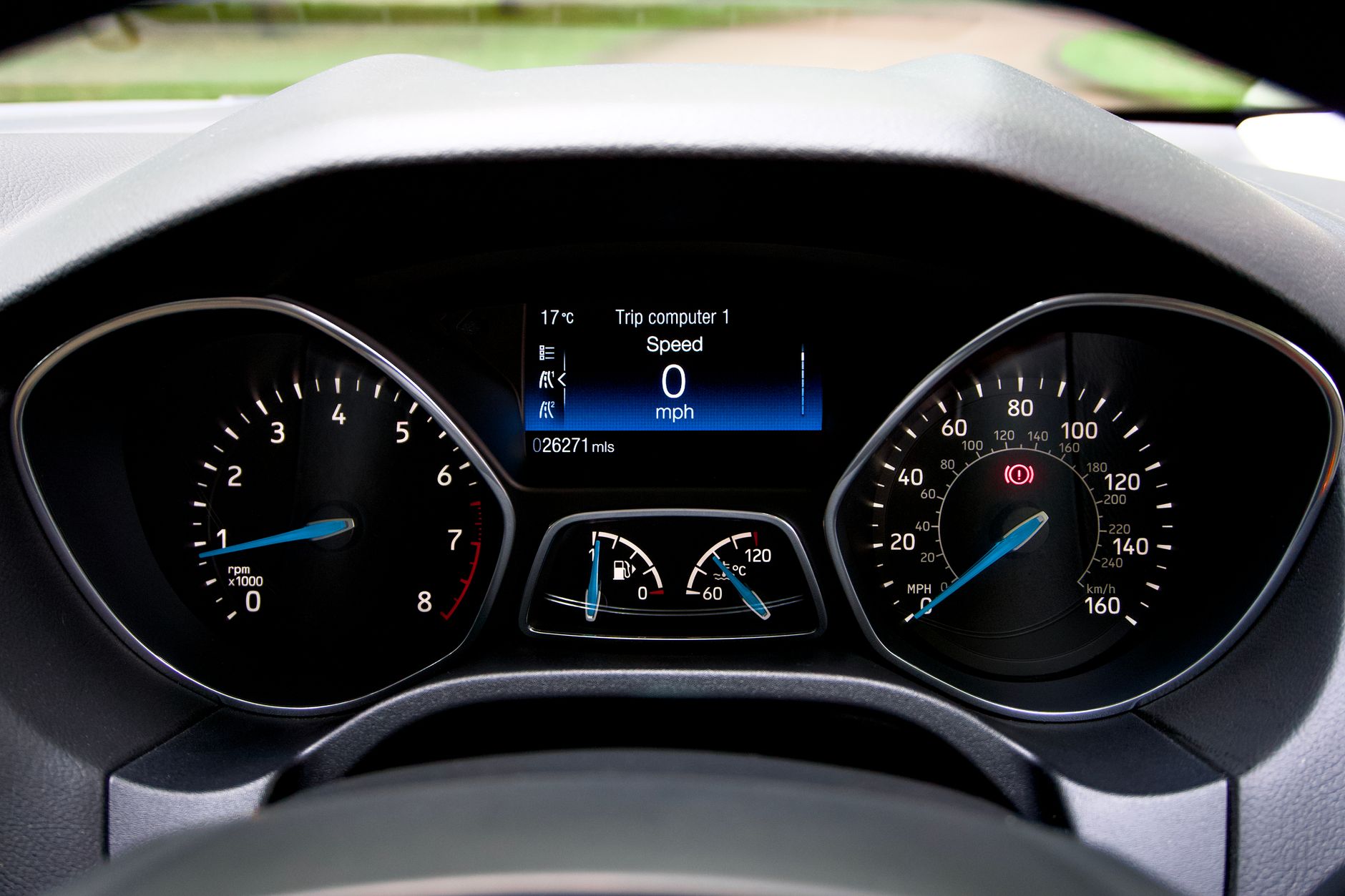
A 500-mile trip fits cleanly into some Hertz rentals and blows past the limit on others. The deciding factor isn’t the number itself, but the contract language attached to the car you booked.
At 2,000 miles, the gap becomes harder to ignore. A compact leisure rental with unlimited mileage can handle the run, while a capped one-way or specialty booking can turn the same route into a costly mistake.
Short local rentals and long-distance itineraries don’t deserve the same vehicle choice. The right car for a quick airport loop may be very wrong for a cross-country move, and that difference shows up in the mileage policy long before the fuel gauge matters.
| Trip type | Distance example | Mileage policy fit |
|---|---|---|
| Local errand run | 50 to 100 miles | A capped car can work cleanly. |
| Weekend getaway | 500 miles | Unlimited mileage rental cars fit better. |
| Road trip | 2,000 miles | Choose no cap or a stated high allowance. |
| One-way move | 500 to 1,500 miles | Read the contract closely before booking. |
Short local rentals stay simple
A grocery run, a day visit, or an airport pickup usually stays well inside a basic allowance. The distance risk is low, so the contract matters less than the pickup time and fuel level.
That simplicity can hide the real issue, though. A local rental looks safe until the route grows, and then the miles on a Hertz rental start to matter in a way the original plan didn’t expect.
Long routes need a better fit
Long itineraries are where the contract earns its keep. A rental with unlimited mileage or a clearly stated cap gives you a cleaner budget than a vague quote that never mentions distance.
That’s also where customer service can help before pickup, not after the bill lands. A direct call or counter check can confirm whether your route fits the car class you chose.
A little advance checking can prevent surprises, especially when the reservation details are still flexible.
Booking With The Mileage Policy In Mind
Confirm the mileage rule before booking, especially for one-way trips and long drives. Hertz rental agreement terms are the final source of truth, not the search result, the car photo, or the base price on the quote page.
That habit takes only a few minutes and can save real money. A reservation that looks fine for 300 miles can turn into the wrong choice at 1,200 miles, especially with a luxury car or commercial booking.
A simple checklist keeps the decision clean. You want the exact mileage cap, the excess mileage charge, the vehicle class, and the line that says whether the car has unlimited mileage or not.
Verify these four points before pickup
- Unlimited miles Check whether the agreement says no mileage cap or names a limit.
- Mileage cap Look for the daily or total distance allowance in writing.
- Extra charge Find the per-mile fee that applies after the cap.
- Vehicle class Match the car type to your trip distance and purpose.
Those four items tell you more than the advertised rate ever will. Once you see them together, the miles on a Hertz rental become a simple planning problem instead of a surprise charge at return time.
With the policy confirmed, the remaining task is simply matching your trip to the right allowance.
What To Remember
Hertz mileage rules live in the contract, not in the headline price. Standard leisure rentals often fit long drives well, but one-way, specialty, luxury, business, and commercial rentals can carry tighter limits, so your best move is to read the paper before the odometer starts climbing.
FAQ
How many miles can you put on a Hertz rental?
The number depends on the rental agreement. Many standard rentals allow unlimited mileage, while other vehicles use a capped mileage policy with an excess mileage charge after the limit.
Does Hertz offer unlimited mileage?
Yes, many standard leisure rentals include unlimited mileage. The exact rule still depends on the vehicle class, location, and rental purpose, so the agreement is the only place that settles it.
Can you drive 500 miles in a rental car?
Yes, 500 miles is fine on many Hertz rentals, especially ones with unlimited mileage. A capped rental can still make 500 miles expensive, so the contract decides the real answer.
Can you drive 2,000 miles in a rental car?
A 2,000-mile trip works well only when the rental has unlimited mileage or a high stated cap. A one-way or specialty booking can turn that distance into a large extra charge.
Why did Hertz charge me an extra fee?
The charge may come from mileage overages, tolls, fuel service, taxes, a young driver fee, or a deposit adjustment. The receipt and rental agreement show which line created the bill.