
Your factory speakers can start sounding flat long before the rest of the car feels old. This roundup focuses on 6×9 door speakers that make sense for daily commuting, weekend road trips, and simple replacement jobs where you want clearer vocals, firmer midbass, and less strain from the stock head unit.
You’ll find easy upgrades here, along with a few stronger step-up options for systems that need more headroom. The point is to help you match speaker design, power handling, and install fit to the way you actually drive.
Quick Look At The Shortlist

PIONEER F-Series TS-F6935R 6″ x 9″ 3-Way Car Speakers 230W Max

BOSS Audio Systems BRS69 6×9 Inch Replacement Car Door Speaker
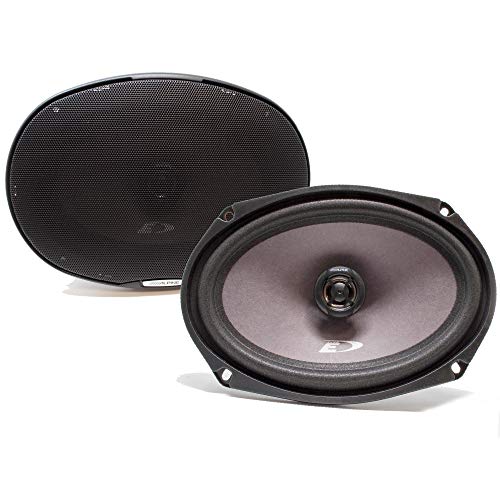
Alpine SXE-6926S 6×9 2-Way Coaxial Speakers
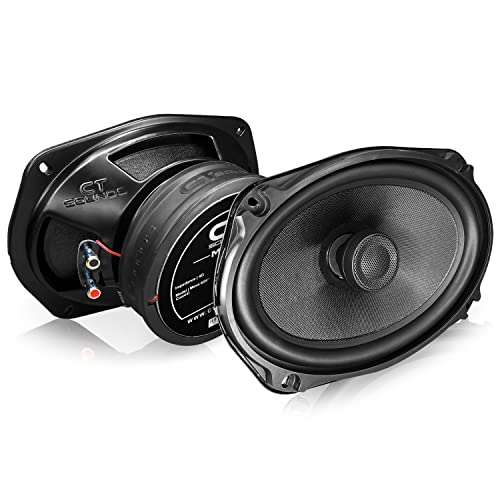
CT Sounds Meso 6×9″ 400 Watt 2-Way Premium Coaxial Car Speakers

BOSS Audio Systems CH6930B 6 x 9 Car Speakers, 400 Watts Per Pair

Pioneer A-Series Standard TS-A6961F 6″ x 9″ 4-Way Coaxial Speakers 450W Max

Pioneer A-Series Plus TS-A6971F 6″ x 9″ 4-Way Coaxial Car Speakers 600W Max
More Details On Our Top Picks
Factory systems often feel thin in the upper mids, and this Pioneer set is aimed at smoothing that out without turning the install into a project. A 3-way coaxial speaker uses separate drivers for different frequency ranges, so your vocals and treble have a clearer lane to travel in, which suits a daily driver with a standard head unit.
The trade-off is that this is still a straightforward upgrade, not a heavy-bass statement piece. For commuters who want a cleaner, more balanced sound in stock door locations, it makes a lot of sense, and the lighter tuning will feel more natural than some louder aftermarket sets.
Strong Points
- 3-way layout helps separate highs and mids more cleanly than a basic full-range replacement.
- 230W max power gives you a sensible ceiling for a stock-style audio refresh.
- The balanced tuning suits talk radio, podcasts, and mixed playlists during long commutes.
- It’s a sensible match for OEM power, so you don’t need to chase a large amp right away.
Things To Consider
- Listeners chasing deep cabin-shaking bass will want a larger system, not just new door speakers.
- Because it’s tuned for balance, the sound may feel polite in very noisy trucks or open-cab setups.
Feature Snapshot
Who It Suits Best
Commuters and casual listeners who want an easy factory-speaker replacement in a normal daily driver will get the most from this set.
Where A Sibling Pick Shines
Pioneer A-Series Standard TS-A6961F is the better fit for you if you want included installation adaptors and a more feature-heavy upgrade path.
Some door-speaker upgrades are about keeping things simple, and this BOSS set sits squarely in that lane. The 6 x 9 size makes it a natural replacement for many cars that already use that opening, so the main value is a straightforward refresh rather than a major system rethink.
Compared with Pioneer’s F-Series above, this pick leans more basic and less ambitious, which can be a good thing for a second car or a budget-minded repair. You may find it especially appealing for a worn-out factory speaker that just needs to get the cabin sounding alive again.
Upsides
- Simple 6 x 9 replacement format makes it easy to match many factory door locations.
- The design keeps the focus on a clean swap instead of extra setup work.
- Good fit for everyday driving where you mainly want clearer audio than aged stock speakers provide.
Room For Improvement
- It’s a plain replacement-style option, so it won’t satisfy listeners who want a richer, more layered sound.
- Because the source details are sparse, you’ll want to confirm compatibility with your vehicle before ordering.
Core Details
Who Should Grab It
Drivers who want a basic replacement for tired door speakers, especially in an older commuter car, are the best match here.
Look Elsewhere When
Alpine SXE-6926S is the better fit for you if you want a more clearly defined two-way sound and a touch more audio polish.
Alpine takes a more focused route here, using a 2-way coaxial layout, which means the speaker divides sound between two main driver sections rather than crowding the frame with extra layers. That usually suits you if you want cleaner detail without turning the upgrade into a full audio build.
The listed power range is modest, with 45 watts RMS and 280 watts max peak, so this set fits neatly into a system that values control over sheer output. Compared with the BOSS BRS69, it feels like the more polished option for someone who listens to podcasts, classic rock, or steady daily playlists.
Highlights
- 2-way coaxial design keeps the setup straightforward while still aiming for cleaner separation than a barebones replacement.
- The 45-watt RMS rating gives you a practical point of reference for matched amplification.
- Its power envelope works well in a car that spends most of its time on normal street driving.
Points To Note
- The source details center on power, so you’ll still want to check mounting fit and vehicle compatibility carefully.
- Listeners who want stronger low-end punch may prefer a model with a fuller output profile.
Details At A Glance
Made For
You’ll get the most from this set in a commuter car or weekend vehicle where cleaner sound matters more than loudness.
A Better Fit Elsewhere
CT Sounds Meso 6×9″ 400 Watt 2-Way Premium Coaxial Car Speakers is the better match for you if you’re building toward a stronger amplifier-led setup.
This CT Sounds pair is aimed at drivers who want the door-speaker stage to carry a little more weight. The 400-watt figure signals more headroom than the Pioneer F-Series or Alpine set above, so it fits better in a system that may eventually see an external amp.
The premium coaxial label matters because coaxial speakers mount the drivers in one frame, which keeps installation less complicated than a separate component setup. For a street car that gets regular use and still needs some punch, it lands in a practical middle ground, though the tuning lean will matter more once your source and amp are chosen.
Best Bits
- 400-watt handling gives you more room for a stronger audio chain.
- The 2-way coaxial layout keeps the install path simpler than a split component setup.
- It suits drivers who want the front doors to carry more energy without moving into oversized gear.
- Compared with the BOSS BRS69, this option is better aligned with a more serious upgrade plan.
Areas To Watch
- Higher output potential only helps when the rest of the system can support it.
- The tighter focus on power means your installation and tuning choices matter more than with a simple stock replacement.
- Dust and road grime can build up around door-mounted speakers, so routine interior care still matters.
Spec Overview
Built With In Mind
Drivers planning an amplified system, or anyone who wants the front doors to sound more energetic than a basic replacement, are the best fit here.
Skip It When
Alpine SXE-6926S makes more sense for you if your main goal is a cleaner, lower-key upgrade for modest power levels.
Three-way coaxial speakers give you another step up in driver separation, and that’s the main hook here. Compared with the BOSS BRS69, this CH6930B set is the more ambitious choice for a door swap that still stays within a familiar 6 x 9 footprint.
The 400 watts per pair figure points toward more room for volume and system matching, which can matter in cars with noisier cabins or drivers who keep the music up during highway runs. The honest read is that you’re still shopping a mainstream coaxial set, so it’s about useful improvement, not a dramatic audio overhaul.
Plus Points
- 3-way design gives the speaker more room to separate the sound across different ranges.
- 400 watts per pair offers a stronger ceiling than the simpler BRS69.
- The 6 x 9 format keeps it in the common replacement lane for many door panels.
Softer Spots
- Better output still depends on the rest of your audio chain being up to the task.
- It may feel a little too lively for anyone who wants only a mild stock-like refresh.
Quick Facts
Whose Shelf It Belongs On
This is a good fit for drivers who want a stronger everyday upgrade and expect the front doors to do more than basic stock duty.
Reach For A Different Pick When
Pioneer A-Series Standard TS-A6961F is the better fit for you if included installation adaptors matter more than sheer output language.
This Pioneer set feels designed for the person who wants a cleaner upgrade path without making the install messy. The included installation adaptors are the real convenience story here, and that matters in a door job where a cleaner fit can save time and frustration.
Compared with the F-Series model earlier in the list, the TS-A6961F adds a 4-way layout and a higher 450W max figure, so it reads as the more feature-heavy pick. In a regular family car or commuter sedan, that extra flexibility can be handy, though you still want to verify your mounting space before assuming a drop-in job.
Reasons To Buy
- 4-way coaxial design spreads the sound duties across more driver sections.
- 450W max gives you more ceiling than the F-Series Pioneer above.
- Included adaptors can make installation smoother in many factory-style door setups.
- It’s a strong match for someone who wants a cleaner upgrade without jumping into a full component system.
Small Caveats
- The wider feature set may be more than you need for a very simple stock refresh.
- Installation adaptors help, but you still need to confirm the exact vehicle fit.
At A Glance
The Right Fit
You’ll appreciate this most in a daily driver where you want better sound and a smoother install path in the same package.
Swap It Out When
PIONEER F-Series TS-F6935R is the better fit for you if you want a simpler, lower-key factory replacement.
The A-Series Plus pushes farther than the Standard version, and that extra ceiling is the headline for anyone planning a stronger build. A 600W max rating gives you more room for future system growth, so it suits the driver who knows the door speakers are only one part of the plan.
Like the TS-A6961F, it uses a 4-way coaxial layout and includes the same kind of installation-friendly approach, but this one is the more assertive step. For cars that spend a lot of time on the highway, or for a system that already leans on an amplifier, that extra headroom can be useful without moving into a more complicated speaker style.
Bright Spots
- 600W max leaves the most headroom in this roundup.
- 4-way coaxial design gives the speaker more layers to work with.
- It makes sense for a more serious audio path than a bare replacement job.
- Compared with the Standard TS-A6961F, it gives you a stronger ceiling to grow into.
Honest Caveats
- The stronger spec sheet only pays off when the rest of the setup can match it.
- For a quick no-thought replacement, this may be more than you need.
Feature Card
Who Will Love This
Drivers building a stronger system around their door speakers, especially with amplifier support, are the natural match here.
Another Choice May Suit
Pioneer A-Series Standard TS-A6961F is the better fit for you if you want the more restrained route with included adaptors and less output overhead.
How To Choose The Right 6×9 Door Speakers
Start With The Factory Opening
Door speakers live or die on fit, not just sound. A 6 x 9 frame needs the right mounting depth, hole pattern, and grille clearance, especially in older cars where the door card sits close to the speaker basket.
That’s why a direct replacement like the BOSS BRS69 makes sense for simple swaps, while the Pioneer A-Series Standard can be more appealing when included adaptors reduce fitment guesswork. A clean physical fit usually matters more than a louder spec sheet on paper.
Match Power To Your Head Unit
Power handling tells you how much electrical input the speaker can tolerate, but the practical question is how your car stereo drives it. A modest head unit often pairs well with balanced options like the Pioneer F-Series or Alpine SXE-6926S, while amp-fed systems can make better use of CT Sounds Meso or the Pioneer A-Series Plus.
RMS, or continuous power, is the steadier number to watch, while max power is the short burst figure. Think of RMS as the long-distance pace and max power as the sprint, which keeps expectations grounded when you compare listings.
Choose The Sound Shape You Want
Coaxial speakers place multiple drivers in one frame, which keeps installation simpler and works well in doors. Two-way models are usually the cleanest place to start, 3-way sets can add more separation, and 4-way speakers often aim for a fuller presentation with more detail layers.
For podcasts, talk radio, and everyday commuting, a balanced 2-way or 3-way set can sound more natural than a louder tune. For highway driving or a car that already has extra amplification, a 4-way design may feel more complete.
Think About The Vehicle, Not Just The Speaker
Cabin noise, door insulation, and the shape of the mounting cavity change the final result just as much as the product page does. A truck with road noise needs a different balance than a quiet sedan, and a family car used for school runs usually benefits from smooth mids over harsh brightness.
That’s why the Pioneer F-Series suits many stock systems so well, while the Pioneer A-Series Plus makes more sense for a stronger audio plan. The right choice is the one that fits your car’s space and your listening habits together.
What To Weigh Before You Commit
Common Shopping Slip Ups
The biggest mistake is treating every 6 x 9 speaker like a direct fit without checking the mounting depth and door clearance. Another common miss is focusing only on max power while ignoring how the speaker will behave with your current head unit.
You can avoid both problems by matching the speaker style to the car, not just the opening size. Alpine SXE-6926S and the Pioneer F-Series are safer starting points for a simple refresh, while louder sets make more sense once the rest of the system is ready.
What The Higher Tier Buys
More expensive options usually bring stronger materials, extra driver sections, or installation aids like adaptors. In this list, the Pioneer A-Series models and CT Sounds Meso ask more of your budget because they give you more room to build around them.
That upgrade only pays off when your car can use it. For a basic commuter that only needs clearer voice playback, a simpler set often feels smarter than paying for output you’ll never hear clearly.
Frequently Asked Questions
Are 6×9 door speakers hard to replace?
Many vehicles make the job fairly direct, but the door shape and mounting depth still matter. A speaker that matches the factory opening saves a lot of frustration.
Do coaxial speakers work well for daily driving?
Yes, coaxial designs fit daily use well because they keep the install simpler. They also suit stock radios and modest upgrades without much fuss.
What’s the difference between 2-way and 4-way speakers?
2-way speakers split sound into two main driver sections, while 4-way models divide it across more sections. More layers can help detail, though the rest of the system still shapes the final result.
Do you need an amplifier for 6×9 speakers?
Not always, because many 6×9 speakers work fine from a standard head unit. An amp helps more when you want higher output or a fuller sound stage.
Which pick is easiest for a basic factory upgrade?
The PIONEER F-Series TS-F6935R and BOSS Audio Systems BRS69 are the easiest places to start. They suit drivers who want clearer sound without turning the door panels into a project.