
You want fuller sound from your car doors without turning the cabin into a project. That usually means picking 6×9 speakers that match your head unit, your amp power, and how much treble sparkle you actually like.
This roundup keeps the focus on real use: daily commuting, long highway runs, and older vehicles that need a cleaner upgrade. You’ll see where each model fits, what it gives up, and which one makes sense for your setup.
The Shortlist At A Glance
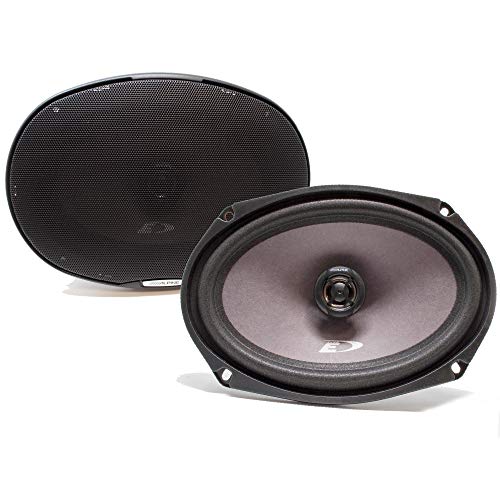
Alpine SXE-6926S 6×9 2-Way Coaxial Speakers (Pair)

BOSS Audio Systems CH6930B 6 x 9 Car Speakers 3 Way

Audio Midrange Loudspeakers MB-M694 6×9 1000W Max 4 Ohms

DS18 S69 Select 6×9 3-Way Coaxial Speaker 240 Watts 4-Ohm
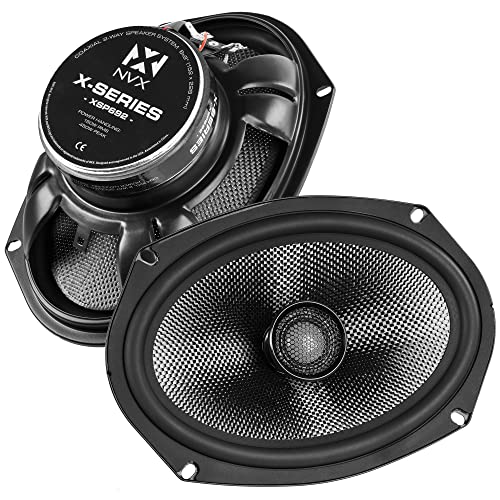
NVX 2-Way Coaxial 6×9 Car Speakers Pair 600W Max 300W RMS
Alphasonik AS29 Loudspeakers 1 Pair of 6X9 500W Max 3-Way Speakers
PRV AUDIO 6×9 Coaxial Car Audio Speaker 2X 69CX380-4
More Details On Our Top Picks
Alpine keeps this pair focused on balance, which makes it a sensible step up for a daily driver that needs cleaner door sound without getting fussy. The 45-watt RMS figure points to a setup that plays nicely with modest power, while the 280-watt peak number gives you some breathing room for brief bursts.
Compared with the more aggressive picks lower down, this one should suit you better when you want smoother listening over long commutes. It’s a straightforward coaxial layout, so installation tends to stay simple in a factory replacement slot, though the trade-off is less drama than a big-output system.
Strong Points
- 45-watt RMS rating suits everyday listening.
- 280-watt peak headroom leaves room for lively tracks.
- Coaxial format keeps the install path simple.
- Good fit for stock-style door upgrades.
Points To Note
- It leans more toward balance than hard-hitting output.
- Sound quality gains still depend on your source and amp.
Feature Snapshot
Who It Suits Best
Daily commuters and casual listeners who want cleaner door sound from a factory-style upgrade will get the most from this pair.
Where A Sibling Pick Shines
NVX 2-Way Coaxial 6×9 Car Speakers Pair 600W Max 300W RMS makes more sense for you when you plan a more power-hungry setup and want stronger speaker-side headroom.
This BOSS pair shifts the focus toward a three-way layout, which means the speaker handles more of the audio range inside a single basket. That usually helps in a plain door replacement, especially for drivers who want fuller sound without stepping into a more complex component setup.
It sits a little more forcefully than the Alpine above, though the honest read is that this kind of speaker tends to matter most when the rest of the system is already decent. You may find it especially useful in an older sedan or pickup where the goal is simply to restore presence and widen the soundstage a bit.
What We Like
- Three-way layout can spread the audio load more evenly.
- Pair format suits common left-right replacements.
- Easy fit for straightforward cabin upgrades.
- Works well as a practical step beyond worn factory speakers.
Minor Gripes
- More output still depends on the rest of the chain.
- Three-way designs can feel a bit busy in basic systems.
- Door rattle control may matter more with stronger bass-heavy tracks.
Core Details
Right Fit For
Drivers replacing tired factory speakers in a commuter car or work truck will appreciate the simple upgrade path here.
Another Choice May Suit
Alpine SXE-6926S 6×9 2-Way Coaxial Speakers (Pair) fits better for you when smoother, less busy sound matters more than extra layering.
MB-M694 leans hard into midrange energy, so it suits you when vocals, guitars, and road-noise cut-through matter more than polite balance. The 4-ohm load is the part to watch, since that impedance level affects how your amp or head unit sees the speaker.
Compared with the smoother Alpine and BOSS picks, this one looks aimed at louder, more forward installs. It can make sense in a truck or custom door build, though it’s not the softest choice for people who mostly want relaxed background music on long drives.
Highlights
- Midrange-first tuning suits voice-heavy playback.
- 4-ohm load is common in many car audio setups.
- Higher max figure hints at strong headroom in the right system.
- Good match for louder cabin goals.
Worth Noting
- Midrange emphasis can feel forward on bright recordings.
- You’ll want the rest of the system set up well around it.
- More output can reveal trim and door-panel buzz.
Spec Overview
Built With In Mind
You get the most value from this pair in louder custom builds, especially in trucks or doors that need more presence than stock gear can give.
Skip It When
DS18 S69 Select 6×9 3-Way Coaxial Speaker 240 Watts 4-Ohm is the calmer route for you when you want an easier OEM-style change with less push.
This DS18 pair reads like a practical factory replacement with a little more attitude, thanks to the 3-way layout and included grill. That grill matters for real ownership because it can help protect the face of the speaker in doors or rear decks where shoes, bags, and loose cargo sometimes get close.
Compared with the midrange-heavy mobiator set, it should feel easier to live with in a normal street system. The 4-ohm rating makes matching simpler for a lot of common car audio gear, and the OEM-upgrade angle fits you well when the goal is cleaner sound without a complicated install.
Best Bits
- Included grill adds practical protection.
- Three-way layout gives the speaker more room to separate duties.
- 4-ohm rating works with many standard systems.
- Good choice for a tidy replacement project.
Areas To Watch
- It’s built more for fit-friendly upgrading than raw output.
- Grills can add a little bulk in tight spaces.
Details At A Glance
Made For
Drivers doing an OEM-style swap in sedans, coupes, or SUVs will find the fit-first approach useful.
A Better Fit Elsewhere
PRV AUDIO 6×9 Coaxial Car Audio Speaker 2X 69CX380-4 fits you better when you’re chasing a more custom, pro-audio-leaning system.
NVX goes further on refinement than the simpler coaxial picks above, mainly because the silk dome tweeter and built-in crossovers shape the top end with more control. A silk dome is a soft tweeter material, and that usually helps highs feel less sharp in the cabin.
That extra hardware makes this pair a strong fit for you when you care about detail and want the speakers to behave a little more like a polished system part than a basic replacement. The trade-off is a more involved design, so it suits a setup where you actually plan to keep the rest of the chain in decent shape.
Upsides
- Silk dome tweeters can sound smoother up top.
- Built-in crossovers help divide the signal more cleanly.
- 300-watt RMS rating suggests serious steady power handling.
- Good match for detailed listening in cars, trucks, or doors.
Small Caveats
- Crossovers add another part to account for during installation.
- It makes the most sense in a system that can show the detail.
Technical Sheet
Whose Shelf It Belongs On
Detail-minded drivers who want a cleaner top end and plan to match the speakers with a decent source or amp will get the most from this pair.
Look Elsewhere When
Alpine SXE-6926S 6×9 2-Way Coaxial Speakers (Pair) is the calmer fit for you when you want a simpler everyday upgrade with less system fuss.
Alphasonik’s AS29 leans into a stronger 3-way layout, so it suits truck and SUV owners who want more forward sound from a door or rear-deck swap. The 500-watt max figure and 4-ohm rating point to a setup that wants some care with matching, which is normal for higher-output car audio parts.
Compared with the DS18 option, this one looks a touch more power-focused and a little less about neat OEM blending. That can be a good thing in a louder cabin, though it also means you should expect installation and tuning to matter more than they do with the gentler Alpine pair.
Reasons To Buy
- 3-way layout can help with fuller cabin coverage.
- 500-watt max rating leaves room for a more assertive setup.
- 4-ohm impedance stays friendly to many car audio systems.
- Well suited to bigger vehicles with more cabin space.
Room For Improvement
- More aggressive output can expose weak source gear.
- Door-panel fastening and sealing matter for clean results.
- It’s not the lightest choice for a basic stock-system swap.
Feature Rundown
The Right Fit
You’ll appreciate this pair most in larger cabins where stronger output matters and the rest of the audio chain can keep up.
Swap It Out When
BOSS Audio Systems CH6930B 6 x 9 Car Speakers 3 Way is the easier pick for you when the goal is a simpler, lower-commitment upgrade.
PRV AUDIO has a more purpose-built feel than the mainstream picks above, especially with the built-in tweeter driver and included grill. That points toward custom car audio work where you want the speaker to slot into a more specific build, not just replace a worn factory part.
The 4-ohm setup and 380-watt rating make sense for systems that already have a plan behind them. You may find this pair especially appealing in a project vehicle, although the trade-off is that it asks more from your install approach than the simpler Alpine or BOSS choices.
Positives
- Built-in tweeter driver keeps the design compact.
- Included grill adds a practical layer of protection.
- 4-ohm load fits many common audio setups.
- Good option for custom installs with a clear direction.
Softer Spots
- It makes more sense in a planned build than a casual swap.
- Custom installs can take more time and patience.
- Best results usually depend on good tuning elsewhere in the system.
Core Details
Best Suited To
Custom audio hobbyists and installers who want a speaker that leans a little more pro-audio in spirit will feel at home here.
Where Shoppers Go Wrong
Alpine SXE-6926S 6×9 2-Way Coaxial Speakers (Pair) makes more sense for you when the install needs to stay simple and the cabin sound just needs a clean lift.
How To Choose The Right 6×9 Speakers For Sound Quality
Start With Power Matching
RMS power, which means the steady power a speaker can handle, matters more than the biggest number on the box. A speaker with modest RMS like the Alpine SXE-6926S suits a stock head unit or a gentle amp, while higher-RMS picks such as the NVX pair fit better in systems that already have some muscle.
Headroom matters too. A speaker that lives comfortably within your system’s output usually sounds less strained on highway runs, especially when road noise is already covering the quiet details.
Choose The Driver Layout That Fits Your Taste
Two-way speakers separate the main sound into fewer parts, which often keeps the presentation simple and easy to live with. Three-way models add another layer, so they can spread duties around more finely, which is handy when you want fuller cabin coverage or a more forward sound.
That extra layer is not always better for every setup. In a basic system, a well-set two-way can sound cleaner than a three-way that’s being pushed past its comfort zone.
Check Impedance And System Match
Impedance, measured in ohms, tells you how much electrical load the speaker presents. In these picks, 4-ohm models are common, and that usually keeps them friendly with many factory-style and aftermarket systems.
Match matters because the wrong pairing can leave sound thin or overly stressed. For people upgrading an older car, this is often the detail that decides whether the change feels seamless or disappointing.
Think About Cabin Size And Listening Style
A compact coupe, a family sedan, and a full-size truck all expose speakers differently. Bigger cabins often reward stronger output or more assertive tuning, while smaller cabins can sound bright or busy faster.
That’s why the BOSS and Alpine models feel sensible for everyday use, while the mobiator and Alphasonik picks make more sense in louder, more open interiors. Start with how you actually drive, not just how the speaker is labeled.
Things Worth Knowing First
Common Shopping Slip Ups
Many people focus on the largest watt number and ignore RMS, which is where the more practical power story lives. Another easy miss is forgetting about fit depth, door clearance, and whether your install needs a grill or a factory-style shape.
Sound quality also drops fast when the rest of the chain is weak. A strong speaker on a poor source often feels like putting racing tires on a misaligned car.
Where The Extra Money Goes
Higher-tier 6×9 speakers usually spend the extra cost on better materials, more careful crossover parts, and more controlled driver behavior. The NVX set is a good example, since the silk dome tweeter and built-in crossovers point to a more tuned sound path.
That kind of upgrade pays off most in systems where you can hear small differences. For quick replacement jobs, the added cost can be harder to justify than it is for a long-haul driver who notices every harsh edge.
Frequently Asked Questions
Are 6×9 speakers good for sound quality in cars?
Yes, they can give you a fuller cabin sound than tired factory speakers. The best results usually come from matching the speaker to your power source and listening style.
Do 2-way or 3-way 6×9 speakers sound better?
Neither layout is automatically better. Two-way models tend to keep things simpler, while 3-way designs can spread sound duties more widely.
What does 4-ohm mean on car speakers?
It’s the electrical load the speaker presents to your audio gear. In many car setups, 4-ohm speakers are a common and easy match.
Do I need an amp for 6×9 speakers?
You don’t always need one, especially for a basic upgrade. An amp becomes more useful when you want stronger output or better control at higher volume.
How do you choose between Alpine, NVX, and PRV AUDIO?
Alpine fits a balanced daily setup, NVX leans into smoother detail, and PRV AUDIO suits a more custom-minded build. Your best match depends on whether you want simple replacement, refined sound, or a project-ready layout.