
Cabin audio gets messy fast, especially in older cars with tired factory speakers and thin door panels. Your upgrade choice needs to handle the low end without turning vocals into a blur, and 6×9 speakers sit in a sweet spot for that balance. The seven picks below cover easy replacements, stronger bass lean, and a few more spirited options for daily driving.
Some suit a simple factory refresh, while others make more sense for a weekend project or a system with more headroom. You’ll see where each one fits, what gives it an edge, and where the trade-offs show up in real use.
Quick Look At Our Shortlist

PIONEER F-Series TS-F6935R 6 x 9 3-Way Car Speakers
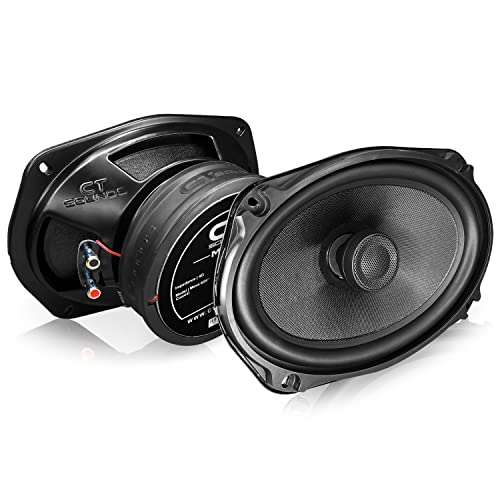
CT Sounds Meso 6×9 400 Watt 2-Way Coaxial Speakers

BOSS Audio Systems CH6930B 6 x 9 Car Speakers 400 Watts

Pioneer A-Series Standard TS-A6961F 6 x 9 4-Way Coaxial Speakers

Pioneer A-Series Plus TS-A6971F 6 x 9 4-Way Coaxial Car Speakers

ORION Cobalt CB693 6×9 3-Way Coaxial Car Speakers

BOSS Audio Systems CH6940B 6 x 9 Car Speakers 500 Watts
More Details On Our Top Picks
This Pioneer F-Series set fits the driver who wants a clean factory refresh without turning the install into a weekend drama. The 3-way layout splits duties across multiple drivers, which usually helps keep vocals, upper detail, and low-end support more evenly spread through the cabin. For a daily commute or an older sedan with tired stock speakers, that kind of balance tends to matter more than raw bragging rights.
The honest read is that it leans toward smooth, easy listening rather than aggressive output. Compared with the CT Sounds Meso, it sounds like the more relaxed choice, and that makes it a sensible match for OEM systems that do not need a heavy amp.
Reasons To Buy
- 230W max rating gives you a clear step up from basic factory paper cones.
- High-efficiency design suits modest head units, so you do not need to build around a big amplifier.
- Three-way layout helps separate bass support, midrange, and treble for more orderly cabin sound.
- It makes a strong case for everyday driving, where balance usually beats a flashy profile.
Areas To Watch
- It is more about smoothness than punch, so heavy bass fans may want a stronger option.
- Factory-replacement focus means it is less exciting than the higher-output Pioneer A-Series models below.
- Owners often pair this kind of speaker with careful door fitment, so install prep still matters.
Feature Snapshot
Who It Suits Best
Drivers replacing stock speakers in a daily commuter will get the most from this set.
Where A Sibling Pick Shines
Pioneer A-Series Standard TS-A6961F suits you better for a more modern factory upgrade with included adaptors.
Compared with the Pioneer F-Series above, the CT Sounds Meso feels aimed at a more assertive cabin setup. The 2-way layout keeps the design simpler, with one driver handling most of the mid and high work while the other supports the low end. That setup often appeals to you when your system already has some backbone and you want the speakers to keep up.
For a sportier car or a door-panel upgrade built around stronger power, this pair makes more sense than a gentle OEM-style swap. The trade-off is that simpler coaxial designs can ask more of the rest of the system, so a weak source may leave some of the potential on the table.
Strong Points
- 400 watts per pair gives the set a stronger ceiling than the Pioneer F-Series pick.
- The 2-way format keeps the layout straightforward for system builders who want fewer moving parts.
- It suits a more energetic sound profile, which can help music feel fuller at highway speed.
- As a pair, it fits a focused front- or rear-cabin upgrade without overcomplicating the job.
Small Caveats
- Simpler driver structure means it is not as layered as the 3-way or 4-way Pioneer options.
- You may want more supporting gear around it, especially in a larger vehicle.
- Setup matters, and a rushed install can waste the extra output headroom.
Technical Sheet
Who Will Love This
Enthusiasts building around a stronger source and wanting more output headroom will appreciate this set.
Look Elsewhere When
PIONEER F-Series TS-F6935R is the gentler match for a plain factory replacement that puts comfort first.
This BOSS Audio pair sits in the middle of the list in a useful way, because it aims for broad appeal without asking for a complicated install plan. The 3-way structure can help the sound feel fuller across vocals, guitars, and rhythm tracks, which is handy in daily traffic where road noise eats detail. It is not as refined as the Pioneer A-Series models, but the balance of reach and simplicity is easy to understand.
You may find it especially practical in a family car or an older coupe where the goal is stronger cabin sound, not a full system rebuild. The catch is that the character depends a lot on the rest of the chain, so thin source gear can keep it from sounding as open as the spec sheet suggests.
What We Like
- 400 watts per pair gives you a respectable step up from basic replacements.
- Three-way design helps separate more of the musical range, which can keep busy tracks clearer.
- It fits the role of a practical upgrade for everyday use without feeling fussy.
- The pair format makes it straightforward to plan around front or rear speaker replacement.
Worth Noting
- It is less polished than the Pioneer A-Series picks in this roundup.
- Owners commonly pay attention to door sealing and mounting depth with budget-friendly coaxials like this.
- Output focus is good, but it still benefits from a sensible source unit.
Core Details
Right Fit For
Shoppers who want a straightforward, full-range upgrade for an older vehicle will get solid value here.
A Better Fit Elsewhere
CT Sounds Meso 6×9 400 Watt 2-Way Coaxial Speakers suits you better for a more performance-leaning setup.
This Pioneer A-Series Standard model moves the list toward a more complete factory-upgrade feel. The 4-way design divides the audio range into more layers than the Pioneer F-Series, so you can expect a little more structure in the upper register and a more composed handoff across the cabin. That matters on long drives, where a speaker that stays tidy can feel less tiring.
Installation adaptors included in the package help remove some of the guesswork, which is worth a lot in a door swap. Compared with the BOSS CH6930B, this one reads as the neater, more polished option, though the stronger result still depends on the rest of your system.
Bright Spots
- 4-way coaxial construction gives it a more layered sound structure than the 3-way Pioneer F-Series.
- 450W max rating offers a stronger ceiling for a factory refresh.
- Included adaptors can make the install path simpler in common retrofit situations.
- It suits drivers who want upgraded clarity without moving into a more complex setup.
Points To Note
- It still sits in the factory-upgrade lane, so deep bass fans may want a separate low-end solution.
- More layered speaker designs can expose flaws in weak source gear.
- Fitment is helped by adaptors, but door checks and mount depth still deserve attention.
Details At A Glance
The Right Fit
Drivers doing a stock-to-upgraded swap in a mainstream sedan or SUV will get a sensible blend of ease and polish.
Swap It Out When
PIONEER A-Series Plus TS-A6971F makes more sense for you once you want a bit more headroom and a stronger upgrade path.
The Plus version naturally follows the Standard model, and the extra output ceiling is the main reason it belongs higher in the lineup. At 600W max, it gives you more room for a stronger system and a more assertive front stage, which can be useful in larger cabins or louder listening habits. That makes it a smart step-up choice rather than a casual replacement.
For commuters who already know they want more than a gentle stock refresh, this one makes a clearer case than the Pioneer F-Series. The trade-off is simple: more headroom tends to reward better amplification and better install care, so it pays to match the rest of the system to the speaker’s ambitions.
Positives
- 600W max gives this set the most headroom among the Pioneer options here.
- 4-way layout helps keep the sound organized across a wider range.
- It fits a stronger factory upgrade path without pushing you into a full custom build.
- Compared with the Standard TS-A6961F, it gives you more ceiling to grow into.
Room For Improvement
- It makes the most sense in a system that can support it, so weak sources may undersell it.
- The extra output headroom does not replace the need for good mounting and wiring discipline.
- For simple low-effort swaps, the Pioneer F-Series can feel easier to live with.
Spec Overview
Best Suited To
You get the most from this set in a system upgrade that already includes stronger amplification or a firmer plan for it.
Where A Sibling Pick Shines
Pioneer A-Series Standard TS-A6961F suits you better for an easier, slightly gentler factory replacement.
The ORION Cobalt CB693 keeps the formula straightforward, but the included grills and durable build language make it feel ready for rougher ownership. That kind of setup helps in a work truck, a daily driver with kids, or any car where the speakers need a bit of physical protection. Compared with the BOSS and Pioneer options above, it leans more toward plain usefulness than polish.
Three-way audio keeps the sound spread broad enough for everyday listening, and the enhanced bass note gives it a friendlier low-end personality than the first Pioneer pick. You may find that it lands best in vehicles where clean installation and toughness matter as much as sonic finesse.
Best Bits
- Three-way design helps cover the range without feeling stripped down.
- 320W pair rating fits a practical upgrade path for daily driving.
- Included grills add a helpful layer of physical protection during ownership.
- Its durable build focus suits rougher cabin conditions better than more delicate-looking options.
Minor Gripes
- It does not reach the headroom of the stronger Pioneer or BOSS pairings.
- The sound profile favors practicality more than a highly polished finish.
- Grills help with protection, but they also add one more part to manage during install.
Feature Rundown
Built With In Mind
Drivers who want a tougher-feeling speaker for family use or a work vehicle will appreciate this one.
Another Choice May Suit
BOSS Audio Systems CH6940B is the better match for you when the goal is a little more output headroom.
The BOSS CH6940B closes the list with the strongest power figure in the group, and that makes it the obvious fit for a more ambitious system. The 4-way layout adds another layer of division across the audible range, which can help the sound feel more spaced out than the simpler 2-way and 3-way options. In a larger car or a louder setup, that extra room can be useful.
The flip side is that higher output claims do not automatically mean better refinement, so this is less about elegance and more about reach. Compared with the Pioneer A-Series Plus, it looks like the pick for shoppers who want feature count and output first, then fine-tuning after.
Highlights
- 500 watts per pair gives it the highest stated pair rating in this roundup.
- 4-way construction provides a more segmented audio path than the 3-way BOSS CH6930B.
- It makes sense for larger cabins where more output headroom matters.
- The feature-heavy layout suits a system that still needs room to grow.
Softer Spots
- More output-oriented designs can demand better supporting gear to sound their best.
- It is less about smooth refinement than the Pioneer A-Series choices.
- With more moving parts in the layout, installation care still matters.
Core Details
Whose Shelf It Belongs On
System builders who want a stronger ceiling and do not mind tuning the rest of the setup will like this pair.
Where A Sibling Pick Shines
Pioneer A-Series Plus TS-A6971F is the calmer choice for you when you want premium feel with a little more polish.
How To Choose The Right 6×9 Speakers For Bass
Start With The Sound Shape You Want
Six-by-nine speakers can tilt toward warmth, clarity, or raw output, and that shape matters more than the wattage number alone. A 3-way or 4-way design usually spreads the audio work across more drivers, which can help bass feel less crowded when the cabin gets noisy. Simpler 2-way designs often sound cleaner and easier to live with in smaller vehicles or modest systems.
The right call depends on the rest of your setup. Factory head units, small amps, and older wiring tend to favor efficient, balanced models like the PIONEER F-Series, while stronger systems can take fuller advantage of the CT Sounds Meso or Pioneer A-Series Plus.
Match Output To Your Cabin Size
Power handling tells you how much amplifier muscle a speaker can accept without feeling strained. That number does not create bass by itself, but it does matter when highway noise, open windows, or a bigger cabin ask for more headroom. A higher figure usually fits louder listening habits, while a moderate figure is often enough for a commuter car.
Think about the vehicle before the spec sheet. A compact sedan can sound plenty full with the BOSS CH6930B or Pioneer A-Series Standard, while a larger SUV may benefit from the extra ceiling of the Pioneer A-Series Plus or BOSS CH6940B.
Pay Attention To Installation Fit
Mounting depth, adaptors, and included grills affect how painless the swap feels. Adaptors can shave off some install stress, especially when you are replacing awkward factory hardware, and grills help protect the cones in busy cabins. The trade-off is simple, more parts can mean more planning.
That is where a practical pick like the ORION Cobalt CB693 makes sense. You still want careful fitment, but the added grills give a bit more peace of mind for trucks, family cars, and other high-traffic interiors.
Pick Bass That Still Leaves Room For Clarity
Big low end sounds appealing, yet muddled mids and sharp highs can wear you out on a daily drive. The better 6×9 choices for bass keep enough separation for vocals and instruments, so the sound stays controlled instead of bloated. Pioneer’s 4-way sets do this in a more layered way, while the BOSS and CT Sounds picks lean harder into output.
For most daily use, a balanced speaker with strong low-end support is the safer path. Pure bass emphasis can be fun for a short burst, but a cleaner all-around tuning usually ages better in a car you spend hours in.
Things Worth Knowing First
Mistakes Worth Dodging
Many shoppers focus on wattage and ignore fit, which is how a promising speaker turns into a frustrating install. Another common miss is buying an overly aggressive model for a weak factory radio, then wondering why the sound feels flat. Matching the speaker to the source is usually the cleaner move.
You should also avoid treating all 6x9s as the same. A 3-way set, a 4-way set, and a simpler 2-way pair can sound very different in the same car.
The Case For Spending Up
Higher-tier models usually cost more because they use more driver elements, more careful tuning, and sometimes more install support. That extra attention can bring cleaner separation and a more controlled bass response, especially in cars where road noise steals detail. The Pioneer A-Series Plus shows that logic well, since the extra headroom gives you more room to build around the speaker.
Spending up makes sense when the rest of the system can support it. If your setup is staying basic, a well-chosen midrange option often delivers the better day-to-day result.
Frequently Asked Questions
Do 6×9 speakers really help with bass?
Yes, they usually bring fuller low-end presence than smaller door speakers. The larger cone area helps the cabin feel more filled out, especially in everyday listening.
Do 3-way and 4-way speakers sound better for bass?
They can sound more complete because the audio work is split across more drivers. That does not always mean deeper bass, but it often means cleaner separation around the low end.
Can you run these from a factory head unit?
Several of the picks here are sensible for factory replacement use, especially the Pioneer F-Series and Pioneer A-Series Standard. Stronger models like the CT Sounds Meso and Pioneer A-Series Plus usually shine more when the rest of the system is ready for them.
What matters more, wattage or speaker design?
Both matter, but design and system match usually matter first. A well-matched speaker with moderate power handling can sound better than a mismatched high-output option.
Which pick fits a simple daily upgrade best?
The PIONEER F-Series TS-F6935R is the gentlest, easiest fit for a plain replacement job. The Pioneer A-Series Standard TS-A6961F makes sense when you want a little more refinement and included adaptors.