
Stock car audio can feel thin, especially in older sedans, work trucks, or a family SUV that still runs the original door speakers. A good 6×9 swap usually brings fuller mids, cleaner treble, and more body in the low end without turning your dash into a project. This roundup focuses on pairs that make sense for everyday driving, road trips, and straightforward factory upgrades. You’ll see where each one fits best, and where a different pick from the list may suit your setup better.
Quick Look At Our Shortlist

PIONEER F-Series TS-F6935R 6″ x 9″ 3-Way Car Speakers 230W Max
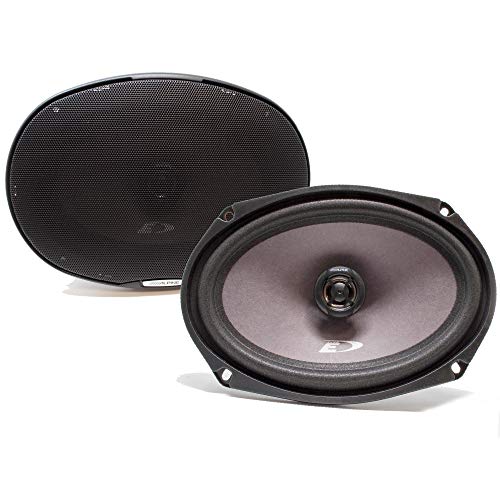
Alpine SXE-6926S 6×9 2-Way Coaxial Speakers (Pair)
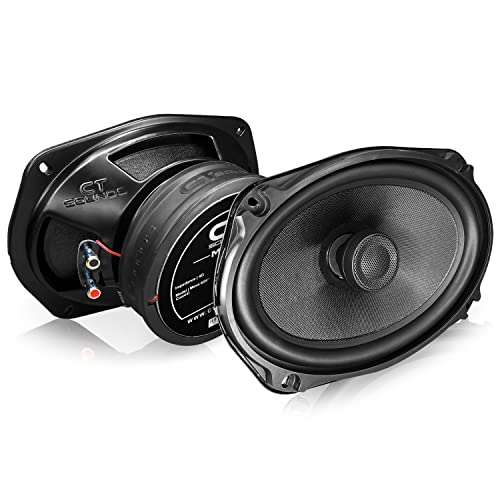
CT Sounds Meso 6×9” 400 Watt 2-Way Premium Coaxial Car Speakers, Pair

BOSS Audio Systems CH6930B 6 x 9 Car Speakers, 400 Watts Per Pair, 3 Way

Pioneer A-Series Standard TS-A6961F 6″ x 9″ 4-Way Coaxial Speakers 450W Max

Pioneer A-Series Plus TS-A6971F 6″ x 9″ 4-Way Coaxial Car Speakers 600W Max

ORION Cobalt CB693 6×9 3-Way Coaxial Car Speakers, 320W Pair
More Details On Our Top Picks
That Pioneer F-Series slot makes sense for a daily driver that still runs tired factory speakers. The 3-way layout means the sound is split across three driver sections, which usually helps voices stay cleaner while the highs keep some air around them.
Compared with the more aggressive CT Sounds and ORION picks later on, this one reads as calmer and easier to live with. For commuters or family vehicles, that softer balance often matters more than raw output, and the OEM-friendly angle should appeal to anyone replacing a worn original set.
Strong Points
- 3-way design helps separate bass, midrange, and treble duties.
- 230W max gives you room for a solid factory upgrade.
- Built for OEM power, so it suits stock head units well.
- Good fit for everyday listening in sedans, coupes, and trucks.
Things To Consider
- It leans toward balanced sound rather than hard-hitting bass.
- You may want extra door damping in a noisy cabin.
- Owners replacing very efficient speakers may notice a gentler jump in output.
Feature Snapshot
Who It Suits Best
Drivers who want a sensible stock-speaker replacement without chasing big bass will feel right at home here.
A Better Fit Elsewhere
PIONEER A-Series Plus TS-A6971F 6″ x 9″ 4-Way Coaxial Car Speakers 600W Max suits you better when your system already has more power and you want extra headroom.
Alpine takes a simpler route here with a 2-way coaxial layout, meaning the woofer and tweeter share the same frame. That usually keeps installation straightforward and makes this pair easy to think of as a clean, no-drama replacement.
You may find it especially useful in older cars where you just want fresher sound without reshaping the rest of the system. Compared with the Pioneer F-Series above, this one gives you a more direct setup, though it trades away some of the extra driver separation that a 3-way or 4-way design can bring.
Highlights
- 2-way coaxial format keeps the setup simple.
- 45 watts RMS suggests a sensible everyday power match.
- 280 watts max peak adds some breathing room for stronger systems.
- Good fit for people who want a cleaner swap, not a full audio rebuild.
Room For Improvement
- It does not bring the same layered sound stage as the 3-way and 4-way picks.
- Lower RMS power means it suits modest setups more naturally.
- Very bass-heavy listeners may want a separate subwoofer later on.
Core Details
Who Will Love This
Commuters and first-time upgraders who want a plain, reliable speaker change will appreciate the easygoing layout.
Swap It Out When
CT Sounds Meso 6×9” 400 Watt 2-Way Premium Coaxial Car Speakers, Pair fits better for you when stronger output and a more energetic presentation matter more than simplicity.
This CT Sounds pair is aimed at drivers who want more energy from a speaker swap without moving into a more complicated build. The 400-watt rating points to a stronger output ceiling than the Alpine pair, and the 2-way format keeps things tidy inside the door.
In a lively hatchback or a sedan that spends a lot of time on the highway, that extra headroom can make music feel less strained at higher volume. The honest read is that this makes more sense for someone who wants a punchier cabin than for someone chasing a relaxed, soft-edged tone.
Reasons To Buy
- 400-watt output rating gives the pair a stronger ceiling than several others here.
- 2-way coaxial design keeps installation and fitment familiar.
- Well suited to music that benefits from a firmer, more forward presentation.
- Works nicely in vehicles where you listen at moderate to higher volume.
Softer Spots
- It asks for more system support than gentler factory-style replacements.
- Listeners who prefer a relaxed treble edge may find it a little more assertive.
Feature Card
Built With In Mind
Drivers who want a more animated sound profile from a simple pair will get the most from this one.
Where A Sibling Pick Shines
PIONEER F-Series TS-F6935R 6″ x 9″ 3-Way Car Speakers 230W Max fits better for you if you want a gentler, more factory-friendly tone.
Here you get a 3-way setup with enough rated power to fit a lot of everyday systems without feeling fragile. That combination makes the BOSS pair appealing in work vehicles, older SUVs, and door panels where you want an immediate upgrade without chasing a boutique sound signature.
Compared with the Alpine SXE-6926S, this one gives you a fuller feature set on paper, while still staying fairly direct in purpose. The catch is that the best fit tends to be owners who care more about a useful improvement than absolute refinement.
Bright Spots
- 3-way design spreads audio duties across more driver sections.
- 400 watts per pair leaves room for a stronger system match.
- Good option for drivers who want broader sound without a complicated install.
- Works well as a practical replacement in older cabins.
Points To Note
- It is more about usefulness than polished finishing touches.
- Heavy treble fans may want to tune the head unit carefully.
Details At A Glance
Right Fit For
Everyday drivers who want a more capable replacement pair without moving into a more complex audio setup will like this direction.
Another Choice May Suit
Alpine SXE-6926S 6×9 2-Way Coaxial Speakers (Pair) fits you better when simplicity and a lower-key upgrade are the priority.
The Pioneer A-Series Standard steps up from the earlier F-Series with a 4-way coaxial layout, which means more divided driver work inside the same general speaker shape. That often helps the sound feel a little more layered, especially in family vehicles or commuters who want a cleaner front-seat presentation.
Installation adaptors are a useful detail here, because they can reduce the fuss of matching the speaker to an existing opening. You may still need to think about cabin noise and head-unit power, but for a factory replacement path, this is one of the more comfortable upgrades in the group.
Upsides
- 4-way coaxial layout offers more driver separation than a basic 2-way design.
- 450W max rating gives the pair a stronger ceiling than the Pioneer F-Series.
- Installation adaptors can make the swap less awkward.
- Strong choice for drivers who want a noticeable but still sensible upgrade.
Minor Gripes
- It still stays in the factory-replacement lane rather than the high-output lane.
- More capable sound can still depend on the rest of your system.
Spec Overview
Whose Shelf It Belongs On
Drivers replacing worn factory speakers and wanting a smoother step up in clarity will get the most from this set.
Look Elsewhere When
PIONEER A-Series Plus TS-A6971F 6″ x 9″ 4-Way Coaxial Car Speakers 600W Max suits you better if you want more room for a stronger system later.
This is the more forceful Pioneer option, and the jump to 600W max gives it more room to work in louder setups. For drivers with a stronger head unit or a system that already leans a little punchier, that extra ceiling can help the speakers stay composed instead of sounding pushed.
Compared with the Standard TS-A6961F, this Plus version feels like the more confident long-term fit for people who know they want headroom. The trade-off is that the extra capability matters less in a quiet commute with modest volume, so it makes the most sense for people who actually use that extra range.
Best Bits
- 600W max rating gives the pair the highest ceiling in this Pioneer duo.
- 4-way layout supports a fuller, more developed sound profile.
- Works well in systems that already have a bit more muscle.
- Still practical for a factory upgrade path.
Areas To Watch
- That extra headroom matters most in louder or better-powered systems.
- For basic daily listening, the Standard TS-A6961F may be enough.
Quick Facts
The Right Fit
People with a stronger car audio setup, or anyone planning one soon, will appreciate the extra headroom.
A Better Fit Elsewhere
Pioneer A-Series Standard TS-A6961F 6″ x 9″ 4-Way Coaxial Speakers 450W Max suits you better when you want a more modest upgrade for a stock system.
ORION leans into a rugged, straightforward formula with a 3-way coaxial setup and included grills. That makes it a sensible pick for work trucks, weekend haulers, and family cars where the speakers may face a little more daily wear than average.
Compared with the CT Sounds Meso, this one feels less like a statement piece and more like a sturdy all-rounder. One thing worth considering, though, is that the 320W pair rating puts it closer to the middle of the group than the highest-output picks, so it suits steady daily use better than big-volume listening.
Positives
- 3-way coaxial layout gives the speakers a fuller structure than a plain 2-way set.
- Included grills help protect the front face in busy interiors.
- Good for daily driving, especially in vehicles that see lots of door use.
- 320W pair rating puts it in a comfortable middle ground for many setups.
Small Caveats
- It is more about durability and balance than standout power.
- People chasing the highest output should look to the Pioneer A-Series Plus or CT Sounds Meso.
Feature Rundown
Made For
Drivers who want a dependable replacement with a little extra physical protection will feel good about this set.
Skip It When
CT Sounds Meso 6×9” 400 Watt 2-Way Premium Coaxial Car Speakers, Pair fits you better when stronger output matters more than a rugged, middle-ground approach.
How To Choose The Right 6×9 Speakers
Match The Speaker Style To Your Car
A coaxial speaker puts more than one driver on the same frame, which keeps installation simpler and usually works well in factory openings. A 2-way design often keeps things easy and tidy, while 3-way and 4-way layouts divide the sound into more sections for a fuller presentation. The trade-off is straightforward, more driver sections can sound more detailed, but they can also ask more from the rest of the system.
For a commuter car with an untouched dash and door setup, a modest 2-way or 3-way pair often makes the most sense. In a larger cabin, or a vehicle that already has a head unit with decent output, a 4-way model can feel more at home. The right choice is less about chasing the biggest number and more about matching the speaker’s personality to the space around it.
Pay Attention To Power Ratings
RMS power tells you the steady amount a speaker can handle, while peak power shows the short bursts it can tolerate. That matters because a speaker with a realistic power match tends to sound cleaner at everyday volume, instead of feeling strained when the music gets busy. The highest number on the box is not the whole story, and it rarely tells you whether the speaker suits your actual setup.
For stock systems, a speaker built around moderate power often behaves more naturally than an overbuilt set that never gets the signal it wants. For stronger aftermarket systems, higher peak numbers and more headroom can be useful, especially in larger cars where you want the sound to carry. A little restraint here saves you from paying for power you won’t use.
Think About Sound Balance, Not Just Bass
Some 6×9 speakers lean toward smooth treble and an even midrange, while others push harder for bass presence or brighter detail. That balance changes how the music feels on a long commute, in stop-and-go traffic, or on a highway run with more road noise in the cabin. A speaker that sounds exciting at first can wear thin over time, while a more even set often stays easy to live with.
The Pioneer F-Series and Alpine picks tilt toward restraint, which suits people who value clarity and comfort. The CT Sounds and Pioneer A-Series Plus options leave more room for livelier playback, which makes sense for drivers who tend to keep the volume higher. The honest read is that your listening style matters more than the label on the box.
Don’t Ignore Fitment And Install Ease
A 6×9 upgrade should fit the opening cleanly and work with your mounting space, wiring, and grille clearance. Some sets include adaptors or grills, and those small pieces can save time during installation or reduce the need for extra parts later. That kind of detail matters more than it sounds, especially in older vehicles where the original hardware may be worn or missing.
Maintenance is usually simple, but exposed speaker surfaces collect dust and cabin debris over time. Grills help with that, and they also make sense in family vehicles or work trucks where the door area gets a lot of use. A speaker that is easy to fit and easy to keep tidy often feels like a better long-term decision than one that only looks strong on paper.
What To Weigh Before You Click
Common Shopping Slip Ups
A lot of people focus only on wattage and miss the rest of the picture. Speaker style, power match, and installation details shape the real result more than a single headline number.
Another common mistake is ignoring the vehicle’s age and cabin noise. An older sedan with tired door seals may need a more balanced speaker choice than a newer car with better insulation.
What The Higher Tier Buys
Higher-tier 6×9 speakers usually bring more driver sections, sturdier build choices, and better room for louder playback. That extra cost tends to show up in smoother separation, better handling of complex tracks, and a more composed sound when the volume climbs.
That upgrade makes the most sense for you when the rest of the system can support it. For a modest factory radio and quiet everyday listening, midrange picks often make better sense than paying for headroom you won’t use.
Frequently Asked Questions
Do 6×9 speakers fit most factory openings?
Many cars and trucks use 6×9 cutouts, but fit still depends on the vehicle and mounting depth. Checking the opening before you shop saves a lot of hassle later.
Is a 2-way or 3-way speaker better?
A 2-way model keeps things simple, while a 3-way version spreads the sound work across more sections. That often makes 3-way designs feel a little fuller, though the better choice depends on your system and listening style.
Do higher wattage numbers mean better sound?
Higher wattage mostly tells you about handling and output ceiling, not sound quality by itself. A well-matched lower-power speaker can sound better in a stock system than a bigger model that never gets enough support.
Are grills worth having?
Grills help shield the speaker face from scuffs, kicks, and cargo bumps. They’re especially useful in trucks, family vehicles, and any cabin that sees a lot of daily movement.
Which pick makes sense for a simple factory upgrade?
PIONEER F-Series TS-F6935R 6″ x 9″ 3-Way Car Speakers 230W Max is the easiest place to start for a straightforward swap. Alpine SXE-6926S 6×9 2-Way Coaxial Speakers (Pair) also works well for a plain replacement path.