


Mids and highs amps matter most in systems that need clear vocals, crisp guitar lines, and controlled detail from door speakers or small component sets. The right match depends on channel count, input options, bridgeability, and how much installation flexibility the vehicle or setup allows. This roundup focuses on Taramps car amplifiers plus one compact guitar head, so the shortlist spans OEM-style upgrades, compact installs, and higher-output options for fuller systems.
Trade-offs matter here. Smaller chassis often make installation easier, while larger output sections usually ask for better wiring, more space, and a clearer plan for speaker matching.
The Shortlist At A Glance

Taramps TS 800X4 2 Ohms 800W RMS 4-Channel Car Audio Amplifier

Taramps HD 3000 1 Ohm 1-Channel Monoblock Amplifier

Taramps TS 1200 Watt 4-Channel Car Audio Amplifier
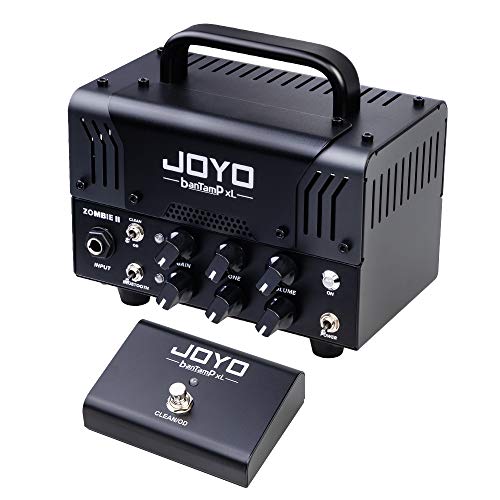
JOYO Zombie-II BanTamp XL Series Mini Amp Head

Taramps TS 400X4 Black 2 Ohms 400W RMS 4-Channel Car Audio Amplifier

Taramp’s DS 2000×4 2 Ohms 4-Channel Car Audio Amplifier
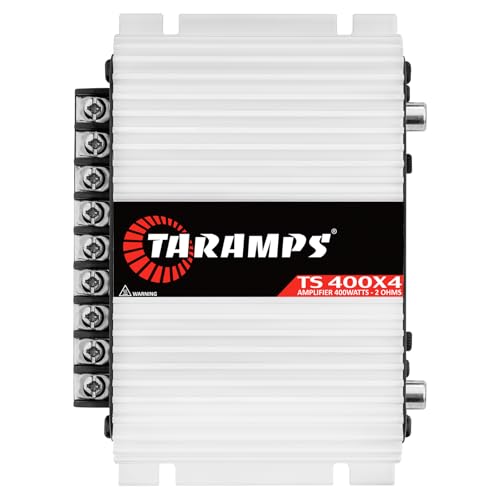
Taramps TS 400X4 White 2 Ohms High Level Car Audio Amplifier
More Details On Our Top Picks
The TS 800X4 sits in the sweet spot for factory-upgrade systems that need clean front-stage detail without turning installation into a project. High-level speaker inputs help it work with OEM radios, and automatic turn-on reduces the need for extra trigger wiring.
Bridgeable channels give more routing flexibility than the compact TS 400X4 models below, so small four-speaker layouts and modest component sets both make sense here. The trade-off is simple, it asks for a bit more planning than a barebones amp, especially in tight trunks.
What We Like
- Four channels suit front and rear speaker upgrades.
- High-level input support eases factory-radio integration.
- Automatic turn-on trims wiring complexity in daily use.
- Bridgeable channels open more layout options for mixed systems.
Points To Note
- Four-channel amps usually need more careful gain setup than single-channel models.
- Space planning matters more than it does with ultra-compact units.
Feature Rundown
Who It Suits Best
Car-audio installers and daily drivers building a straightforward OEM-plus system are the strongest match here.
Where Another Pick Suits Better
Taramps TS 400X4 Black 2 Ohms 400W RMS 4-Channel Car Audio Amplifier suits compact budget-minded setups that only need a simpler four-channel layout.
Monoblock means a single-channel amplifier, the usual format for subwoofer duty, and the HD 3000 leans hard into that role. The LED monitor indicator gives a quick visual cue during installation or troubleshooting, which is useful in a trunk rack where access is awkward.
Compared with the four-channel TS models, this one is more focused and less versatile, but that focus is exactly the point for bass-heavy systems. The honest read is that it suits a setup built around one job, not a mix of speakers and subs.
Highlights
- Monoblock layout keeps the design centered on one subwoofer path.
- Class D construction suits compact installs that still need strong output.
- LED monitor indicator can help with setup checks.
- Full-range design offers broader routing options than many bass-only amps.
Small Caveats
- Single-channel use makes it a narrower fit than the four-channel picks.
- Higher-output monoblocks usually need careful electrical planning.
- Trunk or enclosure space should be checked before purchase.
Core Details
Who Will Love This
Subwoofer-focused car-audio setups and installers planning a dedicated bass channel fit this model well.
A Better Fit Elsewhere
Taramps TS 800X4 2 Ohms 800W RMS 4-Channel Car Audio Amplifier suits mixed speaker systems that need more channels and less single-purpose focus.
This TS 1200 model leans into installation flexibility, especially for systems that mix RCA source gear with wire-level connections. Fixed crossover behavior keeps the signal path straightforward, which helps in older cars where source integration can get messy.
Unlike the lighter TS 400X4 choices, it gives more headroom for fuller midrange and top-end setups without moving into monoblock territory. For a commuter car with upgraded speakers and a factory head unit, that balance tends to make sense.
Upsides
- RCA and wire input support broadens compatibility.
- Four-channel layout works well for front and rear upgrades.
- Fixed crossover behavior simplifies everyday tuning.
- Full-range Class D design suits compact car installs.
- Bridgeable channels add routing flexibility for mixed speaker plans.
Worth Noting
- More capable routing usually means a more deliberate setup.
- Fixed crossover choices leave less room for fine-grained tuning than adjustable designs.
Details At A Glance
Built With In Mind
OEM-to-aftermarket upgraders and commuters who want clean front-stage detail with flexible input options are the best match.
Where A Sibling Pick Shines
Taramps TS 800X4 2 Ohms 800W RMS 4-Channel Car Audio Amplifier suits shoppers who want a simpler four-channel format with a more direct factory-radio path.
The Zombie-II sits apart from the car amps here because it’s a guitar amp head, not a vehicle amplifier, and that distinction matters immediately. Hybrid tube design usually aims for a different feel than pure solid-state units, and Bluetooth adds modern source flexibility for practice or small-room use.
No sound without an external speaker is the key ownership note, so the setup is more of a head-and-cabinet pairing than a standalone desktop box. In a rehearsal corner or small stage rig, that extra step is normal rather than awkward.
Reasons To Buy
- Hybrid tube design gives it a distinct guitar-amp character.
- Bluetooth adds source flexibility for practice setups.
- Two channels suit basic clean-to-drive switching needs.
- Mini head format saves space on a crowded amp shelf.
Areas To Watch
- An external speaker is required for use.
- It serves guitar setups, not car audio systems.
- Bluetooth convenience does not replace a full pedalboard for every player.
Spec Overview
Whose Shelf It Belongs On
Guitarists building a compact practice or small-room rig are the clearest fit here.
Look Elsewhere When
Taramps TS 400X4 White 2 Ohms 400W RMS High Level Car Audio Amplifier suits car-audio projects that need factory integration rather than guitar amplification.
The TS 400X4 Black keeps the formula lean: four channels, compact Class D hardware, and the kind of input flexibility that helps in modest upgrades. For older sedans or hatchbacks with limited trim space, that smaller footprint is a real advantage.
Compared with the TS 800X4, this one gives up some output headroom, but it also asks for less cabinet space and can feel easier to place cleanly. That makes it a sensible match for simple speaker refresh jobs rather than ambitious multi-amp builds.
Best Bits
- Compact size suits cramped mounting locations.
- High-level and RCA inputs widen source compatibility.
- Bridgeable channels support more than one layout style.
- Built-in crossover helps keep speaker duties separated.
Room For Improvement
- Lower output ceiling than the larger four-channel picks.
- Compact amplifiers still benefit from careful ventilation planning.
Feature Card
The Right Fit
Shoppers building a small, tidy upgrade with a factory head unit are the strongest match.
Swap It Out When
Taramps DS 2000×4 2 Ohms 4-Channel Car Audio Amplifier suits larger systems that need more output and more tuning latitude.
The DS 2000×4 is the muscle-piece in this lineup, built for four-channel systems that need more serious output and more control over the high and low ends. High-pass and low-pass crossover behavior matters here because it helps shape midrange and treble delivery without forcing the whole system into one compromise.
Relative to the TS 800X4, this model feels aimed at larger installs and more demanding speaker layouts, especially where bridged routing can turn into a useful planning tool. It is the kind of amplifier that makes sense in a build with clear goals and enough space to back them up.
Standout Traits
- Higher-output design suits more demanding four-channel builds.
- High-pass and low-pass crossover options add tuning control.
- Fixed bridged support gives more routing flexibility.
- Full-range Class D construction keeps the format practical.
Minor Gripes
- More capable hardware usually asks for more careful system planning.
- Large installs need tidy cable routing and enough mounting room.
- Extra power potential only matters with matching speakers and setup.
Technical Sheet
Best Suited To
Experienced installers and system builders planning a higher-output four-channel setup are the clearest fit.
Another Choice May Suit
Taramps TS 400X4 Black 2 Ohms 400W RMS 4-Channel Car Audio Amplifier suits simpler builds where compact size matters more than output headroom.
The White TS 400X4 is built for easy factory integration, and that’s the main reason it earns a place beside the black version. High-level and RCA speaker inputs, plus automatic turn-on, simplify installs where the original radio stays in place.
Compared with the Black TS 400X4, the core role stays the same, but the white finish may suit cleaner visible mounting or a lighter-toned trunk build. For owners who want the least friction from OEM audio to upgraded speakers, this one reads as a tidy, sensible route.
Bright Spots
- High-level speaker inputs work well with factory radios.
- RCA support keeps aftermarket integration open.
- Automatic turn-on reduces wiring steps in many installs.
- Efficient Class D design keeps the unit practical for vehicles.
Softer Spots
- Its four-channel layout is best for straightforward systems.
- Light-colored finishes may show dust more readily in exposed installs.
Core Details
Right Fit
Factory-radio upgraders who want a neat, low-friction four-channel amplifier are the strongest match here.
Where Shoppers Go Wrong
Taramps TS 800X4 2 Ohms 800W RMS 4-Channel Car Audio Amplifier is the better choice for owners who need more channel flexibility and a little more system headroom.
How To Choose The Right Mids And Highs Amps
Match The Amp To The Speaker Job
Mids and highs amps are built to drive speakers that handle vocals, guitars, cymbals, and front-stage detail, not just raw output. Four-channel units suit door-speaker upgrades and component sets, while a monoblock like the HD 3000 belongs with subwoofer duty rather than mids and highs work.
Channel count matters because it shapes the whole layout. A commuter car with front and rear speakers usually benefits from a four-channel amp, while a simplified system can get by with fewer channels and more focused routing.
Look Closely At Input Options And Turn-On Behavior
High-level speaker inputs make a big difference in factory-radio installs because they accept signal from the original head unit without extra converters in many setups. RCA inputs matter for aftermarket head units and cleaner signal routing, so a model that offers both gives more room to grow.
Automatic turn-on is another small feature with everyday value. It reduces wiring work and can make a tidy install feel less fussy, especially in vehicles where remote leads are awkward to access.
Check Crossover Control And Bridging Flexibility
A crossover splits frequencies so an amp can send the right range to the right speaker. Fixed crossover behavior is simpler, while high-pass and low-pass control gives more room to shape mids and highs for a specific cabin or cabinet.
Bridgeable channels matter for mixed systems because they let an amp reconfigure around a different load or speaker plan. That flexibility can save a future upgrade, though it also asks for a clearer wiring plan from the start.
Size, Heat, And Installation Reality
Compact Class D amplifiers tend to fit better in tight trunks, under-seat spaces, or crowded amp racks. Larger-output models can ask for more breathing room, cleaner cable routing, and a stronger electrical foundation.
That trade-off is normal. A smaller amp can be easier to live with, while a bigger unit often makes sense only when the rest of the system is ready to support it.
Things Worth Knowing First
Hidden Buying Traps
Channel count is the first place many people go wrong. A monoblock looks powerful, but it does not replace a four-channel amp for mids and highs duties, and that mismatch usually shows up during installation.
Another easy miss is input compatibility. A factory-radio system needs different connection planning than an aftermarket setup, so the wrong input type can add noise, adapters, or extra labor.
The Upgrade Payoff
Higher-tier models usually cost more because they offer more output control, more routing flexibility, and more capable signal handling. Better heat management and fuller crossover behavior also tend to show up as the price rises.
The upgrade makes sense for larger cabins, more demanding speaker sets, or systems that may grow later. For a basic door-speaker refresh, a smaller four-channel model often covers the need without pushing the build into unnecessary complexity.
Frequently Asked Questions
What does mids and highs amp mean?
A mids and highs amp is an amplifier used for speakers that handle midrange and high-frequency detail. It usually powers door speakers, component sets, or guitar-style top-end duties rather than subwoofer bass.
How many channels are useful for mids and highs?
Four channels suit most car audio mids and highs layouts because they can handle front and rear speaker pairs. Two channels can work in smaller builds, but they leave less room for flexible routing.
Can a monoblock amp drive mids and highs speakers?
A monoblock is designed for a single output path, most often a subwoofer. That format is a poor match for multi-speaker mids and highs work.
Why do some amps use high-level inputs?
High-level inputs accept signal from a factory radio’s speaker outputs. That makes OEM integration easier and can reduce the need for separate adapters in many vehicles.
Does Class D matter for mids and highs amps?
Class D amplification is commonly used because it keeps vehicle amps compact and practical. It helps with installation flexibility, especially in tighter spaces or smaller enclosures.