

Car audio upgrades often start with the box, not the amp. A well-matched enclosure can tighten bass response, save cargo space, and make a system feel more settled on daily commutes or weekend drives.
The seven picks below cover loaded and unloaded styles, compact single-sub layouts, and larger dual-chamber options. The mix suits trunk builds, truck cabins, and systems that need a straightforward enclosure without a lot of guesswork.
Quick Look at the Shortlist

Skar Audio Single 12″ 1200W Loaded Sdr Series Vented Subwoofer Enclosure SDR-1X12D2
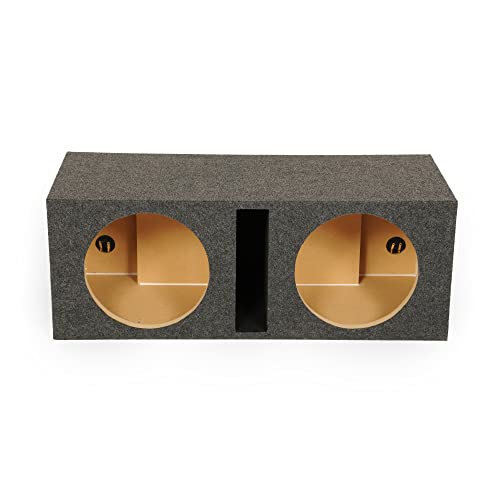
QPower QBASS Dual 12″ Car Audio Subwoofer Box, Charcoal Gray Carpet Finish

Skar Audio Single 8″ 700W Loaded SDR Series Vented Subwoofer Enclosure SDR-1X8D2

Skar Audio Dual 10″ 2400W Loaded Sdr Series Vented Subwoofer Enclosure SDR-2X10D4

QPower Single Triangle Car Audio Ported Subwoofer Box Fits Most 12-Inch Subwoofers

Q Power 10″ Single Subwoofer Box, Vented Speaker Enclosure

KICKER 48CDF104 Comp 10″ Subwoofer in Down Firing Enclosure, 4-Ohm
More Details On Our Top Picks
A single 12-inch loaded enclosure like this suits drivers who want fuller low-end without assembling a box from scratch. The vented design gives the woofer room to move air, so bass tends to feel more open than in a sealed cabinet, though the trade-off is a larger footprint.
That makes the Skar Audio SDR-1X12D2 a sensible match for daily-use systems in sedans, coupes, and midsize SUVs. Compared with the smaller SDR-1X8D2 later in this list, it asks for more space but usually gives back more scale in the cabin.
Strong Points
- Loaded design reduces extra assembly steps for a straightforward install.
- Vented cabinet layout supports fuller low-frequency output in normal driving.
- Single 12-inch format suits many mainstream car audio builds.
- Good fit for daily listening, not only show-style systems.
Things To Consider
- Larger than compact single-8 or single-10 options.
- Vent-based boxes usually need more room to place and secure.
- Best results still depend on a matched amplifier and setup.
Feature Snapshot
Who It Suits Best
Drivers upgrading a daily system in a sedan, SUV, or pickup cabin get the clearest fit here.
Where A Sibling Pick Shines
Skar Audio Single 8″ 700W Loaded SDR Series Vented Subwoofer Enclosure SDR-1X8D2 suits smaller cabins and tighter cargo space better.
Two 12-inch drivers in separate chambers usually point to a more serious bass build, and this QPower box follows that pattern. The MDF cabinet and single slot port are aimed at a deeper, more organized low end, though dual-woofer boxes naturally take up more room than a single-12 setup.
For truck owners or sedan drivers chasing more cabinet volume, the layout makes sense. Compared with the Skar Audio single-12 above, this one leans harder into space and output potential, so it suits systems built around bigger rear-end presence.
Highlights
- Dual chambers keep the two subwoofers separated.
- Each side has 1.6 cubic feet of air space.
- Slot-port design supports a stronger bass profile.
- Charcoal carpet finish helps it blend with common interiors.
Small Caveats
- Needs more cargo space than a single-driver enclosure.
- Dual-12 layouts can be a tougher fit in smaller trunks.
- Carpeted surfaces may show wear with rough handling.
Core Details
Made For
Car audio setups that need dual 12-inch support in a truck bed, hatch, or roomy trunk are the clear match.
Another Choice May Suit
Q Power 10″ Single Subwoofer Box, Vented Speaker Enclosure fits smaller systems that need a simpler footprint.
The SDR-1X8D2 is the smallest loaded enclosure in this group, and that size matters more than raw output bragging rights. An 8-inch box is easier to tuck into tighter cabins, so it works well in cars where storage space and visibility matter as much as bass.
Compared with Skar Audio’s 12-inch loaded option, this one asks less from the vehicle and the installer. The honest read is that smaller systems gain convenience here, while long-haul bass depth stays in a narrower lane.
Best Bits
- Small footprint helps preserve cargo room.
- Loaded format simplifies the setup path.
- Vented enclosure gives the compact driver more breathing room.
- Good fit for modest daily listening upgrades.
Room For Improvement
- Eight-inch bass will feel lighter than 10-inch or 12-inch systems.
- Less suited to large cabins or heavy-output goals.
- Smaller enclosures still need secure placement to avoid movement.
Details At A Glance
Whose Shelf It Belongs On
City drivers and smaller-car owners who need bass without giving up much cargo room get the best fit here.
Look Elsewhere When
Skar Audio Single 12″ 1200W Loaded Sdr Series Vented Subwoofer Enclosure SDR-1X12D2 suits fuller sound and larger cabins better.
Dual 10-inch loaded enclosures tend to land in the sweet spot between size and output, and this Skar Audio model follows that pattern closely. In a larger hatch, SUV, or trunk build, the pair of 10-inch drivers can feel more forceful than a single-12 cabinet without going quite as bulky as dual-12 setups.
That balance is the appeal, especially for systems that get played often instead of only on special occasions. Compared with the QPower dual-12 box, this one offers a different compromise, one that usually suits installers who want a stronger punch in a slightly narrower box profile.
Upsides
- Dual 10-inch layout delivers strong bass potential.
- Loaded cabinet keeps the setup process simpler.
- Vented design supports a more open low end.
- Good middle ground between size and output.
Points To Note
- Still requires meaningful cargo space.
- Dual-woofer boxes weigh more and are harder to shift around.
- Powerful systems usually need careful amp matching.
Technical Sheet
Built With In Mind
Enthusiasts building a stronger daily system with room for dual 10s get the clearest match here.
Swap It Out When
QPower QBASS Dual 12″ Car Audio Subwoofer Box, Charcoal Gray Carpet Finish suits wider chamber spacing and a more traditional dual-12 layout.
A triangle enclosure solves a very specific problem, it fits into corners where a box with straight sides can feel awkward. That shape makes this QPower pick useful for compact trunks or cargo areas, and the bed liner finish adds a tougher, more utility-minded look than the carpeted QBASS box.
The 3/4-inch MDF cabinet, spring-loaded terminals, and ported design give it a practical, no-fuss profile. Compared with the dual-12 QPower box, this one gives up chamber count and scale, but it can be far easier to place in smaller vehicles.
Reasons To Buy
- Triangle shape makes corner placement easier.
- Fits most 12-inch subwoofers.
- Spring-loaded terminals make wire attachment simpler.
- 3/4-inch MDF is a familiar enclosure material for car audio builds.
- 2.2 cubic feet of air space supports a fuller cabinet layout.
Areas To Watch
- Triangle format can be less flexible than a rectangular box.
- Ported designs usually ask for careful placement and secure mounting.
- Bed liner finish is practical, though it lacks the softer look of carpet.
Quick Facts
Perfect Match For
Owners working with a tight trunk corner and a standard 12-inch woofer will get the best fit from this enclosure.
Reach For A Different Pick When
Q Power 10″ Single Subwoofer Box, Vented Speaker Enclosure suits smaller 10-inch builds that need a simpler rectangular footprint.
Some systems need a straightforward 10-inch enclosure, nothing more. That is where this Q Power box fits cleanly, especially for drivers replacing a basic setup in a commuter car or a smaller SUV.
The vented cabinet and 1.1 cubic feet of air space suggest a compact, easy-to-place design rather than a high-commitment build. Compared with the triangle QPower enclosure, this one keeps a more conventional shape, which can make layout and placement less fiddly.
Positives
- Single 10-inch format suits a wide range of modest systems.
- Vented layout gives the woofer room to move air.
- Compact cabinet works well in tighter vehicle spaces.
Minor Gripes
- Air space is modest, so output goals stay in a moderate lane.
- Plain enclosure styling may feel too simple for show builds.
- 10-inch setups can still vary a lot by amplifier match.
At A Glance
Who Should Grab It
Commute-focused drivers who want a simple 10-inch bass upgrade get the best fit here.
Where A Sibling Pick Shines
KICKER 48CDF104 Comp 10″ Subwoofer in Down Firing Enclosure, 4-Ohm suits cargo-area installs that need a ready-to-wire combo.
Down-firing designs aim sound toward the floor, which helps protect the cone and can make placement in trunks or cargo areas less awkward. For vehicles that carry bags, gear, or groceries, that orientation is practical, and the ready-to-wire combo cuts down on extra parts hunting.
Compared with the plain Q Power 10-inch box above, this KICKER model is the more complete package. The trade-off is less enclosure freedom, since the combined sub-and-box format makes the whole unit easier to drop in but harder to customize later.
What We Like
- Combo format reduces the number of parts to source separately.
- Down-firing layout suits cargo-area placement.
- 4-ohm configuration is clearly defined in the model name.
- Good fit for drivers who want a more contained install.
Honest Caveats
- Combo units leave less room for later enclosure changes.
- Down-firing setups should be positioned with clearance in mind.
- Ready-made packages can be less flexible than separate box builds.
Spec Overview
The Right Fit
Drivers who want a ready-to-install 10-inch solution for trunks or cargo areas will appreciate the format most.
Not Your Match When
Skar Audio Dual 10″ 2400W Loaded Sdr Series Vented Subwoofer Enclosure SDR-2X10D4 suits bigger output goals and a more traditional dual-box layout.
How To Choose The Right Subwoofer Enclosures
Match Box Style To The Vehicle
Enclosure shape matters as much as woofer size. A dual-12 box like the QPower QBASS needs more cargo volume, while a triangle enclosure such as QPower’s ported model tucks into corners that a rectangular cabinet may waste.
Loaded systems reduce assembly work, which suits drivers who want a cleaner install path. Separate enclosures with a bare woofer offer more flexibility, but they also ask for more matching decisions and more room for error.
Read The Size And Air Space Together
Air space is the internal volume available inside the enclosure, and it affects how the driver behaves in the cabinet. A small 1.1 cubic-foot 10-inch box feels very different from a dual-chamber design with 1.6 cubic feet per side, even before amplifier choice enters the picture.
That makes raw woofer size only part of the story. For daily commuting, a modest box often makes more sense than chasing maximum output in a cabin that needs its storage space intact.
Ported, Down Firing, Or Separated Chambers
Ported, or vented, enclosures use an opening to move air more freely, which often suits bass-heavy listening. Down-firing enclosures point the driver toward the floor, a practical layout for cargo areas that carry gear or need a cleaner visual profile.
Separated chambers help each woofer work in its own section, which can be useful in dual-driver setups. That structure adds complexity, though it also creates a more deliberate cabinet layout.
Build Quality Still Shapes Ownership
MDF, short for medium-density fiberboard, remains common because it gives the cabinet a dense, rigid shell. Carpet wraps, bed liner finishes, and terminal hardware affect daily handling, cleaning, and durability in a real car environment.
Installed in a busy trunk, a tougher finish is often easier to live with than a softer cosmetic wrap. That small detail can matter as much as the woofer count once the system is part of everyday use.
Things Worth Knowing First
Mistakes Worth Dodging
A common error is sizing the enclosure around the subwoofer alone and forgetting the vehicle. A dual-12 box may look appealing on paper, then crowd a trunk so much that it becomes annoying to use.
Another slip is treating ported and sealed boxes as interchangeable. The cabinet type changes the character of the bass, so a match to the vehicle and listening habits matters more than chasing a bigger-looking enclosure.
The Upgrade Payoff
Higher-tier boxes usually spend money on more cabinet volume, stronger construction, or a more complete loaded package. Those details matter in vehicles that see frequent use, because the enclosure has to survive vibration, handling, and regular loading.
The extra cost makes the most sense for systems that will stay in the vehicle for the long term. For a temporary build, a simpler single-10 or single-8 enclosure often makes more practical sense.
Frequently Asked Questions
What Size Subwoofer Enclosure Fits Most Daily Drivers?
A single 10-inch or single 12-inch box usually works best for common commuter cars and midsize SUVs. Larger dual boxes demand more space and usually suit vehicles with room to spare.
Does A Loaded Enclosure Make Setup Easier?
Yes, because the woofer and box arrive as a matched package. That cuts down on part selection and helps avoid mismatched cabinet sizing.
Why Do Ported Boxes Feel Different From Other Enclosures?
Ported designs use venting to move air more freely, which often gives bass a more open character. The trade-off is a larger cabinet and more sensitivity to placement.
Is A Down-Firing Enclosure Good For Cargo Areas?
That layout can work very well in trunks and storage zones because the driver faces the floor. It also keeps the cone less exposed to shifting luggage.
What Should Matter More, Woofer Count Or Cabinet Layout?
Cabinet layout usually matters first, because fit and air space decide whether the box suits the vehicle. Woofer count matters next, once the enclosure size and placement already make sense.