


Choosing the right 12 volt marine battery changes how your boat starts, runs, and sits between outings. You want enough reserve for trolling, reliable charging habits, and a case that can handle damp storage, odd angles, and the occasional bump against gear.
That’s where this roundup helps. You’ll see lithium and AGM options side by side, so you can match runtime, weight, size, and upkeep to the way you actually fish, cruise, or travel with a camper.
Quick Look At Our Shortlist

dumfume 12V 150Ah Max Lithium LiFePO4 Battery

Litime 12V 100Ah Trolling Motor LiFePO4 Battery, Bluetooth, Group 31
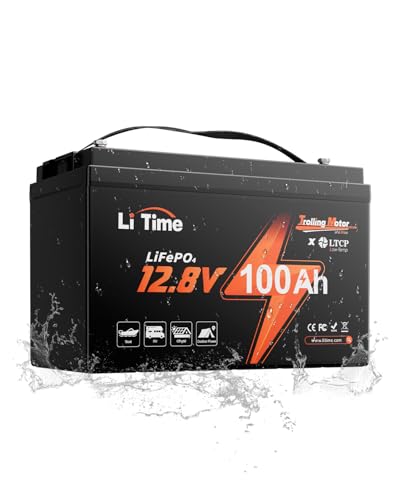
Litime 12V 100Ah Trolling Motor LiFePO4 Battery, Group 31

Newport 12V50Ah Deep Cycle Heavy-Duty Marine Battery

Interstate Batteries SLA Battery 12V 35Ah AGM VRLA SLA1155

Weize BCI Group 31M Dual Purpose AGM Battery, 12V 110AH

Weize Dual Purpose AGM Battery BCI Group 24M, 12V 90AH
More Details On Our Top Picks
That 150Ah reserve gives you the kind of cushion that matters on a long day out, especially for trolling motors, cabin loads, or a weekend off-grid setup. The LiFePO4 chemistry, or lithium iron phosphate, keeps the weight lower than a comparable lead-acid bank, and the IP65 rating points to sealed protection against dust and water spray.
You also get a 100A battery management system, which is the built-in control layer that helps govern charging and discharge behavior. For boaters who want less lugging and more runtime, it fits well, though the larger capacity can be more battery than a compact skiff really needs.
Strong Points
- Large 150Ah capacity supports longer time between charges.
- Sealed construction suits damp compartments and marine storage.
- Lower weight than comparable flooded lead-acid options.
- 100A BMS adds a useful layer of charge control.
- Works well for RVs, camps, and dockside backup use too.
Things To Consider
- The capacity can be more than a small trolling setup needs.
- Lithium setups ask for a charger that matches the chemistry.
- Large banks take more planning for secure mounting and cable routing.
Feature Snapshot
Who It Suits Best
You’ll get the most from this in a boat or RV setup that needs real runtime and values lighter handling over old-school lead-acid weight.
A Better Fit Elsewhere
Litime 12V 100Ah Trolling Motor LiFePO4 Battery, Bluetooth, Group 31 suits anglers who want app visibility and a smaller 100Ah format.
Bluetooth changes the day-to-day feel here, because you can check battery status without guessing from the console or opening a compartment. Paired with Group 31 sizing, this model suits boats that already have room for a standard marine footprint and want a lithium upgrade with real visibility.
The listed 1280Wh energy, or watt-hours, tells you the storage volume in a more direct way than amp-hours alone. That helps on a trolling motor run where steady draw matters, although the tech-forward feature set may be more than casual weekend use really calls for.
What We Like
- Bluetooth support gives you easier status checks from your phone.
- Group 31 size fits common marine battery compartments.
- 1280Wh energy offers a clear picture of usable storage.
- Low-temp protection helps in cooler launch conditions.
- IP65 sealing makes it a sensible match for damp boating environments.
- 100A BMS supports controlled power delivery during use.
Small Caveats
- Bluetooth adds value only when you care about app monitoring.
- Lithium charging gear needs to match the chemistry.
- The feature set can feel busy for a simple backup setup.
Core Details
Who Will Love This
You’ll appreciate this most in a fishing boat or yacht setup where phone-based monitoring and a standard Group 31 fit both matter.
Where A Sibling Pick Shines
Litime 12V 100Ah Trolling Motor LiFePO4 Battery, Group 31 suits you better when Bluetooth is unnecessary and you want a simpler lithium layout.
This version keeps the same 100Ah, Group 31 shape but leans into expansion flexibility, which matters for owners planning a bank rather than a single standalone battery. The EV-grade cells are a useful signal of cell quality focus, and the 4P4S compatibility gives you room to build a larger system later.
Compared with the Bluetooth model above, this one is more about straightforward electrical planning than phone-side visibility. That makes it a good fit for boaters and RV users who value a clean setup and may not need app-based monitoring cluttering the routine.
Highlights
- 4P4S compatibility gives you room to scale a battery bank.
- EV-grade cells point to a more serious internal build spec.
- 100Ah capacity suits many trolling and house-power jobs.
- Group 31 sizing works in common marine trays.
Worth Noting
- No Bluetooth feature means fewer app-side conveniences.
- Expansion potential only helps once your wiring plan is ready.
- Lithium hardware still asks for compatible charging gear.
Details At A Glance
Best Suited To
You’re a strong match for this if your boat, RV, or off-grid setup is built around future expansion rather than app monitoring.
Look Elsewhere When
Litime 12V 100Ah Trolling Motor LiFePO4 Battery, Bluetooth, Group 31 makes more sense for you if phone-based battery checks matter on the water.
AGM, or absorbed glass mat, is the lead-acid style many boaters still trust because it’s sealed and less fussy than a flooded battery. This 50Ah model stays lighter than the larger lithium options above, so it works well in smaller boats, backup trolling systems, or casual weekend use where simple handling matters.
The trade-off is plain: you give up the large reserves and lower weight of lithium, but you get a familiar form factor with a straightforward marine fit. For smaller watercraft or a spare battery role, that balance is easy to understand and easy to live with.
Upsides
- Sealed AGM construction keeps maintenance simple.
- 50Ah capacity suits modest trolling or accessory loads.
- Lightweight build is easier to lift and position.
- Feels like a practical match for small boats.
Points To Note
- Smaller capacity limits longer runtime on demanding trips.
- Lead-acid weight still trails the lighter lithium options only in a different way, not by a huge margin for some setups.
- Best results come from regular charging, not long storage lapses.
Feature Card
Whose Shelf It Belongs On
You’ll like this most for a smaller boat, a second battery slot, or a simple trolling motor setup with modest power needs.
Skip It When
dumfume 12V 150Ah Max Lithium LiFePO4 Battery makes more sense when you need much more runtime and lighter carrying weight.
Space is the story here, because the 7.72 x 5.12 x 6.22 inch footprint keeps it useful in tight compartments, utility boxes, and smaller marine rigs. The 35Ah capacity is modest, so this fits short-duration needs better than long trolling sessions, but the compact shape can be exactly what a crowded install calls for.
The flag terminal style is worth noting too, since terminal shape affects cable ends and mounting hardware. For a backup setup or lighter marine accessory duty, that practical detail matters more than raw capacity.
Bright Spots
- Compact dimensions make installation easier in tighter spaces.
- 35Ah format suits light-duty power needs.
- AGM VRLA design means sealed, familiar lead-acid handling.
- Flag terminals help define the cable connection style up front.
Areas To Watch
- Capacity is limited for longer marine outings.
- Flag terminals may call for specific connectors.
- Best kept for lighter duty rather than heavy trolling loads.
Quick Facts
Who Should Grab It
You’re a fit for this if your battery bay is tight and your power needs stay fairly light.
Reach For A Different Pick When
Newport 12V50Ah Deep Cycle Heavy-Duty Marine Battery suits you better once your setup needs more runtime without moving into lithium.
Dual-purpose batteries sit in the middle ground between starting power and deep-cycle use, and this one leans hard into that versatile role. With 825CCA, or cold cranking amps, it brings strong startup output for an engine, while the 110Ah rating still leaves room for steady marine or RV loads.
That mix makes sense for a rig that does a little of everything, though it is less specialized than a dedicated lithium trolling battery. Compared with the Litime options, you give up advanced battery chemistry and some weight savings, but you gain a straightforward AGM format with broad everyday usefulness.
Reasons To Buy
- Dual-purpose design supports both starting and deep-cycle needs.
- 825CCA gives you strong engine-starting capability.
- 110Ah capacity covers house-style loads more comfortably.
- Group 31M size fits a common marine and RV battery class.
Softer Spots
- Not as specialized as a dedicated trolling battery.
- AGM weight is still more demanding than lithium handling.
- Best value comes from mixed-use setups, not single-purpose rigs.
At A Glance
The Right Fit
You’ll get the most from this in a boat or RV that needs starting power and house support in one battery slot.
Another Choice May Suit
Litime 12V 100Ah Trolling Motor LiFePO4 Battery, Group 31 suits you better if your main priority is lighter trolling use and lithium convenience.
The Group 24M size keeps this easier to place than the larger Group 31M pick above, and that matters in smaller marine compartments or RV cabinets. With 550CCA and 90Ah, it still handles starter duties and steady draw, just without the extra muscle of the bigger Weize model.
For typical weekend boating, that balance can feel just right. The honest read is that it suits moderate power needs better than demanding trolling or extended off-grid use, but it avoids the bulk that comes with oversizing a compact installation.
Best Bits
- Group 24M sizing helps it fit more compact bays.
- Dual-purpose design covers starting and accessory use.
- 90Ah capacity is workable for everyday marine routines.
- Sealed AGM construction keeps upkeep straightforward.
Honest Caveats
- 550CCA is less forceful than the larger Weize option.
- Not the right pick for heavy, long-duration trolling.
- Size is still a consideration during replacement.
Key Specs
Built With In Mind
You’ll like this most for compact marine or RV systems that need one sealed battery to handle several jobs.
Where Shoppers Go Wrong
Weize BCI Group 31M Dual Purpose AGM Battery suits you better once your setup needs more reserve and stronger cranking output.
How To Choose The Right 12 Volt Marine Battery
Match Chemistry To Your Routine
Lithium iron phosphate, often shortened to LiFePO4, suits long trolling sessions and lighter handling because it packs more usable power into less weight. AGM stays appealing for simpler replacement jobs, familiar charging habits, and boats that spend more time in occasional use than all-day runs.
That choice matters more than branding. A weekend angler with a shallow tray and modest load can do well with AGM, while someone running electronics and a trolling motor for hours usually benefits from lithium.
Read Capacity In Real Terms
Amp-hours tell you how much storage sits inside the case, and watt-hours help you compare total energy more clearly. A 100Ah battery feels very different from a 35Ah compact model once you start running a motor, fish finder, or cabin light through the day.
Translate the number into your use pattern. Short outings, backup use, and small boats need less reserve, while longer lake days and multi-device setups call for a deeper battery bank.
Check Fit, Weight, And Terminal Style
Group 24 and Group 31 labels describe common case sizes, so they help you match tray space before anything arrives. Weight also affects handling, especially in boats where the battery sits under a seat or near the stern, and terminal style matters for cable ends and mounting hardware.
Those small details save hassle later. A battery can have the right output on paper and still be awkward in a tight hatch, which is why dimensions and connector type deserve a close look.
Look For Protection That Fits The Water
IP ratings show how well a case resists dust and water intrusion, which matters on wet decks and in splash-prone storage. Low-temperature protection helps in colder launches, and a battery management system can add useful control on lithium models.
None of those features replace smart storage or proper charging. They do, however, give you a better margin for real boat life, where spray, vibration, and temperature swings are part of the routine.
Things Worth Knowing First
Hidden Buying Traps
Many shoppers focus on the biggest capacity number and ignore physical fit, charging needs, or terminal style. That creates the usual headache: a strong battery that still takes extra parts or doesn’t sit cleanly in the compartment.
Another common miss is mixing chemistry with the wrong charger. Lithium and AGM behave differently, so the setup around the battery matters just as much as the battery itself.
The Upgrade Payoff
Higher-tier marine batteries usually cost more because the materials, internal control, and feature sets are more advanced. You often get better weight savings, sealed construction, smarter monitoring, or stronger charge control, and that extra money shows up in daily convenience.
That upgrade pays off most on boats that run often, carry electronics, or spend long hours away from shore power. For lighter use, a simpler AGM often does the job without loading the budget with features you won’t notice.
Frequently Asked Questions
What makes a 12 volt marine battery different from a car battery?
A marine battery is built to handle the stop-and-go draw that comes with trolling motors, pumps, and onboard electronics. Many also use sealed construction or deeper-cycle designs that fit boating better than a starter-only car battery.
Is lithium better than AGM for marine use?
Lithium usually gives you more usable capacity for less weight, which helps on longer outings and in smaller boats. AGM still makes sense for simpler setups, familiar charging, and lower complexity.
What does Group 31 or Group 24 mean?
Those labels refer to common battery case sizes, which help you check fit before mounting. Group 31 is larger, while Group 24 is smaller and easier to place in tighter compartments.
How much capacity do you need for a trolling motor?
That depends on how long you stay on the water and how hard the motor works. Short trips and light use can live with less capacity, while full-day fishing often calls for a larger reserve.
Does a sealed battery need less maintenance?
Sealed AGM and lithium batteries generally need less day-to-day attention than flooded lead-acid types. You still need proper charging and sensible storage, because sealed does not mean ignore-it-and-forget-it.
Final Thoughts
The right 12 volt marine battery comes down to how you actually use your boat, not just the label on the case. Lithium models in this list suit longer outings, lighter handling, and more modern setups, while AGM options remain practical for smaller craft and mixed-use rigs. Match capacity, size, and charging style to your own compartment and routine, and the choice gets much easier. A battery that fits your space and your day on the water usually feels right from the start.