


A Group 31 setup can feel simple until you’re staring at cranking power, deep-cycle needs, tray fit, and whether the battery will stay put on rough water or a bumpy road. This roundup keeps the focus on real use: boats, RVs, trailers, and the mounting hardware that keeps the whole setup steady. You’ll see a mix of AGM, lithium, and battery trays, so you can match the item to your own setup without sorting through filler.
The Shortlist At A Glance

Weize BCI Group 31M Dual Purpose AGM Battery 240RC 825CCA 12V 110AH

T-H Marine Battery Holder Tray with Stainless Steel Buckle for 31 Series Batteries


Interstate Batteries Marine/RV Battery 12V 100Ah 825CCA Group 31M AGM

Litime 12V 165Ah Dual Purpose Cranking Starting LiFePO4 Battery for Boat
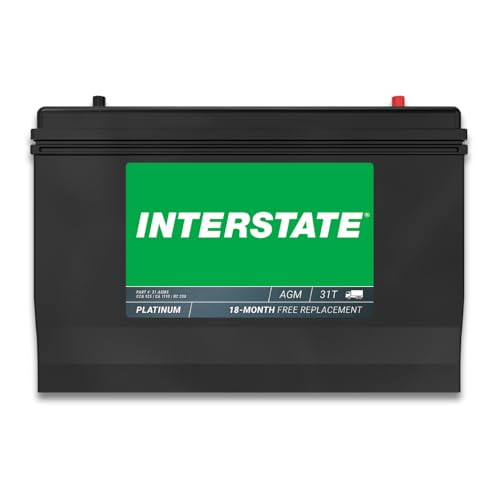
Interstate Batteries Marine/RV Battery 12V 100Ah 925CCA 1110CA Group 31 AGM

Seachoice Premium Durable Battery Tray Fits Group 31 Batteries
More Details On Our Top Picks
Weize leans into the middle ground in a useful way, with a sealed AGM build, 825 CCA for cranking, and 110 Ah for longer off-grid or dockside use. That mix suits a boat or RV that needs one battery to start the engine and keep accessories going without making you juggle separate units.
The 240RC rating, which points to reserve capacity, matters on days when lights, pumps, or a trolling setup stay on longer than expected. The trade-off is weight and size are still part of the AGM story, so this makes more sense for steady-duty rigs than for ultralight setups.
What We Like
- Dual-purpose design fits starting and house use.
- 110 Ah gives you solid runtime for accessories.
- 825 CCA helps with reliable engine starts.
- Sealed AGM construction is easier to live with in enclosed compartments.
- 240RC adds breathing room for longer trips or marina weekends.
Points To Note
- AGM batteries still carry more mass than lithium options.
- Its broad dual-use setup may be more than you need for a simple start-only job.
- Battery fit should still be checked against your tray and hold-down space.
Feature Rundown
Who It Suits Best
You benefit most from this pick if your boat or RV needs one battery that can start and also support everyday onboard loads.
A Better Fit Elsewhere
Litime 12V 165Ah Dual Purpose Cranking Starting LiFePO4 Battery for Boat suits you better if you want lighter weight and the appeal of lithium in a modern outboard setup.
After the battery itself, the hold-down hardware is the part many setups overlook. This tray uses a stainless steel buckle, so it’s aimed at keeping a Group 31 battery from shifting around in chop, trailer vibration, or a rough marina approach.
Installation is the main draw here, since the whole point is quick securing rather than a complicated bracket system. The honest read is that this is not the flashiest item in the lineup, but it matters a lot when a loose battery would be the real headache.
Bright Spots
- Stainless buckle helps hold the battery in place.
- Group 31 fit keeps the size target clear.
- Simple installation suits straightforward marine and RV setups.
- Useful for reducing movement on rough water or rough roads.
Softer Spots
- It’s a mounting accessory, so it adds value only with the right battery setup.
- You still need to confirm your compartment layout before installation.
Core Details
Whose Shelf It Belongs On
You’re the right match for this tray if you want a simple way to secure a Group 31 battery in a boat or RV compartment.
Where A Sibling Pick Shines
Seachoice Premium Durable Battery Tray fits you better if you just need a plain, sturdy tray without the added stainless buckle focus.
This ODYSSEY unit reads like a direct replacement choice, especially for setups that already want an AGM battery in the Group 31 class. That makes it appealing for maintenance-minded owners who care more about fit continuity than flashy extras.
Compared with the Weize battery, it’s the more stripped-down listing here, which can be a plus for a clean replacement path. You may find it best suited to a straightforward battery swap where the model match matters more than a long feature list.
Plus Points
- Replacement-oriented design suits direct swaps.
- AGM format works well for marine and RV duty.
- Brand and model naming make identification easier.
Room For Improvement
- The listing gives you fewer details to compare than some of the others here.
- It fits best for shoppers who already know their target size and type.
Feature Snapshot
The Right Fit
You’ll like this most if you want a Group 31 AGM replacement and already know the fit you need.
Look Elsewhere When
Interstate Batteries Marine/RV Battery 12V 100Ah 925CCA 1110CA Group 31 AGM is the better fit for you if you want more detailed output numbers in the listing itself.
Interstate keeps this one plain in a good way, with 12V, 100Ah, and 825 CCA giving you a familiar marine-and-RV profile. That makes it an easy mental fit for owners who want standard AGM behavior without chasing niche features.
Compared with the Weize unit, it gives up some capacity on paper, but that can be enough for smaller accessory loads or simpler weekend use. For most camp trips and casual boating routines, the shape of the spec sheet feels very workable.
Reasons To Buy
- 100 Ah suits steady everyday use.
- 825 CCA gives a familiar starting benchmark.
- Standard 12V layout fits common systems.
- Works well for owners who want a familiar AGM path.
Small Caveats
- It does not offer the higher output of the stronger cranking model later in this list.
- Lower capacity than the Weize choice may matter for longer accessory runs.
Details At A Glance
Made For
You’re the right fit for this battery if you want a familiar AGM option for regular marine or RV use.
A Better Fit Elsewhere
Weize BCI Group 31M Dual Purpose AGM Battery 240RC 825CCA 12V 110AH suits you better if you want more reserve capacity in the same general class.
Litime stands apart because it’s lithium iron phosphate, often shortened to LiFePO4, and that changes the whole feel of the category. The listed 165Ah capacity, 1200 CCA rating at 14°F, and self-heating feature point toward colder starts and modern outboard setups where extra flexibility matters.
The trade-off is that lithium adds its own compatibility questions, so the brand-fit notes matter more here than they do with a plain AGM battery. You’ll appreciate the reserve cutoff around 15 percent state of charge, which is a practical guardrail for keeping enough energy back for a start and return trip.
Upsides
- LiFePO4 design keeps the battery class modern and lighter than many AGM choices.
- 1200 CCA at 14°F gives strong starting intent.
- Self-heating helps in colder conditions.
- Works for cranking and onboard devices like fish finders or trolling motors.
- Built-in reserve cutoff helps protect starting margin.
Areas To Watch
- Compatibility matters more here than with the simpler AGM picks.
- Cross-brand fit deserves a careful look before installation.
- The feature set may be more battery than a basic weekend boat really needs.
Technical Sheet
Built With In Mind
You’re the right fit for this lithium pick if you run a modern outboard setup and want a dual-purpose battery with built-in reserve logic.
Swap It Out When
Weize BCI Group 31M Dual Purpose AGM Battery 240RC 825CCA 12V 110AH is the easier match if you want a simpler AGM path with fewer compatibility questions.
This Interstate model pushes harder on starting output than the earlier AGM picks, with 925 CCA and 1110 CA giving it a more forceful spec sheet. That extra headroom matters on heavier starts, colder mornings, or marine setups that put more strain on the battery.
Compared with the 100Ah Interstate above, this one looks better suited to owners who care more about cranking strength than about adding capacity alone. In a busy slip or on a truck-based RV setup, that stronger start posture can feel like the safer bet.
Best Bits
- 925 CCA gives stronger starting output than the earlier Interstate AGM.
- 1110 CA adds another high-output point for start-heavy use.
- 100 Ah still keeps it in a familiar marine and RV size class.
- Works well where a solid cranking reserve matters most.
Minor Gripes
- Higher output does not automatically mean longer accessory runtime.
- It may be more battery than a light-duty weekend setup needs.
Core Details
Who Will Love This
You’re the best match for this battery if your setup asks for stronger starting performance than a standard Group 31 AGM.
Where Shoppers Go Wrong
Interstate Batteries Marine/RV Battery 12V 100Ah 825CCA Group 31M AGM suits you better if your use is gentler and you do not need the extra starting output.
Seachoice keeps things very direct, a sturdy tray sized for Group 31 batteries and not much else competing for your attention. That simplicity helps in a compartment where a clean fit matters more than extra hardware features.
Compared with the T-H Marine holder, this is the quieter option, which can be exactly right for a plain marine box or RV bay. The trade-off is obvious, it’s a tray, so you’re getting support and placement, not the more specific buckle setup of the earlier pick.
Standout Traits
- Simple Group 31 fit keeps installation planning straightforward.
- Sturdy build suits basic marine and RV battery placement.
- Good match for owners who want a no-nonsense tray.
Worth Noting
- It does not add the buckle security of the T-H Marine holder.
- You still need to pair it with the right battery tie-down plan.
Quick Facts
Who Should Grab It
You’re the right fit for this tray if you want a basic holder for a Group 31 battery without extra hardware complexity.
Another Choice May Suit
T-H Marine Battery Holder Tray with Stainless Steel Buckle for 31 Series Batteries suits you better if a buckle-style hold-down matters more in rough water or trailering.
How To Choose The Right Agm Group 31 Battery
Start With The Job Your Setup Has To Do
A Group 31 battery can play different roles, and that’s where the first choice gets made. A dual-purpose AGM, like the Weize option, can start an engine and support accessories, while a start-focused battery leans harder toward cranking power. For a weekend boat with a livewell, lights, and electronics, the balance matters more than a single headline number.
Match Capacity To Real Use
Amp hours, usually written as Ah, tell you how much stored energy the battery can hold over time. Higher Ah numbers help when you run pumps, fish finders, or cabin loads for longer stretches, while lower numbers can still work fine for short outings and easier duty cycles. The trade-off is simple, more capacity often means more size, more mass, and more cost.
Don’t Ignore Cranking Numbers
CCA, or cold cranking amps, shows how much starting muscle a battery can give in cold conditions. That matters for outboards, RV engines, and any setup that has to wake up reliably after sitting overnight. A battery with stronger CCA helps, but it does not replace the need for the right tray, cables, and charging setup.
Fit, Mounting, And Chemistry Matter Too
AGM batteries are sealed lead-acid units, so they’re generally easier to place in tighter marine spaces than flooded batteries. Lithium iron phosphate, or LiFePO4, changes the equation with lighter weight and different charging expectations, which is why the Litime pick sits in a different lane. A secure tray or holder matters just as much as the battery itself, because a large Group 31 unit should stay planted in motion.
A Quick Reality Check Before You Decide
Mistakes Worth Dodging
A common slip is choosing capacity without checking the tray or battery box dimensions first. Another is pairing a battery with the wrong job, like buying a start-focused unit for long accessory runs or a heavy dual-purpose battery for a light-duty system. The cleaner move is to start with your actual load pattern and then work outward.
The Upgrade Payoff
Higher-tier models usually cost more because they bring more capacity, stronger starting output, or newer chemistry like LiFePO4. Better sealing, more reserve, and stronger cold-weather behavior can matter a lot on a boat that sees early launches or a rig that sits for stretches between trips. Spending up makes sense when you need fewer compromises and more margin.
Frequently Asked Questions
What does Group 31 mean?
Group 31 refers to a battery size class, which helps you match physical fit and terminal layout. It’s a starting point for tray, box, and compartment compatibility.
Is AGM better than lithium for marine use?
AGM is a familiar, sealed option that works well for many boats and RVs. Lithium can bring lighter weight and different performance traits, but it asks more from compatibility planning.
How much cranking power do you need?
That depends on the engine and the conditions it starts in. Larger engines and colder starts usually call for stronger CCA.
Can a dual-purpose battery replace two separate batteries?
It can in many simpler setups, especially where one battery must both start and run accessories. Heavy accessory loads or longer off-grid use may still push you toward a more specialized setup.
Do trays and hold-downs matter that much?
They do, because a Group 31 battery is heavy enough that movement becomes a real concern. A proper tray or buckle helps keep the battery stable in motion.
Final Thoughts
A good Group 31 battery choice comes down to the job you need done, not just the label on the case. The Weize and Interstate AGM picks cover most marine and RV needs with familiar, sealed power, while the Litime option suits a more modern lithium setup. Pair that battery with the right tray or holder, and the whole system feels far less fussy on the road or water. For most setups, that steady fit matters as much as the amp numbers.