


Dead starts rarely give you much warning, and a solid battery tester helps you sort out weak cells, charging issues, and starter draw before the morning rush turns messy. These seven picks cover simple voltage checks, load testing, and more advanced cranking and charging diagnostics, so you can match the tool to your vehicle routine. The spread is broad enough for a home garage, a small shop, or anyone who maintains more than one vehicle.
Quick Look At The Shortlist

OBDResource BR502 Battery Voltage Tester 6V 12V 24V

Battery Tender Battery Load Tester 12V 6V 026-0020

TOPDON BT600 Car Battery Tester 12V 24V 3.5 Screen Printer
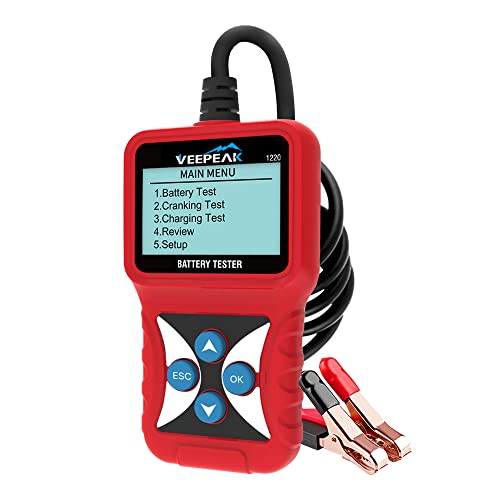
Veepeak 12V Car Battery Tester 100-2000 CCA

TOPDON BT50 Car Battery Tester 12V 100-2000 CCA

KAIHENG Car Battery Load Tester 6V 12V Voltmeter

VDIAGTOOL BT300 Car Battery Tester 12V 6V 5-3000 CCA
More Details On Our Top Picks
BR502 covers 6V, 12V, and 24V systems, so it suits homes that juggle a car, a motorcycle, and maybe a truck or boat. The CCA range runs from 100 to 2000, which gives you room for small batteries and larger starting systems without changing tools.
That broader spread makes it a steady pick for garage shelves with more than one kind of vehicle. The honest trade-off is that a plain digital analyzer like this leans toward direct readings, not the extra workflow polish you get from printer-equipped units such as the TOPDON BT600.
Strong Points
- Handles three common battery voltages in one tool.
- Works across cars, trucks, marine setups, and motorcycles.
- The 100 to 2000 CCA span gives you useful reach for many starting batteries.
- Digital output keeps day-to-day checks simple to read.
Areas To Watch
- It focuses on measurement, so you do not get a built-in print trail.
- For very busy service work, the interface may feel plain beside screen-forward models.
- Clip handling and cable storage still matter, since loose leads always turn into clutter later.
Feature Snapshot
Who It Suits Best
Home mechanics with a mixed garage get the most from this one.
Where A Sibling Pick Shines
TOPDON BT600 suits shop users better, since the screen and built-in printer help you keep a cleaner record trail.
This Battery Tender unit stays focused on the basics, and that narrow focus can be helpful in a garage where you want fewer buttons and less guesswork. It checks 12V batteries at 100 amps and 6V batteries at 50 amps, then adds starter motor draw checks, which gives you a clearer read on cranking and charging behavior.
Compared with the BR502, this one feels more like a dedicated load-check tool than a broad multi-voltage analyzer. The trade-off is simple, it gives you a practical job-specific approach, but it skips the broader voltage coverage of the OBDResource pick.
What We Like
- Load testing and starter draw checking live in one tool.
- Clear focus on 12V and 6V systems keeps use straightforward.
- Good fit for battery health checks and charging-system diagnosis.
- Works well for routine garage troubleshooting.
Small Caveats
- It does not stretch across 24V equipment.
- Service users who need broader fleet coverage may outgrow it.
- Clip storage and lead care still matter for long-term neatness.
Core Details
Right Fit For
You get the most value from this model in a garage that mainly handles 12V vehicles and the occasional 6V battery.
Another Choice May Suit
OBDResource BR502 is the smarter match for mixed fleets, since its 6V, 12V, and 24V coverage gives you a wider lane.
BT600 steps up in a very practical way, because the 3.5-inch screen and built-in printer change how the results fit into a busy workflow. In a repair bay, that matters more than flash, since you can hand over a printed record instead of relying on memory or scribbled notes.
It supports 12V and 24V systems with a 100 to 2000 CCA range, so it reaches from standard cars to heavier equipment without feeling narrow. Compared with the simpler Battery Tender tool, this one asks more of your budget but gives you a smoother paper trail and easier at-a-glance review.
Highlights
- The built-in printer helps keep test results organized.
- The 3.5-inch screen is easier to follow in a working bay.
- 12V and 24V support suits varied vehicle sets.
- The wide CCA range fits many common starting batteries.
- Good choice for shops that want repeatable record keeping.
Honest Caveats
- The extra features add complexity compared with plain handheld testers.
- Printer supplies and paper management become part of daily upkeep.
- For casual weekend checks, the feature set may feel more than you need.
Details At A Glance
Built With In Mind
Shop environments and frequent diagnostic use suit this model best.
Swap It Out When
Veepeak’s 12V tester is the calmer choice for home garages that only need routine charging and cranking checks.
Veepeak keeps the focus squarely on 12V systems, and that narrow lane often feels easier to live with in a normal garage. You get battery, charging, and cranking-system checks across vehicles such as cars, trucks, motorcycles, boats, ATVs, and RVs, which makes it handy for households with mixed equipment but a single common voltage.
Compared with the TOPDON BT600, this one trades the built-in printer and larger screen for a more straightforward setup. That makes it a sensible fit for everyday maintenance, especially where you want the readout without a lot of extra hardware to manage.
Upsides
- 12V focus keeps the job simple.
- Battery, charging, and cranking checks are all part of the tool.
- Works across many common vehicle types.
- Good match for routine household vehicle care.
Worth Noting
- It does not cover 6V or 24V systems.
- For larger shops, the single-voltage scope may feel narrow.
- Basic tools still benefit from careful clip storage after use.
Technical Sheet
The Right Fit
Households with several 12V vehicles, but no need for 24V coverage, should find this one easy to live with.
A Better Fit Elsewhere
OBDResource BR502 suits mixed-voltage garages better, especially when 6V and 24V gear sit beside the family car.
BT50 is the kind of tool that fits a regular driveway routine without asking for a lot of attention. It handles 12V systems, supports 100 to 2000 CCA batteries, and covers load, alternator, cranking, and charging-system checks, so you can look at the full starting picture in one sitting.
In use terms, that makes it a comfortable middle ground between the broader OBDResource BR502 and the more feature-heavy TOPDON BT600. The trade-off is that you do not get the printer or oversized display of the BT600, but the simpler format is easier to keep on hand.
Bright Spots
- Simple 12V focus suits common vehicles.
- Load, alternator, and charging checks are all included.
- The CCA span covers many everyday batteries.
- Good match for quick driveway diagnostics.
Points To Note
- It stays within 12V use, so wider fleets need another pick.
- Compared with BT600, the display and record-keeping tools are leaner.
- Stored cables and clips still need a tidy spot in the garage.
Core Details
Whose Shelf It Belongs On
You should look here for routine 12V maintenance in a home garage or driveway.
Look Elsewhere When
VDIAGTOOL BT300 is the stronger route for wider CCA range and more stretched vehicle coverage.
Some garages just need a small, no-drama tester, and this KAIHENG model fits that role well. It supports 6V and 12V batteries, adds a voltmeter, and uses alligator clips, so it stays close to the kind of straightforward kit that’s easy to grab for a quick check.
Compared with the more layered TOPDON and Veepeak picks, this one is more about compact utility than broad diagnostic range. The honest read is that it works best as a simple bench or shelf tool for occasional battery and alternator checks, not a feature-packed service unit.
Best Bits
- Compact layout suits smaller storage spaces.
- 6V and 12V support gives it useful flexibility.
- The built-in voltmeter helps with basic electrical checking.
- Alligator clips make hookup simple.
Room For Improvement
- It is narrower in scope than the higher-feature TOPDON units.
- Heavy-duty fleet work may call for a more advanced display and reporting setup.
- Clip and lead care matter, especially in small tool drawers where tangles happen fast.
Feature Rundown
Built For In Mind
This suits a small garage, a motorcycle corner, or a shelf where space is tight.
Reach For A Different Pick When
Battery Tender 026-0020 is a better fit for deeper load-check work, especially when you want starter draw analysis in the same tool.
BT300 reaches farther than most of the field, and that wider 5 to 3000 CCA span gives it a lot of room for different battery sizes. It also supports 6V and 12V systems, plus starter, alternator, charging, and cranking-system checks, so the feature set feels aimed at more varied vehicle work.
That broader range makes it a strong fit for mixed garages or owners who handle motorcycles, cars, trucks, SUVs, ATVs, and boats. Compared with the more basic KAIHENG unit, this one has more diagnostic headroom, though the extra scope can feel more than casual weekend users need.
Reasons To Buy
- The 5 to 3000 CCA range gives it wide battery coverage.
- 6V and 12V support keeps it versatile.
- Starter and alternator checks help trace charging-system issues.
- Good for households with several vehicle types.
- It gives you more room to grow than narrow single-purpose tools.
Softer Spots
- The broader feature set may be more than a simple battery check needs.
- Storage and clip handling matter, especially in a crowded garage drawer.
- For a very basic use pattern, the added range can feel more than necessary.
Quick Facts
Perfect Match For
You get the most from this model in a garage that sees different vehicle sizes and battery types.
Skip It When
OBDResource BR502 is easier to justify for simpler mixed-voltage work, since it stays broad without feeling as expansive.
How To Choose The Right Auto Battery Load Testers
Match Voltage Support To Your Garage
The first thing to sort out is voltage, because that decides how many vehicles one tester can actually serve. A 12V-only tool fits most cars and light trucks, while 6V and 24V support helps once you also maintain older equipment, marine gear, or heavier vehicles.
That matters more than flashy extras. You want the tester to match the vehicles in your driveway, not sit on the shelf because half the fleet sits outside its range.
Look At CCA Range And Load Behavior
CCA means cold cranking amps, the rating that shows how much starting current a battery can deliver in colder conditions. A wider CCA range gives you more flexibility across compact cars, SUVs, and larger batteries, so you do not outgrow the tool too fast.
Load testing also matters, since it helps show how the battery behaves under demand rather than just at rest. That separates a battery that looks healthy on a simple voltage check from one that sags during cranking.
Decide How Much Reporting You Need
Basic handheld units are fine for driveway checks, especially for periodic maintenance on one or two vehicles. Shop-style models with a larger screen or a built-in printer make more sense when you want clearer readouts, repeatable records, or a cleaner handoff after a diagnostic job.
The trade-off is simple, more reporting usually means more bulk and more upkeep. Paper, menus, and extra controls are useful in a work bay, but they can feel like clutter in a small home garage.
Think About Storage, Leads, And Use Frequency
Clip leads, cable length, and case size sound minor until you use the tester every few weeks. A compact tool is easier to stash in a drawer or carry to the driveway, while a larger analyzer is better suited to a fixed spot near your other diagnostics gear.
Regular users benefit from a sturdier body and clearer labeling. Occasional users usually do better with a simpler layout, because fewer steps means less friction the next time the battery light comes on.
Things Worth Knowing First
Common Shopping Slip Ups
Many people focus only on voltage and forget the battery range. That leaves them with a tool that works on the family sedan but not on the ATV, boat, or old truck that needs checking too.
Another easy miss is overlooking how the results will be used. A printed record helps in shop settings, while a plain screen is often enough for a garage that only needs a quick yes-or-no answer.
The Upgrade Payoff
Higher-tier models usually cost more because they do more than show a simple reading. Larger displays, broader voltage coverage, print output, and wider CCA handling all add parts, layout complexity, and convenience features.
That extra spend makes sense for frequent diagnostics or mixed vehicle fleets. For a single commuter car, the simpler route often makes more sense and keeps maintenance easier.
Frequently Asked Questions
What Does CCA Mean On A Battery Tester?
CCA stands for cold cranking amps, the amount of starting current a battery can supply in cold conditions. A tester with a wider CCA range covers more battery sizes.
Do You Need A Load Tester Or Just A Voltmeter?
A voltmeter tells you resting voltage, which is useful but limited. A load tester shows how the battery behaves under demand, which gives you a fuller picture.
Can One Tester Work On Cars And Motorcycles?
Yes, many of the models here cover both, especially the 12V options. The key is checking voltage support and the lower end of the CCA range.
Why Does A Built-In Printer Matter?
A printer helps you keep a paper record of the result. That is handy in a shop or any setting where you want a clear handoff.
Which Option Works Best For A Small Garage?
A compact 12V tester is usually the easiest fit. The KAIHENG and Veepeak models are both sensible starts depending on how much range you want.
Closing Thoughts
Your best match depends on how many vehicles sit in your care and how much detail you want from each check. The OBDResource BR502 covers the widest spread of voltages, the Battery Tender keeps load testing simple, and the TOPDON BT600 brings the most workflow polish. For everyday use, the Veepeak and TOPDON BT50 land in a comfortable middle zone. Pick the tool that fits your garage first, and the rest of the job gets easier.