


Inside a gasoline system, this fuel additive is meant to soften varnish and light deposits. It can smooth rough idle or help injector spray recover a bit, but it will not raise octane or repair worn parts.
Here, the focus stays on what it can realistically change, how to use it in gasoline, and how to judge the result when the engine needs cleanup rather than a miracle.
What Sea Foam Is Doing In The Fuel Tank
In the gasoline-additives category, Sea Foam is neither the fuel itself nor an octane booster. You’ll see it sold for cars, trucks, small engines, and carburetors, with some versions also aimed at diesel use.
The blend moves with the fuel through the tank, lines, injectors, and combustion chamber, so the result depends on how much residue is already there. A well-kept engine usually shows little drama, while a neglected one may improve only a little.
SAE research on deposit control points to a familiar pattern: soft carbon comes off more easily than hard, baked-on buildup. That fits seafoam in gas tank because it only reaches what the fluid can carry, and it cannot change metal wear or electrical failure.
What It Is And What It Is Not
Sea Foam belongs with cleaning additives, not power enhancers. It does not meaningfully raise octane, so it will not cure knock caused by low-grade fuel or bad timing.
Where It Moves Through The System
The solvent mix passes the fuel pump, fuel injectors, intake valves in GDI engines, and the combustion chamber. In a carburetor, it can loosen gum in jets and passages, which is why small-engine owners still keep it on hand.
That path is why the cleaner can affect soft buildup in several spots at once, and it also explains why the next section covers the changes you can actually notice.
That same action can soften deposits in several places, which leads naturally to the visible changes you may notice.
Where The Cleaner Can Make A Difference
Soft varnish is where the cleaner tends to help most. Seafoam in gas tank earns its reputation through gradual improvement, not a dramatic overnight reset.
A steadier idle, fewer hesitations on tip-in, or slightly cleaner starts can show up after a few drives. Those gains appear most often in engines that are only moderately dirty, where injector spray has drifted but the part still functions.
A clean fuel system often shows very little change. That quiet result is not a failure; it usually means maintenance was already doing the job and there was little residue to move.
Small Gains That Drivers Notice
Rough idle can settle down when softened deposits stop disrupting fuel flow at low throttle. A mild misfire tied to sticky injector tips may fade once the spray pattern evens out.
Why Clean Engines Stay Quiet
When injectors, filters, and plugs are already in good shape, there is little residue for the solvent to shift. In that case, performance stays about the same, and that still gives useful diagnostic information.
That quiet result matters because a bottle cannot revive a broken part, and the next section separates cleanup from real mechanical failure.
A quiet improvement has limits, and that is where cleanup ends and true mechanical damage begins.
The Problems It Will Not Solve
A bad fuel pump does not come back to life because a cleaner passed through it. Mechanical wear, broken windings, and seized internal parts need repair or replacement, not an additive.
The same limit applies to a clogged fuel filter, a damaged injector, or a cracked hose. Sea Foam can help with soft contamination, but it cannot rebuild a worn needle valve, restore lost pressure, or fix a check engine light caused by a failed sensor.
One hard lesson shows up in shops all the time. A driver adds a bottle, expects the stumble to disappear, and later learns the real issue was low fuel pressure or a dead injector coil. Additives can help a system that still works; they cannot replace hardware.
Failures That Need Service
- Fuel pump wear requires diagnosis because weak pressure changes how the engine runs at every load.
- Clogged filters block flow and need replacement, even after a cleaner run.
- Injector faults need electrical or mechanical repair when spray pattern cannot recover.
- Worn spark plugs can mimic fuel trouble and should be checked before blaming the additive.
- Vacuum leaks create lean running that no tank treatment can fix.
What It Cannot Restore
Fuel system cleaner for gasoline engines cannot bring back metal that has worn away or plastic that has cracked. Once a component reaches that point, the repair has to be mechanical, not chemical.
That boundary becomes easier to see once you use the product correctly, so the next section focuses on dosing and mixing.
That line is clearer when the product is used properly, especially the right dose and thorough mixing.
Using It Safely In Gasoline
Label dosing matters because extra cleaner rarely adds more cleaning power. A bottle measured for a full tank is designed to mix at a safe concentration, and overuse just adds expense without changing the result.
Pour it into the tank before fill-up or into a tank with enough fuel for mixing, then drive normally. That lets the Sea Foam gas treatment travel through the fuel system rather than sit in one spot at a high concentration.
Use the bottle exactly as directed on the package. Stronger dosing does not turn a mild cleaner into a repair, and very heavy dosing can create more smell and cost than benefit.
For gasoline engines, this additive fits as a maintenance support, not a substitute for plugs, filters, oil changes, or injector service. A routine service interval still matters more than any can or bottle you add to the tank.
Label Dosing And Mix Quality
The safest habit is simple: match the bottle dose to the fuel volume and let the tank blend the product over normal driving. That protects the fuel pump from unnecessary concentration swings and keeps the cleaner where it can work.
How To Use Sea Foam In Gasoline Without Guesswork
- Check fuel level so the bottle dose matches the amount in the tank.
- Pour before filling to help the incoming gasoline mix the cleaner.
- Drive the tank down so the treated fuel cycles through injectors and lines.
- Watch idle and throttle for subtle changes instead of chasing instant proof.
- Skip extra bottles because more additive does not mean more cleaning.
That dosing logic also helps you separate cleanup from storage protection, which is the next distinction worth making.
Proper dosing also separates cleaning from long-term storage, a distinction that matters for different fuel needs.
Fuel Stabilizer Versus Fuel System Cleaner
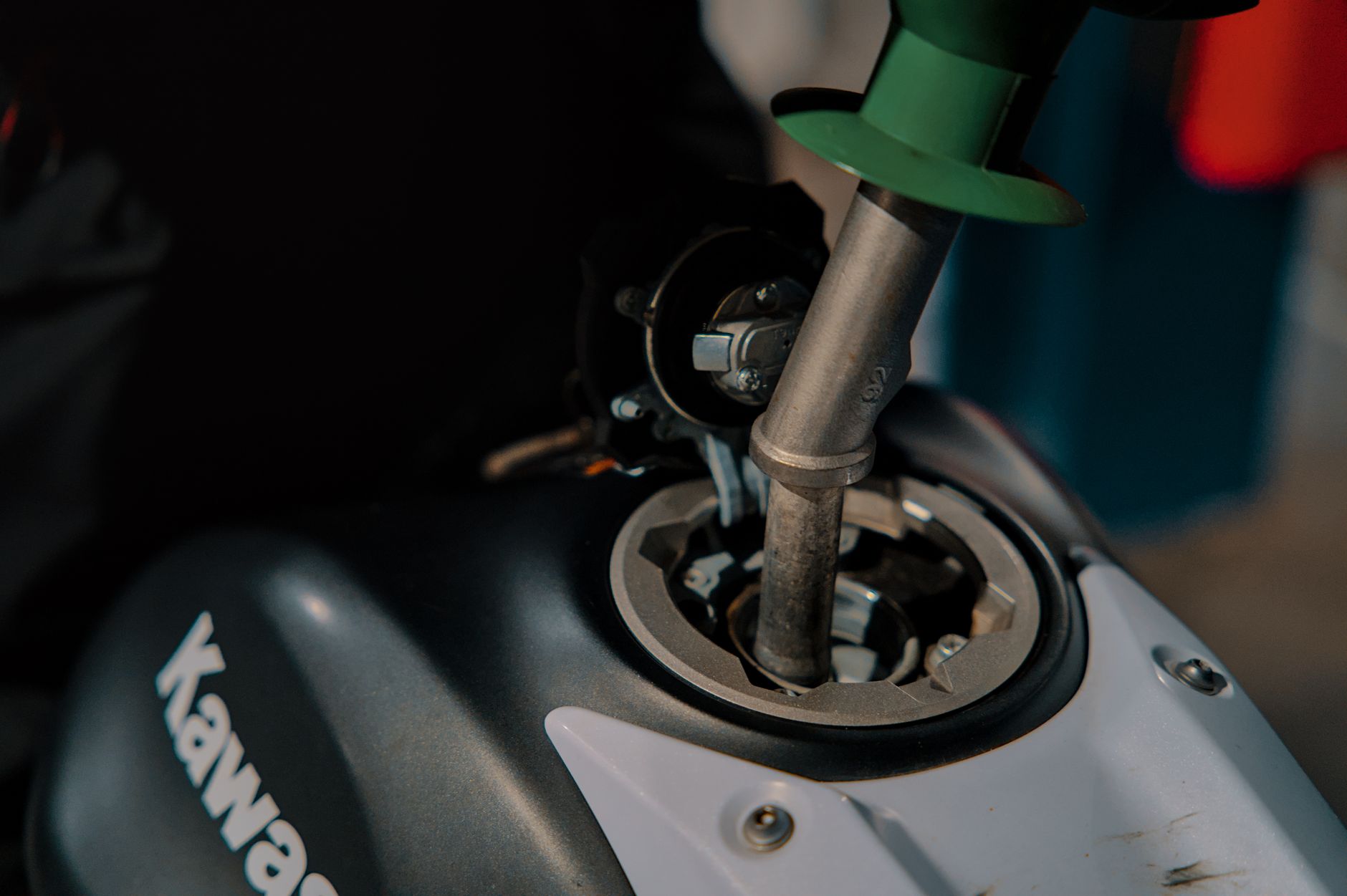
Sea Foam clears deposits, while a stabilizer protects stored gasoline from breaking down. Those are related jobs, but they are not the same job, and your choice should match the problem sitting in the tank.
Old fuel turns stale as lighter hydrocarbons evaporate and oxidation products form gums and varnish. A stabilizer slows that chemistry, while a cleaner targets residue that is already present. Sea Foam does not revive fuel that has already gone bad the way a storage additive is meant to slow degradation.
A seasonal mower, boat, or collector car can need both kinds of help, but not for the same reason. One product supports storage, the other supports clean flow through the fuel system, and mixing those goals into one purchase causes confusion.
Cleaning Versus Storage Protection
| Need | What Helps | Why It Fits |
|---|---|---|
| Light deposit removal | Sea Foam | It can soften varnish in injectors, carburetors, and lines. |
| Stored gasoline | Fuel stabilizer | It slows the fuel breakdown that happens during storage. |
| Both jobs | Separate products | You may need cleaning now and storage help later. |
How To Choose The Right Role
Use a cleaner after rough running, gummed injectors, or a long stretch of short trips. Use a stabilizer before storage periods, especially in equipment that sits for months and runs on gasoline that ages in the tank.
That split keeps your diagnosis clean. If the problem is residue, the cleaner is the better fit; if the problem is stale fuel, storage protection matters more.
Once you know the job, you can set expectations for the results instead of waiting for a full reset that never comes.
Knowing the purpose keeps expectations grounded, rather than hoping for a complete turnaround from one treatment.
Setting Realistic Expectations For Results
Cleaner injectors and smoother running are possible, but only when deposits are the real cause. seafoam in gas tank will not change compression, valve wear, or a weak coil pack, so the result can be subtle.
The best sign is incremental improvement. A cold start may need one less crank, a stumble at light throttle may fade, or fuel economy may recover a little after flow normalizes. Those changes are useful because they point to deposit-related trouble rather than deep hardware failure.
Think of the additive as a solvent pass, not a cure-all. It can clean the path, but it cannot repair the parts that shape the path. That is why matching the product to the issue gives you a clearer result than chasing a dramatic fix.
Real-World Cases That Fit The Product
A commuter sedan that sits through short city trips can collect soft injector deposits, and a cleaner run may smooth out a slightly shaky idle. A lawn mower with a sticky carburetor may start and idle better after a treated tank. A truck with a dead fuel pump will still stall.
Signs That Point To A Different Problem
Repeated misfire codes, hard fuel pressure loss, or a check engine light that returns right away usually point beyond deposits. In that case, the additive gave you information, because the system still acts broken after the cleaning pass.
When problems return immediately, the issue is usually deeper, and the cleaning pass has already revealed that.
What To Remember
Sea Foam can help a gasoline engine that has light varnish, soft buildup, or a sticky carburetor, but it is not a repair in a bottle. Use it at the label dose, match it to the problem, and judge the change by small improvements rather than a complete turnaround.
FAQ
Does Sea Foam actually work in a gas tank?
Yes, it can work as a fuel-system cleaner when the issue is soft deposit buildup. The effect is modest and depends on engine condition, so a clean system may show little change while a dirtier one may run a bit smoother.
How much Sea Foam should I put in a gas tank?
Use the amount on the label for your tank size and do not add extra. More product rarely means more cleaning, and the safest result comes from the measured dose that matches the fuel volume.
Is Sea Foam safe for all gasoline engines?
It is commonly used in gasoline engines, including many fuel-injected cars, carburetors, and small engines, as long as you follow the container directions. A damaged pump, clogged filter, or worn injector still needs normal repair service.
What does Sea Foam do to fuel injectors?
It can loosen light varnish and soft residue that interfere with injector spray pattern. That can help flow stay more even, but it will not fix a failed injector, bad wiring, or a worn internal part.
Can Sea Foam damage a catalytic converter?
Used at the label dose in a sound engine, it is not meant to harm the catalytic converter. Trouble comes from overuse, already rich running, or an engine fault that sends excess fuel into the exhaust.