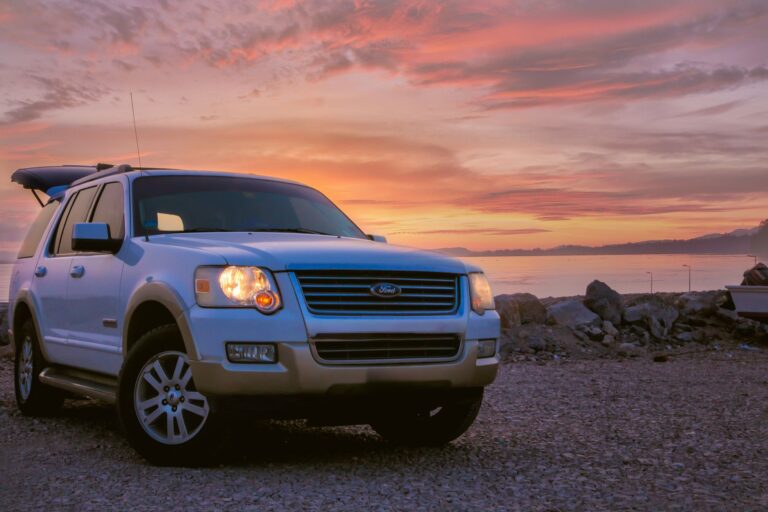
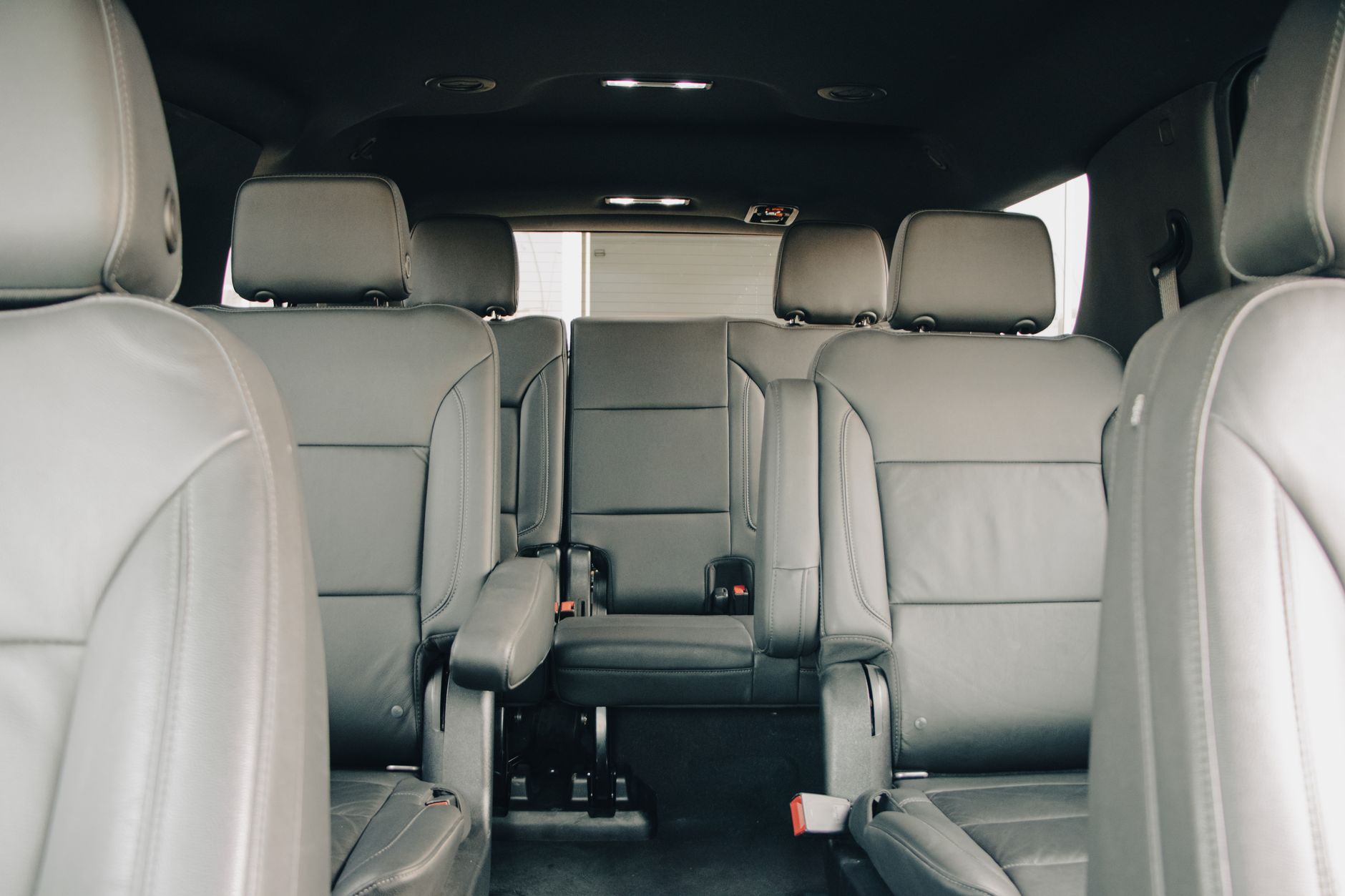

Deep floor wells let the second- and third-row seats disappear in minutes, turning a family van into a cargo hauler without a wrench. That setup saves time on school runs, warehouse pickups, and road trips because you don’t have to drag heavy seats out first.
Here’s the scope: the models that still use the layout, the trims that keep it, and the cross-shoppers worth a look when underfloor storage matters most for family use or regular hauling.
How Stow N Go Changed Minivan Packaging
Two floor bins changed what a family van could do. Chrysler’s Stow ‘n Go system stores the second-row and third-row seats in cavities under the cabin floor, so the rear area turns flat without lifting seats out of the vehicle.
That matters because the folding process is quick and tidy. Pull a release, fold the cushion, tuck the seat into the well, and you’ve got cargo room back without leaving hardware in the garage. For school bags, paper goods, sports gear, or a folded stroller, that speed beats a removable-seat setup.
In-floor wells do the heavy lifting
The seat wells sit where a raised floor or spare-tire package would otherwise live. Chrysler engineers used that unused space to create a storage pocket deep enough for the seat frame, which is why the cabin can hold seven or eight passengers without giving up the ability to swallow plywood boxes or luggage.
Flat cargo space comes from the seat architecture
The mechanism is physical, not magical. The seatback folds forward, the cushion collapses, and the assembly drops into the floor cavity, leaving a low, nearly level load surface. That shape reduces the lip you have to lift over, which makes heavy coolers and suitcases easier to slide in.
You notice the difference most in daily use. A daycare pickup, a home-center run, and a weekend road trip all ask for different layouts, and the van shifts roles without a wrestling match. That flexibility is why minivans with Stow ‘n Go seating still get searched even as newer vans chase hybrid mileage and quieter cabins.
That same practical appeal helps explain why shoppers keep comparing the closest Chrysler and Dodge cousins.
The Chrysler And Dodge Models Most Closely Linked To It
That packaging shows up most clearly in Chrysler and Dodge nameplates. Dodge Grand Caravan and Chrysler Town & Country made the feature famous, and Chrysler Pacifica gas versions kept the idea alive after the Town & Country name retired.
The link is strongest with Chrysler and Dodge because the system was built into the floor from the start. Chrysler Voyager belongs in that same family, since its gas powertrains have carried the layout in several model years and fleet-style configurations.
Dodge Grand Caravan remains the classic reference point
The Grand Caravan is the van many shoppers still think of first. Its second-row and third-row Stow ‘n Go setup became a family staple because it paired low effort with plain, useful cabin space. Used models from the final generation remain popular for that reason.
Chrysler Town and Country set the template
Town & Country helped turn the idea into a mainstream expectation. It offered the hidden-floor design on gas-powered trims, and it paired that with storage bins, power sliding doors, and easy-entry seating that made suburban hauling simpler.
Chrysler Pacifica gas trims keep the idea alive
Pacifica gas models matter because they carried the system into a newer body shell. The Pacifica Hybrid uses a different floor package, but the conventional gasoline version can still give you the same tuck-away utility that made the original setup famous.
Chrysler Voyager also belongs in the conversation because it shares much of the Pacifica’s architecture in a lower-content package. For fleet use or plain transportation, that can mean the same cargo trick at a different trim level.
That family tree creates a practical problem, though, because not every seven-passenger van with folding seats gives you the same floor trick. The next section separates true underfloor storage from seats that only look similar.
Not every folding seat hides cargo the same way, and that difference narrows the field fast.
Seven Minivans Worth Cross-Shopping
A clean comparison helps here because seat motion alone does not tell the whole story. Some vans fold flat, some remove seats, and only a few bury the seats beneath the floor, which changes how much cargo space you get and how fast you get it.
| Model | Stow ‘n Go Status | What You Should Check |
|---|---|---|
| Chrysler Pacifica gas | True in-floor system on many gas trims | Verify powertrain, because hybrid versions use a different floor |
| Chrysler Voyager | Shares the Chrysler underfloor layout on gas trims | Confirm the trim year, since equipment can vary by package |
| Dodge Grand Caravan | Classic Stow ‘n Go reference | Check model year and trim, since the nameplate ended in the U.S. |
| Chrysler Town & Country | Older true Stow ‘n Go van | Used-market condition matters more than mileage alone |
| Honda Odyssey | Fold-flat and removable center seat, not in-floor storage | Look at the seat-removal process and cargo length |
| Toyota Sienna | Fold-flat seating, hybrid packaging in current versions | Check row layout by trim, since seat behavior changes with generation |
| Kia Carnival | Fold-flat and reclining seating, no underfloor wells | Assess comfort and space, not hidden seat storage |
The table matters because minivans with underfloor storage solve a different problem than minivans with fold-flat seats. One gives you instant open floor space. The other gives you seat flexibility without the same hidden cavity.
For a family that needs fast cargo swaps, Pacifica gas and Voyager sit closest to the original formula. Grand Caravan and Town & Country fill the used-market lane, while Odyssey, Sienna, and Carnival stay in the cross-shop pool for different reasons. That split matters even more once hybrid packaging enters the picture.
Gas trims preserve the hidden wells
The gas versions matter most here. Their floor package leaves enough room for the seat tubs, which is why the same nameplate can behave very differently once you cross into electrified trim or a different generation.
Used vans still matter for this feature
A well-kept Grand Caravan or Town & Country can give you the same folding pattern at a lower entry point. Condition, rust, sliding-door function, and seat hardware matter more than badge age, because the mechanism has to move smoothly for the system to feel worthwhile.
That brings up the biggest trap in this search, since hybrid packaging changes the floor from the inside out. The next section explains why that happens and which trims deserve a closer look.
Battery placement reshapes cabin storage, so the hybrids deserve a separate look from the gas models.
Where Hybrid And Electrified Versions Differ
Battery placement steals the space that Stow ‘n Go uses. A hybrid minivan needs room for battery modules, cooling pathways, and related hardware, and that package usually sits under the floor where the seat wells would go.
That packaging choice changes the seating story more than the badge does. The Chrysler Pacifica Hybrid is the clearest example: its electrified floor setup supports efficiency and electric driving, but it does not leave the same room for underseat storage that the gas van gets.
Floor depth decides seat storage
Seat wells need vertical depth. Battery packs need volume and protection. Those two demands compete for the same real estate, which is why many plug-in or hybrid minivans lose the hidden storage system even though the cabin still folds in flexible ways.
Trim sheets can hide the detail
Equipment lists can look similar while the floor package changes underneath. Pacifica gas, Pacifica Hybrid, and certain Voyager or fleet trims can share a name but not a seat layout, so the engine badge and trim code matter more than the brochure photo.
Check the build sheet, not just the floor mat. A hybrid powertrain can change the seat architecture even inside the same model family, and that difference shows up only after you open the cargo area.
That tradeoff explains why some minivans with Stow ‘n Go seating remain gas-only. Once battery packaging enters the picture, the feature often leaves with it, which pushes many families toward fold-flat alternatives instead of hidden-floor storage.
As soon as batteries take floor space, many buyers start weighing simpler fold-flat designs instead.
Fold-Flat Alternatives From Other Minivan Brands
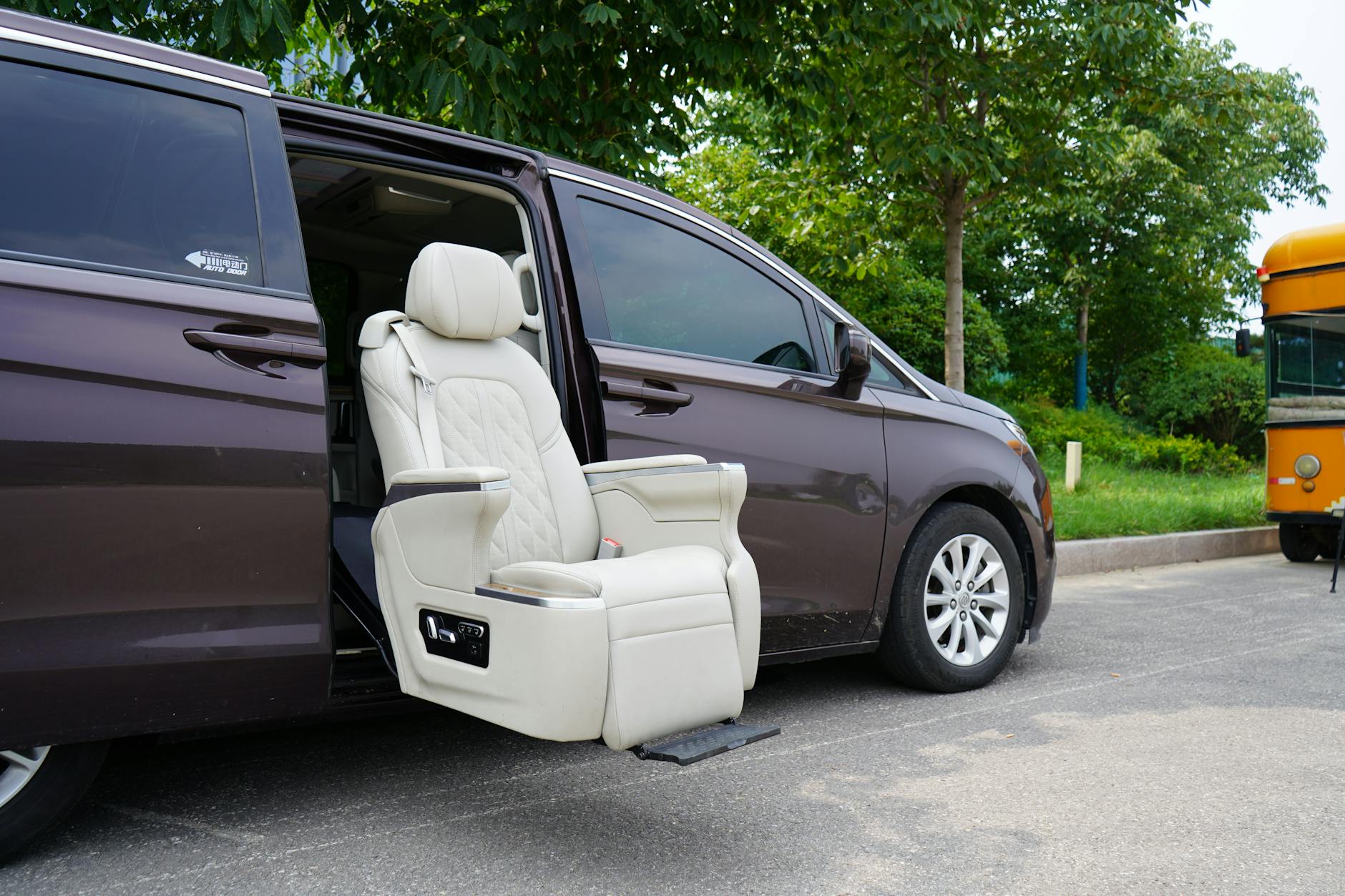
Honda, Toyota, and Kia take a different route. Their vans give you folding or removable seating, but the floor usually stays fixed, so cargo access depends on seat movement rather than buried wells.
The practical tradeoff is clear. You may get a quieter cabin, a hybrid powertrain, or a more carlike ride, but you lose the instant open floor that makes heavy cargo easier to load. For many households, that is a fair exchange. For others, it is the deal breaker.
Honda Odyssey favors seat flexibility
The Odyssey’s second row uses removable or fold-flat elements, including the much-discussed middle seat setup. That creates room for seven or eight passengers depending on trim, but the process is less tidy than a true underfloor system.
Toyota Sienna leans into electrified packaging
The current Sienna is hybrid only, and that design choice shapes the cabin floor. You still get useful seating changes and strong family transport ability, but the battery layout leaves no room for the same hidden storage pockets found in Chrysler gas vans.
Kia Carnival offers space without buried seats
The Carnival gives you a broad interior, easy access, and adult-friendly third-row room. Its seatbacks fold, and that helps a lot for strollers and luggage, yet the van never behaves like a Stow ‘n Go model because the floor is doing a different job.
Mechanically, this is a packaging story, not a comfort story. The floor pan, crash structure, and battery location all shape what the cabin can do, and those elements matter more than marketing language when you load a 40-pound cooler or a stack of folding chairs.
That leaves the real buying question: which setup fits your daily life. The next section turns that into a simple way to choose.
Different routines call for different compromises, which makes the best layout surprisingly personal.
The Right Choice For Families And Cargo
Fast role changes point you toward the Chrysler and Dodge vans. A soccer weekend, a home-center run, and a vacation trip all ask for a different cabin, and the hidden-floor layout lets you swap those roles without removing seats from the vehicle.
Comfort and cargo utility still need balance. Odyssey and Carnival can feel appealing for seating comfort, while Pacifica gas and Voyager reward you more when cargo turnover matters every week. The best fit depends on how often your van becomes a hauler instead of a shuttle.
Match the van to the job
- Daily cargo swaps favor gas Pacifica, Voyager, Grand Caravan, or Town & Country.
- Passenger comfort first points toward Odyssey, Sienna, or Carnival.
- Used-market value often lands on Grand Caravan or Town & Country.
- Hybrid efficiency usually means giving up underfloor seat storage.
- Seven-passenger use stays easiest in vans with clear middle-row access.
Check the powertrain, then the trim. That order matters because the same nameplate can hide different floor hardware. A Pacifica gas model and a Pacifica Hybrid solve different problems, and the trim sheet tells you which one matches your cargo routine.
Look at seat weight and frequency of use. Stow ‘n Go shines when you fold seats several times a month, not once a year. A fixed or removable-seat van can still work well, but it asks for more effort each time the cabin changes shape.
The cleanest way to choose a seven-seater minivan is to start with your cargo pattern, then narrow to the body layout that serves it without fuss. That simple filter saves you from buying a van that looks right on paper but feels slow in your driveway.
A good match should handle your real errands easily, and one final checklist keeps that clear.
What to Remember
The feature matters because it turns a minivan into a quick-change tool. Gas Chrysler and Dodge vans still own that lane, while hybrid and rival models trade hidden wells for other strengths. Your best pick comes from the job you do most, not the badge on the grille.
FAQ
What minivans have full Stow ‘n Go seating?
Chrysler Pacifica gas models, Chrysler Voyager gas models, Dodge Grand Caravan, and older Chrysler Town & Country vans are the clearest matches. The hybrid Pacifica is different because the battery package takes the floor space that the seat wells need.
Which minivan has the best fold-down seats?
The answer depends on what “best” means to you. For true hidden-floor storage, Chrysler and Dodge vans lead the field; for comfortable fold-flat flexibility, Honda Odyssey, Toyota Sienna, and Kia Carnival all make strong cases.
Which 7-seater minivan is the best?
A van that fits your passengers, cargo, and daily loading routine usually earns the title of best 7-seater minivan. If you swap between cargo and passengers every week, a gas Chrysler Pacifica or Voyager makes sense; if seat comfort matters more, Odyssey, Sienna, or Carnival may fit better.
Which minivan has fold-down seats?
Most modern minivans do, including Honda Odyssey, Toyota Sienna, Kia Carnival, Chrysler Pacifica, and Chrysler Voyager. The difference is whether the seats fold flat in place, remove, or disappear into the floor through Stow ‘n Go wells.
Do all Chrysler minivans have Stow ‘n Go seating?
No. The system is most closely tied to Chrysler gas minivans, and the hybrid Pacifica uses a different floor layout. Trim, powertrain, and model year all matter, so the window sticker or build sheet should be checked before you decide.