
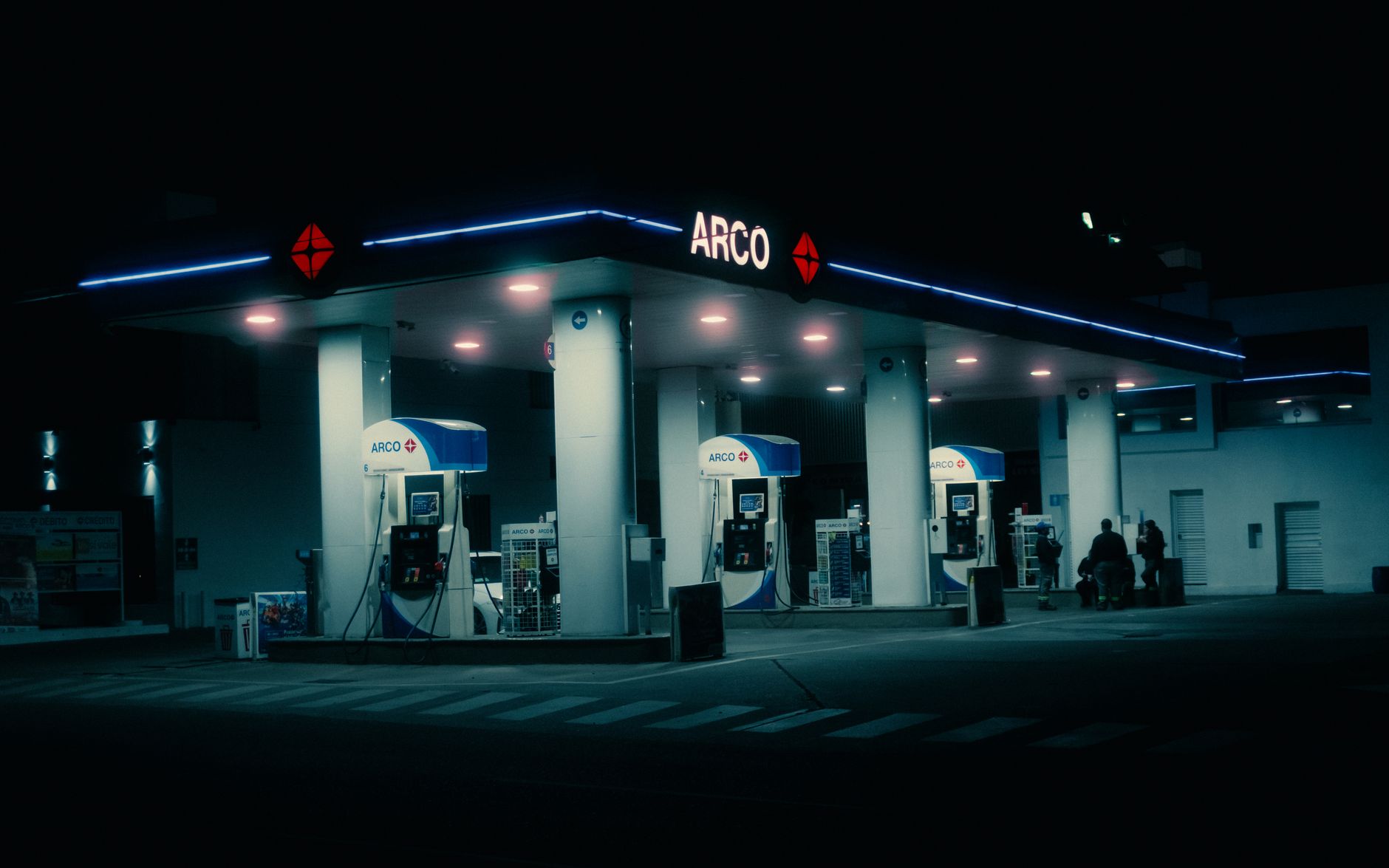

For most cars, yes, if the station is busy, well kept, and selling the octane your engine needs. The main differences usually show up in detergents, turnover, and site upkeep rather than at the nozzle itself.
This overview covers ARCO gas quality, how octane and additives affect performance, and what matters most for drivers choosing fuel for everyday use or higher-demand engines.
Where Arco Fits In The Fuel Market
That lower price usually reflects a simpler retail setup, not automatically weaker fuel. ARCO sits near the value end of the market, so you often pay less for the pump experience and the overhead behind it. You’re not paying for a polished premium image, which is why the brand can look different from Chevron or Shell without being poor in practice.
A busy Arco station with solid turnover can still supply fuel that works for commuting, school runs, and freeway miles. A neglected station anywhere can cause trouble through stale storage, weak tank care, or dirty dispensing equipment.
Value Pricing Does Not Mean Weak Fuel
Gasoline that meets the posted grade still has to satisfy basic engine needs. Octane tells you how well fuel resists knock, while station upkeep tells you how clean and consistent the fuel path stays from the underground tank to the filler neck.
So the answer can be yes for everyday use, even though the brand isn’t built around premium polish. The canopy logo matters less than the condition of the site.
Station Turnover Changes The Risk Profile
Fresh fuel moves through tanks faster, and that lowers the chance of water separation, sediment pickup, and stale storage conditions. AAA has long noted that station maintenance and fuel handling can matter as much as brand name, which is why two stations on the same road can feel very different in your car.
A highway Arco with steady traffic can be a better stop than a low-volume premium site with poor upkeep. That leads straight to the bigger question of what actually makes gas quality high or low in the first place.
Because upkeep shapes results as much as branding, the real issue is what changes fuel quality at the pump.
What Actually Determines Gas Quality
Octane rating and detergent package aren’t the same thing, and that split explains most of the confusion around fuel brands. Octane measures resistance to knock, while additives help keep intake valves, injectors, and combustion chambers cleaner over time.
That’s why major names such as Chevron, Shell, and Costco spend so much energy on detergents and station reputation. The label on the pump tells you the brand, but it doesn’t tell you whether the tank is managed well or whether the fuel blend is designed for long-term cleanliness.
Octane Handles Knock, Additives Handle Deposits
Knock is uncontrolled combustion, and it happens when the air-fuel mix ignites at the wrong moment under heat and pressure. Higher octane fuel resists that problem better, which is why BMW and other turbocharged engines often call for premium in the owner’s manual.
Detergents work in a different way. They help slow varnish and carbon buildup on injectors and intake valves, which can preserve spray pattern and airflow. That chemical split matters more than branding when you ask whether cheap gas is worth it.
Consistency Matters More Than The Canopy Logo
A station with strong turnover, clean filters, and regular tank care can outperform a fancier brand that’s poorly run. Fuel quality varies by handling, not just by refinery source, and that’s why the same brand can feel smooth at one location and mediocre at another.
For everyday driving, that means your local station habit matters. Fill at a place that moves fuel fast and keeps its forecourt in good shape, and you often get better results than chasing a name alone. ARCO gas quality follows that same pattern.
That pattern makes brand comparisons less absolute, which leads to the standards behind modern gasoline.
Arco Compared With Chevron And Other Major Brands
That tradeoff shows up most clearly when you compare a value station with a polished premium brand. Chevron and Shell sell more than gasoline; they sell confidence, and that extra polish shows up in detergents, station design, and service consistency. Arco trims much of that overhead, so the pump price can sit lower even when the octane grade matches what your engine wants.
In normal commuting, the gap in engine performance is often small for cars that only need regular fuel. The difference becomes easier to notice over long ownership periods, in deposit-sensitive engines, or in cars that spend a lot of time in stop-and-go traffic.
| Brand Group | What You Usually Get | Best Fit For |
|---|---|---|
| Arco | Value pricing, plain retail setup, fuel that depends heavily on station upkeep | Daily commuting, budget focus, cars that need standard octane |
| Chevron | Strong detergent marketing, polished station image, higher retail overhead | Long-term owners, cleaner-running preference, deposit-sensitive engines |
| Shell | High visibility branding, detergent focus, broad station presence | Drivers who want a premium-brand routine and steady station availability |
| Costco | Club pricing, high turnover at busy locations, simple fuel-only model | Value-minded drivers near a busy warehouse site |
Everyday Driving Reveals Small Gaps
On a normal sedan or crossover, you may feel little difference at all as long as the fuel meets the required grade. Fuel economy, throttle feel, and cold starts depend more on vehicle condition, weather, and traffic than on brand logos alone.
That doesn’t mean every brand is interchangeable. Premium brands may offer better additive packages than discount brands, and that can matter once engine deposits begin to build. It’s the long game that separates the most polished fuel programs, which is why ARCO versus Chevron gas is often a question of maintenance and detergent quality rather than raw drivability.
One Fill-Up Rarely Tells The Whole Story
A single tank of gas is a small snapshot, not a verdict. The BMW engineer’s concern is knock resistance and injector cleanliness over thousands of miles, while your commuter car may never show a meaningful gap between Arco and Chevron.
For many vehicles, yes, provided the station is cared for and the fuel grade fits the engine. The next layer is whether the fuel meets Top Tier expectations, which changes the answer for some cars.
Once those differences are clear, the question shifts to how much protection a driver actually needs.
Top Tier Standards And What They Mean For Drivers
Top Tier gasoline was created to limit intake-valve and injector deposits over time, and that is its main selling point. The standard uses a detergent level that exceeds the minimum required by federal rules, so the goal is cleaner internal surfaces, not higher octane by itself.
Arco is not generally positioned as a Top Tier brand, which means you’re buying a different value proposition. That doesn’t make ARCO gas bad for your car, but it does change the long-term chemistry picture for deposit-prone engines.
Top Tier Targets Deposit Control
Fuel detergents do more work than many drivers realize. Deposit buildup can distort injector spray, reduce atomization, and leave carbon on intake valves, which raises friction in the airflow path and can dull throttle response over time.
Top Tier gasoline matters most in engines that live on short trips, hot restarts, or direct injection. Those conditions leave more residue behind, so stronger detergent packages can pay off over time.
That benefit is real, but it isn’t universal. A well-kept older V6 that sees highway miles can run fine on a non-Top Tier fuel, while a direct-injected turbo four may appreciate the cleaner additive package much more.
Top Tier Is An Advantage, Not A Requirement
Vehicle makers care most about the recommended octane, not the brand name on the sign. EPA fuel standards already set a floor for legal gasoline, and Top Tier sits above that floor as a cleanliness-oriented step, not as a safety threshold.
That’s why the right answer depends on your engine design and driving pattern. Once that’s clear, the real question becomes what your car actually needs to run safely day to day. Not generally, and that is the key distinction.
The answer depends on the vehicle, and that practical test is what separates safe fueling from unnecessary upgrades.
What Your Car Actually Needs To Run Safely

Your owner’s manual matters more than any fuel logo. The manufacturer sets the octane requirement because combustion timing, compression, and knock resistance have to match the engine’s design, and the wrong grade can bring pinging or reduced performance.
ARCO fuel should work for most vehicles if it meets the required grade. Premium fuel only becomes necessary when the engine specifically calls for it, such as many turbocharged models or higher-compression engines that are tuned around 91 or 93 octane.
Regular Grade Works In Most Cars
Most sedans, crossovers, and small SUVs run on regular fuel without issue. In those cases, the brand name matters far less than the posted octane and the station’s handling, because the engine doesn’t need premium chemistry to operate as designed.
A Camry, CR-V, or Escape with a regular-grade recommendation is a simple example. Fill it with a clean 87 octane fuel from Arco, Chevron, or Shell, and the car should behave as intended as long as the station is in good shape.
Premium Belongs Where The Manual Calls For It
Some engines are built to expect higher knock resistance. A BMW turbo four, a higher-compression sports sedan, or a performance SUV can pull timing on lower octane, which hurts response and can raise combustion noise under load.
That isn’t a brand issue. That’s an engineering issue. Use the grade the maker asks for, then judge the station by cleanliness, turnover, and consistency rather than by hype. The best gas brands for engine performance are the ones that match the manual and keep the fuel system clean.
- Match the grade. Use the octane printed in your manual.
- Watch station traffic. Busy pumps usually mean fresher fuel in the tank.
- Check upkeep. Clean nozzles, dry pavement, and tidy dispensers hint at better care.
- Respect engine design. Turbocharged and high-compression engines may need premium fuel.
- Favor consistency. A dependable station beats a random stop with a fancy label.
Those basics answer the safety side of the question, but cost still matters, especially for drivers trying to stretch a monthly fuel budget. That’s where spending more can make sense for specific cars and driving habits.
Cost still matters, especially when extra detergents or premium grades only help under certain conditions.
When Paying More Makes Sense
Older engines, direct-injection setups, and cars with long service lives can benefit from a stronger detergent package. Deposits form slowly, then show up as rough idle, harder cold starts, or a slight drop in fuel economy, so cleaner fuel can matter more than the pump sign suggests.
Frequent highway drivers and long-term owners also stand to care more. A car that sees 15,000 miles a year will expose fuel-system quirks faster than a weekend vehicle, and that extra usage gives additive quality more time to show its value.
Deposit-Prone Engines Feel The Difference First
Direct injection is the big technical example here. Fuel sprays straight into the combustion chamber, not over the intake valves, which means the valves do not get washed by gasoline and deposits can build faster on some engines.
That’s why Top Tier gasoline can matter more in modern turbo engines than in older port-injected ones. It doesn’t fix a mechanical problem, but it can slow the buildup that makes idle quality and combustion stability worse over time.
Price, Turnover, And Maintenance Belong Together
The smartest rule is to weigh the pump price against how the station is run. Arco can make sense on a busy commute route, Costco can make sense near a warehouse with fast turnover, and Chevron or Shell can make sense in a car that rewards stronger detergent packages.
Sometimes, yes, but only when the savings don’t come from a neglected station or a fuel grade mismatch. It can be, especially for a regular-gas car that values clean, fresh fuel more than brand prestige.
Taken together, the safest choice is often the simplest one: match the fuel to the car and the station.
Choose the station that balances price, turnover, and maintenance. That rule beats chasing the logo alone, and your engine will usually show the difference in smoother running over time.
What To Remember
Arco is a value brand, not a premium performance badge, and that is the whole point. The fuel can still serve your car well when the octane matches the manual and the station keeps clean, fresh product moving through the tanks.
Chevron, Shell, and other major names can bring stronger detergent packages and a more polished site experience, which helps engines that care about long-term deposit control. For most drivers, though, the best choice is the station that gives your car the right grade, steady turnover, and decent upkeep.
FAQ
Is ARCO gas good for your car?
Yes, for most cars it can be. Your engine cares most about the correct octane and clean fuel handling, so a well-run Arco station can serve a regular-gas vehicle without trouble.
Is ARCO gasoline Top Tier certified?
At most stations, Arco is not marketed as a Top Tier gasoline brand. That means you may not get the same detergent package that Top Tier stations market for deposit control over time.
How does ARCO compare with Chevron or Shell gas?
Chevron and Shell often lean harder on detergent packages, branding, and station polish. Arco leans toward lower overhead and value pricing, so the practical gap depends more on station upkeep and your engine’s needs.
Does cheaper gas affect engine performance?
In many cases, lower-priced fuel does not automatically hurt engine performance. Problems show up when the octane is wrong or the station handles fuel poorly, not simply because the pump price is lower.
Can any gasoline damage your engine?
Fuel that does not match the required octane can lead to knock, timing pull, or rough running in an engine built for higher grade gasoline. Fuel from a poorly maintained station can also create drivability issues, no matter the brand.