
A taller sidewall changes how a car rides, steers, and fills the wheel well, which is why 60 and 55 ratios feel different on the road. A 60-series tire usually cushions bumps better, while a 55-series tire feels tighter and more direct.
Use this overview to weigh ride comfort, fitment, speedometer accuracy, and steering feel before choosing a size for daily driving, winter roads, or a sportier setup.
Tire Aspect Ratio Meaning And Sidewall Height
On a 225/60R17, the sidewall stands taller than on a 225/55R17 because aspect ratio is measured as a percentage of tire width. With the same width, the 60-series tire carries more rubber between the rim and the road, which changes comfort, profile, and wheel-well fill.
That height matters because the sidewall works like a small spring. More sidewall flex softens sharp impacts, while less flex keeps the tread closer to the wheel and the chassis feeling firmer.
How the number works
The number after the slash is a ratio, not an inch measurement. A 225/60 tire has a sidewall equal to 60 percent of 225 millimeters, while a 225/55 tire uses 55 percent of the same width, so the 60-series tire has more rubber between the rim and pavement.
Tire and Rim Association data, ETRTO fitment tables, and vehicle manuals use that ratio the same basic way, even though rim width, load index, and wheel diameter still affect the final fit. A taller sidewall can also support load more comfortably within a given design, since the casing has a little more room to carry the vehicle without harshness.
What the height changes on the road
Road texture reaches the cabin through the sidewall before the suspension tune fully takes over. A taller sidewall bends more over pothole edges and broken pavement, while a shorter one sends a firmer hit into the steering wheel and seat base.
That difference shows up in the look of the tire too. A 60-series tire fills the wheel more fully, while a 55-series setup sits lower and often looks sportier even before the car moves.
That visual difference also changes how much the sidewall can flex when potholes and broken pavement show up.
The Ride And Steering Trade-Off
A 60-series tire usually feels softer because the sidewall absorbs more impact before the suspension has to handle it. A 55-series tire usually feels sharper because the shorter sidewall flexes less, so the steering reacts sooner.
That’s the heart of the 60 vs 55 tire aspect ratio comparison: comfort on one side, handling response on the other. Michelin, Goodyear, and Bridgestone all shape that balance with carcass design, tread depth, belt angles, and compound choice, so aspect ratio is only part of the picture.
Why lower sidewalls feel quicker
Lower aspect ratios reduce sidewall deflection during turn-in. Less flex means the tread reaches its working angle faster, which gives you a cleaner line through a cloverleaf ramp or a sweeping freeway exit.
That doesn’t mean every 55-series tire corners better than every 60-series tire. A max-performance all-season with a 60 profile can still feel more responsive than a comfort-focused 55-series touring tire, because construction and tread compound can outweigh the ratio in real use.
What a softer ride really means
A taller sidewall spreads the impact from cracked asphalt over a longer time, so the hit feels rounder instead of abrupt. On rough city streets, that can be the difference between a muted thump and a sharp kick through the cabin.
On patched pavement, a 60-series tire often takes the edge off square-edged potholes better than a 55-series tire, especially on cars with stiff suspension settings.
That softer feel isn’t only about comfort. It also cuts some road noise by letting the tire absorb small surface irregularities before they travel through the wheel and body structure.
Less flex at the sidewall usually means sharper response, but the penalty is a firmer hit over rough pavement.
Fitment Differences That Can Matter
Changing from 60 to 55 on the same width and rim usually lowers overall diameter, and that can change how the tire sits in the wheel well. Brake clearance, fender clearance, and suspension space all need a quick check before you switch sizes.
A small change in sidewall height can still affect how close the tire comes to a strut tube, splash liner, or inner fender at full lock. Vehicle placards, owner manuals, and wheel fitment charts are the place to verify the recommended tire and wheel specifications before you commit.
Diameter and clearance checks
The smaller sidewall on a 55-series tire trims rolling circumference, so the tire occupies a little less vertical space. That helps in some tight setups, but it can also expose more wheel lip or leave the car looking slightly under-tired.
Brake packages matter here. Bigger calipers, larger rotors, or aftermarket wheels can narrow the margin, and a size that fits a stock sedan may foul on a sport trim with upgraded brakes.
Examples that make the size shift real
- Family sedan: A 225/60R17 to 225/55R17 move can sharpen steering without a dramatic ride penalty for you.
- Crossover SUV: Extra sidewall on a 60-series tire helps absorb expansion joints and curb hits on your daily routes.
- Sport coupe: A 55-series tire can suit a firm chassis that already gives you limited suspension travel.
- Winter setup: More sidewall can improve impact absorption on your rutted, salt-battered roads.
Those examples show why replacing a 60 with a 55 tire is never a simple yes-or-no choice. Fitment depends on the full package, not just the sidewall number, and that package includes wheel width, offset, and factory clearance margins for your vehicle.
Those physical limits determine whether a tire can be mounted safely without rubbing, stretching, or upsetting the car’s alignment geometry.
Speedometer Readings And Gearing Effects
A smaller overall diameter makes each wheel turn a little more times per mile, so the speedometer can read slightly off after a 60-to-55 swap. The difference may be small, but it still deserves a check before you buy a set of tires.
That same smaller rolling circumference also changes effective gearing. The engine can feel a touch livelier off the line because the shorter tire acts like a shorter final-drive ratio, though cruising rpm can rise a bit at highway speed.
What the change feels like behind the wheel
A 2 percent to 3 percent drop in diameter is enough to change the way a car responds at a stoplight. Acceleration can feel more eager, while long interstate drives can feel busier because the engine spins faster for the same road speed.
Speedometer accuracy matters here because the instrument cluster is calibrated around a specific tire size. Tire and Rim Association and ETRTO sizing tables help estimate the difference, but the vehicle’s factory calibration still sets the baseline.
Why the math matters in daily use
Shorter gearing can help a naturally aspirated engine feel less sleepy around town, especially in a heavier crossover. It can also make an already busy cabin feel busier, so the gain in response is not always a gain in comfort.
That trade-off is easy to miss during a quick parking-lot check, which is why speedometer readings and gearing deserve the same attention as ride quality. Once you see both together, the 60 vs 55 tire aspect ratio comparison becomes less abstract and more practical for you.
A taller sidewall can also alter the effective rolling diameter, nudging both engine revs and indicated speed off target.
Where Each Tire Size Fits Daily Driving
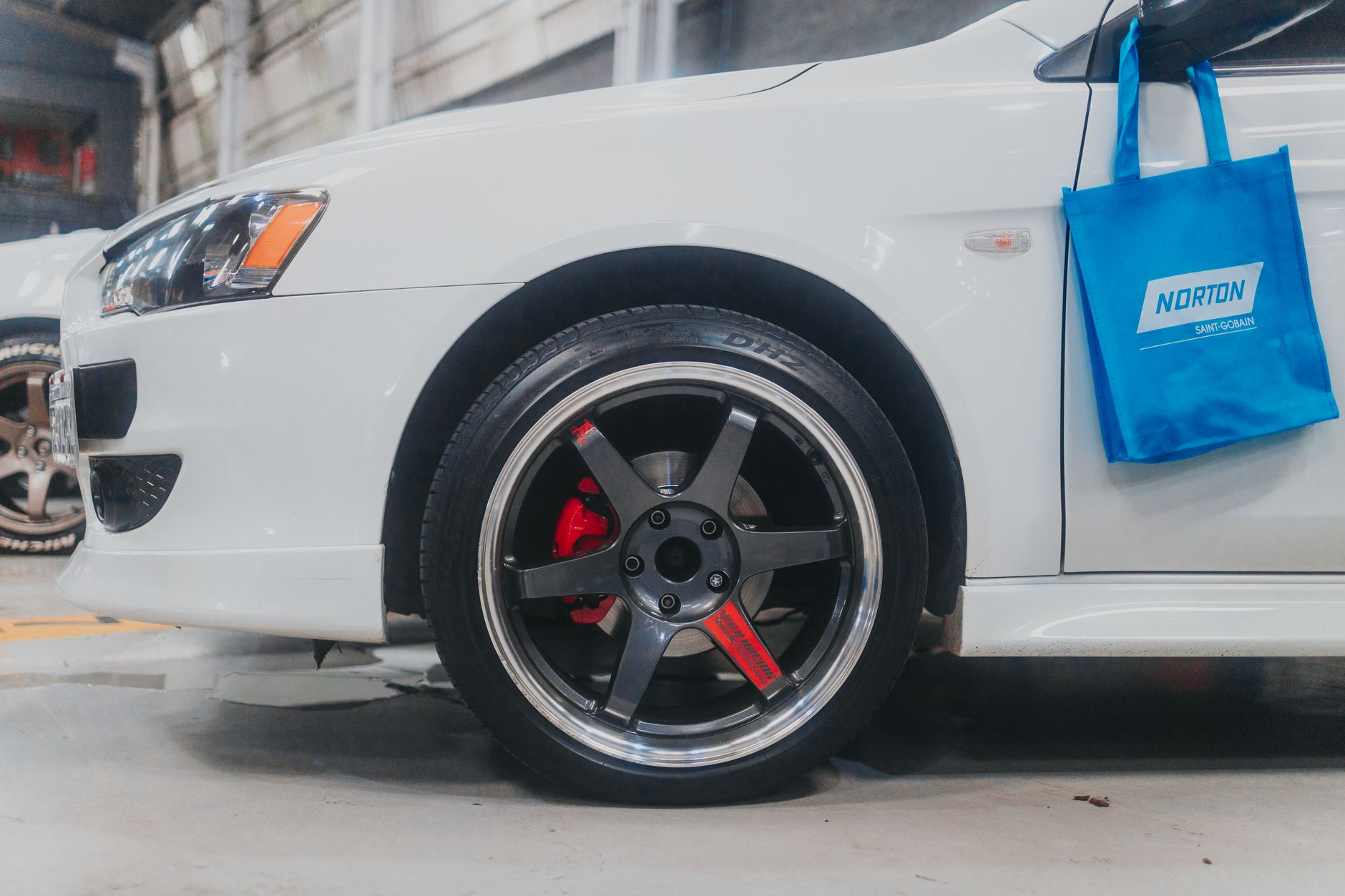
Rough streets and broken pavement usually favor a 60-series tire, because the taller sidewall softens sharp impacts from potholes, utility cuts, and patched seams. That extra cushion helps the commute feel calmer, especially in cities where the lane surface changes every few blocks.
A 55-series tire fits a driver who wants crisper turn-in, firmer highway tracking, and a more planted feel through fast sweepers. It suits routes with decent pavement, fewer sharp impacts, and steering feedback that should stay clean and immediate.
Road quality and commute pattern
Urban drivers see more broken pavement, so sidewall height earns its keep fast. Suburban and highway commuters may care more about steering precision and lane-change stability, where the shorter sidewall’s tighter response can feel reassuring.
Climate and season also matter. Cold-weather roads with frost heaves, deep seams, and patched asphalt reward impact absorption, while dry summer pavement can show off the cleaner response of a 55-series setup.
Practical tips for the right match
- Check your roads: Rough pavement points you toward more sidewall for your daily driving.
- Inspect brake space: Large calipers need extra room around the barrel of your wheel.
- Compare diameter: Keep rolling circumference close to your factory size.
- Match the use case: Comfort-focused commuting favors 60-series tires for you.
- Review tire model: A touring tire can feel calmer than a sport tire at the same ratio on your car.
That list matters because ride comfort vs handling tires is never decided by one number alone. Tread design, UTQG rating, and sidewall construction all shape how the tire behaves once it meets the pavement under your vehicle.
Everyday use makes those specs feel real, especially when commute miles, weekend trips, and weather changes all pile on.
Choosing Between Them With Confidence
The real difference is a comfort-versus-response decision, not a simple upgrade or downgrade. A 60-series tire gives more cushion, while a 55-series tire gives a cleaner steering feel and a firmer connection to the road.
Tire model matters just as much as the ratio. A Michelin Primacy touring design, a Goodyear Eagle sport design, and a Bridgestone Turanza comfort design can all feel different even before the aspect ratio changes, because their carcass stiffness and tread compound shape road noise, traction, and turn-in.
The clearest path is simple: confirm fitment, check brake and wheel well space, then choose the tire size that matches your roads and driving style. That’s how you avoid guesswork and land on the setup that fits your vehicle instead of fighting it.
When the numbers finally meet your routine, the choice becomes less about theory and more about confidence behind the wheel.
Final Thoughts
Choose the taller sidewall when your roads punish the car and comfort matters most. Choose the shorter one when sharper steering and a firmer feel matter more than extra cushion. The right answer sits in your commute, your chassis, and the tire design that sits behind the number on the sidewall.
FAQ
What is the difference between a 55 and 60 tire aspect ratio?
A 60-series tire has a taller sidewall than a 55-series tire at the same width. That extra height gives you more flex and a softer ride, while the 55-series setup feels firmer and turns in with less delay.
Will changing from 60 to 55 affect ride comfort?
Yes. A shorter sidewall passes more impact into the suspension, so sharp pavement edges feel firmer in the cabin. The change is strongest on rough streets, potholes, and concrete expansion joints.
Does a lower aspect ratio improve handling?
Less sidewall flex during cornering often sharpens steering response, so lower aspect ratios can improve handling. That gives your steering a more direct feel, though tire construction and tread compound still play a large role.
Will my speedometer be off if I switch tire aspect ratio?
A smaller overall diameter can change the rolling circumference and make the speedometer read slightly off. The error is often small, but you should check the size change against your factory specification before mounting the tires.
Can I replace a 60 aspect ratio tire with a 55 aspect ratio tire?
You can sometimes do that, but fitment and diameter need to stay within the vehicle maker’s limits. Check brake clearance, wheel well space, and the recommended tire size before you change anything for your car.