
Once exposed to heat, air, and tiny amounts of moisture, the fluid can slowly oxidize, pick up contamination, and lose the viscosity and additives it needs. A sealed bottle usually remains good for about five years, and often longer, when it’s stored the right way.
Here’s the practical range, plus the storage conditions and warning signs that matter most if a bottle has sat in a garage, shed, or cabinet.
What Shelf Life Really Means For Synthetic Oil
Unopened oil ages much more slowly than oil running inside an engine. Synthetic base stocks resist oxidation better than many conventional blends, so the shelf life of synthetic oil starts with chemistry, not mileage.
API and SAE markings show product class and viscosity grade, but they don’t cancel out heat, humidity, or a weak seal. A bottle of Mobil 1, Valvoline, Pennzoil, Castrol, or ACDelco may still be fine after years in storage, yet age alone never gives the full answer.
The printed date gives a starting point, not a verdict. Unopened synthetic oil often stays usable for about five years, and careful storage can stretch that window, while poor storage can shorten it fast.
Why Synthetic Formulas Age More Slowly
Synthetic oil uses base stocks that hold up better under heat and oxygen than many mineral oils. That slower chemical drift matters because oxidation darkens oil, raises acidity, and weakens additive performance.
Inside a sealed bottle, the biggest enemies are time, oxygen trapped in the headspace, and any seepage through the cap or liner. That’s why how long synthetic oil lasts unopened depends less on the calendar than on storage discipline.
What The Date On The Bottle Can And Cannot Tell You
A date code or printed manufacturing date shows age at packaging, not the exact condition when you pick it up. Oil can remain serviceable past that point, especially from brands such as Mobil 1 and Pennzoil, yet a damaged cap or rough storage can make a newer bottle worse than an older one.
That gap between date and condition is why can you use expired motor oil isn’t a simple yes-or-no question. The bottle has to pass a smell check, a look check, and a container check before it belongs in your engine.
That inspection matters because storage conditions determine whether the oil stays stable or slowly drifts out of spec.
Storage Conditions That Keep Oil Stable
That shelf-life advantage holds only when the bottle sits in the right place. A cool, dry cabinet beats a hot garage every time because heat speeds oxidation, moisture invites contamination, and temperature swings stress the seal.
Direct sunlight adds another problem through heat buildup, even on a mild day. A sealed bottle stored upright in a shaded indoor spot gives the oil the best chance to keep its viscosity and additive package in shape.
Heat Moisture And Sunlight Work Against Shelf Life
Garage rafters and metal shelves near water heaters are poor homes for oil. Summer heat expands the air inside the bottle, winter cold contracts it, and repeated cycling can weaken the cap and liner.
Moisture exposure matters because water doesn’t need to flood a bottle to cause trouble. Tiny amounts can enter through a weak seal, then settle and encourage sediment, haze, or additive separation.
Seal Integrity And Container Choice Matter Too
Factory bottles hold up better than half-used jugs because the original cap and liner are built to keep air out. Once you crack the seal, the opened synthetic oil shelf life becomes much more sensitive to storage habits.
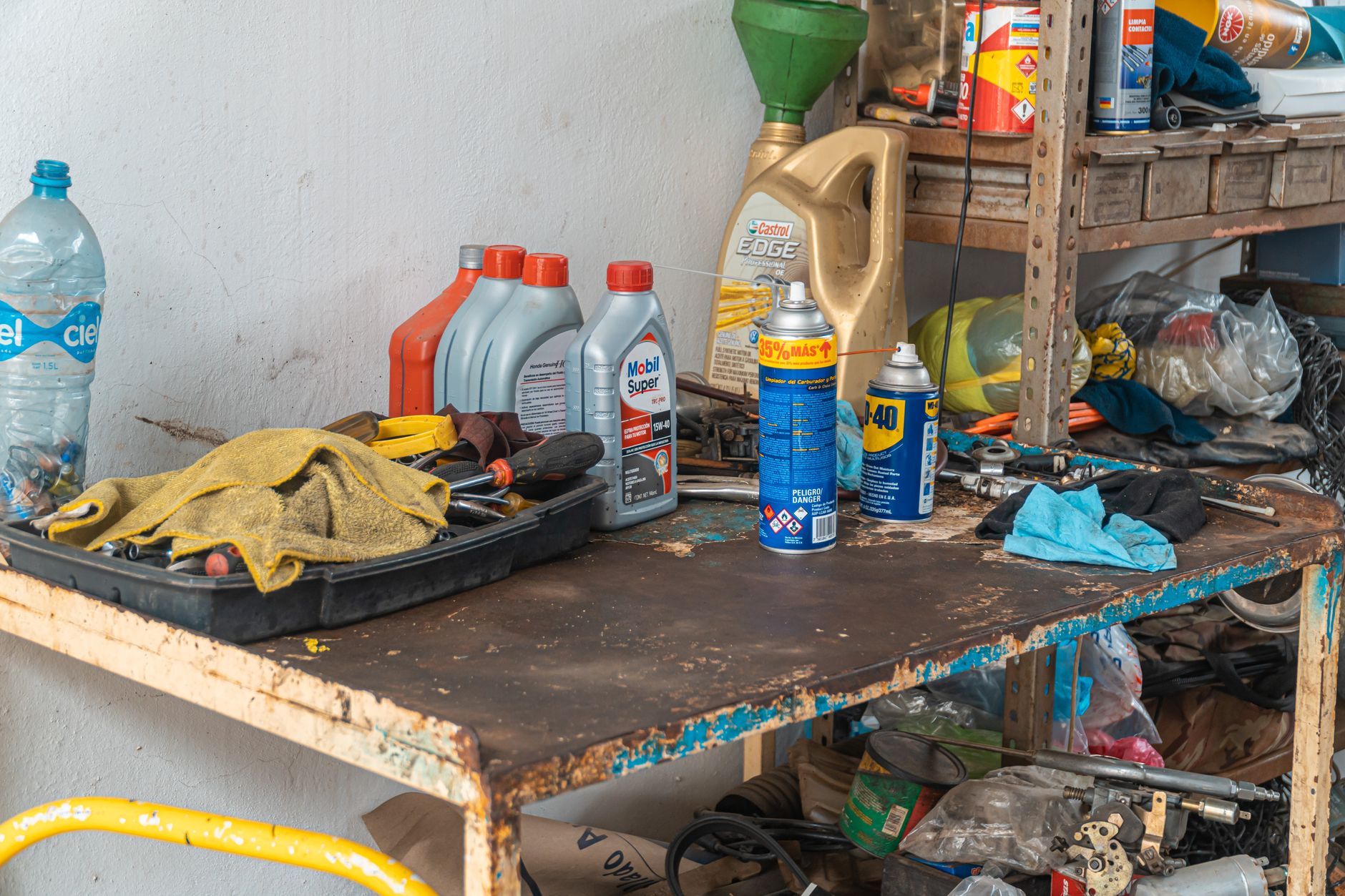
Rugged packaging from brands such as Castrol or ACDelco still needs the basics: upright storage, a tight closure, and a clean shelf away from brake cleaner, fuel cans, or fertilizers. Cross-contamination is the kind of small problem that can ruin a bottle.
A tight seal helps explain why unopened bottles resist moisture, oxygen, and stray vapors far better than opened ones.
Keep leftover oil in the same place every time. A steady indoor shelf beats a garage corner that bakes in July and freezes in January.
Why Sealed Containers Last Longer Than Opened Ones
Once air reaches the oil, the clock speeds up. Opened bottles pick up oxygen, moisture, and dust, so the opened synthetic oil shelf life is shorter than the life of a sealed container even before any obvious change appears.
That matters in real shops and home garages alike. A half-used quart from an oil change, a top-off bottle left uncapped, or a funnel stored with residue can all seed contamination and shorten usable life before the next drain interval.
Air Exposure Changes The Chemistry
Oxygen starts slow chain reactions that alter the oil molecules and wear down additives. Antioxidants, detergents, dispersants, and anti-wear agents age on the shelf, not just in service, so the product can drift even while sitting still.
That chemical drift is small at room temperature, but it adds up across months. A bottle opened once for a quart top-off in a pickup truck may still be fine next season, while the same bottle left open in a humid shop can go off far sooner.
Dust And Dirt Turn Small Mistakes Into Contamination
One speck of grit doesn’t look like much, yet it matters because engine lubrication depends on a clean fluid film, not abrasive debris. Dust, shop lint, and spilled chemicals can create sediment that makes the oil less dependable.
The difference shows up in a bottle left near a workbench versus one stored on a clean shelf. The first collects risk from every cap opening, while the second stays close to factory condition.
The difference becomes obvious when subtle changes in color, texture, or smell start revealing a bottle’s age.
Signs The Oil Has Started To Go Bad
Oil that has gone off rarely fails all at once. Separation, texture changes, and an off smell tend to appear before a bottle becomes obviously unusable, which is why how to tell if motor oil has gone bad starts with close inspection.
Color alone can mislead you because many synthetic oils darken with age without failing. Look for clumps, haze, layers, or a rancid odor, since those clues point to additive degradation or contamination rather than a simple cosmetic change.
Separation And Haze Point To Instability
A clear bottle should look uniform from top to bottom. A cloudy band, a layer that won’t mix after gentle rolling, or visible particles suggests the formulation has shifted enough to worry about.
That separation matters because oil additives are blended to stay suspended. Once they drop out or settle, the oil film can lose the even protection your engine needs.
Thickening And Strange Texture Signal Trouble
Fresh synthetic oil should flow smoothly at room temperature. Thick strings, sticky clumps, or a syrupy feel can mean oxidation has raised viscosity or contamination has changed the blend.
Smell helps too. A rancid, sour, or stale odor is a practical smell test, and it should make you suspicious even when the bottle date still looks generous.
What Fresh, Used, And Aged Oil Can Look Like
| Condition | Visible Clues | What It Means |
|---|---|---|
| Fresh synthetic oil | Clear, uniform, smooth pour | Normal engine lubrication film and intact additives |
| Aged but stored well | Slight darkening, still smooth | Age alone has not ruined the bottle |
| Degraded oil | Haze, layers, sediment, off odor | Use is risky, even before the printed date passes |
That table is the quick visual filter most people need before topping off a sump. Aged oil that still pours cleanly can remain serviceable, while cloudy or separated oil belongs in the discard pile.
Those warning signs matter most when deciding whether old oil can still be used without introducing avoidable risk.
Using Old Motor Oil Without Taking Unnecessary Risks
Label advice comes before guesswork. Manufacturers such as API-licensed formulators often print storage notes for a reason, and those notes can override any generic rule about age alone.
Can you use expired motor oil depends on condition, not just the calendar. A sealed bottle within the five-year range may still be fine, while a newer bottle that smells wrong or shows sediment should stay out of your crankcase.
Check The Label Before You Trust The Date
Some products list storage limits, recommended temperatures, or handling notes on the package. A specific bottle from Valvoline or Castrol may have a tighter handling window than a broad rule of thumb, and the label wins.
That is especially true for specialty formulations, high-mileage oils, and dealer-branded products such as ACDelco. The chemistry inside each product can differ enough that a single shelf rule does not fit every bottle.
Use Your Senses Before You Pour
A clean bottle still needs a quick inspection in good light. Roll it gently, watch for layers or suspended grit, and open it only long enough for a smell check.
Engine lubrication depends on consistency, so anything that looks or smells off gets downgraded fast. A top-off bottle is cheap compared with the cost of varnish, sludge, or a missed oil change interval.
Good judgment starts with simple buying and storage habits that make reused oil safer to trust later.
Do not pour oil that shows haze, grit, or a sour odor. Replacement costs far less than a repair bill tied to contaminated lubrication.
Practical Habits For Buying, Storing, And Reusing
Buying fewer quarts at a time reduces waste. A shelf full of slow-moving oil is where age, dust, and temperature swings quietly take over, so the shelf life of synthetic oil stays practical only when your stock turns over.
Mark the date on every opened container with a paint pen or tape. That one habit gives you a clear timeline for top-offs, mower use, or the next garage project, and it beats guessing from memory.
Keep A Small, Clean Inventory
- Buy what you use. Match your stock to your actual service interval so bottles do not sit for years.
- Label opened dates. A simple date mark helps you track opened synthetic oil shelf life at a glance.
- Store upright. Upright bottles stress the cap less and reduce seepage around the neck.
- Separate chemicals. Keep oil away from solvents, gasoline, fertilizer, and damp cardboard.
- Check before reuse. Inspect, sniff, and pour only oil that still looks smooth and clean.
Those habits help you avoid the common mistake of saving every leftover quart “just in case.” The better move is controlled storage, clear dating, and a quick inspection before the next fill.
Use Leftovers Before They Age Out
Leftover oil from a recent change makes sense for short-term top-offs, lawn equipment, or another vehicle that calls for the same SAE grade. A 0W-20 bottle can sit longer than it should, but a dated 5W-30 quart in clean indoor storage is easy to use before it drifts.
Keeping a small shelf near the same tools each time also helps you spot trouble sooner. A bottle that has leaned, leaked, or collected dust can be sorted out before it becomes a problem in the pan.
Careful handling pays off because small clues in the garage often signal bigger problems before they reach the engine.
What To Remember
Oil doesn’t become useless just because the date says it is old, and it doesn’t stay good just because the label still looks fresh. The safe answer comes from age, storage conditions, seal integrity, and visible condition, all working together on the same bottle.
FAQ
Does synthetic oil expire?
Over months and years, its additives can break down and its properties can drift enough to make the oil less reliable. A sealed bottle stored in a cool, dry place often stays usable for about five years, but heat, moisture, and air exposure can shorten that window.
How long does unopened synthetic oil last?
Unopened synthetic oil often lasts about five years, and proper storage can stretch that longer. The label date matters, but a stable indoor shelf matters just as much.
Can you use synthetic oil after the expiration date?
Sometimes, yes, but only after a close look at the bottle and the fluid. Clear oil with no odor, no sediment, and no separation may still be serviceable, while anything cloudy or sour should be replaced.
How can you tell if motor oil has gone bad?
Look for haze, layers, thickening, sediment, or a rancid smell. Those signs point to oxidation, additive degradation, or contamination, and they matter more than color alone.
What is the best way to store synthetic oil?
Store it upright in a cool, dry place away from sunlight and temperature swings. Keep the cap tight, keep it off the floor, and keep it away from moisture sources and shop chemicals.
Does opened motor oil have a shorter shelf life?
After the cap is removed, air and moisture can enter the container and shorten the oil’s usable life. Once the seal is broken, careful storage and clean handling matter much more than they do with a sealed bottle.