

Choosing a 24v lithium setup changes the whole feel of a day on the water. You get steadier power delivery, less weight to lug around, and fewer worries about lead-acid maintenance in the garage or at the dock.
This roundup is built for anglers, RV travelers, and off-grid setups that need dependable 24V storage without a lot of fuss. You’ll see compact options, Bluetooth-enabled picks, and higher-capacity batteries that suit longer runs and heavier trolling motors.
The Shortlist At A Glance
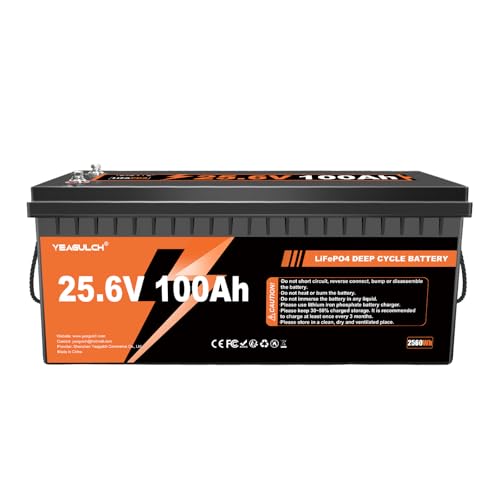
yeagulch 24V 100Ah LiFePO4 Battery with 100A BMS

Elefast Lifepo4 Battery 100AH 24V Lithium Battery Built-in 100A BMS

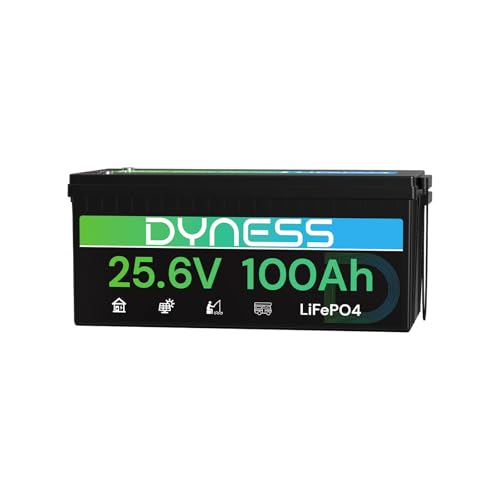
24V 100Ah LiFePO4 Battery with 100A BMS

LiTime 24V 100Ah Bluetooth LiFePO4 Lithium Battery

24V 100Ah LiFePO4 Lithium Battery with Smart 100A BMS
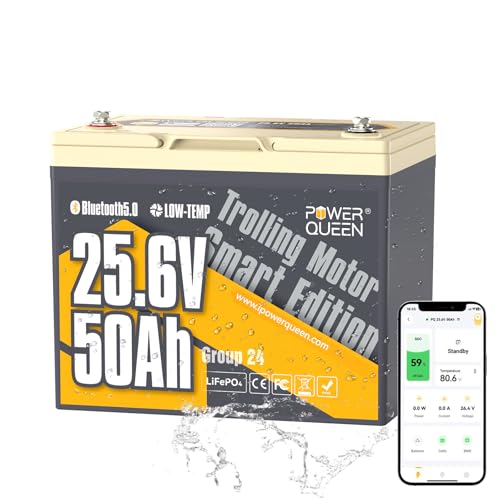
Power Queen 24V 50Ah LiFePO4 Battery with Bluetooth 5.0 Remote Control
More Details On Our Top Picks
That 100Ah pack size lands in the sweet spot for long days on a trolling motor, especially on boats where you want steadier runtime without moving up to a larger bank. The 100A BMS, meaning battery management system, adds the kind of protection and load handling that matters when your gear draws hard and often.
Compared with the smaller Power Queen 50Ah option, this yeagulch battery makes much more sense for extended trips, heavier motors, or cabin power needs. The trade-off is simple: you’re carrying more battery than a compact weekend setup needs, so the extra capacity only pays off when your use pattern is demanding.
Strong Points
- 100Ah capacity gives you more breathing room on long runs and repeated starts.
- 2560Wh, or watt-hours, helps you judge stored energy more clearly than amp-hours alone.
- LiFePO4 chemistry usually suits frequent cycling and regular charging habits well.
- The 100A BMS supports a practical mix of protection and output handling.
- It fits the same broader 24V use case as the marine and RV-friendly options here.
Things To Consider
- It’s a bigger commitment than the 50Ah Power Queen, so smaller boats may not need this much reserve.
- Higher-capacity lithium packs still ask for proper charging gear and tidy storage space.
- The listing leans on endurance claims, so your real-world runtime still depends on thrust setting and boating conditions.
Core Details
Who It Suits Best
Serious anglers and RV owners who want a high-capacity 24V bank for long, repeatable use will get the most from this one.
A Better Fit Elsewhere
Power Queen 24V 50Ah LiFePO4 Battery with Bluetooth 5.0 Remote Control suits lighter boats and travelers who value smaller size over extended reserve.
Elefast takes a straightforward route, which can be refreshing for shoppers who want 24V power without a lot of extra features getting in the way. The 28 to 86 lb thrust match-up makes the fit easier to picture for common trolling motor setups, and the 2560W figure gives you a sense of the output class it’s built around.
Compared with the yeagulch battery above, this one speaks more to practical power matching than deep-feature polish. The honest read is that the listing’s customer-service and delivery notes matter most to people who prefer a simpler purchase process over app-based extras.
What We Like
- 100Ah capacity lines up with full-day boating and RV backup use.
- The 100A BMS offers a familiar protection setup for this class.
- Its 28 to 86 lb thrust guidance helps narrow the fit quickly.
- The battery suits trolling motors, marine use, and home storage without feeling specialized.
Room For Improvement
- The listing gives less detail than some of the feature-heavy picks in this roundup.
- You do not get Bluetooth here, so remote state-of-charge checking is off the table.
- The source data is light on ownership details, so installation planning depends more on your existing setup.
Feature Rundown
Made For
Anglers and cabin owners who want a plainspoken 24V battery with clear motor-fit guidance will find this a practical match.
Where A Sibling Pick Shines
LiTime 24V 100Ah Bluetooth LiFePO4 Lithium Battery is the stronger fit for anyone who wants app-based monitoring and a more feature-led setup.
Space matters more than many people expect once a battery has to live in a boat compartment, camper bay, or tucked-away utility space. This XZNY pick stands out because the compact framing hints at easier placement, while the built-in 100A low-temperature protection BMS adds a layer of caution for colder mornings on the water.
Compared with the larger, feature-dense LiTime and Dyness options, this one feels more about fitting cleanly into a cramped setup. You may find it especially appealing for smaller hulls or RV storage areas where every inch matters and the battery has to sit neatly with the rest of the gear.
Highlights
- The compact framing makes it easier to plan around tighter battery spaces.
- 5000+ cycle language points to strong longevity for repeated use.
- Low-temperature protection helps the battery suit colder starting conditions.
- It still keeps the familiar 100Ah, 24V shape many trolling setups want.
Areas To Watch
- The listing gives little detail beyond the core battery features.
- You’ll still want proper charging gear and tidy cable routing in a compact bay.
- The compact pitch is helpful, but exact enclosure fit depends on your compartment dimensions.
Details At A Glance
Right Fit For
Boat owners and campers working with tight compartments will appreciate a battery that is easier to place without changing the whole layout.
Swap It Out When
yeagulch 24V 100Ah LiFePO4 Battery with 100A BMS is the better match for you when maximum runtime matters more than compact packaging.
Dyness leans hard into expandability, and that matters for people who want a battery setup that can grow alongside a larger rig. The 4P2S support, meaning four in parallel and two in series, is the sort of detail that matters to system builders more than casual weekend boaters.
Against the simpler Elefast and XZNY entries, this one feels more engineered for future scaling than single-battery convenience. The trade-off is that you’re paying attention to system design, wiring, and placement, so it suits owners who like a little planning with their power bank.
Upsides
- 4P2S support gives you more flexibility for building a larger battery bank.
- The 2560W power figure adds context for stronger system demands.
- Low-temperature protection supports cold-weather use planning.
- Up to 20.48kWh, or kilowatt-hours, points to serious expansion potential.
Softer Spots
- It asks for more setup knowledge than a basic drop-in battery.
- Expansion-friendly systems usually need extra planning around wiring and space.
- Most casual trolling motor setups won’t tap the full scaling potential here.
Quick Facts
The Right Fit
Boat owners, solar users, and RV setups that may expand later will benefit most from this more flexible battery architecture.
Look Elsewhere When
Elefast Lifepo4 Battery 100AH 24V Lithium Battery Built-in 100A BMS suits you better when you want a simpler, more straightforward 24V install.
Bluetooth changes day-to-day ownership more than many people expect, because it lets you check battery status without opening a compartment or guessing from memory. That makes this LiTime pick especially helpful on boats, in RV bays, or in off-grid storage where easy visibility beats lifting lids.
Compared with the non-Bluetooth yeagulch and Elefast batteries, this one leans harder into convenience and environmental protection with IP65 water resistance, meaning it is built to resist dust and low-pressure water exposure. The catch is that app features and added sealing tend to make the package more involved than a plain drop-in battery, so it suits owners who like information at a glance.
Best Bits
- Bluetooth support makes state-of-charge checks easier from the helm or storage area.
- IP65 protection helps the battery suit damp or dusty environments more comfortably.
- 4000+ cycles points toward solid repeat-use longevity.
- 4P2S support gives you room to build a larger system later.
- The 100Ah, 2560Wh class keeps it in the same practical range as the stronger 24V picks here.
Points To Note
- Bluetooth is useful, but it also adds another feature layer to manage.
- IP65 is about resistance, not invincibility, so storage still matters in wet environments.
- Owners who never check battery status by app may not use the extra capability much.
Feature Snapshot
Who Will Love This
Boaters and RV owners who want simple app-based monitoring without moving to a bigger system architecture should look closely at this one.
Another Choice May Suit
24V 100Ah LiFePO4 Battery with 100A BMS from Dyness fits better for owners who want expandability first and app monitoring second.
Dyness keeps the same 100Ah, 24V shape as some of the other larger batteries here, but it adds a smart BMS label and a 10-year lifetime claim that will matter to people planning around long-term ownership. The wording suggests a pack built for repeat service rather than short bursts of seasonal use.
Compared with the more expansion-focused Dyness model above, this one feels simpler on the surface while still promising long-term endurance. The honest caveat is that a 10-year claim sounds attractive, but your charging habits and storage conditions still decide how comfortably a battery like this lives in the real world.
Reasons To Buy
- 2560Wh capacity gives you a clear energy target for 24V use.
- The smart 100A BMS adds a more modern control story for routine operation.
- 4000+ deep cycles points to durable repeat charging.
- The 4P2S support keeps future system growth on the table.
Small Caveats
- The 10-year lifetime language is a long-range claim, not a day-to-day feature you can feel immediately.
- It still asks for sensible charging and storage habits to stay in good shape.
- For smaller boats, this much capacity may be more than you actually need.
Technical Sheet
Built With In Mind
Long-haul RV travelers and boat owners who want a strong, conventional 24V battery with room to grow will fit this model well.
Reach For A Different Pick When
LiTime 24V 100Ah Bluetooth LiFePO4 Lithium Battery suits you better if app-based monitoring matters more than a simple long-life pitch.
Power Queen trims the footprint with a 50Ah build, so it makes more sense for lighter-duty trolling setups and travel-focused rigs than for all-day heavy pulling. Bluetooth 5.0 remote control and Group 24 sizing help it feel familiar in compact installations where neat placement matters.
Compared with the 100Ah batteries in this list, this one gives up runtime in exchange for a lighter, easier-to-manage package. That trade-off suits smaller boats, backup use, or anyone who wants a cleaner fit without dragging extra capacity they won’t use.
Bright Spots
- Bluetooth 5.0 makes remote status checks easier than a plain battery setup.
- Group 24 sizing helps with fit in familiar battery compartments.
- Low-temperature protection is useful for cooler-weather outings.
- 1280Wh still gives enough reserve for lighter 24V trolling jobs.
Honest Caveats
- 50Ah is a smaller reserve than the 100Ah batteries above, so runtime is the obvious trade-off.
- Heavier motors or longer water days will outgrow this capacity sooner.
- Owners wanting a single battery for broader RV or solar use may want a larger pack.
Core Details
Whose Shelf It Belongs On
Weekend boaters, lightweight travel rigs, and compact installs will get the most from this smaller 24V battery.
Where Another Pick Suits Better
yeagulch 24V 100Ah LiFePO4 Battery with 100A BMS is the better call for anglers who want longer runtime and fewer charging stops.
How To Choose The Right 24v Lithium Trolling Motor Battery
Match Capacity To Your Day On The Water
Capacity, measured in amp-hours, tells you how much runtime the battery can support before a recharge. A 50Ah pack suits lighter use and shorter outings, while 100Ah makes more sense for larger motors, heavier boats, or long days away from shore power.
Watt-hours are worth a look too, because they show stored energy in a way that makes comparison easier across brands. For a fishing boat that sits on the water for hours, that number matters more than flashy labels.
Check The BMS And Temperature Features
The BMS, or battery management system, helps govern charging and discharge behavior. A 100A BMS is common in this roundup, and it matters because the motor can ask for substantial power during hard turns, wind, or current.
Low-temperature protection is useful in colder climates, especially for early launches and shoulder-season trips. That feature does not make the battery invincible, but it does give you a more thoughtful fit for cold storage and cold starts.
Think About Fit, Weight, And Installation
Boat compartments and camper bays can be tighter than they look on paper. A compact battery or a Group 24 shape can save you trouble during installation, while a bigger 100Ah pack may reward you with runtime at the cost of extra space management.
Bluetooth monitoring is handy for people who want quicker status checks without opening a hatch. It’s a comfort feature more than a necessity, yet it can make everyday use feel cleaner and more organized.
Choose Features That Match Your Routine
Expandable systems matter to off-grid owners and builders who expect the setup to grow later. Support for parallel and series wiring gives you that room, while a simpler single-battery setup stays easier for casual boating.
Water resistance, long cycle ratings, and easier status checks all add convenience in their own way. The right mix depends on whether you want a simple trolling motor battery or a power source that also helps with RV, marine, or solar duties.
Things Worth Knowing First
Hidden Buying Traps
Many shoppers focus only on amp-hours and miss the rest of the setup. Connector fit, battery size, and charger compatibility all matter once the battery leaves the product page and lands in your boat or bay.
Another common miss is choosing more capacity than your routine really needs. That only makes sense for longer trips or heavier power draws, because extra reserve also means more size and planning.
The Upgrade Payoff
Higher-tier packs tend to cost more because they add monitoring, sealing, expansion support, or stronger cycle claims. Bluetooth and IP-rated protection are practical extras, not just marketing gloss, especially for regular marine use.
That upgrade is worth it when your battery gets daily use or lives in a cramped, damp, or hard-to-reach space. For a simpler weekend setup, a plain 24V pack can still be the smarter move.
Frequently Asked Questions
What size 24V lithium battery suits a trolling motor?
For lighter boats and shorter outings, 50Ah can be enough. For heavier motors or longer time on the water, 100Ah usually makes more sense.
What does a BMS do in these batteries?
A BMS is the battery management system that helps control charging and discharge behavior. It matters because lithium batteries rely on that control layer during regular use.
Is Bluetooth useful on a marine battery?
Bluetooth makes it easier to check battery status without opening a compartment. That is handy on boats, RVs, and off-grid setups where access is awkward.
Why do some batteries mention low-temperature protection?
That feature helps the battery behave more carefully in cold conditions. It’s useful for early-season fishing or storage in colder climates.
Should you choose an expandable battery even for one motor?
Expandable support helps most when you plan to grow the system later. For a single small trolling setup, simpler construction may be the better fit.
Closing Thoughts
The right 24v lithium trolling motor battery depends less on hype and more on how you actually use the boat. For long days and bigger motors, the 100Ah class stands out, while the 50Ah Power Queen makes sense for lighter travel-focused setups. Bluetooth, low-temperature protection, and expansion support all have their place, but only when they match your routine. Choose the battery that fits your compartment, your motor, and your usual time on the water, and the rest gets a lot easier.