

Auto stereo amplifiers matter most when your factory setup feels flat, strained, or short on control. You get cleaner headroom for daily commuting, fuller sound on road trips, and better tuning options for mixed speaker and subwoofer setups.
This roundup focuses on practical fit, not bragging rights. Some picks work better for simple two-speaker upgrades, while others make more sense in a trunk system, a compact install, or a fuller four-channel layout.
The Shortlist At A Glance

Pioneer GM-A6704 4-Channel Car Amplifier

BOSS Audio Systems CE102 2-Channel Car Amplifier

Pyle 2-Channel Car Stereo Amplifier PLA2378
Yaeccc 4-Channel Car Amplifier 3200W

Skar Audio RP-800.1D Monoblock Amplifier

Taramps TS 400X4 Black 2 Ohms 400W RMS
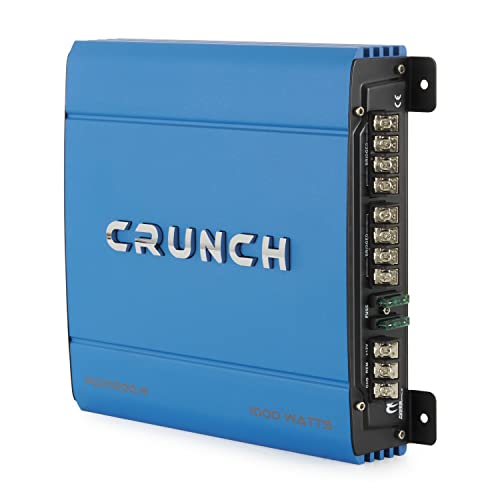
Crunch PDX-1000.4 PowerDriveX 4-Channel Amplifier
This Pioneer model makes sense for a driver who wants cleaner speaker control without moving into a more complicated setup. Class AB means the amplifier blends signal accuracy with everyday usability, and the bridgeable design gives you room to rework the system later.
The high-pass and low-pass filters help narrow the sound range sent to each speaker, which matters in a car where doors, rear deck speakers, and a small sub often need different treatment. Compared with the simpler BOSS option below, this one feels better suited to a system you plan to tune rather than just power.
Strong Points
- Bridgeable channels give you more layout options.
- High-pass and low-pass filtering supports cleaner tuning.
- Class AB design suits mixed music styles well.
- Works nicely for daily driving and road trips.
Points To Note
- Four-channel amps take more planning than a simple mono unit.
- Class AB usually runs less efficiently than Class D, so heat management matters in snug installs.
Feature Snapshot
Who It Suits Best
You’ll get the most from this pick in a car stereo upgrade where you want front-to-rear control and a little room to grow. It fits hands-on owners who like tuning options more than plug-and-forget simplicity.
Where A Sibling Pick Shines
Taramps TS 400X4 Black 2 Ohms 400W RMS 4-Channel Car Audio Amplifier works better for tighter installs that need high-level and RCA input flexibility.
The CE102 is the straightforward choice in this list, and that’s its appeal. A two-channel layout keeps the wiring path simpler, which helps in older cars, budget upgrades, or any setup where you only want to push a small pair of speakers.
The crossover section matters here because it gives you a basic way to keep frequencies in the right lane, especially in front-seat-focused installs. The trade-off is obvious, though, since this is less flexible than the Pioneer GM-A6704 or the Taramps TS 400X4 Black 2 Ohms 400W RMS for broader system work.
What We Like
- Two-channel layout keeps the install path simple.
- Crossover control helps shape speaker output.
- Good fit for a modest factory upgrade.
- Compact format suits small dash or trunk spaces.
Small Caveats
- Two channels limit how much you can scale the system.
- The product listing points to careful installation, so a professional install makes sense for many setups.
- Less suited to more elaborate speaker-and-sub combinations.
Core Details
Who Should Grab It
You’ll appreciate this most in a simple stereo refresh where the goal is clearer sound, not a full custom build. It suits daily drivers and first-time upgrade projects that need a lower-complexity path.
Another Choice May Suit
Pioneer GM-A6704 4-Channel Car Amplifier is a better fit for you if you want more room to tune front and rear speakers together.
There’s a lot going on with the Pyle PLA2378, and that can be a good thing for a system-builder who likes knobs and routing options. MOSFET power circuitry, a crossover, bass boost control, and silver-plated RCA input and output connections give you more to work with than the simpler BOSS CE102.
That extra control is useful in a small speaker setup or a custom install where you want to shape the sound from the amplifier itself. The honest read is that more controls also means more setup attention, so this pick suits a hands-on owner better than someone who wants a very plain install.
Upsides
- MOSFET circuitry supports responsive power handling.
- Bass boost control adds another tuning layer.
- Silver-plated RCA connections suit clean signal routing.
- Bridgeable design broadens placement options.
- Good match for a compact, custom system.
Areas To Watch
- More settings mean more time spent dialing it in.
- The control-heavy layout can feel busy in a simple factory upgrade.
Details At A Glance
Built With In Mind
You’ll get the most from this model in a custom install, a small sub-plus-speaker project, or any setup where you want more control from the amp itself. It suits hobbyists who don’t mind a more involved adjustment process.
Skip It When
BOSS Audio Systems CE102 2-Channel Car Amplifier is the simpler match for you if you want fewer controls and a cleaner first-time install.
The Yaeccc unit leans into broad four-channel coverage, so it fits fuller car audio systems better than the two-channel Pyle or BOSS options. Its full-range framing makes it a practical path for a driver who wants one amplifier handling more of the cabin.
In a daily car with front speakers, rear speakers, and a simple subwoofer setup, that kind of layout can keep the installation cleaner than piecing together multiple smaller amps. The trade-off is size and system planning, because a four-channel layout usually asks more from your wiring and placement choices.
Bright Spots
- Four channels support wider system coverage.
- Full-range use helps with balanced cabin sound.
- Useful for a more complete stereo overhaul.
- Can simplify larger installs by keeping more duties in one unit.
Softer Spots
- More channels often mean more installation planning.
- The broad feature set may be more than a simple speaker swap needs.
Technical Sheet
Whose Shelf It Belongs On
You’ll like this best for a broader audio refresh in a car, truck, or similar 12V setup where one amp needs to cover more territory. It suits owners who want a more integrated install rather than a tiny add-on.
Reach For A Different Pick When
Taramps TS 400X4 Black 2 Ohms 400W RMS 4-Channel Car Audio Amplifier is the cleaner fit when compact installation and input flexibility matter more than broad output framing.
The RP-800.1D takes a focused path, since it’s a monoblock amplifier built for one job rather than a full cabin layout. That makes it a natural match for subwoofer duty, especially in a trunk system or sealed enclosure where a remote level control gives you easy adjustment from the cabin.
Compared with the four-channel Pioneer or Yaeccc picks, this one is less about spreading sound across the car and more about giving bass its own lane. The honest trade-off is simple, since you’re buying specialization rather than versatility, and that’s exactly why it works for bass-first setups.
Reasons To Buy
- Monoblock layout keeps the job focused on one sub path.
- Remote level control helps you adjust bass from the seat.
- Class D design suits subwoofer-focused installs well.
- Compact concept makes trunk planning easier.
Room For Improvement
- One-channel design is not meant for full-range speaker duty.
- Remote control adds another part to keep track of during installation.
Feature Rundown
The Right Fit
You’ll get the most from this amplifier in a bass-led system where the rest of the speakers are already handled elsewhere. It suits car audio setups built around a single sub and an easy cabin adjustment path.
Look Elsewhere When
Pioneer GM-A6704 4-Channel Car Amplifier is the better match for you if your upgrade still needs to cover front and rear speakers too.
The Taramps TS 400X4 feels especially relevant for tight installs, because the compact Class D format and multi-input flexibility suit modern car audio layouts. High-level inputs let you work with some factory head units, while RCA inputs fit a more traditional aftermarket signal path.
Bridgeable channels add another layer of usefulness, and that matters when you want to reassign power without adding another box. Compared with the Yaeccc 4-Channel Car Amplifier 3200W, this one looks more placement-friendly and a bit easier to integrate into a mixed system.
Best Bits
- High-level and RCA inputs broaden compatibility.
- Bridgeable channels add setup flexibility.
- Compact Class D design suits cramped mounting spots.
- Good match for factory-to-aftermarket transitions.
Worth Noting
- Small size can tempt cramped placement, so ventilation still matters.
- Channel flexibility is useful, though it asks for careful planning.
Core Details
Perfect Match For
You’ll benefit most from this model in a compact build where you want fewer adapters and more connection flexibility. It suits installers working with a factory head unit or a small aftermarket refresh.
Swap It Out When
BOSS Audio Systems CE102 2-Channel Car Amplifier is the simpler choice for a basic two-speaker project that doesn’t need bridgeable channels.
The Crunch PDX-1000.4 takes a familiar route with a four-channel Class A/B layout, which makes it feel approachable for a mainstream system upgrade. The blue finish adds a bit of visual character, though the bigger story is its role as a sensible middle ground between the simple two-channel picks and the more specialized Skar mono amp.
That balance is useful in a trunk or under-seat install where you want enough channels for a broader setup without making the job feel oversized. It’s a steady fit for drivers who want something conventional, not experimental.
Positives
- Four-channel layout supports a broader speaker plan.
- Class A/B design fits familiar full-range use.
- Blue styling gives the unit a distinct look.
- Works well for standard upgrade paths.
Areas To Watch
- Class A/B designs are typically less efficient than Class D.
- It offers less signal-routing flexibility than the Taramps TS 400X4 Black 2 Ohms 400W RMS.
Quick Facts
Made For
You’ll like this best for a standard four-speaker refresh where you want familiar behavior and straightforward layout choices. It fits drivers who want a conventional amplifier with a recognizable setup path.
A Better Fit Elsewhere
Skar Audio RP-800.1D Monoblock Amplifier suits you more if your build centers on a dedicated subwoofer instead of full-range cabin power.
How To Choose The Right Auto Stereo Amplifiers
Match The Channel Count To Your System
Channel count is the first thing to sort out, because it tells you how many speaker paths the amplifier can handle. A two-channel model works well for a basic pair of speakers or a focused front-stage setup, while a four-channel unit gives you more room for front and rear coverage.
Monoblock amplifiers are different, since they’re built for one job, usually subwoofer duty. That makes them a smarter fit for bass-first systems than for full cabin sound.
Choose The Right Signal Inputs
High-level inputs let an amplifier work with some factory head units, which helps when you want better sound without changing the dashboard unit right away. RCA inputs are the more traditional aftermarket path, and many serious installs use them for cleaner signal routing.
Models like the Taramps TS 400X4 Black 2 Ohms 400W RMS are useful because they handle both styles. That flexibility saves hassle in mixed builds, especially in cars where the existing source gear stays in place.
Look At Tuning Controls, Not Just Power
High-pass and low-pass filters matter because they let you steer the right frequencies to the right speakers. High-pass filters trim deep bass from smaller speakers, while low-pass filters focus the lower range on subwoofers or bass-heavy channels.
Bridgeable channels also matter in real ownership, since they let you combine output paths for a different system layout later. For many daily drivers, that kind of flexibility is more valuable than a flashy wattage claim.
Think About Install Space And Heat
Compact amps can be easier to place under a seat or in a tight trunk panel, but tight packaging still needs airflow. Class D designs are often chosen for smaller installs, while Class A/B amps usually suit traditional full-range setups and may ask for more attention to placement.
That trade-off shows up fast in older cars, hatchbacks, and trucks with limited mounting room. A clean fit usually sounds better than a cramped, overheated one.
Things Worth Knowing First
Wrong Turns To Avoid
Many shoppers focus on wattage alone and miss the more important fit question, which is how the amp connects to the rest of the system. A powerful unit with the wrong channel count or missing input type can be awkward fast.
Another common mistake is overlooking installation needs. Some listings strongly point toward professional installation, and that’s a fair caution for owners who don’t already know their way around wiring, grounding, and fuse planning.
The Case For Spending Up
Higher-tier amplifiers usually cost more because they add flexibility, cleaner control, and better fit for mixed systems. More input options, bridging support, and tighter tuning control can make daily use easier and the install more adaptable.
That extra spend tends to make sense for cars with layered audio goals, especially where you want speakers and a sub to play different roles without forcing compromise. For a simple factory refresh, the added complexity can be unnecessary.
Frequently Asked Questions
What does a 4-channel amplifier do in a car?
A 4-channel amplifier can power four separate speaker paths, so it’s useful for front and rear setups. It also gives you flexibility to bridge channels for different wiring plans.
Is a monoblock amplifier only for subwoofers?
Monoblock amps are built for one channel, and they’re usually used for subwoofer duty. That focus makes them a poor fit for full-range speaker systems.
Do high-level inputs matter on an auto amp?
Yes, because they let some amplifiers work with factory head units that don’t have RCA outputs. That can save you from replacing the source unit right away.
What’s the point of a crossover?
A crossover helps send the right frequency range to the right speaker or channel. That keeps small speakers from handling deep bass they can’t use well.
Is Class D always better than Class A/B?
No, because each design serves a different kind of setup. Class D is often chosen for compact, efficient installs, while Class A/B still has a place in traditional full-range systems.