
Auto audio builds get a lot easier once you match the enclosure to your space, your sub size, and the kind of bass you actually want in daily driving. A truck cab, a shallow hatch area, and a full-size sedan all ask for different box shapes, and that’s where the right enclosure stops being a spec sheet item and starts feeling useful.
This roundup focuses on seven box styles and loaded enclosures that make sense for everyday commuting, weekend listening, and tighter installs. You’ll see which picks favor deep output, which ones suit slim mounting, and which ones keep the install simple.
Quick Look At The Seven Picks
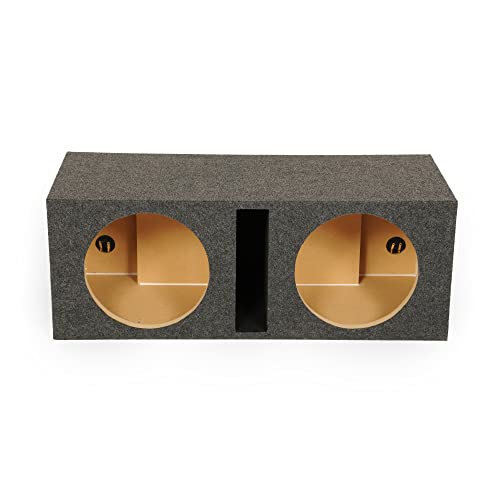
QPower QBASS Dual 12-Inch Car Audio Subwoofer Box

Pioneer A-Series TS-A2000LB Pre-Loaded Shallow-Mount 8-Inch Subwoofer

Skar Audio Dual 10-Inch SDR Series Vented Subwoofer Enclosure

Znclces 2025 Upgraded 10-Inch Slim Under-Seat Powered Car Subwoofer

Pioneer A-Series TS-A3000LS4 Shallow-Mount 12-Inch Subwoofer

QPower Single Triangle Car Audio Ported Subwoofer Box

Q Power 10-Inch Single Subwoofer Box, Vented Speaker Enclosure
More Details On Our Top Picks
This Q Power enclosure suits drivers who want a straightforward dual-12 setup without chasing a complicated shape. The separate chambers matter because each woofer gets its own space, which tends to keep bass response cleaner in a truck cab or sedan trunk.
The charcoal gray carpet finish also helps it blend into a cargo area instead of looking unfinished. In most everyday installs, the trade-off is size, since a dual box like this asks for more room than the slim Pioneer options later in the list.
Strong Points
- Dual chambers give each 12-inch woofer its own air space.
- The slot port is tuned for stronger low-end presence in regular car audio use.
- MDF construction usually feels more substantial than lightweight plastic-style enclosures.
- The carpeted exterior helps the box sit neatly in a trunk or behind a seat.
Things To Consider
- Its footprint will feel large in compact hatchbacks.
- You’ll need enough amplifier setup to make dual 12s worthwhile.
- Carpeted surfaces can collect lint and dust over time.
Feature Snapshot
Who It Suits Best
Car audio fans with enough cargo room for a dual-woofer enclosure will get the most from this box.
A Better Fit Elsewhere
Pioneer A-Series TS-A2000LB suits a tighter hatch or sedan owner who wants a smaller, pre-loaded path into bass.
The shallow-mount design makes this Pioneer a practical answer for cars where depth is tight and every inch matters. Because the enclosure is already included, you avoid the extra guessing that often comes with piecing together a smaller bass setup.
It makes the most sense for someone who wants modest space use, not a giant trunk footprint. Compared with the QPower dual-12 box, this one asks for far less room, though it naturally gives up the bigger cabinet volume that helps larger systems breathe.
What We Like
- Shallow mounting makes it easier to fit into cramped cargo areas.
- The pre-loaded format simplifies the path to a finished install.
- Its smaller footprint suits daily drivers that still need solid bass.
- Pioneer’s A-Series naming points to a mainstream, easygoing car-audio setup.
Points To Note
- An 8-inch setup won’t move air like the larger 10- and 12-inch picks.
- You may want to plan wiring and amp matching before installation.
- Smaller loaded enclosures can feel more placement-sensitive in a vehicle.
Feature Card
Built With In Mind
Drivers with a compact hatch, coupe, or sedan trunk who want a tidy install will appreciate this format.
Swap It Out When
Skar Audio Dual 10-Inch SDR Series Vented Subwoofer Enclosure suits you better if you want more output and have extra cargo room.
This Skar loaded enclosure leans harder into output than the slimmer Pioneer pair, and that difference shows up fast in a vehicle with enough room to let it work. Dual 10-inch drivers usually hit a nice middle ground, giving you more punch than an 8-inch setup without jumping straight to the bulk of dual 12s.
The vented design matters because porting generally gives bass a stronger push in the lower range. It feels best for someone who likes firmer bass presence on the road, although the larger enclosure does ask for a more deliberate install plan.
Highlights
- Dual 10-inch drivers offer a strong middle ground between compact and oversized.
- The loaded format reduces the guesswork around matching enclosure and subs.
- Vented construction supports a more forceful low-end feel.
- It suits trucks and larger cars that can spare the room.
Softer Spots
- The enclosure takes more space than a shallow-mount Pioneer option.
- Heavier loaded boxes usually need a more careful mounting and placement plan.
- Ported designs can be less forgiving in very small cabins.
- The bass profile may feel too assertive for casual listening.
Details At A Glance
Right Fit For
Truck owners and sedan drivers who want more bass authority without jumping to a giant enclosure will find this appealing.
Another Choice May Suit
QPower 10-Inch Single Subwoofer Box works better for simpler, lighter setups that don’t need as much output.
Under-seat powered subs solve a very specific problem, and this Znclces unit is built for that exact job. The slim shape helps in cabins where a conventional box would crowd foot space, while the built-in amplifier keeps the package more self-contained.
The blue LED accent gives it a more styled look than the plain carpeted boxes in this roundup. That visual touch helps in showier builds, though the honest trade-off is that slim powered units usually serve space limits better than they serve raw cabin-shaking output.
Bright Spots
- The low-profile body fits where deeper enclosures won’t.
- The built-in amplifier removes a separate component from the install plan.
- Heat dissipation is called out in the design, which matters in tight mounting spots.
- The blue lighting adds a cleaner visual finish for visible installs.
- It can suit trucks and cars that need bass without sacrificing storage.
Minor Gripes
- Powered units can add wiring complexity compared with a passive box.
- Under-seat placement may limit airflow around the housing in some vehicles.
- The styling leans more visible than subtle.
Core Details
The Right Fit
Daily drivers with scarce cargo room and owners who want a cleaner under-seat install will get the most from this unit.
Where A Sibling Pick Shines
QPower QBASS Dual 12-Inch Car Audio Subwoofer Box suits you better if you want a more traditional enclosure and stronger trunk-filling bass.
This Pioneer brings the size of a 12-inch sub into a shallower footprint, which is exactly the sort of compromise many vehicle owners need. Compared with the TS-A2000LB, you get a bigger driver class while still keeping installation depth in check.
That balance works well for hatchbacks, sedans, and trucks where a standard-depth 12-inch setup would be awkward. The trade-off is straightforward, since shallow-mount designs often ask you to accept a narrower placement window and a more considered enclosure match.
Best Bits
- The 12-inch size gives you more cone area than the 8-inch Pioneer in this list.
- Shallow mounting makes the sub more realistic for limited-depth spaces.
- The format suits people who want a larger driver without a bulky cabinet.
- Pioneer’s car-audio focus makes it a familiar match for mainstream systems.
Room For Improvement
- Shallow-mount subs can be less flexible in enclosure planning than deeper drivers.
- You’ll want to check available depth before committing to the install.
- It still needs the right supporting system to sound its best.
At A Glance
Who Will Love This
Drivers who want a 12-inch sub but can’t spare standard enclosure depth are the best match here.
Skip It When
Pioneer A-Series TS-A2000LB is the better fit if you want a fully enclosed, smaller 8-inch package for especially tight spaces.
The triangle shape gives this QPower box a different footprint from the more rectangular dual-woofer pick at the top of the list. That makes it useful in truck-oriented installs where an angled enclosure can sit more naturally against available space.
Three details matter here: the 3/4-inch MDF, the spring-loaded terminals, and the stated air space. MDF, or medium-density fiberboard, helps with cabinet stiffness, while spring-loaded terminals make wire hookup less fussy during installation.
Reasons To Buy
- The angled shape can fit truck layouts more naturally than a plain rectangular box.
- 3/4-inch MDF gives the enclosure a solid, familiar car-audio build style.
- Spring-loaded terminals simplify wiring compared with more basic connection points.
- The ported design supports stronger bass presence than a sealed enclosure usually would.
Small Caveats
- The unusual shape can make placement more vehicle-specific.
- Ported boxes generally ask for more careful sub matching.
- Bed-liner style finishes are practical, though they can still show wear with rough use.
Spec Overview
Best Suited To
Truck owners and drivers who want a shaped enclosure that sits neatly in a practical cargo area will like this one.
Look Elsewhere When
QPower 10-Inch Single Subwoofer Box makes more sense for a simpler, straight-sided layout with less setup planning.
This Q Power box keeps the formula plain and useful: one 10-inch sub, a vented enclosure, and a compact footprint that works in many car audio builds. The stated 1.1 cubic feet of air space points to a smaller, easier-to-place cabinet than the bigger QPower dual-12 option earlier in the list.
For everyday listening, that’s often enough. It suits drivers who want a straightforward bass upgrade without turning the cargo area into a storage puzzle, though the smaller cabinet naturally won’t have the scale of the dual-driver or high-output picks.
Upsides
- The single-woofer design keeps the install simple.
- Vented construction helps the sub feel fuller in the lower range.
- The 10-inch size lands in a comfortable middle zone for many vehicles.
- Its compact shape makes it easier to position in daily drivers.
Areas To Watch
- One 10-inch sub will not match the output of a dual-woofer enclosure.
- The smaller air space limits how large the cabinet can feel sonically.
- Vented boxes can be more placement-sensitive than sealed ones.
Feature Rundown
Whose Shelf It Belongs On
Drivers who want an uncomplicated, space-aware 10-inch enclosure for everyday use will be comfortable with this box.
Reach For A Different Pick When
QPower QBASS Dual 12-Inch Car Audio Subwoofer Box is the better fit if you want a larger enclosure and more room-filling bass.
How To Choose The Right Auto Subwoofer Boxes
Start With Space, Not Hype
Cabin and cargo dimensions should come first. A dual 12-inch box can make sense in a truck or large trunk, while a shallow 8-inch or under-seat powered unit fits better in tighter layouts.
Air space matters too, because the enclosure volume helps shape how the sub behaves. Larger volumes usually favor bigger bass setups, while compact boxes keep installation easier and storage loss lower.
Match The Box Type To Your Listening Habits
Ported or vented boxes are built to move bass with more emphasis, which suits drivers who like a stronger low-end push. Sealed styles usually trade some output for a tighter footprint and simpler placement, though none of the picks here lean heavily into that format.
Loaded enclosures reduce planning because the driver and box already come together. That’s useful for a first upgrade or a daily driver where you want fewer moving parts in the install.
Check Depth, Wiring, And Amplifier Match
Shallow-mount subs are valuable in modern vehicles with little depth behind panels or under seats. Standard-depth 10- and 12-inch drivers can give you more cone area, but they also ask for more careful fitment.
Wiring terminals, built-in amplification, and dual chambers all change how easy the install feels. A clean match between enclosure, amp power, and available room usually matters more than chasing the biggest-looking box.
What To Weigh Before You Commit
Mistakes Worth Dodging
Plenty of car audio headaches start with a box that simply doesn’t match the vehicle. A large dual enclosure in a small hatch can crowd cargo space fast, and a shallow cabin can make a standard-depth sub feel impossible to place neatly.
Another common slip is ignoring the enclosure type. Ported boxes can sound stronger in the low end, but they also want more thoughtful placement than a simpler compact enclosure.
Where The Extra Money Goes
Higher-tier models usually pay for better fit flexibility, stronger materials, or a more complete package. Loaded enclosures and powered units cost more because they reduce the number of separate parts you need to source.
That upgrade makes sense when you want cleaner installation or you’re building into a vehicle with awkward dimensions. For a basic daily driver, a simpler single-box setup often makes more sense.
Frequently Asked Questions
What size subwoofer box works best for daily driving?
A 10-inch enclosure usually lands in a comfortable middle zone for everyday use. It gives you meaningful bass without taking over the entire trunk.
Are shallow-mount subwoofers weaker than standard-depth models?
Shallow-mount designs mainly trade physical depth for easier fitment. The right match depends more on the enclosure and system setup than on depth alone.
Does a ported box always sound louder than a sealed box?
Ported boxes generally emphasize low-end output more than sealed ones. The exact result still depends on the sub, the vehicle, and the available air space.
What is MDF, and why does it matter in subwoofer boxes?
MDF means medium-density fiberboard, a dense engineered wood used in many car audio enclosures. It helps the box feel solid and less prone to flexing.
Should you choose a loaded enclosure or a bare box?
A loaded enclosure is a cleaner route when you want fewer separate parts to source. A bare box gives you more freedom to choose your own driver and system pieces.