
Weak top-end sound can make a good system feel flat, especially on highway trips, in older cars, or in a truck cab with a lot of road noise. These seven auto tweeter speakers cover a range of setups, from simple clarity upgrades to louder pro-style options that suit bigger systems. You’ll see where each pick fits, where it asks for a little more planning, and which one makes the most sense for your dash, doors, or custom pods.
Quick Look At The Seven Picks

Skar Audio TX-T 1-Inch Neodymium Silk Dome Tweeters

Pioneer TS-T110 7/8-Inch Tweeters
DS18 PRO-TW120 Super Bullet Tweeter

DS18 PRO-TWX1 Aluminum Super Bullet Tweeter

RECOIL TW250 High Compression Car Bullet Super Tweeters

Pioneer A-Series Plus TS-A301TW 20 mm Component Tweeters

Timpano TPT-ST1 Dome Tweeter Set
More Details On Our Top Picks
That silk dome design points this pair toward smoother top-end detail rather than brute-force glare, which suits daily driving better than a harsh show-car setup. The neodymium motor structure helps keep the tweeter compact, so it can fit more neatly into common car audio layouts.
You’ll appreciate that balance in a commuter car or a weekend project where vocals and cymbals need more air without taking over the cabin. The honest trade-off is that a softer dome usually won’t feel as aggressive as a bullet-style tweeter, and that’s exactly why this one makes sense for many stock-system upgrades.
Strong Points
- Silk dome construction tends to sound gentler up top.
- Neodymium magnets usually help keep the footprint manageable.
- Good fit for clearer vocals in everyday driving.
- Less sharp than many high-output bullet styles.
Things To Consider
- Soft-dome tuning may feel restrained in loud builds.
- Pairing matters, so matching it with the rest of your system takes some care.
- Flush or pod mounting still depends on your vehicle layout.
Feature Snapshot
Who It Suits Best
Commuters and weekend installers who want clearer highs without a very aggressive voice will get the most from this pair.
A Better Fit Elsewhere
DS18 PRO-TW120 Super Bullet Tweeter suits you better when you want a hotter, more assertive top end for a louder custom system.
This Pioneer pair leans into a simple job, adding clarity without turning your system into a science project. The 7/8-inch size helps keep the hardware modest, which matters in older doors, cramped pods, or factory replacement work.
For someone who just wants speech, guitar sparkle, and hi-hat detail to come forward a bit, that smaller format is a practical advantage. The trade-off is easy to read, too, since a compact tweeter like this usually fits best in balanced systems rather than very loud bass-heavy builds.
What We Like
- Small driver size helps with tricky mounting spaces.
- Clearer top end can make vocals easier to follow.
- Good add-on for factory systems that sound muted.
Worth Noting
- Smaller tweeters may not bring the same punch as larger pro-style units.
- Your install space still needs a sensible mounting path.
Core Details
Made For
Drivers updating a factory stereo or tidying up a basic aftermarket system will find this pair easy to place and easy to live with.
A Better Fit Elsewhere
Skar Audio TX-T 1-Inch Neodymium Silk Dome Tweeters suit you better when you want a softer voice and a bit more refinement.
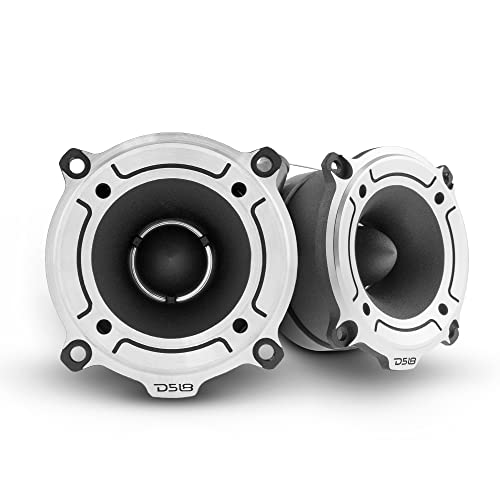
The PRO-TW120 is built for louder systems where the high end needs to stay present over road noise and heavy bass. The aluminum frame and diaphragm give it a firmer, more forward personality than the silk-dome picks earlier in the list.
That makes it a natural fit for custom installs, outdoor audio setups, or vehicles that already run with serious volume. The honest read is that this kind of tweeter can feel a bit intense in a mellow daily-driver system, so it suits bigger personalities better than casual listening.
Highlights
- Aluminum diaphragm supports a bright, assertive top end.
- Built-in capacitor filter simplifies basic system matching.
- 4-ohm design works with many common car audio layouts.
- Bullet style helps highs stay noticeable at louder levels.
Minor Gripes
- Strong high-end output may feel too forward for relaxed listening.
- Mounting and tuning matter more here than on softer tweeter styles.
Technical Sheet
Best Suited To
Enthusiasts building a louder custom system, especially in trucks, vans, or bass-focused installs, will get the most value from this one.
Where A Sibling Pick Shines
Pioneer TS-A301TW suits you better when you want a cleaner component-style upgrade with a less aggressive voice.
Compared with the larger DS18 PRO-TW120, this 1-inch bullet tweeter trims down the footprint while keeping the same high-energy family personality. That compact size can help in tighter custom panels, A-pillars, or places where you need a small driver with a loud voice.
It still leans toward systems that want bite and presence, so the better match is usually a setup that already has some planning behind it. You may find it a little intense for soft factory upgrades, but that’s part of its appeal in serious builds.
Upsides
- Small 1-inch form helps with tighter mounting spaces.
- Aluminum construction supports a crisp, assertive tone.
- Built-in crossover simplifies pairing with the rest of the system.
- Two-speaker pack suits a front-stage refresh.
Areas To Watch
- Bright tuning may be more than some daily drivers need.
- Custom placement usually matters for the cleanest result.
Details At A Glance
Who Should Grab It
Custom builders who want a small tweeter with a strong voice will get the most out of this pair.
Another Choice May Suit
Timpano TPT-ST1 Dome Tweeter Set is the gentler route for anyone who wants an easiergoing soft-dome sound.
This RECOIL pair is aimed at systems that need a lot of top-end presence and can support a more muscular tweeter. The high-compression design, along with the Kapton voice coil, points toward durability-minded construction for louder installs.
That kind of setup suits a bass-heavy trunk build or a truck that spends time at higher volumes. The catch is simple, it’s built for a more assertive sound, so you’ll want the rest of the system to keep up instead of fighting it.
Reasons To Buy
- High-compression layout suits louder audio systems.
- Kapton voice coil helps with heat tolerance in tough installs.
- Aluminum frame and diaphragm support a sturdy build.
- 4-ohm design keeps it compatible with many setups.
Points To Note
- Strong output can feel excessive in a modest cabin.
- More serious system tuning usually pays off here.
Spec Overview
Built With In Mind
Shoppers building a loud, road-focused system with plenty of amplifier headroom will find this pair a strong match.
Look Elsewhere When
Skar Audio TX-T 1-Inch Neodymium Silk Dome Tweeters make more sense when you want a softer, more forgiving top end for daily driving.
Compared with Pioneer’s older TS-T110, this TS-A301TW sits in a more component-focused lane, which usually matters in cleaner front-stage builds. The 20 mm size gives you a compact tweeter that still aims for strong high-frequency detail, so it fits well in upgraded doors or carefully planned factory replacements.
You may find it especially useful in a system where the mids already sound solid and the highs need more definition rather than sheer volume. The trade-off is that a more refined component tweeter often asks for a little more attention during install and tuning.
Best Bits
- 20 mm size keeps the hardware compact and easier to place.
- Component-style design suits more deliberate front-stage setups.
- Works well as a clean clarity upgrade.
- Higher power ceiling gives room for more ambitious systems.
Softer Spots
- Component setups usually reward careful placement.
- Less about raw aggression, more about control and detail.
Key Specs
Whose Shelf It Belongs On
Drivers building a cleaner front stage and wanting more polish than a basic drop-in tweeter will get the best fit here.
Skip It When
DS18 PRO-TW120 Super Bullet Tweeter makes more sense for you when the main goal is a louder, more forceful upper end.
The TPT-ST1 is the flexible, no-fuss option in this group, especially for installs that need angle or surface mounting. Its soft dome design and 5,000 to 20,000 Hz range make it easy to picture in a daily driver where you want cleaner treble without a sharp edge.
That range covers the part of the spectrum where vocals and shimmer live, so it works nicely for someone upgrading an older system on a sensible budget path. The trade-off is that this isn’t the loudest-feeling style in the roundup, but it’s one of the easier shapes to fit and live with.
Highlights
- Angle or surface mounting adds useful install flexibility.
- Soft dome tuning suits smoother everyday listening.
- 5,000 to 20,000 Hz range covers key treble detail.
- Simple 4-ohm design fits many common systems.
Room For Improvement
- Not built for the most aggressive loudness demands.
- Mounting still depends on your vehicle’s available space.
Feature Rundown
The Right Fit
Weekend installers and everyday drivers who want a flexible, easy-to-place tweeter will find this pair a sensible match.
Swap It Out When
RECOIL TW250 High Compression Car Bullet Super Tweeters suit you better when the system needs much more top-end output and a tougher build focus.
How To Choose The Right Auto Tweeter Speakers
Start With Sound Character
Soft-dome tweeters usually suit you best when you want smoother vocals and less edge, especially on long commutes or with bright factory head units. Bullet-style tweeters lean louder and more forward, which helps in bass-heavy systems where the upper range has to cut through road noise.
That difference matters more than most spec sheets admit. A tweeter that sounds lively in a parking lot can feel tiring after an hour on the highway, while a gentler dome can feel just right for daily use.
Match Size To The Mounting Spot
Size affects more than appearance, it shapes how easily the part fits your dash, sail panel, or door pod. Smaller units like 7/8-inch or 20 mm designs are friendlier to tight spaces, while 1-inch and larger bullet units often want a little more room and planning.
Mounting style matters too. Angle mounts help aim sound toward the cabin, while surface mounts are often easier for straightforward installs and quick upgrades.
Look At Power And System Balance
Power handling tells you how much amplifier output a tweeter can live with, but it does not mean louder is always better. A 240-watt max tweeter can still sound weak in a mismatched setup, while a modest one can shine in a well-tuned front stage.
For daily driving, balance usually beats brute force. Match the tweeter to the rest of the speakers, then think about how much bass, cabin size, and road noise you deal with most days.
Pay Attention To Materials And Tuning
Silk dome and aluminum each bring a different voice. Silk tends to feel smoother, while aluminum often sounds brighter and more assertive, which can be useful in louder or more demanding installs.
Built-in crossovers and capacitor filters also help shape the signal, and that can save you time during setup. The trade-off is simple, more control usually means more attention during install and a better chance of getting the sound you want.
What To Weigh Before You Click Over
Hidden Buying Traps
A common mistake is choosing by wattage alone. In car audio, the mounting space, tonal character, and system match matter just as much, sometimes more.
Another slip-up is ignoring whether the tweeter is meant for a calm daily setup or a loud custom build. A bright bullet tweeter in a mild factory system can feel out of place, while a soft dome in a serious bass rig may get drowned out.
The Upgrade Payoff
Higher-tier tweeters usually cost more because of the materials, the motor structure, and the way the sound is controlled. Aluminum frames, more advanced diaphragms, and built-in crossover parts all add to the final feel and the final price point.
The upgrade makes sense when your current highs sound smeared, too quiet, or easy to mask under bass and road noise. For a simple grocery-run sedan, a modest pair may be enough, but a carefully built system often rewards the extra spending.
Frequently Asked Questions
What Makes A Tweeter Different From A Full-Range Speaker?
A tweeter focuses on the highest part of the audio spectrum, where vocals, cymbals, and fine detail live. A full-range speaker covers more of the midrange and bass, so it cannot always match that same treble clarity.
Are Bullet Tweeters Too Bright For Daily Driving?
They can be, especially in small cabins or with factory electronics that already sound sharp. In louder custom systems, that brightness can help the highs stay present.
Does Speaker Size Affect Fit More Than Sound?
It affects both. Smaller tweeters are easier to tuck into tight spots, while larger or bullet-style units often project a stronger, more noticeable top end.
Do You Need A Fancy Install For Better Sound?
Not always, but placement matters a lot. A well-aimed small tweeter can sound cleaner than a larger one that’s mounted in a poor spot.
Which Tweeter Style Works Best With Bass-Heavy Systems?
Bullet-style tweeters usually fit that role well because they keep treble more obvious over the low end. Softer domes still work, but they suit a calmer overall balance better.