
Keeping fresh oil in an engine is only half the job, because the filter has to catch grit, soot, and fine debris without choking flow. That’s where the right Automotive Oil Filters make daily driving feel a little less fussy, especially for commuters, road-trippers, and anyone who handles routine maintenance at home.
Some picks are built around exact fitment for a specific vehicle line, while others lean into longer service intervals or broader compatibility. You’ll see clear differences in seal design, media construction, and the kind of ownership trade-offs that matter once the wrench is back in the drawer.
Quick Look At The Shortlist

Toyota Genuine Oil Filter 90915-YZZN1

K&N Select Oil Filter SO-1017
WIX WL10396 Oil Filter Replacement

Dacall Premium-Synthetic 20k Oil Filter HU6020Z

Bosch Automotive 3323 Premium Oil Filter
Mann Filter HU 6013 Z Oil Filter Set
More Details On Our Top Picks
For Toyota and Lexus owners who prefer the part number they already know, this filter keeps the decision simple. The appeal is less about extras and more about matching the vehicle’s original setup without a lot of second-guessing.
That makes it a calm choice for routine oil changes in a driveway or service bay, especially around cars that are still being maintained to the book. The trade-off is plain too, because you’re paying for fit confidence rather than a long list of add-on features.
What We Like
- OEM-style fit keeps installation straightforward on matched Toyota and Lexus applications.
- Part-number matching helps reduce the guesswork that can slow down a home oil change.
- Its narrow focus makes it easy to choose for a specific vehicle line.
- Works well for owners who want maintenance to stay close to factory intent.
Points To Note
- Vehicle coverage is limited, so it’s not a flexible choice for mixed garages.
- You’ll still want to confirm fitment against your exact model and engine.
Feature Snapshot
Who It Suits Best
Toyota and Lexus owners who want a straightforward replacement for regular maintenance will get the most out of this pick.
A Better Fit Elsewhere
Bosch Automotive 3323 Premium Oil Filter suits households that need broader fitment across several nameplates, especially when one garage handles multiple cars.
This K&N Select filter makes sense for drivers whose vehicles sit inside a clearly defined compatibility list. It feels more like a targeted maintenance part than a universal shelf staple, which is useful when you want the catalog research to do the heavy lifting.
In a weekly commuter or family car, that kind of vehicle-specific focus can save time during an oil change. The catch is simple, you’ll want to verify the exact application because the value lives in matching the right model, not in broad coverage.
Highlights
- Compatibility is spelled out for select vehicle lines, which narrows the search quickly.
- Good choice for owners who want a brand-name filter with model-specific targeting.
- Useful for routine maintenance where the priority is a correct match, not extra complexity.
Worth Noting
- Fitment matters a lot here, so confirming the exact vehicle listing is essential.
- It is less useful for households that need one filter source for many different cars.
Core Details
Built With In Mind
Drivers with a supported Alfa Romeo, Buick, Chevrolet, or Dodge model will get the cleanest fit experience from this filter.
Swap It Out When
Toyota Genuine Oil Filter 90915-YZZN1 is the calmer pick for people who want an exact OEM-style part instead of a broader compatibility line.
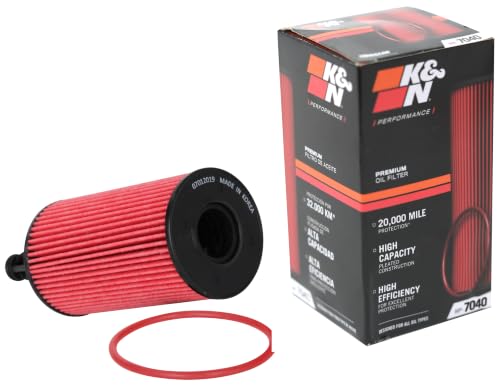
Long-service framing is the big story here, and that changes the way you look at routine maintenance. For a Mercedes-Benz owner who prefers fewer filter changes between oil services, the 20,000-mile positioning makes this feel like a more deliberate choice than the Toyota or Bosch options above.
The honest read is that the longer interval focus is attractive, but only for the right vehicle match and a maintenance schedule that lines up with it. That’s the kind of part you choose with the owner’s manual in one hand and the vehicle fit list in the other.
Best Bits
- 20,000-mile positioning gives it a clear long-interval identity.
- High-efficiency construction suits owners who want a more advanced filter option.
- Works well for drivers who prefer fewer parts changes across the year.
Small Caveats
- Vehicle compatibility is specific, so fit confirmation matters before install day.
- The value shows up most clearly for drivers who actually plan longer service intervals.
At A Glance
Who Should Grab It
Mercedes-Benz owners with supported model years who want a longer-service filter fit will get the most from this pick.
Where A Sibling Pick Shines
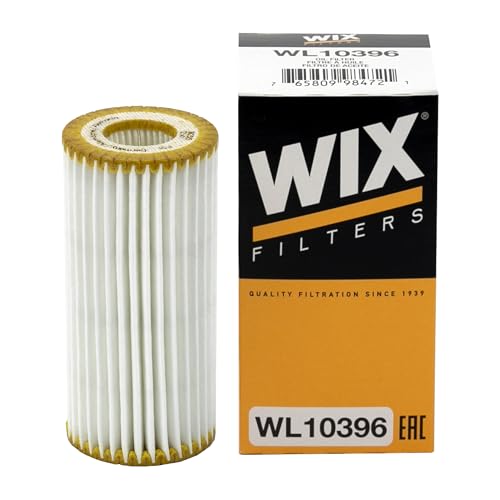
WIX WL10396 Oil Filter Replacement is the simpler path for drivers who want synthetic-oil compatibility without leaning so hard into a long-interval message.
WIX takes a more specific angle than the broader Bosch option, because this filter is built around synthetic and high-mileage oil use. That matters in real garages where the oil type has already been chosen and you want a filter that matches the service plan instead of fighting it.
Owners of Audi, Porsche, and VW models often pay close attention to maintenance details, and this filter fits that style of ownership. It’s a solid match for drivers who want a sensible, no-drama replacement rather than a flashy upgrade.
Reasons To Buy
- Built for synthetic and high-mileage oil, so it lines up with common maintenance choices.
- Vehicle coverage covers several European brands, which helps in households with more than one supported model.
- Feels easy to slot into routine service without adding much complexity.
Areas To Watch
- It’s a fit-specific part, so model confirmation still matters before you start.
- The focus is practical rather than fancy, which may feel plain to shoppers who want extra features.
Quick Facts
Whose Shelf It Belongs On
Owners of compatible Audi, Porsche, or VW vehicles who already use synthetic or higher-mileage oil will appreciate the straightforward fit.
Look Elsewhere When
Bosch Automotive 3323 Premium Oil Filter is the better all-around choice for someone who wants broader cross-brand coverage in a shared garage.
Sprinter owners need a filter that understands the pace and load of a work van, and this one is built with that use case in mind. The listed diesel-only fit for Mercedes-Benz Sprinter 2500, 3500, 3500XD, and 4500 models gives it a very specific lane, which is useful in fleet-style maintenance or one-van household ownership.
The dual-layer mix of cellulose and microglass is the kind of detail that matters to anyone comparing it against simpler filters like Toyota Genuine or Bosch. It aims to catch fine contamination while still letting oil move through cleanly, though the extra care in fitment means you should check the part number and dimensions before mounting it.
Positives
- Dual-layer media brings a more advanced build than plain paper-style filters.
- Designed for diesel Sprinter vans, so the application is tightly focused.
- High-efficiency wording points to a stronger filtration emphasis for demanding mileage.
- The replacement part-number list helps with cross-checking during maintenance.
- Good match for vans that see regular hauling, route work, or frequent highway use.
Room For Improvement
- Fit verification matters a lot, especially on Sprinter vans with closely matched part variations.
- The detailed compatibility check adds a small bit of prep before installation.
- It is not the easiest pick for shoppers who want a simple universal replacement.
Feature Card
The Right Fit
Mercedes-Benz Sprinter drivers with the listed diesel applications will get the cleanest match from this filter.
Where Shoppers Go Wrong
Mann Filter HU 6013 Z is the better path for owners who want a complete filter-and-gasket set instead of a more specialized Sprinter part.
Among the group here, Bosch feels like the most broadly useful middle ground. Its fitment stretches across several Acura, Chrysler, Dodge, Ford, Honda, Infiniti, and Nissan applications, which is handy in a garage where the vehicles don’t all share the same badge.
FILTECH filtration technology is Bosch’s way of describing a media design focused on trapping contaminants while keeping oil passage steady, and that balance matters for everyday commuting. The trade-off is the usual one for a wide-coverage part, because you still need to line up the exact vehicle match before you drop it into the cart.
Standout Traits
- Broad compatibility makes it useful for households with several supported brands.
- FILTECH filtration points to a more refined capture-and-flow balance.
- Works well for routine maintenance on daily drivers.
- Good middle-ground choice between narrow OEM parts and more specialized van filters.
Areas To Watch
- Vehicle matching still matters, so the broad list should not replace a fit check.
- It is less specialized than the Dacall Sprinter part for heavy van use.
Feature Rundown
Made For
Drivers who maintain more than one supported vehicle and want a single, sensible filter family will get strong value from this Bosch pick.
Consider Something Else When
Toyota Genuine Oil Filter 90915-YZZN1 is the cleaner choice for anyone who wants a direct OEM-style part for a Toyota or Lexus application.
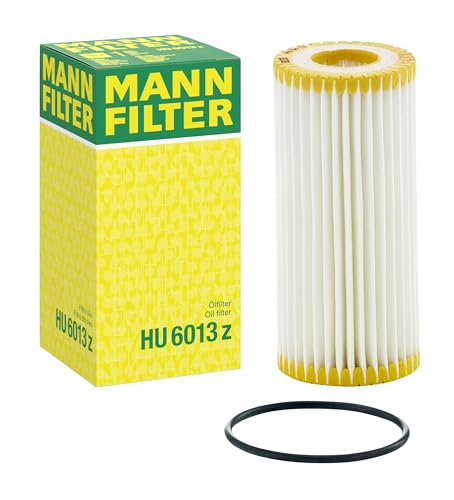
This Mann Filter kit stands out because it includes the filter plus the gasket pieces, which makes the job feel more complete at the bench. For passenger car maintenance, that matters more than it sounds, since having the sealing pieces in the same set can simplify planning and reduce last-minute parts hunting.
It also leans into original-equipment quality and metal-free construction, which may appeal to drivers who keep a close eye on long-term service habits. The honest trade-off is that the fit search still asks for attention, but the bundled pieces are a nice touch compared with single-piece filters like Toyota Genuine or Bosch.
Strong Points
- Filter and gasket set together make maintenance feel more complete.
- Original-equipment quality positioning suits careful passenger-car upkeep.
- Metal-free construction is a thoughtful touch for disposal-conscious owners.
- Helpful fit-search guidance can simplify the model-matching process.
Minor Gripes
- Vehicle matching still needs attention before installation.
- The value shows best for owners who want the full gasket bundle, not just the filter body.
Details At A Glance
Who Will Love This
Passenger-car owners who want the filter and gasket pieces in one matched set will appreciate this Mann Filter option.
Reach For A Different Pick When
Dacall Premium-Synthetic 20k Oil Filter HU6020Z is the better fit for Mercedes-Benz Sprinter drivers who need a diesel-specific van part instead of a passenger-car kit.
How To Choose The Right Automotive Oil Filters
Match The Part To The Vehicle, Not The Shelf
The first decision is fitment, and that starts with the exact year, engine, and trim on your vehicle. A Toyota Genuine filter makes that point clearly, while Bosch and K&N cover broader vehicle families, which helps only after you’ve confirmed the exact application.
Part numbers matter because they shorten the search and reduce mistakes during maintenance. That’s especially useful in a shared garage where several cars may need different filters that look similar at a glance.
Choose Media And Service Interval With A Real Schedule In Mind
Filter media is the material inside the canister that traps particles while oil keeps moving. Dense synthetic-style blends and microglass mixes, like the Dacall unit, usually signal a more advanced build than a basic replacement, but they also tend to ask for tighter fit checks and a more deliberate service plan.
Longer-interval filters make sense for drivers who actually follow longer oil change schedules. Short-trip commuters and stop-and-go city drivers often benefit more from a straightforward, well-matched filter than from chasing a high-mileage claim they won’t use.
Think About Maintenance Ease, Not Just Filtration Talk
The best filter for home use is often the one that installs cleanly and comes off without drama next time. A bundled gasket set, like the Mann Filter kit, can save time and reduce the chance of a sealing-piece mismatch, which matters more than marketing language once the car is on the lift.
Ease of cleanup matters too, especially for driveway maintenance. Metal-free or clearly packaged replacement parts can make post-service handling simpler, while a tightly specified OEM-style filter is often the calmest option for owners who value predictability.
Pick For The Way You Drive, Not Just The Badge On The Hood
Highway commuters, towing setups, and work vans put different stress on oil and filtration. A Sprinter driver has a very different need from a weekend-only Toyota owner, so the smartest choice is the one that lines up with mileage, load, and how often you touch the maintenance schedule.
The good news is that this category gives you clear lanes. Exact-fit OEM parts, broad cross-brand filters, and long-interval options all exist, and that makes it easier to choose with your own routine in mind rather than chasing a generic all-purpose part.
Things Worth Knowing Before You Order
Traps First Timers Fall Into
The most common mistake is assuming a close-looking filter will fit just because the thread and size seem familiar. You avoid that by checking the model, engine, and part number together, especially on European vehicles and Sprinter vans.
Another common miss is overlooking the gasket set. A complete kit like the Mann Filter option can spare you a second trip, while a single filter body may still need extra attention before installation.
The Upgrade Payoff
More expensive filters usually pay for better media, tighter fit lists, or bundled sealing parts. That is where the Dacall and Mann Filter options make sense, because the extra cost tracks with a more specialized build or a fuller maintenance kit.
For a simple commuter car, that upgrade is only worth it when the service plan or engine design calls for it. Otherwise, a straightforward OEM-style or broad-fit option is often the smarter spend.
Frequently Asked Questions
How do you know which oil filter fits your car?
You match the year, engine, trim, and part number against the compatibility list. Vehicle-specific filters like Toyota Genuine and K&N make that process easier when your car is on the supported list.
Do more expensive oil filters always make sense?
Not always, because the upgrade only helps when the vehicle, oil type, or service interval calls for it. A basic OEM-style filter is often enough for routine maintenance on a standard commuter car.
What does synthetic media change in an oil filter?
Synthetic-style media usually points to a filter design that aims for finer contaminant capture and steadier flow. That matters most for drivers who want a more specialized part for the service schedule they already follow.
Why do some filters include a gasket set?
A gasket set gives you the sealing pieces needed for a more complete service job. That can make maintenance easier because you’re not trying to reuse worn sealing parts.
Is a longer-mileage filter better for every driver?
No, because the right choice depends on how you actually drive and how often you service the vehicle. Long-interval filters fit best when your maintenance routine is built around them.
Final Verdict
Your best choice depends on fit first, then on how you maintain the vehicle. Toyota Genuine is the cleanest OEM-style match for Toyota and Lexus owners, Bosch brings the broadest everyday flexibility, and Dacall or Mann Filter step in when you want a more specialized kit or a more detailed service setup. Keep the part number close, trust the compatibility list, and the rest of the job stays pleasantly ordinary.