

Three-bank chargers make life easier when you’re managing a boat, a trailer, or a small fleet of batteries at home. Instead of juggling single chargers, you get one setup that can keep multiple batteries ready without constant swapping. That matters on weekends at the marina, in a packed garage, or anywhere dead batteries turn into a hassle.
The seven picks below lean toward different needs, from higher-output marine units to slower maintainers for vehicles and lawn gear. You’ll see which ones suit lithium setups, which ones stay friendly to lead-acid batteries, and which models make the most sense for everyday upkeep.
Quick Look At The Shortlist

FirstPower Pro 3 Bank Marine Battery Charger 10X3 30A

FirstPower Pro 2-Bank 4A Trickle Charger

LiTime 2 Bank 12V 10A LiFePO4 Charger

FirstPower Pro 3 Bank Marine Battery Charger 5X3 15A

anegine 3 Bank Marine Battery Charger 12V 5A
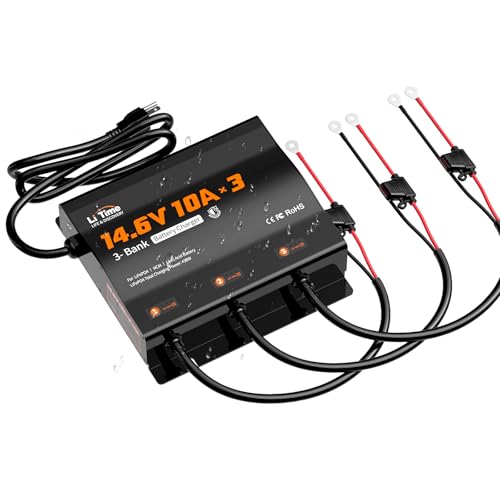
LiTime 3 Bank 12V 10A LiFePO4 Charger

CXRCY 3 Bank Battery Charger 12V 30A
More Details On Our Top Picks
That 10 amps per bank puts this FirstPower Pro unit in the stronger end of the dockside crowd, so it suits boats with several batteries that need regular topping off. The waterproof build and 24/7 charging support make more sense for covered marine storage than for a tidy shelf charger in a dry workshop.
The real appeal is simple: one box can handle a heavier load without making you manage separate chargers. The trade-off is that this much output is more than many casual garage setups need, so it fits better on boats, not small tools.
Strong Points
- Three-bank design keeps multiple 12V batteries covered from one unit.
- 10 amps per bank gives you stronger charging headroom than slower maintainer-style options.
- Waterproof construction suits damp docks and covered marine storage.
- Overcharge and temperature protection add useful peace of mind in hot, changing conditions.
Things To Consider
- Its higher output is more than you need for light-duty storage.
- Marine sizing means it makes less sense for a small garage bench.
- Mounted chargers like this usually reward careful cable routing and a clean install.
Feature Snapshot
Who It Suits Best
Boat owners with several batteries and a need for stronger bank-by-bank charging will get the most from this layout.
Where A Sibling Pick Shines
FirstPower Pro 3 Bank Marine Battery Charger 5X3 15A fits smaller boats better, especially when you want a gentler output without giving up the three-bank format.
Compared with the marine-focused units above, this FirstPower Pro charger looks built for slower, more deliberate upkeep. Its 2-bank, 2-amp-per-bank layout suits a pair of batteries in a car, motorcycle, or lawn machine that sits more than it runs.
The fact that it supports 12V and 6V batteries gives it a wider home-garage role than the boat-first options in this list. The trade-off is obvious, though, because a 4A total output is about care and maintenance, not quick turnaround.
Highlights
- Two-bank design works well for a pair of stored batteries.
- 12V and 6V support broadens its garage usefulness.
- Gentle output suits long-term upkeep instead of rushed charging.
- Coverage notes include setup help and troubleshooting support, which matters for less experienced installers.
Points To Note
- Two amps per bank is slow by design, so patience matters.
- It makes less sense for larger marine battery arrays.
- Small-maintainer chargers are happiest when cables stay neatly stored and protected from tangles.
Quick Facts
Made For
Home garage owners who keep a car battery, motorcycle battery, or mower battery on standby will find the slow pace easy to live with.
A Better Fit Elsewhere
LiTime 3 Bank 12V 10A LiFePO4 Charger suits boat owners who need stronger marine coverage and a three-bank setup in the same footprint.
LiTime leans hard into lithium use here, and the 14.6V output tells you exactly where it belongs in the charging cycle. For kayak rigs, trolling motors, and mixed marine setups, that kind of specificity matters more than flashy extras.
The IP65 rating means dust protection and resistance to water spray, which makes sense around a boat deck or damp garage edge. The 0V activation feature is a useful recovery detail for batteries that have fallen very low, though your setup still needs the correct battery chemistry match.
What We Like
- 14.6V output is well matched to LiFePO4 charging needs.
- 0V activation helps revive deeply drained batteries in supported use cases.
- IP65 sealing adds welcome protection in wet, dusty spaces.
- LED indicators make basic status checks easier at a glance.
- Two-bank format works for a compact marine or kayak setup.
Small Caveats
- LiFePO4 users benefit most, so the chemistry match matters.
- Two banks are enough for smaller setups, not larger fleets.
- Water-resistant gear still deserves dry cable storage after use.
Core Details
The Right Fit
You’ll get the most from this charger in a kayak, trolling motor, or small boat setup built around lithium batteries.
Another Choice May Suit
FirstPower Pro 3 Bank Marine Battery Charger 10X3 30A works better for larger boats that need stronger all-around bank coverage.
Right after the stronger 30A model, this 15A FirstPower Pro option lands in a friendlier middle zone. Each bank supplies 5 amps, so the charger feels better suited to smaller marine battery groups that still need reliable onboard charging.
It keeps the same waterproof, always-ready character as the bigger sibling, but with a lighter footprint on the electrical side. That makes it a tidy fit for boat owners who want three banks without jumping to the most aggressive output in the lineup.
Upsides
- Three-bank layout suits compact marine setups nicely.
- 5 amps per bank gives a moderate charge pace.
- Waterproof housing supports use in wet boating conditions.
- Overcharge and temperature protection add useful control in changing weather.
Areas To Watch
- It still feels boat-focused, so garage-only use is less compelling.
- Some owners will want the stronger 10A-per-bank version for larger battery loads.
- Mounted marine units usually work best with a clean, planned installation path.
At A Glance
Who Should Grab It
Smaller boat owners who want a three-bank setup without moving to the strongest output level will feel at home here.
Swap It Out When
CXRCY 3 Bank Battery Charger 12V 30A makes more sense for deeper-cycle battery banks that benefit from higher total output and desulfation support.
anegine brings in a more information-heavy style than the simpler FirstPower Pro units, thanks to the LCD display and IP68 sealing. IP68 means a very high level of dust protection and stronger water resistance than the lighter water-resistant ratings in this roundup.
That makes it a compelling fit for RVs, boats, cars, and mixed battery storage spaces where you want both display feedback and tougher sealing. The 5A-per-bank pace keeps it in the practical middle, though it’s the screen and protection details that make it stand apart.
Reasons To Buy
- LCD readout gives you clearer status feedback during charging.
- IP68 sealing is reassuring for wetter or harsher storage spots.
- Three banks support a multi-battery setup from one charger.
- Temperature compensation helps the charger adjust to changing conditions.
- Support for lead-acid, AGM, EFB, LiFePO4, and lithium adds real versatility.
Honest Caveats
- The extra display and sealing may feel unnecessary for basic garage upkeep.
- More features usually mean a little more setup attention at install time.
- Keeping the screen area clean helps you read it clearly over time.
Details At A Glance
Best Suited To
Owners who want a screen, stronger sealing, and broad battery compatibility will get a lot of value from this one.
Reach For A Different Pick When
LiTime 2 Bank 12V 10A LiFePO4 Charger is the tighter fit for smaller kayak and trolling motor setups centered on lithium use.
This LiTime model expands the same lithium-first logic into a three-bank setup, which is handy for boats, kayaks, and trolling motor rigs that carry more than one battery. The 14.6V output and 10A per bank give it a more serious stance than the slower maintainers in this roundup.
Its IP65 sealing is a solid middle ground for damp storage and spray-prone decks, and the LED indicator keeps status checks simple. The honest read is that it suits people who want more muscle than a basic maintainer but do not need the LCD-heavy feature set of the anegine option.
Best Bits
- Three-bank layout gives you broader coverage than the 2-bank LiTime model.
- 10A per bank supports a more assertive charging pace.
- 14.6V output matches LiFePO4 charging needs well.
- 0V activation adds practical recovery value for deeply drained batteries.
- LED indicators keep the interface straightforward.
Minor Gripes
- The lithium focus makes chemistry matching important.
- Three banks are a better fit for multi-battery setups than for simple single-battery storage.
- Like most sealed marine gear, it benefits from tidy mounting and protected cable runs.
Technical Sheet
Built With In Mind
You’ll appreciate this one most in a marine setup that leans heavily on lithium batteries and needs three separate charging channels.
Look Elsewhere When
FirstPower Pro 3 Bank Marine Battery Charger 5X3 15A is the simpler match for boat owners who want a lower-output, lead-acid-friendly alternative.
CXRCY combines a high-output three-bank layout with maintainer and desulfator functions, so it aims at more demanding battery care. Desulfator means it’s designed to help address sulfate buildup on lead-acid batteries, which matters for deep-cycle owners who let equipment sit through long off-seasons.
The 30A total output and 10A per bank put it in the same muscle class as the FirstPower Pro 10X3 unit, but the maintenance angle broadens its appeal. That blend makes sense for marine owners who want charging plus long-term upkeep in one box.
Positives
- Three-bank charging supports multiple batteries from one onboard unit.
- 10A per bank gives strong output for larger battery sets.
- Maintainer function helps with seasonal storage routines.
- Desulfator support adds value for deep-cycle lead-acid upkeep.
- Waterproof construction fits the marine environment well.
Worth Noting
- The richer feature mix makes it feel more specialized than a basic charger.
- Maintenance and recovery features matter most on lead-acid-style setups.
- As with most onboard gear, regular cable checks help keep the install tidy.
Feature Rundown
Whose Shelf It Belongs On
You’ll get the most value from this model if your setup mixes deep-cycle batteries with long storage periods and regular marine use.
Where A Sibling Pick Shines
LiTime 3 Bank 12V 10A LiFePO4 Charger is the cleaner fit for lithium-first setups that don’t need a desulfator feature.
How To Choose The Right 3 Bank Onboard Battery Chargers
Match Output To Your Real Use
Start with the batteries you actually keep on board or in storage. A 30A charger with 10A per bank makes sense for larger marine setups, while a 4A trickle unit is better for slow upkeep in a garage.
Bank count matters just as much as output. Three-bank models suit boats and battery racks with multiple connected packs, while two-bank chargers fit smaller craft, two-vehicle storage, or a pair of maintenance batteries.
Check Battery Chemistry Before Anything Else
Lithium, LiFePO4, lead-acid, AGM, EFB, calcium, and deep-cycle batteries do not all want the same charging profile. A lithium-focused model like either LiTime pick is a smarter fit for lithium-heavy setups, while broader chargers suit mixed garages or older marine batteries.
That choice affects how comfortably the charger fits your routine. Use the right chemistry match and you spend less time worrying about compatibility, which is the whole point of an onboard charger in the first place.
Decide How Much Protection You Need
Waterproofing sounds similar across listings, but the ratings and feature sets are not identical. IP65 and IP68 mean different levels of sealing, and that matters on open decks, in damp storage, or anywhere spray is part of normal life.
Temperature compensation, overcharge protection, and LED or LCD feedback all help in different ways. The more often the charger lives in changing conditions, the more useful those extras become.
Think About Installation And Storage Habits
Onboard chargers reward clean mounting and decent cable routing. The units in this roundup are meant to live with the batteries, so a cluttered install can undo some of the convenience you’re paying for.
For seasonal storage, a maintainer or desulfator can be worth the extra step. If your batteries sit for weeks or months, that kind of support is often more useful than a higher number on the output line.
What To Weigh Before You Choose
Common Shopping Slip Ups
One common miss is choosing output before chemistry. A strong charger is not the same as a suitable charger, and the battery type has to line up with the charge profile.
Another slip-up is buying for the boat while forgetting the storage setup. Mounted chargers need room, dry routing, and a sensible place to live.
What The Higher Tier Buys
Higher-tier models usually give you stronger output, more precise battery support, and better sealing. Screen feedback, recovery features, and broader chemistry support also tend to show up as the price class rises.
That upgrade pays off most on boats, off-season storage, and multi-battery setups. For a simple garage maintainer, a basic unit can still be the smarter call.
Frequently Asked Questions
What does a 3 bank charger actually do?
It charges or maintains three batteries through separate banks in one unit. That’s useful on boats or in storage setups where multiple batteries need attention at the same time.
Are these chargers only for boats?
No, several of these picks work for cars, motorcycles, lawn equipment, RVs, and trailer storage. The boat-first models just make the most sense where moisture and onboard mounting matter.
Why does battery chemistry matter so much?
Different battery types want different charging behavior, voltage targets, and recovery logic. Matching the charger to the chemistry helps it fit the battery instead of forcing the battery to fit the charger.
Is waterproofing enough for outdoor storage?
Waterproofing helps a lot, but mounting and cable care still matter. A charger that lives in a harsh marine space does better with neat installation and protected connections.
Do you need the highest amp rating available?
Not always, because more output is only useful when the batteries and use case call for it. A slower maintainer can be a better match for seasonal storage or lightly used equipment.
Final Thoughts
The right three-bank charger depends on how hard your batteries work and where they spend their time. For larger marine setups, the stronger 10A-per-bank units make sense, while slower trickle models fit garage maintenance much better. Lithium users should stay close to lithium-specific models, and mixed battery owners get more value from broader compatibility. Pick the charger that matches your batteries first, then the one that matches your routine.