
Boat stereo upgrades should do more than stream music, they need to handle salt spray, cramped dash space, and the kind of vibration that shakes loose flimsy gear. This roundup focuses on seven boat Bluetooth radios that fit real use cases, from open-helm rigs to compact dash installs and mixed boat-and-vehicle setups.
You’ll see a range here, from single-DIN receivers to gauge-style marine centers and a bundled stereo-plus-speaker kit. The right match depends on your console shape, how much wiring you want to deal with, and whether you care more about simple streaming, radio access, or a cleaner factory-style fit.
Quick Look at the Shortlist

Sony DSXM55BT Bluetooth Marine Digital Media Stereo Receiver
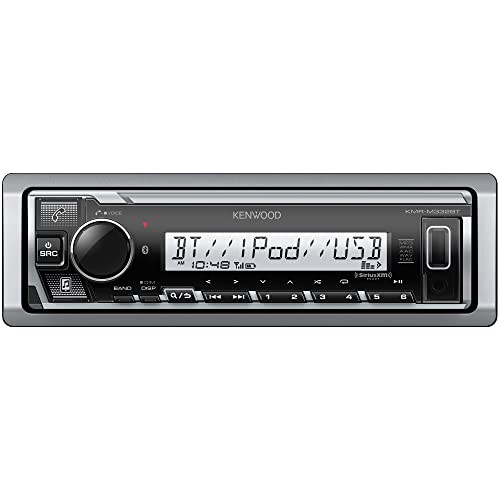
KENWOOD KMR-M332BT Car & Marine Stereo Single DIN

Kicker 46KMC2 Weather-Resistant Gauge-Style Media Center
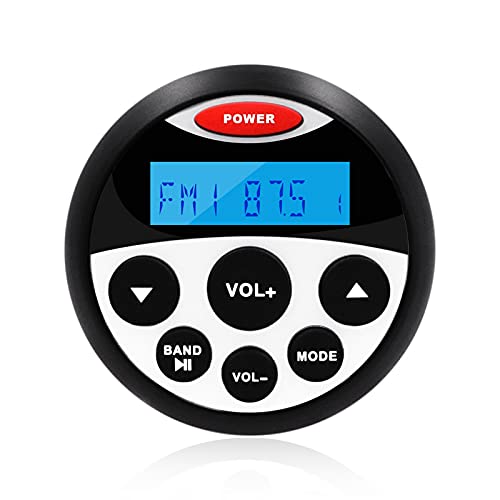
Boat Marine Stereo Receiver Bluetooth GR304

Pyle Marine Radio Single DIN Receiver

BOSS Audio Systems MCK632WB.6 Marine Bluetooth Stereo

JVC KD-X560BT Digital Media Car & Marine Bluetooth Receiver
More Details On Our Top Picks
The Sony DSXM55BT leans into a simple single-DIN footprint, which helps in boats where dash space is tight and you want a familiar layout. You’ll appreciate that kind of straightforward fit more than flashy extras in a helm that already feels crowded.
It also makes sense for day cruisers who want a clean media receiver rather than a bundle of functions they may never touch. The trade-off is that it stays focused on core stereo duties, so it suits a no-nonsense setup better than a feature-loaded control hub.
What We Like
- Single-DIN shape suits compact dash openings.
- Marine-focused design fits boating use well.
- Digital media layout keeps playback simple.
- Works for routine installs without much fuss.
Things To Consider
- It does not try to be a full entertainment hub.
- Single-DIN sizing may feel tight for larger retrofit projects.
Feature Snapshot
Who It Suits Best
Boat owners with a standard dash opening and a preference for a clean, compact receiver will get the most out of it.
Another Choice May Suit
KENWOOD KMR-M332BT suits you better when you want more playback inputs and a little more source flexibility.
Compared with the Sony pick, this Kenwood brings a broader mix of playback options, which helps in boats that pull double duty as weekend vehicles or work rigs. Bluetooth streaming, USB, AUX, and AM/FM radio give you more ways to feed the system without fuss.
The weatherproof build and multicolor illumination make it a strong fit for cockpits where visibility matters after sunset. The honest read is that more features usually mean a little more setup attention, so it rewards a careful install.
Bright Spots
- Bluetooth, USB, AUX, and radio cover many listening habits.
- Weatherproof construction suits marine exposure better than basic car units.
- Multicolor lighting helps the face blend with varied dash styling.
- SiriusXM readiness keeps your listening options open.
Minor Gripes
- The broader feature set can ask for more installation attention.
- Color illumination helps at night, though personal taste still matters.
Core Details
Made For
Boat owners who want a flexible stereo for both water and road use will find the Kenwood especially practical.
Where A Sibling Pick Shines
Sony DSXM55BT makes more sense for a simpler marine-only setup with fewer playback paths to manage.
Gauge-style units like the Kicker 46KMC2 are made for open helms where a round dash opening feels more natural than a rectangular stereo face. The readable screen and rotary encoder, meaning a knob-style control wheel, make quick adjustments easier when conditions are moving around.
It also pushes over 200 watts of peak power across four channels, so it suits boaters who want a stronger onboard audio setup without jumping into a huge console system. The trade-off is simple enough: its shape is specialized, so it fits best in boats that already want a gauge-format center.
Highlights
- Round gauge-style format suits open helm layouts.
- Rotary encoder makes quick control changes more natural.
- Readable display helps at a glance in bright conditions.
- Peak power rating supports a fuller audio setup.
Areas To Watch
- The round format is more specialized than a standard single-DIN receiver.
- It fits best in consoles built around that shape.
Details At A Glance
Who Should Grab It
Boat owners with an open helm and a round dash cutout will get the smoothest fit from this Kicker unit.
Skip It When
KENWOOD KMR-M332BT fits better for a rectangular dash opening and a broader mix of media inputs.
The GR304 stands out for its wide use-case range, since it’s aimed not just at boats but also golf carts, ATVs, UTVs, and spa hot tubs. That kind of flexibility matters in mixed-property setups, especially around cabins or dockside spaces where one stereo might serve more than one job.
Its 45 x 4 watt audio rating points to four channels with 45 watts each, which gives you a useful snapshot of its output class without overstating it. The catch is that broad compatibility can also mean you’ll want to pay close attention to mounting space and wiring before you commit.
Reasons To Buy
- Works across several vehicle and leisure settings.
- 45 x 4 watt output suits a practical audio upgrade.
- Gauge-style format may fit compact panels neatly.
- Good fit for shared-use recreational equipment.
Small Caveats
- The broad compatibility list still leaves installation details to you.
- It makes the most sense in spaces built for a gauge unit.
Spec Overview
The Right Fit
You’ll get the most value here in a mixed recreation setup where one receiver may cover several different platforms.
Swap It Out When
Kicker 46KMC2 is the stronger fit for an open helm that needs a more purpose-built gauge-style marine center.
The Pyle receiver looks built for straightforward upgrades, with Bluetooth streaming alongside AM/FM, USB, AUX, and MP3 playback. That mix suits boat owners who still keep music on a thumb drive or want a familiar wired backup for rough days on the water.
Hands-free calling and the included remote control add convenience without turning the unit into a complicated control center. RGB buttons and a splash-resistant build help it feel more boat-aware than a plain car stereo, though the fit still depends on a clean installation.
Standout Traits
- Bluetooth and wired inputs cover several listening habits.
- Hands-free calling adds convenience for dockside use.
- Remote control helps from a seated helm position.
- RGB buttons give the face a more visible look at night.
- Splash-resistant construction suits marine conditions better than basic electronics.
Worth Noting
- Wiring and mounting still matter a lot for long-term reliability.
- The splash-resistant design is useful, though it does not remove the need for care around direct water exposure.
Technical Sheet
Best Suited To
You’ll like this most in a smaller boat or dockside setup where convenience and source flexibility matter more than high-end extras.
Look Elsewhere When
KENWOOD KMR-M332BT is the better match for you if you want a more polished marine stereo with broader radio readiness.
This BOSS bundle goes beyond a head unit by pairing the Bluetooth stereo with 6.5-inch speakers and a dipole antenna, so it suits a full refresh rather than a small swap. That bundled approach saves you from piecing together every part one by one, which is handy on a workboat or a family runabout with tired audio gear.
The detachable front panel and multicolor illumination add some day-to-day practicality, while the 50W x 4 rating gives you a familiar output reference for a four-speaker setup. The trade-off is that bundled systems naturally ask for more install time than a plain receiver.
Upsides
- Stereo, speakers, and antenna arrive as one setup path.
- Detachable front panel adds a useful theft-deterrent layer.
- Multicolor illumination helps match dash styling.
- 50W x 4 output suits a basic multi-speaker layout.
- Good choice for replacing an aging marine audio system.
Room For Improvement
- The bundle means more components to install and route.
- It makes more sense for a full upgrade than a quick swap.
Core Details
Whose Shelf It Belongs On
Boat owners doing a larger refresh, especially on older vessels with tired speakers, will get the most from this bundle.
Reach For A Different Pick When
Pyle Marine Radio Single DIN Receiver works better for a simpler head-unit-only upgrade with fewer parts to install.
JVC’s KD-X560BT brings a practical mix of digital media playback and marine-friendly use, which helps it fit boats that also spend time in a garage or trailer setup. Rear camera input is the detail that stands out most, because it can support a cleaner view during backing and docking routines on compatible builds.
It also plays nicely with iPhone, Android, USB, and AUX sources, so you’re not locked into one device ecosystem. The trade-off is that its strengths are broad rather than specialized, which makes it feel like a versatile middle ground rather than a niche marine showpiece.
Best Bits
- Rear camera input adds useful installation flexibility.
- Works with iPhone, Android, USB, and AUX sources.
- Digital media focus suits modern streaming habits.
- Marine and car use cases make it adaptable.
Points To Note
- It’s a broad-use unit, so it feels less specialized than some marine-first options.
- Rear camera support helps only in setups that already plan for that gear.
Feature Rundown
Built With In Mind
You’ll get the most from this JVC in a boat that also sees road use or needs camera integration.
Where Another Pick Suits Better
Kicker 46KMC2 is the better fit for an open helm that wants a round, marine-first control layout.
How To Choose The Right Boat Bluetooth Radios
Fit Comes First
Dash shape decides more than most people expect. A single-DIN receiver like the Sony DSXM55BT or KENWOOD KMR-M332BT fits standard rectangular openings, while the Kicker 46KMC2 is built for a round gauge-style space.
That difference matters because marine consoles often leave little room for improvisation. A clean physical fit also makes wiring tidier, which helps the install feel finished instead of patched together.
Think About How You Listen
Bluetooth is the headline feature, but source options tell you how flexible the stereo really is. KENWOOD, Pyle, and JVC add USB and AUX paths, while the Sony keeps the focus tighter on digital media playback and marine use.
That spread matters for boaters who still carry music on a flash drive or want a hardwired backup for spotty signal areas. In plain terms, more inputs mean fewer dead ends.
Match the Output to the Boat
Power numbers can sound abstract, so anchor them to the boat size and speaker plan. The Kicker 46KMC2’s over-200-watt peak output and the BOSS unit’s 50W x 4 setup suggest different ambitions, one for a compact media center, the other for a fuller system refresh.
You do not need the biggest number on the page. You need enough clean output for the number of speakers you plan to run, with some room left over for volume on windy rides.
Extras That Actually Earn Their Keep
Some features are nice to have, while a few are worth paying attention to. Multicolor illumination helps at night, detachable front panels add a bit of peace of mind, and rear camera input on the JVC can be a real convenience in tighter docking situations.
The honest read is that extras should support the way you boat, not distract from it. A stereo that matches your helm, your wiring comfort, and your daily routine usually feels better than one with a long spec sheet.
A Quick Reality Check Before You Choose
Mistakes Worth Dodging
Many shoppers focus only on Bluetooth and forget the dash opening, which is how a good-sounding unit ends up being awkward to mount. Another common miss is ignoring weather exposure, especially on boats that stay uncovered at the dock.
You’ll also want to look past the faceplate and think about the whole system. Speakers, antenna placement, and wiring depth all affect how smooth the upgrade feels once everything is in place.
The Case For Spending Up
Higher-tier models usually ask for more money because they bring better layouts, sturdier housings, more input options, or a fuller bundle. The BOSS package is a good example, since you’re paying for speakers and an antenna along with the stereo itself.
That kind of spend makes sense when you want fewer separate purchases and a more complete install path. It’s less compelling for a small skiff where a simple receiver does the job just fine.
Frequently Asked Questions
What makes a boat Bluetooth radio different from a car stereo?
Marine-focused models are built with boat use in mind, so they often suit wet, bright, and vibration-prone settings better. A car stereo can fit physically, but the boat-specific layout usually makes more sense on the water.
Does a single-DIN radio work on most boats?
Single-DIN units fit many standard dash openings, which is why they show up so often in marine upgrades. They still need the right cutout depth and a clean wiring plan.
Is a gauge-style receiver better than a rectangular one?
Gauge-style models fit well in open helm consoles and round cutouts. Rectangular single-DIN receivers give you broader compatibility across more traditional dash spaces.
Why would you want USB or AUX in a Bluetooth radio?
USB and AUX give you backup playback paths when you don’t want to rely on wireless audio. They also help when several people on the boat use different devices.
Is rear camera input useful on a marine stereo?
Rear camera input helps in boats that need a backing or docking view through compatible hardware. It’s most useful on setups that already plan to add that camera gear.