
You want cleaner bass without turning your trunk into a science project, and that means the right amp matters as much as the sub itself. Some installs call for a flexible four-channel setup, while others need a focused mono amp that keeps the low end tight on a commute, a road trip, or a weekend build.
This roundup keeps the focus on real setup needs, such as bridgeable channels, low-pass control, and input compatibility. You’ll see where each pick fits, where it asks for a little compromise, and which one makes sense for your system goals.
The Shortlist At A Glance

Pioneer GM-A6704 4-Channel Car Amplifier
Yaeccc 4-Channel Car Amplifier 3200W

AUDIOZERONE ZE1000.1 Monoblock Amplifier
Planet Audio PL2000.1M Monoblock Car Amplifier

Skar Audio RP-350.1D Monoblock Amplifier 350W

Taramps Bass 400 Monoblock Amplifier

Skar Audio RP-800.1D Monoblock Amplifier 800W
More Details On Our Top Picks
The appeal here is flexibility, because a bridgeable four-channel layout lets you shape a system without painting yourself into a corner. The high-pass and low-pass filters help you steer the signal toward speakers or bass duties, which matters in a daily driver where you want clean separation more than flashy numbers.
Compared with the mono amps below, this Pioneer gives you more room to build around factory speakers plus a sub. The trade-off is simple, it asks for a little more planning during setup, so it suits tinkerers and first-time installers who still want a clear path forward.
Strong Points
- Bridgeable channels give you flexible wiring options.
- High-pass and low-pass filters help shape the sound to fit a mixed system.
- Four channels suit a car audio build that may grow later.
- Pioneer branding brings familiar fit-and-finish expectations for routine installs.
Things To Consider
- Four-channel amps usually take more planning than a single-purpose mono unit.
- You may not need this much flexibility for a basic sub-only setup.
- Wiring and tuning can feel a bit busier in cramped trunks.
Feature Snapshot
Who It Suits Best
Commuters building a mixed speaker and sub setup get the most value from this kind of layout.
A Better Fit Elsewhere
Skar Audio RP-800.1D Monoblock Amplifier 800W fits you better when your system is centered on a dedicated sub and you want fewer setup branches.
This Yaeccc unit leans into simple multichannel utility, which can be handy in a garage install or a budget-friendly upgrade path. The 12V format keeps it in the common car-audio lane, and the full-range design makes it easier to think about broader speaker duties rather than only bass.
It sits closer to the Pioneer than the mono amps do, but it does so with a more basic presentation. That makes it a sensible choice for someone who wants a straightforward step up, though the lack of more detailed published feature information means you’ll want to be comfortable with a looser spec story.
Reasons To Buy
- Four channels give you room for a broader system layout.
- Full-range design can support more than one audio role.
- Works well for a budget-minded install where function matters more than polish.
- The 12V car-audio format fits standard vehicle electrical setups.
Worth Noting
- Published details are lean, so setup planning may take extra care.
- It suits a practical build more than a highly tuned show car system.
- Cable management and gain setting can still demand patience in tight dash spaces.
Core Details
Built With In Mind
Budget-conscious installers who want a simple multichannel path should find this the easiest match.
Swap It Out When
Pioneer GM-A6704 4-Channel Car Amplifier suits you better when you want known filter controls and a more clearly defined bridgeable layout.
The ZE1000.1 moves straight toward sub duty, so it makes sense in a hatchback build or a trunk setup where bass takes center stage. Class D is the efficient amplifier style here, and the MOSFET power supply points to a design aimed at controlled low-end delivery rather than broad multichannel flexibility.
Compared with the Pioneer and Yaeccc picks, this one narrows the job and does it with more focus. The 1 to 4 ohm stability and low-pass crossover matter because they help the amp stay compatible with common subwoofer setups, though the mono-only format leaves you less room to expand beyond bass.
Upsides
- Monoblock layout keeps the signal path focused on one subwoofer job.
- 1 to 4 ohm stability gives you useful compatibility with common sub setups.
- Low-pass crossover helps direct higher frequencies away from the sub.
- MOSFET power supply is a useful design cue for steady bass-oriented use.
Points To Note
- Mono design is less versatile than a four-channel amp for mixed systems.
- It makes the most sense when your system already has a clear bass plan.
- Sub wiring and enclosure choice still matter, so installation takes some care.
Quick Facts
Whose Shelf It Belongs On
Dedicated bass enthusiasts who want a mono amp with wider impedance flexibility should place this high on the list.
Look Elsewhere When
Pioneer GM-A6704 4-Channel Car Amplifier suits you better when your build needs both speaker control and sub support from one unit.
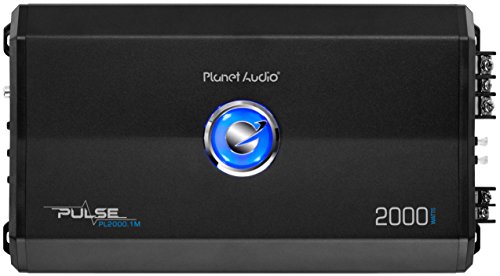
Planet Audio keeps the mono formula simple, but the low and high inputs make this one easier to place into a wider variety of head-unit setups. That matters in older cars and mixed factory-aftermarket systems, where input compatibility often decides how painless the install feels.
It overlaps with the AUDIOZERONE on mono sub duty, though this pick stands out more for connection flexibility than for a long feature list. The honest read is that it suits practical installers who want fewer adapter headaches, even if the published details leave some tuning questions for the install day.
Bright Spots
- Low and high inputs help it work with different source setups.
- Monoblock design keeps the focus on subwoofer duty.
- Useful for older vehicles and aftermarket stereo mixes.
- Simple format keeps the install path easier to understand.
Small Caveats
- The feature list is lighter than some other mono choices here.
- You may need more external planning for a polished tuning result.
- Input convenience helps, but cable routing still matters in cramped trunks.
Details At A Glance
Perfect Match For
Drivers mixing factory audio with aftermarket bass gear will appreciate the easier input matching.
Where A Sibling Pick Shines
AUDIOZERONE ZE1000.1 Monoblock Amplifier fits better for you when bass tuning, impedance flexibility, and crossover control matter more than input simplicity.
The RP-350.1D looks like the kind of amp that makes sense in a smaller vehicle or a modest bass upgrade, where space and simplicity matter more than brute force. The remote subwoofer level control is useful because you can trim bass from the seat without reopening the install, which feels especially handy on mixed music days.
Compared with the larger mono options above, this one asks less from your electrical system and less from your enclosure plan. The trade-off is obvious, you’re choosing restraint, so it fits best when you want controlled bass rather than a heavy push.
Standout Traits
- Remote level control makes everyday bass adjustment easier.
- Compact monoblock format suits tight installs.
- Class D design is a practical match for a small sub stage.
- Lower power focus can suit modest cabin setups well.
Room For Improvement
- It is aimed at lighter bass work than the bigger mono amps here.
- You may outgrow it sooner in a larger vehicle.
- Remote hardware adds one more piece to keep track of during installation.
Key Specs
Right Fit For
City drivers and compact-car installs get the cleanest fit from this lower-power monoblock.
Reach For A Different Pick When
Skar Audio RP-800.1D Monoblock Amplifier 800W suits you better once you want more headroom for a larger sub or a roomier cabin.
This Taramps pick is built for a straightforward bass role, especially in a system where you want a single channel and a modest footprint. The 2 ohm design and 14.4VDC output rating make it a focused match for sub or bass duty, and the RCA plus high-level input support gives you more connection options than the spec sheet might first suggest.
It sits between the compact Skar and the more forceful 800W Skar in terms of expected ambition, so the fit is about restraint rather than maximum push. In most daily-driver installs, that can be exactly enough, though the simple layout means it won’t be the most expandable choice in this lineup.
Best Bits
- Single-channel design keeps bass wiring straightforward.
- RCA and high-level inputs widen source compatibility.
- 2 ohm focus suits common subwoofer matching needs.
- Good fit for a tidy, uncomplicated upgrade path.
Minor Gripes
- The modest power target may feel limited in a bigger cabin.
- It is a narrow-purpose amp, so expansion options stay modest.
- Basic bass upgrades are its sweet spot, not a sprawling multi-speaker plan.
Feature Card
Who Should Grab It
Drivers seeking a simple, tidy bass upgrade for a compact or mid-size car will feel right at home here.
Another Choice May Suit
Planet Audio PL2000.1M Monoblock Car Amplifier fits better when you want a mono amp with broader input flexibility for a mixed-source install.
The RP-800.1D is the step up for someone who wants a mono amp with more breathing room than the 350W Skar or the Taramps Bass 400. The remote subwoofer level control keeps bass adjustment close at hand, which is useful in a car that switches between talk radio, mellow playlists, and heavier low end.
That extra headroom makes it more comfortable for a larger bass setup, though the mono layout still keeps the focus narrow. It suits installs where you want stronger control and a little more reserve, not a system that needs several amplifier jobs in one box.
Highlights
- Remote sub level control makes on-the-fly adjustment convenient.
- 800W class gives you more room than the smaller mono picks here.
- Class D format keeps the design practical for car installs.
- Well suited to a sub that needs more reserve on bass peaks.
- Clear single-purpose layout makes planning easier.
Honest Caveats
- Mono-only design still keeps this focused on sub duty.
- It can be more amp than a very small cabin really needs.
- Remote control hardware adds another part to mount and manage.
Technical Sheet
Made For
Drivers with a larger single-sub setup or a growing bass project will get the most from this model.
Not Your Match When
Pioneer GM-A6704 4-Channel Car Amplifier is a better fit when you want one unit to handle a more mixed speaker-and-sub layout.
How To Choose The Right Car Amps For Subwoofer
Match The Amp To The Job
Start with the kind of system you’re building, not the biggest wattage figure on the page. A mono amp makes sense for a dedicated sub, while a four-channel amp works better when you need both speaker duties and bass from one unit.
Channel count is the first fork in the road. Once that’s clear, the rest of the setup gets easier to narrow down.
Check The Input And Control Options
Low-level RCA inputs suit aftermarket head units, while high-level inputs help with factory radios that don’t hand you the cleanest path. Remote bass control is useful in real driving, since you can trim output for a long commute or a quiet night ride.
Crossovers matter too. A low-pass filter keeps higher frequencies away from the sub, and a high-pass filter helps protect full-range speakers from trying to act like bass drivers.
Think About Space And Installation
Compact amps are easier to place under a seat, in a side cubby, or along a trunk wall. Bigger units usually offer more flexibility or headroom, but they ask for more room, more airflow, and a tidier wiring plan.
That trade-off shows up fast in smaller cars. A neat installation often matters more than squeezing in extra power you may never use.
Keep Power Needs In Proportion
Power should suit the subwoofer and the cabin, not overwhelm both. A modest amp can be enough for a daily driver, while a larger monoblock makes sense for heavier bass loads or a larger enclosure.
RMS, or continuous power, is the figure that helps you judge steady output more honestly than peak numbers. When the RMS range lines up with your sub, the system usually feels easier to live with.
What To Weigh Before You Commit
Hidden Buying Traps
Shoppers often chase wattage first and discover later that the amp doesn’t fit the rest of the system. Another common miss is forgetting about input type, which can turn a simple upgrade into a pile of adapters and extra wiring.
Cabin space gets ignored too. A bulky unit in a small trunk can make installation messy, and messy installs are where frustration starts.
The Upgrade Payoff
Higher-tier amps usually cost more because of better control features, more flexible wiring support, and cleaner fit for tuned systems. A remote level control, stronger filtering, or better compatibility can make daily use feel calmer and more precise.
That extra spend makes sense when your setup already has a good sub and you want the amp to match it, not fight it. For a simple bass bump in an older car, a lighter model can be enough.
Frequently Asked Questions
What kind of amp works best for a subwoofer?
A monoblock amp is usually the cleanest fit for a dedicated subwoofer. A four-channel amp works better when you also need to power speakers.
Does more wattage always mean better bass?
No, matching the amp to the sub and enclosure matters more than chasing a huge number. Too much power for the setup can create more hassle than value.
What does a low-pass crossover do?
A low-pass crossover sends the lower frequencies to the sub and keeps the higher stuff out. That helps the bass sound more focused.
Can a factory stereo work with these amps?
Yes, models with high-level inputs are easier to pair with factory systems. That can save you from adding extra adapters in the install chain.
Why choose a four-channel amp for bass at all?
A four-channel amp works well when your build needs speakers and a sub from the same unit. It gives you more routing flexibility than a mono amp.