

4 Channel Amps make sense when you want front and rear speakers to sound more settled, with less strain from the head unit alone. That matters on a daily commute, in a family SUV, or in a weekend project car where you want cleaner volume without turning the cabin into a wiring puzzle.
This roundup keeps the focus on practical fit, like bridgeable layouts, high-level inputs, and crossover control. You’ll see which models suit straightforward upgrades, which ones suit more ambitious systems, and where a compact build makes installation less of a headache.
The Shortlist At A Glance

Pioneer GM-A6704 Bridgeable 4-Channel Car Amplifier

Taramps TS 800×4 Car Audio Multichannel Amplifier 800 Watts Rms
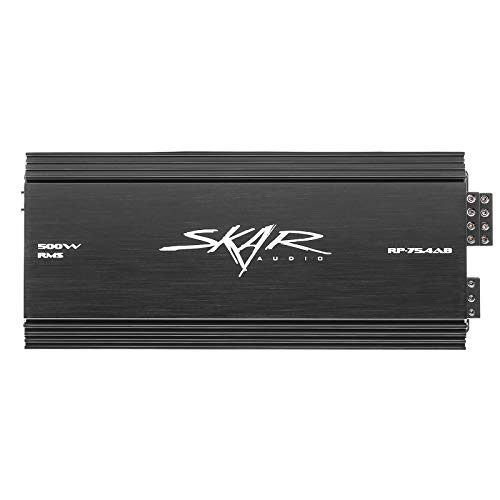
Skar Audio RP-75.4AB 500 Watt Full-Range Class A/B 4 Channel Car Amplifier

Taramps TS 1200×4 Amplifier Car Audio 1200W RMS 2 Ohms 4 Channels

Taramps TS 400X4 Black 2 Ohms 400W RMS 4-Channel Car Audio Amplifier

Taramp’s DS 2000×4 2 Ohms 2000 Watts RMS 4-Channel
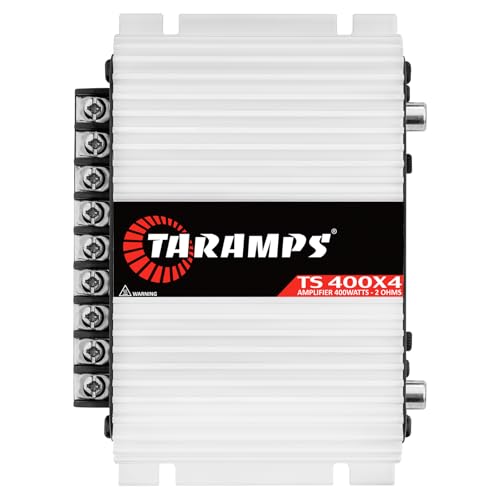
Taramps TS 400X4 White 2 Ohms 400W RMS High Level Car Audio Amplifier
This Pioneer lands in the practical middle: enough flexibility for a front and rear speaker upgrade, plus bridgeable operation for a more focused layout. The built-in high-pass and low-pass filters help you trim what each speaker section receives, which matters in a daily driver where clarity often beats brute force.
You’ll probably appreciate it most in a sedan or hatchback that needs cleaner sound without a complicated install. The trade-off is straightforward, class AB amps usually run less efficiently than Class D designs, so space and heat management deserve a little more attention.
Strong Points
- Bridgeable channels give you more layout options for front-stage or rear-stage use.
- High-pass and low-pass filtering help shape speaker output in a sensible way.
- Class AB design often suits listeners who want a familiar, full-bodied sound profile.
- Works well for everyday audio upgrades without pushing you into a bulky setup.
Things To Consider
- Class AB designs usually draw more current than leaner Class D units.
- Bridgeable setups need careful wiring, so neat installation matters.
- In a cramped cargo area, the larger thermal footprint may feel less convenient.
Feature Snapshot
Who It Suits Best
You want a balanced upgrade for a daily car audio setup and prefer a straightforward, full-range amplifier path.
A Better Fit Elsewhere
Taramps TS 400X4 Black suits a tighter install better, especially when compact size matters more than the Pioneer GM-A6704’s broader Class AB approach.
This Taramps model leans hard into usable output, then adds RCA and high-level input support so you can fit it into more than one kind of system. That mix matters in a project car or a fuller daily system, because you’re not locked into a single source path.
Compared with the Pioneer GM-A6704, this one points more toward output-focused builds and Class D efficiency. The honest read is that it suits people who want more punch and cleaner integration, even though the added flexibility can make setup a touch more involved.
What We Like
- Class D design usually makes power delivery feel more efficient in tight installs.
- RCA and high-level inputs help it fit aftermarket and factory-style systems.
- Bridgeable channel layout gives you room to adapt the system later.
- Full-range crossover support helps keep speaker duties organized.
- Useful for louder everyday systems where control still matters.
Minor Gripes
- The more flexible layout can take extra time during installation.
- In a simple speaker-only upgrade, some of the capability may go unused.
- Wire management matters because a multichannel amp tends to invite more connections.
Technical Sheet
Made For
You want a flexible upgrade for factory or aftermarket audio and care about adaptable input options.
Swap It Out When
Pioneer GM-A6704 makes more sense for someone who wants a simpler Class AB route with fewer system choices to manage.
Skar’s RP-75.4AB stays close to the classic full-range formula, which can make it a comfortable fit for someone replacing a modest factory setup. It doesn’t try to be flashy, and that’s part of the appeal, especially in a car where you want dependable front-rear amplification without extra juggling.
Unlike the Taramps TS 800×4, this model reads more like a steady, traditional amp than a feature-heavy system center. You may find that simplicity easier to live with over time, though the Class A/B layout still asks for a little more attention to heat and mounting than a compact Class D piece.
Best Bits
- Full-range operation works well for common door-speaker upgrades.
- Class A/B design suits listeners who prefer a familiar amp character.
- Four channels make it easy to cover front and rear speakers together.
- Clear structure keeps the install approachable for first-time audio projects.
Room For Improvement
- Class A/B builds are usually less efficient than Class D options.
- Heat handling matters more, so placement and airflow deserve attention.
- It offers less flexibility than some of the more feature-rich Taramps units.
Quick Facts
Built With In Mind
You want a straightforward amp for a conventional four-speaker cabin and prefer a classic Class A/B path.
A Better Fit Elsewhere
Taramp’s DS 2000×4 suits you better when you want a much more aggressive output ceiling and a wider feature set.
The TS 1200×4 steps up for systems that need more breathing room, especially in larger cabins or with speakers that respond better to extra reserve. Its fixed RCA and wire input approach keeps the wiring path more defined, which can help in installations where predictability matters.
Compared with the TS 800×4, this one makes more sense for heavier demands rather than simple day-to-day volume boosts. The trade-off is that a stronger amp can ask for better planning around power delivery and mounting, so it suits a more committed install.
Upsides
- Higher output class gives you more room before the system feels strained.
- Two bridged channels create more wiring flexibility.
- Full-range crossover support helps the amplifier fit into wider builds.
- Fixed input options can simplify system planning.
- Well suited to vehicles that carry a lot of cabin noise.
Points To Note
- More power usually means more attention to electrical planning.
- Fixed input style can feel less flexible than amps with broader input choices.
- For a basic speaker swap, some of its capacity may stay unused.
Core Details
Who Will Love This
You’re building a stronger car audio system and want more reserve than a modest daily-use amp usually offers.
Where A Sibling Pick Shines
Taramps TS 800×4 is the calmer fit for everyday setups where you want less power and a simpler install path.
This black TS 400X4 fits the sort of install where space is tight and the wiring needs to stay tidy. Its compact Class D layout, plus high-level and RCA inputs, makes it especially friendly to cars that need an amplifier without a major rework.
Compared with the Pioneer GM-A6704, this one leans more toward easy placement and modern input flexibility than classic analog bulk. That’s useful in a hatchback, small sedan, or trunk build where every inch counts.
Bright Spots
- Compact Class D body helps in tight install spots.
- High-level and RCA inputs support more source types.
- Bridgeable channels add flexibility for later system changes.
- Built-in crossover control helps manage speaker duties.
Small Caveats
- Smaller footprint can mean less room for error during wiring.
- Its lower output ceiling suits moderate systems more than large ones.
- Careful cable routing matters, especially in under-seat locations.
At A Glance
The Right Fit
You want a compact amplifier for a modest upgrade and don’t have space to spare behind panels or under a seat.
Look Elsewhere When
Taramps TS 1200×4 works better for drivers who need more output reserve and are willing to make room for a bigger build.
The DS 2000×4 sits at the ambitious end of this list, with a full-range Class D design and fixed high-pass, low-pass, and bridged options. That combination makes sense for a system builder who wants more control than the smaller Taramps units give you.
In a larger vehicle or a more serious audio project, the extra headroom can feel like a relief rather than a luxury. The trade-off is that a feature-dense amp asks for a more careful setup, so it suits someone who already has a plan for the rest of the system.
Reasons To Buy
- High RMS output supports larger, more demanding systems.
- Class D design keeps the layout practical for stronger builds.
- Fixed high-pass and low-pass control helps with frequency management.
- Bridged capability adds flexibility for system planning.
- Better suited to audio projects that need headroom in reserve.
Areas To Watch
- The feature set may be more than a simple four-speaker upgrade needs.
- Setup planning matters, especially in systems with multiple signal paths.
- For small cars, the output level can be more than you really need.
Details At A Glance
Perfect Match For
You’re building a more serious system and want stronger output control than a typical daily commuter setup needs.
Another Choice May Suit
Skar Audio RP-75.4AB is the easier-feeling option for a more straightforward full-range install with less ambition.
The white TS 400X4 makes the factory-radio crowd feel seen, thanks to high-level speaker inputs and automatic turn-on support. That matters in OEM systems, because you can add amplification without overcomplicating the source side of the install.
Compared with the black TS 400X4, this version is aimed at the same general power bracket but fits especially well where source integration is the priority. You may find it especially sensible for a clean, modern retrofit in a car that still keeps the original head unit.
Positives
- High-level inputs make it easier to work with factory radios.
- Automatic turn-on reduces one extra step in the install chain.
- RCA support still leaves room for aftermarket source gear.
- Class D design keeps the footprint practical for everyday use.
Worth Noting
- Its 400-watt class is better suited to moderate systems than huge ones.
- Careful signal matching matters in mixed OEM and aftermarket setups.
- The white finish may call for a little more thought around placement.
Spec Overview
Whose Shelf It Belongs On
You’re upgrading a factory system and want a clean path into amplified sound without rebuilding the dash.
Reach For A Different Pick When
Taramps TS 800×4 suits more ambitious installs that need extra output and broader crossover control.
How To Choose The Right 4 Channel Amps
Match The Amp To The Speakers
Start with the speakers, not the amplifier box. A four-channel amp should suit the speakers you already have or plan to install, especially their impedance, which is the electrical load the amp sees.
That matters because a mismatch can leave performance on the table or make the system harder to balance. For a simple door-speaker upgrade, a moderate model like the Pioneer GM-A6704 or Taramps TS 400X4 often feels more practical than a heavy-output unit.
Choose The Input Path That Fits The Car
High-level inputs accept speaker wire from a factory radio, while RCA inputs usually work with aftermarket source units. In a car that keeps its original head unit, high-level support can save you from unnecessary extra gear.
RCA-only plans make sense in cleaner aftermarket builds, especially when signal routing is already mapped out. The Taramps TS 800×4 and TS 400X4 White stand out here because they make integration easier in mixed systems.
Think About Crossover Control And Bridging
A crossover lets you limit the frequencies sent to a speaker, which helps keep bass where it belongs and mids where they sound clearer. High-pass filtering is useful for door speakers, while low-pass control matters more when you’re shaping output for different parts of the system.
Bridgeable channels matter too, because they let you combine two channels into one stronger output path. That flexibility helps in a trunk build or a front-stage focused setup, and it is one reason the TS 1200×4 and DS 2000×4 feel more adaptable than simpler amps.
Balance Size, Heat, And Headroom
Class D amps usually fit tighter spaces better because they run more efficiently, while Class A/B amps often have a more traditional layout and can ask for more breathing room. That trade-off shows up fast in a compact coupe, a hatchback, or an under-seat install.
Headroom is the extra output reserve that keeps music from sounding strained when volume rises. More headroom helps in noisy cabins and larger systems, but it only pays off when the rest of the install can support it.
Things Worth Knowing First
Hidden Buying Traps
Many setups go wrong because the amp is chosen before the rest of the system is mapped out. A 4-channel unit with more features can still be the wrong fit for a basic speaker refresh.
Pay attention to wiring, space, and source compatibility before chasing output numbers. A compact amp with the right inputs often beats a stronger model that creates installation headaches.
What The Higher Tier Buys
Higher-priced units usually bring more output reserve, better crossover control, and more input flexibility. That extra capability matters in vehicles with more noise, more speakers, or more complicated source gear.
The upgrade pays off most when you want the system to grow later. A serious build benefits from the extra room, while a simple daily driver often does fine with a calmer, less demanding model.
Frequently Asked Questions
What does a 4-channel amp do in a car?
It powers four speaker paths from one amplifier, which suits front and rear door speakers well. That gives you cleaner control than running everything straight from a head unit.
Is Class D better than Class A/B for 4-channel amps?
Class D usually makes more sense in tight spaces because it runs more efficiently. Class A/B can still appeal when you want a more traditional layout and don’t mind the extra space it may need.
Do you need RCA inputs for a 4-channel amp?
No, not always, because high-level inputs can work with many factory radios. RCA inputs are useful when your source unit already has preamp outputs.
What is bridging on a 4-channel amp?
Bridging combines two channels into one stronger output path. That can help when you want more output on a pair of speakers or a specific part of the system.
How do you choose the right amp size for daily driving?
Start with the speakers, the cabin size, and how much install space you have. A modest model often gives the cleanest result for everyday use, while larger output makes more sense for noisier vehicles or bigger systems.