
Door speakers and mid-bass drivers can change the feel of a commute fast, especially when the factory setup sounds thin or muddy. You’re probably here because you want cleaner punch, better midrange body, and a setup that fits your car without turning installation into a weekend headache.
The seven picks below cover compact 5-inch options, full-size 6.5-inch coaxials, and a couple of louder pro-style choices for people chasing more presence. You’ll also see where each one fits best, because the right speaker for a daily driver is not always the same one that suits a louder build.
Quick Look At The Shortlist
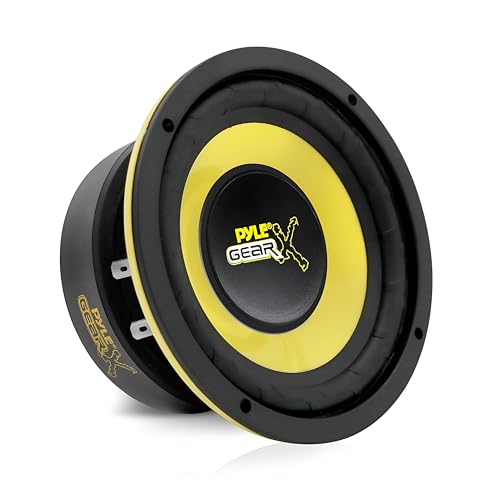
Pyle Car Mid Bass Speaker System 5 Inch 200W 4 Ohm Auto Mid-Bass Component Poly Woofer

PIONEER A-Series Standard TS-A6881F 6×8 4-Way Coaxial Speakers

CT Sounds BIO-6-5-COX 6.5 Inch Coaxial Car Speakers Pair

RECOIL MX65 6.5-Inch 2-Way Pro Audio Midrange Coaxial Speaker Pair
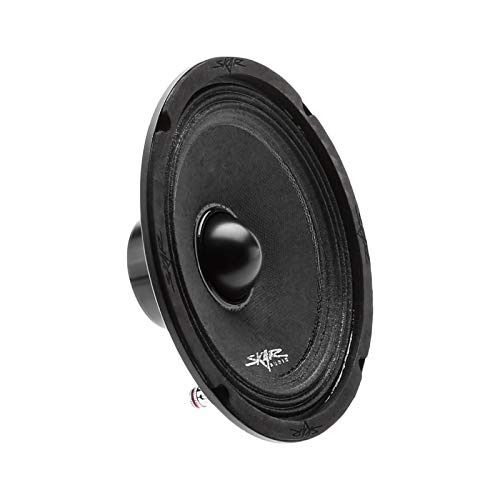
Skar Audio NPX65-4 6.5 Inch 300 Watt 4 Ohm Neodymium Pro Audio Mid-Range Loudspeaker

Rockville RVL69W Competition 6×9 Woofer

H YANKA BMC-65 6.5-Inch Car Midrange Speakers Pair
More Details On Our Top Picks
Pyle’s 5-inch format makes sense for tighter door panels and smaller custom setups, especially where a bigger basket would crowd the panel. The yellow cone and 4-ohm load point toward a more straightforward match with common car stereo wiring, and that matters in older vehicles with modest space behind the door card.
For daily driving, the 30-ounce magnet and aluminum voice coil suggest a speaker built for steadier mid-bass output rather than sheer scale. The honest trade-off is simple, it won’t behave like a larger 6.5-inch or 6×9-inch option, so you’re paying for fit and focused punch more than broad cabin fill.
Strong Points
- 5-inch size helps in cramped installs.
- 4-ohm impedance suits common car audio setups.
- Poly cone keeps weight down while staying stiff.
- 30-ounce magnet adds weight behind the sound.
- Aluminum voice coil supports hotter use better than basic entry parts.
Points To Note
- Single-speaker packaging means you’ll need to plan for a matching pair.
- The smaller cone area limits low-end reach compared with 6.5-inch and 6×9-inch picks.
- Mount depth still deserves a quick check in slim door shells.
Feature Snapshot
Who It Suits Best
This fits drivers working with tight door cavities or older cars where space matters as much as sound.
Where A Sibling Pick Shines
CT Sounds BIO-6-5-COX suits you better for a more conventional 6.5-inch pair and a fuller everyday coaxial setup.
A 6×8 size like this usually lands well in factory replacement jobs, and that’s exactly where Pioneer’s A-Series shape earns attention. The 4-way layout means the sound is split across several driver elements, which can help keep treble, mids, and bass duties from crowding one another in a stock system.
Compared with Pyle’s compact 5-inch design, this one is better suited to door openings that already accept a larger frame. The trade-off is less about sound quality and more about fit, because the bigger footprint asks for the right car door or factory opening before anything else.
What We Like
- 6×8 format works well as a stock replacement.
- 4-way design spreads the workload across more parts.
- Balanced tuning suits daily listening rather than only loud sessions.
- Brings treble and bass together in one install-friendly package.
Small Caveats
- The larger size narrows fitment to vehicles built for 6×8 openings.
- Four-way designs can sound busy in a bare-bones system without proper pairing.
Details At A Glance
Whose Shelf It Belongs On
This suits you best for a factory-style upgrade in a car that already accepts 6×8 speakers.
Swap It Out When
CT Sounds BIO-6-5-COX is the cleaner fit for a standard 6.5-inch coaxial swap in a more typical door opening.
CT Sounds keeps this one plain and useful, which is often what works best in a daily driver. The 6.5-inch size gives you the familiar middle ground between tight fit and fuller cabin coverage, while the coaxial layout places the drivers together for a simpler install path.
It sits between Pyle’s compact single speaker and Pioneer’s larger 6×8 option, so you’re looking at a very familiar replacement format. The trade-off is that it stays focused on core function rather than flashy extras, and that’s exactly why many straightforward door upgrades make sense with it.
Upsides
- 6.5-inch size fits a lot of common door openings.
- Coaxial design keeps installation simpler than separate-driver setups.
- 50 watts RMS per speaker supports steady daily use.
- 100 watts max per speaker gives room for stronger head unit output.
- Sold as a pair, which suits front-door replacement jobs.
Worth Noting
- The spec sheet stays focused, so you get less detail on extras than with some louder pro-style picks.
- For a high-output build, you may want something with a more aggressive voicing like RECOIL MX65.
Core Details
Who Should Grab It
This is a sensible choice for everyday drivers who want a standard 6.5-inch replacement without fuss.
A Better Fit Elsewhere
RECOIL MX65 suits louder builds better, especially where a more aggressive midrange presence matters.
RECOIL leans harder into pro audio character than the gentler CT Sounds pick, and that shows up in the 2-way layout with built-in bullet tweeters. Bullet tweeters are small high-frequency drivers shaped to project treble forward, which can help a door setup feel more present in louder cabins or open-air vehicle builds.
The water-resistant grills add a practical layer for vehicles that see more dust, humidity, or occasional spills around the door area. That said, this is not the softest-tuned choice in the roundup, so you’ll usually appreciate it most when stronger midrange projection matters more than laid-back listening.
Bright Spots
- Built-in bullet tweeters help treble cut through louder environments.
- Water-resistant grills add a useful layer for tougher conditions.
- 4-ohm design keeps it compatible with many common systems.
- 560 watts max points to a speaker that can handle spirited setups.
Areas To Watch
- The stronger voicing may feel too forward for quiet, casual listening.
- Projecting treble can expose rough source files more clearly.
- The more aggressive character asks for the right enclosure or door match.
Technical Sheet
Made For
This suits you best for louder door builds and car audio setups that need more forward midrange energy.
Another Choice May Suit
CT Sounds BIO-6-5-COX is the calmer fit for daily listening where balance matters more than projection.
Skar Audio goes a little more specialized here, and the neodymium motor is the detail that stands out first. Neodymium is a lighter magnetic material than the big ferrite-style motors found in many budget speakers, so it can help keep the assembly compact while still aiming for strong output.
That lighter motor design can be handy in tighter builds where weight and depth matter, though the speaker still belongs to the pro audio side of the aisle. Compared with the more balanced CT Sounds option, this one makes more sense for louder systems that need focused midrange energy and a firmer upgrade path.
Reasons To Buy
- Neodymium motor keeps the design compact.
- 300 watts of power handling gives headroom for stronger setups.
- 4-ohm impedance fits many car audio builds.
- Good match for loud midrange-focused systems.
Room For Improvement
- The pro audio tuning is better suited to energy than softness.
- Each speaker is sold individually, so pairing needs attention.
- For everyday balanced listening, CT Sounds BIO-6-5-COX feels easier to live with.
Quick Facts
Built With In Mind
This suits you best for a louder midrange build where compact motor design matters.
Look Elsewhere When
PIONEER A-Series Standard TS-A6881F is the friendlier choice for a more conventional stock-style replacement.
Rockville’s 6×9 shape pushes this well beyond the smaller mid-bass options in the roundup, and that extra cone area matters. Bigger surface area usually helps a woofer move more air, so you tend to get more body in the lower range and a thicker feel in the door or rear deck.
The double-stacked magnet and 2-inch voice coil point toward a design that’s meant to work harder than a casual factory replacement. The catch is that a 6×9 layout can be awkward in cars built around smaller openings, so fitment needs a careful look before you lean in.
Best Bits
- 6×9 format brings more cone area than 6.5-inch picks.
- Double-stacked magnet supports stronger motor force.
- Butyl rubber surround is a sensible durability choice.
- Non-pressed paper cone keeps the voicing aimed at bass and mid-bass movement.
- 150 watts RMS gives a useful real-world power target.
Minor Gripes
- The larger footprint limits it to vehicles that can actually house 6×9 speakers.
- Competition tuning can feel heavier than a simple daily-driver speaker.
- Dust and door moisture still call for normal care around the grille and surround.
Feature Card
Perfect Match For
This fits you best for deeper mid-bass projects in cars that already accept 6×9 speakers.
Reach For A Different Pick When
PIONEER A-Series Standard TS-A6881F makes more sense for a cleaner factory-style door swap with a friendlier footprint.
H YANKA takes a direct midrange-first approach, and the bullet-style phase plugs are the most telling part of that design. A phase plug sits in the center where a dust cap would often live, and its shape can help guide upper midrange behavior while giving the speaker a more purposeful look in a door panel.
The black steel basket adds the kind of structure that feels more at home in a practical upgrade than a showpiece install. Compared with Rockville’s heavier 6×9 format, this pair stays in the more common 6.5-inch lane, so it’s easier to think about for standard door audio jobs.
Standout Traits
- Midrange-focused tuning suits speech, vocals, and forward door sound.
- Bullet-style phase plugs help shape the driver’s upper response.
- Black steel baskets add a sturdy, no-nonsense feel.
- Sold as a pair, which helps with front-door upgrade planning.
Softer Spots
- The design leans toward clarity and presence more than deep bass.
- As with many midrange drivers, pairing with the rest of the system matters a lot.
- Door fit should still be checked, especially around grille depth.
Core Details
The Right Fit
This suits you best for door upgrades where vocal clarity and midrange presence matter most.
Where Shoppers Go Wrong
Rockville RVL69W Competition 6×9 Woofer is the better route for a system that needs more cone area and heavier low-end weight.
How To Choose The Right 6 5 Inch Mid Bass Speakers
Match Size To The Door, Not The Hype
For this category, physical fit comes first. A 6.5-inch frame works in many cars, but some doors only accept 5-inch, 6×8, or 6×9 shapes without adapters or trimming.
Mount depth matters just as much as diameter. A speaker can look like the right size on paper and still hit glass, wiring, or the inner door shell once it’s in place.
Know The Difference Between Coaxial And Midrange Designs
Coaxial speakers place multiple driver elements in one frame, which keeps installation simple and usually makes them easier for a daily driver. Midrange-focused models lean harder on vocal clarity and front-seat presence, which can sound sharper but less relaxed.
That choice shapes the whole experience. CT Sounds and PIONEER lean friendlier for broad use, while RECOIL and H YANKA are better suited to louder, more direct setups.
Look Past Peak Power And Check Real Use
Peak power tells you the upper limit, but RMS power is the steadier number for normal listening. RMS means continuous power handling, so it’s the figure that helps you match a speaker to a head unit or amplifier with less guesswork.
For commuters, balanced tuning usually matters more than a huge power figure. Rockville and Skar Audio make more sense when you want extra output, while Pyle works better where fit and focused mid-bass are the priority.
Think About Installation And Long-Term Ownership
Door speakers live a hard life, with heat, vibration, and occasional moisture around them. Sturdy baskets, sensible surrounds, and practical grille choices help reduce hassle later, especially in cars parked outdoors or used every day.
Also think about the rest of the system. A strong speaker can still sound strained in a weak setup, so the best match is the one that fits the car, the wiring, and the way you actually listen.
Things Worth Knowing First
Common Shopping Slip Ups
A lot of missteps start with size alone. A speaker that sounds great on paper still needs the right cutout, depth, and mounting pattern to work cleanly in your car.
Another common miss is pairing a loud pro-style driver with a gentle, low-power system. That usually leaves you with uneven sound, not better sound.
The Upgrade Payoff
Higher-tier models usually spend money on stronger motor assemblies, better cone materials, and more refined frequency behavior. Those parts help the speaker stay composed as volume climbs, especially in louder cabins.
The upgrade makes sense when your car already has proper amplification, decent door fit, or you want less strain at higher output. For a simple factory refresh, a middle-of-the-road pick often gives you the cleaner ownership experience.
Frequently Asked Questions
What size is most common in this group?
6.5-inch speakers are the most familiar fit in this roundup, with 5-inch, 6×8, and 6×9 options included for different door layouts. The right choice depends on the opening your vehicle already accepts.
Do coaxial speakers work for daily driving?
Yes, coaxial speakers are a strong fit for everyday use because they keep the drivers in one unit and simplify installation. They’re usually easier to live with than more complex separate-driver setups.
Why does 4-ohm impedance matter?
4 ohms is a common load for car audio, so it often works well with factory stereos and many aftermarket amplifiers. It helps you match gear without pushing into unusual wiring territory.
Are bigger speakers always better for bass?
Not always, but larger cones usually move more air, which can help with weight and fullness in the lower range. Fit and tuning still matter, so a smaller driver can make more sense in a tighter door.
Which pick is easiest for a straightforward swap?
CT Sounds BIO-6-5-COX and PIONEER A-Series Standard TS-A6881F are the easiest places to start. They suit common replacement jobs without asking for a heavily customized layout.