
Door-speaker upgrades can feel messy fast, especially once you start sorting through power ratings, impedance, shallow mounts, and paired versus single units. These six picks focus on the parts that matter in daily use, whether you want louder midrange in a work truck, tighter fitment in a thin door panel, or a cleaner split between mids and highs. You’ll see where each option fits, where the trade-offs show up, and which models make the most sense for a simple retrofit or a more serious audio build.
The Shortlist At A Glance

ORION Cobalt CM654 6.5 Mid-Range Bullet Loudspeakers

RECOIL MS65-4P 6.5-Inch Midrange Pro Audio Car Speakers

Timpano 6.5 Inch Shallow Midrange Speaker TPT-MR6-4 PRO

DS18 PRO-GM6.4PK Mid and High Complete Package
DS18 PRO-GM6 Loudspeaker 6.5 Inch Midrange Black Steel Basket

PRV AUDIO 6.5 Inch Shallow Midrange Speaker 6MR200A
More Details On Our Top Picks
The ORION Cobalt CM654 leans into high-output midrange, which makes sense for vehicles that need voices and instruments to cut through road noise. With 1000 watts max power, 250 watts RMS, a 4 ohm load, and a 1.5-inch voice coil, it reads like a serious door setup rather than a casual replacement.
That bullet-style layout suits louder systems better than the more restrained RECOIL and PRV picks, and the pair format helps when you want both front doors handled at once. The trade-off is that this sort of speaker usually asks for the rest of the system to keep up, so it fits committed installs more than simple factory refreshes.
Strong Points
- High-efficiency design helps the speaker stay lively in an audio build that’s meant to play loud.
- The 1.5-inch voice coil gives you a sturdier heart for sustained midrange work.
- Pair packaging makes it easier to cover both sides of a front stage.
- 4 ohms is a common match for many car audio amps and head-unit setups.
Things To Consider
- Bullet-style midrange speakers can sound aggressive, which suits some installs better than others.
- The stronger output focus means your amplifier and tuning need to be handled with care.
- Owners usually want solid door mounting, since loose panels can rattle long before the speaker reaches its limit.
Feature Snapshot
Who It Suits Best
Truck and car audio hobbyists who want a pair of assertive mids for a louder front stage will get the most from this model.
A Better Fit Elsewhere
PRV AUDIO 6MR200A makes more sense for a slimmer door opening or a simpler, lower-wattage setup that still needs 8 ohms.
RECOIL keeps the formula direct, with a 6.5-inch midrange pair, a 4 ohm load, and a 1.5-inch high-temperature Kapton voice coil. Kapton is a heat-tolerant film material, so that coil choice matters when you spend long stretches at higher volume.
Compared with the ORION set, this one looks a touch more approachable for a daily-driver audio refresh rather than a max-output build. It still wants proper amp matching, though, and that’s the honest catch with most midrange-focused door speakers in this class.
Upsides
- The Kapton coil material helps the speaker handle heat better during longer listening sessions.
- Pair format makes front-door planning easier from the start.
- The 4 ohm load fits many mainstream car audio setups without awkward wiring changes.
- Its pro-audio voice works well for spoken content and forward midrange presence.
Room For Improvement
- Midrange-first tuning can feel lean without the rest of the system filling in bass.
- The listing leans technical, so casual installers may need to double-check amp and crossover matching.
- Door-panel sealing matters here, because loose fitment can dull the payback from the stronger coil and driver layout.
Details At A Glance
Best Suited To
Commuters and weekend installers who want a step up from basic factory mids without moving into a very specialized build should feel comfortable here.
Where A Sibling Pick Shines
ORION Cobalt CM654 suits louder front-stage projects better, especially where stronger output matters more than a simpler upgrade path.
Timpano’s shallow-mount profile is the main story here, and that matters a lot in doors with tight depth behind the trim. At 500 watts and 4 ohms, it targets compact installs that still need a proper midrange voice instead of a thin, weak filler speaker.
Compared with the ORION and RECOIL pair options, this single driver is easier to slot into a narrow opening or a custom panel where clearance is limited. The trade-off is simple, you’re working with one speaker, so planning around the rest of the system matters more than it does with a matched pair.
Reasons To Buy
- Shallow-mount design suits doors with limited depth behind the panel.
- The 500-watt rating gives you some headroom for an upgraded front stage.
- 4 ohms keeps it in line with many common car audio amplifier setups.
- Single-speaker format works well for custom builds and one-off replacements.
Minor Gripes
- You only get one speaker, so a matched stereo pair needs a second purchase path.
- Shallow drivers can be easier to install, but door resonance still needs attention during setup.
- Its compact format is helpful, though some systems will need extra tuning to sound full in larger cabins.
Core Details
Who Will Love This
Custom installers and owners of cramped doors will get the most value from this slim layout.
A Better Fit Elsewhere
PRV AUDIO 6MR200A suits a similar space-saving goal, but its 8 ohm setup may fit a different amp plan better.
DS18 takes a different route from the earlier picks by bundling midrange loudspeakers with aluminum super bullet tweeters and a built-in crossover. A crossover splits audio so different drivers handle different frequency ranges, which helps the package make more sense for a full front-stage install.
That makes this a strong fit for a car or truck stereo build that needs both voice clarity and upper-end detail without piecing everything together one component at a time. The catch is that more parts also mean more planning, so a neat install takes a little more patience than a simple single-speaker swap.
Bright Spots
- The included tweeters save you from sourcing the high-frequency side separately.
- The built-in crossover helps organize the sound split between mids and highs.
- Two mids and two tweeters make it easier to build a coordinated front stage.
- It suits larger cabin layouts where separate driver duties matter.
Points To Note
- The package asks for more install planning than a plain pair of midrange speakers.
- More components also mean more mounting points to keep tidy and secure.
- For a basic factory refresh, this may feel like more hardware than you need.
Feature Rundown
Made For
Installers building a fuller door system in a car or truck will get the most from this bundle.
Swap It Out When
RECOIL MS65-4P makes more sense for a cleaner midrange-only upgrade with less wiring and fewer parts to place.
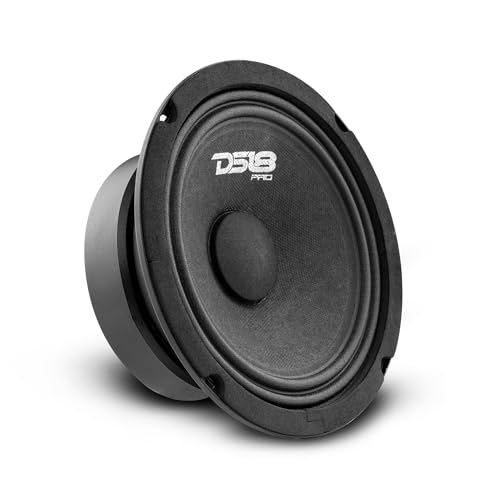
DS18’s PRO-GM6 puts durability front and center with a black steel basket, 480 watts max, 140 watts RMS, and an 8 ohm load. A basket is the speaker frame, and steel usually appeals to owners who want a firmer mount in a truck door or a hard-working stereo setup.
Compared with the lighter-feeling RECOIL option, this one looks aimed at sturdier installs where structure matters as much as output. The 8 ohm load also sets it apart from the 4 ohm picks, so it may suit a different amp strategy than the rest of the field.
Best Bits
- The steel basket gives the driver a tough, grounded feel in demanding installs.
- 140 watts RMS offers a practical continuous-power target for a focused midrange channel.
- 8 ohms can help in systems that are built around that load preference.
- Single-speaker format keeps the purchase flexible for custom layouts.
Softer Spots
- Because it’s a single speaker, you need to plan the other side of the setup separately.
- 8 ohms won’t suit every amplifier path, so matching matters here.
- Steel is sturdy, though the install still depends on clean door mounting and tight hardware.
At A Glance
Who Should Grab It
Car and truck owners who want a stout single midrange driver for a serious door build will appreciate this one.
Where A Sibling Pick Shines
ORION Cobalt CM654 is the better match for louder 4 ohm front-stage work with a stronger pair-based approach.
PRV AUDIO’s 6MR200A is built for slim installs, and that makes it especially useful in doors where depth is tight behind the panel. The 200-watt rating, 8 ohm load, and 1.5-inch voice coil point to a compact midrange driver that focuses on fit first and output second.
Compared with the Timpano shallow option, this one leans a little more plainly toward a straightforward slim speaker role rather than a louder, more aggressive sound shape. For apartment parking, daily commutes, and neat custom doors, that balance can feel just right, though it won’t satisfy someone chasing big output on its own.
Positives
- Shallow-mount design helps in doors with limited rear clearance.
- The 1.5-inch voice coil adds a meaningful bit of build substance for the size.
- 8 ohms works well in setups planned around that impedance.
- Single-speaker format keeps the install path flexible.
Worth Noting
- At 200 watts, it’s more modest than the higher-output picks in this list.
- Because it’s a single driver, stereo planning takes a little extra thought.
- Shallow speakers are handy, though door-panel fit and sealing still need careful attention.
Key Specs
The Right Fit
Owners who need a slim 8 ohm speaker for a clean door installation will get the most out of this PRV model.
Look Elsewhere When
Timpano TPT-MR6-4 PRO is the better path for shoppers who want a 4 ohm shallow option with a more assertive power figure.
How To Choose The Right 6 5 Inch Mid Range Speakers
Start With Fit, Then Power
Door depth comes first, especially in newer cars and trucks with tight inner panels. A shallow-mount driver like Timpano TPT-MR6-4 PRO or PRV AUDIO 6MR200A can save you from spacer plates or trim conflict, while deeper, higher-output models make more sense in roomy doors or custom pods.
Impedance matters just as much. A 4 ohm speaker usually works more easily with common car audio amplifier setups, while 8 ohm models like DS18 PRO-GM6 and PRV AUDIO 6MR200A fit systems built with a different load plan.
Match The Speaker To The Rest Of The System
Power numbers only help when the amplifier and crossover plan can support them. ORION Cobalt CM654 and RECOIL MS65-4P lean toward stronger front-stage output, so they’re better suited to systems that already have enough clean power and a door panel that won’t buzz itself apart.
Pair packages make the front stage simpler, while single speakers give you more freedom to build one side at a time. DS18 PRO-GM6.4PK goes further by adding tweeters and a crossover, which helps when you want both midrange presence and top-end detail from the same package.
Think About Listening Habits
Daily commuters usually benefit from a speaker that stays clear at moderate volume instead of chasing maximum output. That’s where RECOIL and PRV AUDIO make practical sense, since they focus on fit and usable midrange rather than forcing the system into a louder posture.
Long drives and work vehicles often lean the other way, where stronger midrange projection helps voice prompts, podcasts, and music stay easy to hear over road noise. In those cases, ORION and DS18 tend to fit the brief better, especially when the rest of the cabin already has decent sound deadening.
Don’t Skip The Install Details
Mounting depth, screw pattern, and door sealing change the result more than many shoppers expect. A speaker can look ideal on paper and still disappoint in a loose panel, so a tidy install matters as much as the spec sheet.
It’s also smart to think about maintenance. Steel baskets, Kapton voice coils, and shallow frames each bring a different balance of toughness and convenience, and the right choice usually depends on whether you want a set-and-forget setup or a more tuned system you’ll keep adjusting.
Things Worth Knowing First
Wrong Turns To Avoid
Don’t shop only by wattage. A high number means little without the right impedance, door depth, and amplifier match, and that mismatch is where many upgrades feel underwhelming.
Another common miss is buying a speaker that fits the cutout but not the cavity behind it. That’s a quick path to rattles, awkward adapters, or a return trip to the install bay.
The Case For Spending Up
Higher-tier models in this class usually cost more because of stronger motor assemblies, sturdier baskets, better coil materials, and more complete systems. Those details matter most in louder builds, rough-use trucks, and doors that see daily vibration.
Spending up makes sense when you want the speaker to stay composed at higher volume or when you want fewer compromises in a front stage. For a basic replacement, though, a simpler model is often the smarter call.
Frequently Asked Questions
What does “midrange” mean in car audio?
Midrange covers the frequency area where voices and many instruments live. A 6.5-inch midrange speaker gives that range more presence than a basic factory door speaker.
Is 4 ohms better than 8 ohms?
Neither is universally better, because the right match depends on your amplifier and wiring plan. A 4 ohm speaker is more common in many car audio setups, while 8 ohms can suit different system designs.
Do shallow speakers sound weaker?
Not automatically, but the design usually prioritizes fit over sheer size. A shallow speaker can sound very useful in a tight door when the install is done cleanly.
Why would you choose a pair over a single speaker?
A pair makes it easier to build a matched left-right front stage at once. A single speaker works better for custom projects or partial replacements.
Do tweeters matter in a midrange package?
Yes, because tweeters handle higher frequencies that a midrange driver won’t cover as fully. A package like DS18 PRO-GM6.4PK can make the front stage sound more complete without extra separate parts.