
Window tint can solve a few everyday headaches at once, from harsh glare on a morning commute to a living room that feels too exposed after dark. The right film also changes how much light stays in the space, how the glass looks from outside, and how much upkeep you want to deal with later. Some options lean toward cars, others fit windows at home, and a few work well in both settings.
You’ll see a mix of ceramic, static cling, dyed PET, and reusable films here, so the real question is fit, not just darkness. A darker roll is not always the smarter choice, especially when you still want daylight or a front windshield that stays clear enough for easy driving. The shortlist below keeps those trade-offs front and center.
The Shortlist At A Glance

IAQWE 15% VLT Ceramic Car Window Tint Film 20 in x 20 ft Roll

G Greenfilm Static Cling 5% Dark Window Tint 36″ x 82″
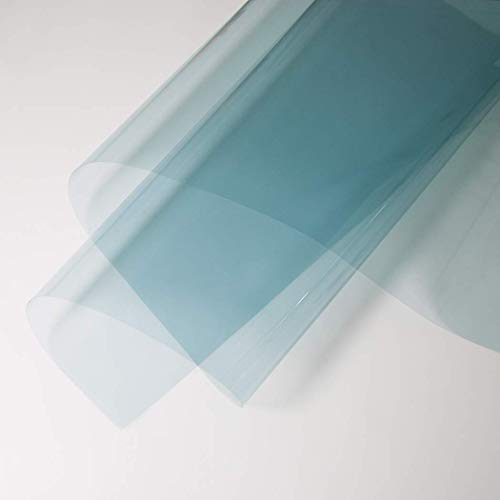
SW 80% VLT Nano Ceramic Car Front Window Film 20 in x 10 ft

24″ x 120″ Greenfilm 20% VLT Static Cling Window Tint

United Universal Black Window Tint Film 40″ x 100′ 20% VLT

Black Magic Insta-Cling 5% VLT Tinted Window Film
More Details On Our Top Picks
Ceramic film usually earns attention for a reason, and this IAQWE roll brings that practical mix of heat rejection, privacy, and signal-friendly construction. The 20-inch by 20-foot format fits a lot of car glass projects without feeling oversized, so it suits drivers handling side windows, rear glass, or a full cabin refresh.
The 15% VLT, or visible light transmission, gives a darker look that helps with privacy but can feel committed for front-side use in places with stricter tint rules. You also get scratch resistance and a shatter-resistant claim, which matters most for long-term wear in a daily driver, though careful installation still makes the difference between tidy edges and a frustrating redo.
Strong Points
- Ceramic construction is a strong fit for drivers who want heat control without relying on metalized film.
- 15% VLT creates noticeable daytime privacy, which helps in busy parking lots or street parking.
- Scratch resistance should help the film look cleaner over time on high-touch windows.
- No signal interference is useful for commutes that rely on phones, maps, or in-car audio.
Points To Note
- Darkness can be a drawback for anyone who wants a lighter, more open cabin feel.
- Film rolls like this usually reward patience during installation, especially on curved glass.
- The 20-inch width may feel limiting for larger rear windows or certain SUVs.
Feature Rundown
Who It Suits Best
You’ll get the most from this one as a daily driver owner who wants darker glass, heat control, and a cleaner look without stepping into a metalized film.
A Better Fit Elsewhere
SW 80% VLT Nano Ceramic Car Front Window Film suits drivers who want a much clearer front-glass look while still getting ceramic-based heat management.
This Greenfilm sheet leans into flexibility, not permanence, and that’s exactly why it stands apart from the car-focused IAQWE roll. Static cling film uses friction instead of adhesive, so it can suit apartment windows, short-term rooms, and temporary privacy needs without leaving glue behind.
The 36-inch by 82-inch size works well for a standard pane, and the 5% darkness gives a very private look from outside. That dark level can feel heavy in rooms that already run dim, so it’s a better match for spaces where privacy matters more than a bright open view.
What We Like
- Static cling application keeps the install process simpler for many home windows.
- No adhesive makes removal and repositioning easier than with permanent films.
- 5% darkness provides strong daytime privacy for street-facing windows.
- Reusable design suits renters or anyone who changes window treatments often.
Small Caveats
- Very dark film can reduce the softness of natural light in smaller rooms.
- Clean glass matters here, since dust and residue can affect how neatly it sits.
- The 36-inch width may not cover wider panes without careful planning.
Core Details
Who Will Love This
You’ll appreciate this most in a rental, a studio, or a room where you want privacy without committing to adhesive film.
Swap It Out When
24″ x 120″ Greenfilm 20% VLT Static Cling Window Tint fits better for shoppers who want a lighter look and more coverage across multiple home windows.
This SW film is built for drivers who want a front-window look that stays noticeably clearer than the darker picks above. The 80% VLT keeps more light coming through, which makes it easier to keep a clean, subtle appearance on front glass while still getting ceramic-based heat management.
Its non-metalized construction matters in daily use because it supports normal phone and radio operation without the signal concerns that some metal films create. The trade-off is simple, less privacy than 15% or 5% options, so this one fits drivers who value visibility and a lighter cabin feel.
Highlights
- 80% VLT keeps the front glass much clearer than darker film options.
- Nano ceramic material is a smart fit for heat-focused front-window coverage.
- Non-metalized design helps avoid signal-related annoyance in everyday driving.
- 20-inch by 10-foot sizing works well for front-window sections and targeted cuts.
Trade Offs
- Privacy is limited compared with the darker 5% and 15% choices in this list.
- The transparent blue tone may stand out more than some drivers want.
- Front-window use still calls for careful local tint-rule awareness and precise placement.
Feature Snapshot
Built With In Mind
You’ll get the best fit here as a driver who wants clearer front glass, moderate solar control, and a cleaner visual profile.
Look Elsewhere When
IAQWE 15% VLT Ceramic Car Window Tint Film makes more sense for anyone who wants a darker cabin and stronger privacy.
This longer Greenfilm roll stands out for home coverage, especially in spaces where one pane after another needs the same treatment. Compared with the smaller 36-inch sheet, the 24-inch by 120-inch format gives you more continuous material to work with, which can simplify planning across multiple windows.
The 20% VLT keeps a room from feeling closed in, yet still softens the outside view during the day. That balance suits living rooms, home offices, and front-facing windows where you want privacy but do not want the room to turn cave-like.
Upsides
- 20% VLT strikes a middle ground between privacy and daylight.
- Static cling setup avoids adhesive cleanup after removal.
- The 120-inch length helps with longer runs of glass.
- Home-focused sizing works well for a DIY weekend project.
Areas To Watch
- Install accuracy still matters, since long sheets can wrinkle during placement.
- Some spaces may need more than one roll for full coverage.
- The finish is best suited to interior window use, not car-specific cutting.
Details At A Glance
Whose Shelf It Belongs On
You’ll find this especially useful for home projects where you want a tidy look, moderate privacy, and less fuss than adhesive film.
Another Choice May Suit
G Greenfilm Static Cling 5% Dark Window Tint fits better for rooms where privacy matters more than natural light.
This HIDNY roll is the broad-coverage option in the group, and that alone makes it useful for larger vehicles or multi-window home jobs. The 40-inch by 100-foot format gives you a lot of material to cut from, which is the kind of thing that matters when you need repeats, spare pieces, or a long stretch of glass.
It uses a 1-ply dyed PET build, so the value here comes from coverage and simple privacy rather than fancy construction. The trade-off is that dyed film usually sits below ceramic choices for advanced heat management, but many drivers and home users will still find the darker look useful and straightforward.
Bright Spots
- Large roll size is a strong fit for trucks, SUVs, or repeated home projects.
- 20% VLT gives visible privacy without going as dark as the 5% options.
- PET film construction offers a familiar, straightforward tinting approach.
- Works across car and home settings, which broadens the use case.
Softer Spots
- Dyed film typically does not feel as advanced as ceramic in this category.
- The wide roll may be more than a small project really needs.
- Long rolls take more storage space and a careful hand during cutting.
Technical Sheet
Who Should Grab It
You’ll appreciate this most for larger DIY projects, especially on trucks, SUVs, or several home panes at once.
Where A Sibling Pick Shines
IAQWE 15% VLT Ceramic Car Window Tint Film is a better fit for drivers who care more about ceramic construction and heat-focused performance than sheer roll length.
Black Magic takes the temporary-install route, which makes it useful for short-term privacy needs or anyone who wants a removable dark film without committing to adhesive. The 5% VLT gives it a deep look, and that strong darkness is the main reason it belongs in the same conversation as the Greenfilm static cling sheet.
Because it’s reusable, this kind of film tends to appeal to drivers who swap setups often or need a quick seasonal change. The honest read is that very dark cling film works best on clean glass and careful placement, so patience matters more here than with a hard-mounted tint.
Reasons To Buy
- Reusable design is handy for temporary or seasonal use.
- 5% VLT creates strong privacy for parked vehicles.
- Cling format avoids glue cleanup and permanent commitment.
- Compact format suits small projects and quick coverage needs.
Minor Gripes
- Very dark tint can feel too heavy for front windows in daylight.
- Cling films often need careful smoothing to sit neatly on glass.
- The temporary format may not suit people who want a long-term install.
Core Details
Right Fit For
You’ll get the most out of this one for temporary privacy, short-term vehicle use, or a setup you may want to change later.
Reach For A Different Pick When
G Greenfilm Static Cling 5% Dark Window Tint is the better match for home windows, especially where you want a larger sheet size.
How To Choose The Right Quality Window Tints
Start With Where The Film Will Go
Car glass and home glass ask for different things, even when the product label sounds similar. Vehicle tint usually needs a tighter eye on darkness, curve handling, and signal-friendly construction, while home film leans harder on privacy, daylight balance, and easy removal.
That’s why a ceramic roll like IAQWE feels right for daily driving, while a static cling sheet like G Greenfilm makes more sense in a rental or a room you may change later. The fit comes down to glass shape, install patience, and how permanent you want the result to feel.
Match VLT To Your Daily Routine
VLT means visible light transmission, which is just a measure of how much light passes through the film. Lower numbers look darker, so 5% brings strong privacy while 80% stays much clearer and works better on front glass.
For a commute with lots of parking lot exposure, darker tint can feel more comfortable. For a front windshield section or a bright living room, a lighter film usually keeps the space from feeling closed in.
Pick The Build That Fits Your Use
Ceramic film usually suits people who care about heat control and a more advanced material feel. Dyed PET film tends to be simpler and often better for broader coverage jobs, while static cling is the easiest path for temporary home installs.
You do pay for that difference in behavior. Ceramic often costs more because it targets comfort and durability more directly, while cling film trades some permanence for flexibility and easier removal.
Measure Before You Commit
Roll width and length matter more than many shoppers expect. A 20-inch roll may be fine for side windows, but a 40-inch by 100-foot roll is the kind of size that suits large vehicles, repeated cuts, or several panes at home.
Take a minute to compare the glass dimensions to the film dimensions before you settle on a roll. That small step helps avoid awkward seams, wasted material, and the common mistake of buying a size that feels generous but still misses the mark.
Things Worth Knowing First
Mistakes Worth Dodging
Darkness alone does not make a film right for your setup. A very dark cling sheet can be too much for a room that needs daylight, and a front-window car film can feel out of place if you really wanted privacy more than visibility.
People also skip the measuring step and end up with awkward overlaps or not enough material. A careful measurement saves more frustration than any fancy feature list ever will.
The Upgrade Payoff
Higher-tier film usually brings better materials, more refined light control, and a more polished look on the glass. That’s where ceramic construction starts to justify itself, especially for long commutes or frequent sun exposure.
You’re also paying for convenience in some cases, like larger rolls for broad coverage or reusable cling film for changing spaces. The extra spend makes the most sense when you value fewer compromises, not just darker glass.
Frequently Asked Questions
What does VLT mean on window tint?
VLT stands for visible light transmission, which tells you how much light passes through the film. Lower numbers are darker, while higher numbers stay clearer.
Is static cling film easier to remove than adhesive film?
Static cling film usually comes off more easily because it does not rely on glue. That makes it a practical choice for rentals or temporary setups.
Can darker tint still let in some daylight?
Yes, but the amount depends on the VLT number and the room or vehicle glass behind it. A 20% film lets in more light than a 5% film, while still looking quite dark.
Why do some shoppers choose ceramic film?
Ceramic film often suits people who want a more advanced material feel and better heat-focused performance. It also avoids the metalized construction that can interfere with signals in some setups.
Which tint size works best for home windows?
That depends on the pane size, but longer rolls like the 24″ x 120″ Greenfilm usually help with multiple windows. Wider rolls make sense when the glass area is large or repeated cuts are planned.