

Factory audio often misses the mark in one of two ways, thin mids or muddy bass. The seven picks below cover the common fit sizes for sedans, trucks, and older vehicles that need a cleaner, fuller front stage or rear fill without turning the cabin into a project.
Some lean toward stronger output, others toward smoother treble or easier replacement fit. The short version is simple, the right match depends on mounting depth, opening size, and how much output the rest of the system can support.
Quick Look At The Shortlist

ORION Cobalt CM654 6.5 Mid-Range Bullet Loudspeakers
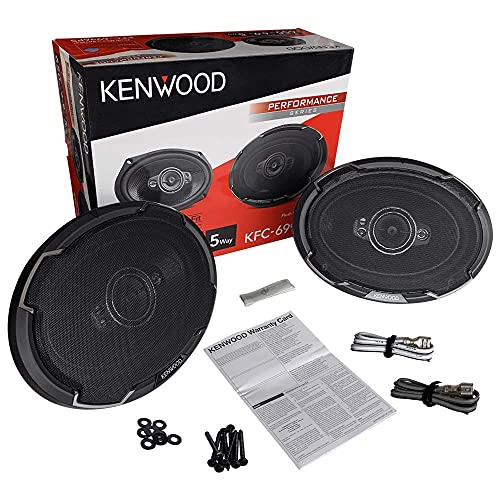
Kenwood KFC-6996PS 6 x 9 5-way Speakers
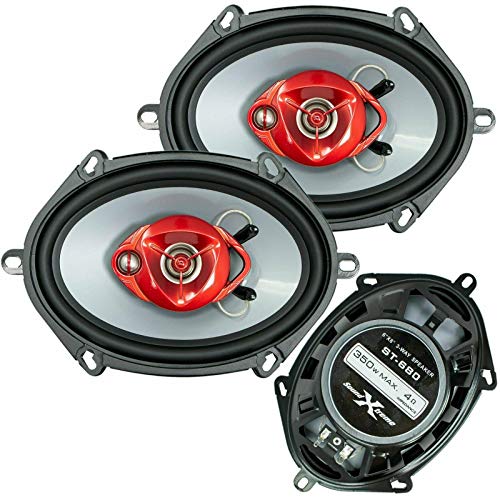
SoundXtreme 5×7 6×8 3-Way Coaxial Car Speakers

Crunch CS5768CX CS Series Speakers 5 x 7 6 x 8 Coaxial

PIONEER A-Series Standard TS-A6881F 6 x 8 4-Way Coaxial Speakers

CT Sounds BIO-6-5-COX 6.5 Inch Coaxial Car Speakers

Pioneer A-Series Plus TS-A6991F 6 x 9 5-Way Coaxial Car Speakers
More Details On Our Top Picks
ORION builds this pair around a 1.5-inch voice coil, which helps explain the emphasis on forward midrange output. In a loud daily driver or a weekend audio project, that kind of tuning matters more than glossy spec sheets, because vocal presence and guitar bite carry better through road noise.
The 4-ohm load keeps it in familiar car-audio territory, while the 250-watt RMS figure gives a clearer sense of sensible continuous power than the bigger peak number. The trade-off is straightforward, this is more about projection and midbass punch than relaxed, balanced playback, so stock head units may leave some potential on the table.
Strong Points
- Bullet-style midrange design favors strong front-stage presence.
- 1.5-inch voice coil supports heavier-duty output handling.
- 4-ohm load fits many common aftermarket setups.
- Useful for cars that need clearer vocals at speed.
Small Caveats
- The focus leans toward punch, not laid-back detail.
- Peak power can distract from more useful RMS figures.
- Installation fit depends on the enclosure and mounting depth.
Feature Snapshot
Who It Suits Best
Car audio hobbyists who want energetic midrange presence in a 6.5-inch format fit this pair well, especially in systems that already include outside amplification.
A Better Fit Elsewhere
Kenwood KFC-6996PS 6 x 9 5-way Speakers suit commuters who want a softer, more broadly tuned stock replacement.
The 6 x 9 footprint gives this Kenwood an easy case for rear decks, larger door panels, and older vehicles that already accept that size. Compared with the ORION above, this one reads less like a specialist and more like a practical all-rounder for daily use.
The five-way layout means several frequency ranges are divided among the drivers, which can help spread the workload and keep the presentation fuller. The honest read is that this style usually makes more sense for straightforward replacement jobs than for custom tuning, and that is exactly where many cars live.
What We Like
- 6 x 9 shape suits many factory openings.
- Five-way layout spreads sound duties across multiple drivers.
- Well suited to daily commuting and family cars.
- Good match for a simple OEM-style refresh.
Worth Noting
- Large-format fit rules out smaller factory openings.
- Five-way designs can sound busy in some cabins.
- Best results usually come from a matched system.
Core Details
Who Will Love This
Drivers replacing worn factory 6 x 9 speakers in sedans, coupes, or trucks will get the most straightforward value from this layout.
Where A Sibling Pick Shines
PIONEER A-Series Plus TS-A6991F 6 x 9 5-Way Coaxial Car Speakers suit owners who want more layered output and a stronger upgrade feel.
SoundXtreme takes the flexible 5 x 7 and 6 x 8 footprint and adds a 3-way layout, which helps it cover more of the audible range without asking for a custom cabinet. In a work truck or an older sedan with mixed-size openings, that flexibility can save time and reduce fit anxiety.
The 4-ohm rating keeps it in standard car-audio territory, and the 350-watt figure points to a stronger ceiling than the lower-power entries in this list. The catch is that multi-driver coaxial designs are often judged by placement and tuning as much as raw output, so installation quality still matters.
Highlights
- Fits both 5 x 7 and 6 x 8 openings.
- Three-way layout helps spread sound across more bands.
- 4-ohm load keeps amplifier matching familiar.
- Useful for vehicles with odd factory sizing.
Areas To Watch
- Sound balance can depend heavily on door and deck placement.
- Higher output does not replace proper alignment and sealing.
- Mixed-size fit still requires a careful check before ordering.
Spec Overview
Right Fit For
Owners with mixed 5 x 7 or 6 x 8 factory openings and a need for flexible replacement sizing will appreciate this pair most.
Another Choice May Suit
Crunch CS5768CX CS Series Speakers 5 x 7 6 x 8 Coaxial suit simpler upgrades where a basic replacement footprint matters more than extra layout complexity.
Crunch keeps the format plain and the fit range familiar, which is useful for older cars that need a direct replacement without a lot of cabinet drama. Compared with the SoundXtreme above, this one looks better suited to a simple swap than to chasing extra output layers.
The listed 250-watt max figure gives a basic sense of headroom, though the broader ownership story is about convenience rather than bragging rights. In most garage installs, that matters more than fancy tuning language because a clean fit often decides whether the job gets finished the same day.
Upsides
- 5 x 7 and 6 x 8 support covers many factory slots.
- Coaxial layout keeps installation less involved.
- Useful for replacing tired OEM speakers.
- Simple design suits no-frills system refreshes.
Points To Note
- Power ceiling is modest next to larger upgrade picks.
- Best for basic replacement goals, not heavy tuning projects.
- Fit still depends on vehicle-specific mounting details.
Details At A Glance
Made For
Drivers who want a straightforward replacement for aging factory speakers in common 5 x 7 or 6 x 8 cutouts will find the format especially convenient.
Look Elsewhere When
PIONEER A-Series Standard TS-A6881F 6 x 8 4-Way Coaxial Speakers suit shoppers who want a more refined tuning profile and a more polished upgrade feel.
That Pioneer slot sits neatly between simple replacement speakers and more ambitious audio builds. The four-way layout is meant to divide sound duties more finely, and the brand’s own positioning around balanced sound, smoother treble, and fuller bass points to a cleaner everyday presentation.
For commuters or families that live with factory 6 x 8 openings, this is the kind of speaker that can make the cabin feel less flat without demanding a full system rebuild. The trade-off is predictable, more driver complexity tends to make installation and system matching matter a little more than the basic pair above.
Bright Spots
- 6 x 8 size fits many stock locations.
- Four-way structure supports broader frequency coverage.
- Balanced tuning approach suits daily listening.
- Clear upgrade path for worn factory units.
- Good match for drivers who want smoother treble.
Room For Improvement
- More driver layers can make setup less simple.
- Better results usually depend on correct mounting.
- List of strengths leans toward refinement over raw punch.
Feature Rundown
The Right Fit
Daily drivers that need a cleaner replacement speaker with a more polished sound profile than the basic swap options fit this model well.
Swap It Out When
CT Sounds BIO-6-5-COX 6.5 Inch Coaxial Car Speakers make more sense for compact 6.5-inch installs where a simpler driver layout is preferred.
CT Sounds keeps this pair focused on the 6.5-inch format, which is exactly where many compact factory openings and custom doors live. The published power split is easy to read, 50 watts RMS per speaker and 100 watts max per speaker, so the sizing logic is clear even before installation starts.
Compared with the larger 6 x 8 and 6 x 9 models in this list, this one suits tighter spaces and simpler system plans. The honest trade-off is that it asks less from the cabin and the wiring, but it also offers a narrower path for those chasing bigger output.
Best Bits
- 6.5-inch size suits many compact openings.
- Published RMS and max figures are easy to follow.
- Coaxial layout keeps the design straightforward.
- Good match for modest system upgrades.
Minor Gripes
- Less ambitious than the larger Pioneer and Kenwood options.
- Output goals stay modest by design.
- Installation space still needs a proper check.
Key Specs
Built With In Mind
Compact cars, tight door cavities, and straightforward replacement jobs suit this pair better than larger-format upgrades.
Reach For A Different Pick When
PIONEER A-Series Plus TS-A6991F 6 x 9 5-Way Coaxial Car Speakers make more sense for full-size openings and stronger cabin presence.
Pioneer’s Plus version builds on the standard A-Series formula with a broader 6 x 9 format and five-way coaxial layout. That combination usually suits larger cabins well, because it gives more room for a layered front stage without forcing a full component-system build.
The brand’s own sound language points to balanced output, smoother treble, and stronger bass support, which makes this a convincing upgrade candidate for drivers who want the cabin to sound less thin. The trade-off is size, since 6 x 9 openings are not universal, and the more ambitious layout makes fit checks worth the effort.
Reasons To Buy
- 6 x 9 size fits many larger factory openings.
- Five-way design spreads audio duties across more sections.
- Balanced tuning suits long commutes and mixed music.
- Better cabin fill than smaller 6.5-inch options.
- Clear upgrade feel for tired OEM speakers.
Softer Spots
- Larger footprint rules out smaller door openings.
- More complex design can ask for careful setup.
- Best results usually come with matched amplification.
Feature Card
Whose Shelf It Belongs On
Drivers with larger 6 x 9 openings who want a fuller, more layered replacement speaker will get the most from this Pioneer pair.
Where Another Pick Suits Better
CT Sounds BIO-6-5-COX 6.5 Inch Coaxial Car Speakers suit tighter installs that need a smaller footprint and simpler power expectations.
How To Choose The Right Sounding 6 5 Speakers
Match The Size To The Door
6.5-inch speakers fit many factory locations, but plenty of cars use 5 x 7, 6 x 8, or 6 x 9 cutouts instead. The first move is checking the opening, mounting depth, and grille clearance, because a speaker that does not fit cleanly never sounds like a smart upgrade.
Coaxial designs keep tweeters and main drivers in one frame, which helps simplify wiring and installation. That layout works well for commuters and weekend DIY installs, especially in older vehicles where a quick replacement matters more than a full custom build.
Read Power Numbers Correctly
RMS, or continuous power handling, matters more than the peak figure printed in a bold font. Peak watts show the short-term ceiling, while RMS gives a better sense of how the speaker is meant to live day to day.
Lower-output factory radios often pair better with efficient speakers, while amplified systems can take better advantage of higher headroom. That difference explains why ORION and Pioneer sit higher in the list for more serious setups, while CT Sounds makes sense for straightforward upgrades.
Pick For The Sound Shape You Want
Some speakers lean toward sharper midrange and stronger presence, like the ORION pair, while others spread sound more evenly across the cabin. 5-way and 4-way designs often sound fuller on paper, but the real result still depends on installation, door sealing, and system matching.
For long commutes, a balanced profile usually ages better than an aggressive one. For a work truck, garage project, or loud weekend vehicle, a more forceful midrange can feel like the right tool for the job.
Things Worth Knowing First
Where Shoppers Go Wrong
Fit errors happen more often than sound disappointments. A 6.5-inch speaker that cannot clear the magnet depth or mounting tabs becomes a return problem, not an audio upgrade.
Another common mistake is chasing peak watts while ignoring impedance and RMS. The safer path is to match the speaker to the amp or head unit already in the car.
The Upgrade Payoff
Higher-tier models usually cost more because they add more drivers, more careful crossover design, and better materials around the cone and surround. In practice, that can mean cleaner separation and less strain at higher listening levels.
The upgrade makes sense for drivers who spend serious time in the car or want a fuller cabin sound from the factory opening. For short errands and casual listening, a simpler coaxial model often covers the need just fine.
Frequently Asked Questions
What makes 6.5-inch speakers a common choice?
That size fits a wide range of factory openings and aftermarket kits. It also leaves enough room for a practical mix of output and installation ease.
Are 5-way speakers always better than 3-way models?
Not automatically. More drivers can widen frequency coverage, but fit, tuning, and the rest of the system still shape the result.
Does RMS matter more than peak power?
Yes, RMS gives a clearer picture of continuous handling. Peak power is still useful, but it says less about daily use.
Can coaxial speakers work with a factory head unit?
Often, yes, especially in replacement jobs. Results depend on the speaker’s efficiency and the vehicle’s original audio setup.
What should be checked before ordering car speakers?
Opening size, mounting depth, and impedance deserve a close look. Those three details prevent most fit and compatibility problems.