


Factory audio often fades into road noise, thin mids, and brittle highs, especially in older cabins or vehicles with worn OEM speakers. This roundup focuses on Sounding Component Speakers that suit daily commuting, weekend road trips, and clean front-stage upgrades without leaning on inflated claims.
Each pick below brings a different mix of size, power handling, and install style. The short version, some favor straightforward replacement, while others suit owners chasing tighter imaging, silk-dome detail, or a more complete front-seat presentation.
The Shortlist At A Glance

PIONEER F-Series TS-F6935R 6″ x 9″ 3-Way Coaxial Car Speakers 230W Max
Rockford Fosgate Prime R165-S 6.5” 2-Way Component Speaker System

PIONEER A-Series Plus TS-A1681F 6.5″ 4-Way Coaxial Car Speakers 350W Max

RECOIL REM525 Echo Series 5.25 Inch Car Audio Component Speaker System

JBL GX608C 210 Watt 6-1/2″ 2-Way GX Series Complete Component System
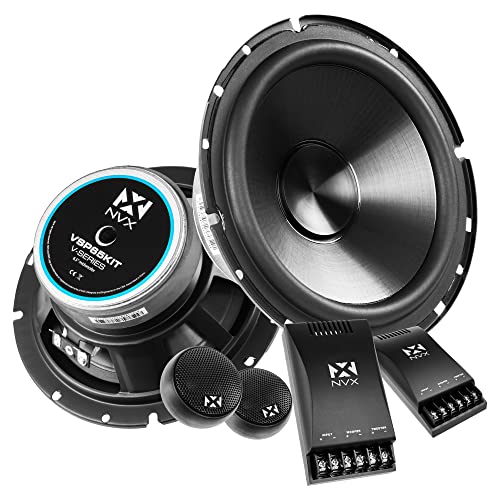
NVX VSP65KIT 750W Peak (250W RMS) 6.5″ V-Series 2-Way Component Speaker System
More Details On Our Top Picks
A 6″ x 9″ coaxial layout makes this Pioneer a straightforward path for factory replacements in sedans, coupes, and older trucks with larger rear or deck openings. The 3-way format splits work across multiple drivers, so mids, upper detail, and low-end support stay better organized than a basic single-cone setup.
For daily driving, that matters more than flashy numbers. Commuters who want cleaner vocal presence without a full component install will likely find the fit sensible, though the larger footprint can rule it out for doors that only accept 6.5-inch hardware.
What We Like
- 6″ x 9″ sizing suits many OEM replacement spots.
- Three-way design helps spread the audio load across separate drivers.
- High-efficiency tuning fits vehicles that still rely on standard factory power.
- Balanced voicing should suit talk radio, podcasts, and mixed music libraries.
Points To Note
- The larger frame narrows the fit window in compact doors.
- Coaxial construction gives less placement control than a separate woofer and tweeter set.
- Owners may still need trim attention during installation in older cabins.
Feature Snapshot
Whose Shelf It Belongs On
Drivers replacing tired factory 6″ x 9″ speakers in an everyday car will get the most practical value here.
Where A Sibling Pick Shines
PIONEER A-Series Plus TS-A1681F suits shoppers who want a 6.5-inch option with a broader upgrade path and included adaptors.
This Rockford Fosgate set takes the more deliberate route, with separate woofers and tweeters instead of a single coaxial stack. The tweeters use integrated crossovers, which means the higher frequencies are filtered before they reach the tweeter, a useful detail for cleaner front-stage placement in compact cars and daily drivers.
That split design gives more control over sound positioning than the Pioneer F-Series TS-F6935R above, though installation takes more care. Installers working on front doors or A-pillars usually get the most from this format, especially in vehicles where a centered vocal image matters more than simple drop-in convenience.
Strong Points
- Separate woofers and tweeters support a more focused front sound stage.
- Integrated crossovers simplify how high frequencies are routed.
- Grilles are included, which helps with protection and a neater finish.
- Works well for drivers who want a cleaner upgrade than a basic coaxial swap.
Small Caveats
- Component installs take more planning than a simple replacement speaker.
- Tweeter placement can affect the final sound balance in a big way.
- Door-panel access and routing may take extra time in older vehicles.
Core Details
Made For
Front-seat listeners who want a more focused stereo image in a daily commuter or compact sedan.
Another Choice May Suit
JBL GX608C works better for installers who want a complete 6.5-inch component kit with a broader system feel.
Compared with the simpler Pioneer F-Series TS-F6935R, this A-Series Plus model adds a fourth driver into the mix. In plain terms, a 4-way coaxial speaker spreads the workload across more frequency bands, which can help the sound feel fuller in a car cabin that doubles as a daily listening space.
The included installation adaptors also matter, because small fitment gaps often create the most frustration during a door swap. For factory upgrades in sedans, hatchbacks, or compact SUVs, that extra hardware can shorten the path from box to working setup, though the trade-off is a less minimalist package than a bare speaker pair.
Highlights
- 4-way layout aims for a broader spread across the audible range.
- 6.5-inch size suits many common front-door installs.
- Included adaptors help bridge fit differences in many factory openings.
- 350W max rating adds headroom for a more ambitious system path.
Softer Spots
- More driver layers can add complexity without helping every cabin equally.
- Some vehicles still need extra trim or mounting attention.
- Owners seeking a purist component layout may prefer a separate woofer and tweeter set.
Details At A Glance
The Right Fit
Factory-upgrade shoppers who want a 6.5-inch coaxial setup with easier fitment support.
Swap It Out When
Rockford Fosgate Prime R165-S makes more sense for front-stage tuning and a separated component layout.
The RECOIL REM525 stands out for smaller door cavities and tighter mounting spaces, where a 5.25-inch component system often fits more cleanly than a 6.5-inch alternative. Its polypropylene cone is a rigid speaker surface, while the nitrile rubber surround flexes at the edge to help the cone move smoothly without sounding overly stiff.
The 3-level filter gives a simple way to shape output, which is useful in vehicles that can sound bright or boxy after a basic upgrade. That makes it a sensible fit for hatchbacks, older coupes, and daily drivers where install space is at a premium, though listeners chasing deeper bass extension may want more cabinet volume than this size can offer.
Positives
- 5.25-inch sizing works well in compact doors and shallow mounting areas.
- Polypropylene cone material usually brings a firm, orderly feel to midrange playback.
- Nitrile rubber surround supports long-term flex without sounding overly loose.
- 3-level filtering helps tailor the top end to the cabin.
Room For Improvement
- The smaller format leaves less room for low-end weight than larger speakers.
- Installation tuning matters, since compact cabins can exaggerate upper frequencies.
- Shoppers with roomy front doors may prefer a larger 6.5-inch path instead.
Spec Overview
Who Should Grab It
Compact-car and older-vehicle owners who need a smaller component set for a clean factory-style fit.
Look Elsewhere When
PIONEER A-Series Plus TS-A1681F suits drivers who can fit 6.5-inch speakers and want a broader upgrade ceiling.
JBL’s GX608C keeps the focus on a complete component layout, which helps in front doors where separate woofers and tweeters can shape a more intentional stereo image. Compared with the RECOIL REM525, this 6.5-inch format gives a little more room to work with in common door openings, so it suits a broader slice of everyday installs.
The 210 watt figure signals a system that should sit comfortably in a typical car-audio upgrade path without chasing extreme output. Owners setting up a full front stage in a sedan or crossover will likely appreciate the cleaner organization, though the lack of extra accessory detail means some installs may still need separate mounting planning.
Bright Spots
- Complete component format helps create a more deliberate front sound stage.
- 6.5-inch driver size fits many common door locations.
- 210 watt rating fits a wide range of practical car-audio setups.
- Good match for a full front-door refresh.
Areas To Watch
- Component installs can take more time than drop-in coaxial replacements.
- Extra mounting pieces may be needed depending on the vehicle.
- Cabin tuning still depends on tweeter placement and door treatment.
Key Specs
Built With In Mind
Drivers planning a proper front-stage refresh rather than a quick factory swap.
A Better Fit Elsewhere
Rockford Fosgate Prime R165-S is the cleaner route for shoppers who want tweeters and woofers with integrated crossovers included.
The NVX VSP65KIT leans toward higher-output setups, and the 250W RMS figure gives a clearer picture of long-run power handling than peak wattage alone. The 25mm silk dome tweeters should matter to anyone who wants smoother high frequencies in a vehicle that spends a lot of time on highways, since silk domes are often chosen for a softer top-end presentation than harder materials.
That said, this set makes more sense in a system with matching amplification than in a barebones factory deck. Compared with the JBL GX608C, it feels better aligned with enthusiasts planning a stronger front stage, while daily commuters with modest power needs may find the extra headroom more than they need.
Reasons To Buy
- 250W RMS gives a clearer signal of practical power handling.
- 750W peak rating leaves substantial headroom for larger systems.
- 25mm silk dome tweeters suit listeners who prefer softer high-frequency texture.
- 6.5-inch sizing keeps it compatible with many front-door installs.
Minor Gripes
- This set feels most relevant with an amplifier in the chain.
- Higher-output potential can be wasted in a very basic factory system.
- Exact tuning still depends on the vehicle’s cabin and mount depth.
Feature Rundown
Whose Shelf It Belongs On
Enthusiasts building a more capable front stage with amplification in mind.
Where A Sibling Pick Shines
JBL GX608C is the steadier match for a broader front-door refresh in a mainstream daily driver.
How To Choose The Right Sounding Component Speakers
Match Size To The Cabin
Speaker diameter sets the first limit. A 6″ x 9″ coaxial model like the PIONEER F-Series TS-F6935R fits a different opening than a 5.25-inch component set such as the RECOIL REM525, so the dashboard or door panel matters before sound tuning even enters the picture.
Mount depth and cutout shape matter just as much. Compact doors often reward smaller drivers, while larger openings can support more cone area and a stronger midbass presence without forcing awkward trim work.
Choose Between Coaxial And Component Layouts
Coaxial speakers place the drivers in one assembly, which keeps installation simpler and often suits factory replacement jobs. Component systems separate the woofer and tweeter, which gives more control over placement and usually produces a more deliberate front image in the cabin.
That split also adds complexity. Tweeter mounting, crossover placement, and wire routing take more planning, so the cleaner sound stage comes with a more involved install.
Read Power Specs With Context
Peak power tells only part of the story, while RMS power reflects the more practical continuous figure. The NVX VSP65KIT’s 250W RMS sits in a different lane from the 100W RMS RECOIL REM525, so amplification plans should guide the choice more than flashy peak numbers.
Higher ratings help most in louder systems or long highway drives where headroom matters. In a basic factory deck, moderate ratings often make more sense because the speaker stays closer to the source’s real output.
Pay Attention To Tweeter Character
Tweeters shape the top end, and materials matter here. Silk dome tweeters, like the ones in the NVX VSP65KIT, are often chosen for a smoother high-frequency feel, while integrated crossover designs, like the Rockford Fosgate Prime R165-S, can make the signal path easier to organize.
That detail becomes important in cabins with lots of glass or hard plastics. Bright interiors can expose harshness fast, so a softer tweeter or careful crossover placement helps keep long drives from becoming tiring.
A Quick Reality Check Before You Choose
Common Shopping Slip Ups
Size mismatches cause the most avoidable headaches. A 5.25-inch component system and a 6.5-inch setup are not interchangeable, and a 6″ x 9″ speaker belongs in a different opening altogether.
Power figures get overread as well. A high peak number looks appealing, but the continuous rating and the source unit matter more once the system is installed.
What The Higher Tier Buys
More expensive models usually bring better driver materials, more elaborate crossover layouts, or included installation parts. That combination can mean cleaner separation, easier fitment, and less guesswork during a front-door install.
The upgrade makes sense for drivers who spend a lot of time in the car and want more detail without piecing together a system from scratch. For short urban commutes, a simpler coaxial pair is often enough.
Frequently Asked Questions
What Makes Component Speakers Different From Coaxial Speakers?
Component speakers separate the woofer and tweeter, which allows more flexible placement. Coaxial speakers combine the drivers in one frame for a simpler install.
Do 6.5-Inch Speakers Fit Most Cars?
6.5-inch models fit many common front-door openings, but not all vehicles use the same mounting pattern. Door depth and adapter needs still decide the final fit.
Does Peak Power Matter More Than RMS?
Peak power shows the upper ceiling, while RMS describes the steadier power range. RMS is usually the more useful figure for matching speakers to an amplifier or source unit.
Are Silk Dome Tweeters Worth Considering?
Silk dome tweeters are often chosen for a smoother top end. They can suit long highway drives and cabins that already sound bright.
Which Pick Makes Sense For A Simple Factory Replacement?
The PIONEER F-Series TS-F6935R fits that role well because it uses a straightforward coaxial layout and a familiar 6″ x 9″ size. Drivers who want more control over the front stage may prefer the Rockford Fosgate Prime R165-S instead.