

Factory door audio can feel thin, especially in an older car or a truck with tired paper cones. This roundup focuses on coaxial and midrange options that fit common door openings, with an eye on clarity, installation fit, and how each set behaves in everyday driving. Some are straightforward replacements, others lean harder into output or detail, so the right match depends on the cabin, the head unit, and how much work the install can handle.
The Shortlist At A Glance
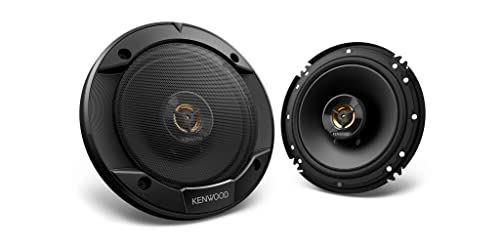
Kenwood KFC-1666R Road Series 6.5-Inch Car Speakers

KICKER CS Series Speaker Package 6.5-Inch and 4×6-Inch

Pioneer TS-501M 5.25-Inch 4-Way Car Speakers

Sound Storm Laboratories EX369 6.5-Inch Car Speakers

GRTSKY MX65E1 6.5-Inch Midrange Loudspeaker Pair
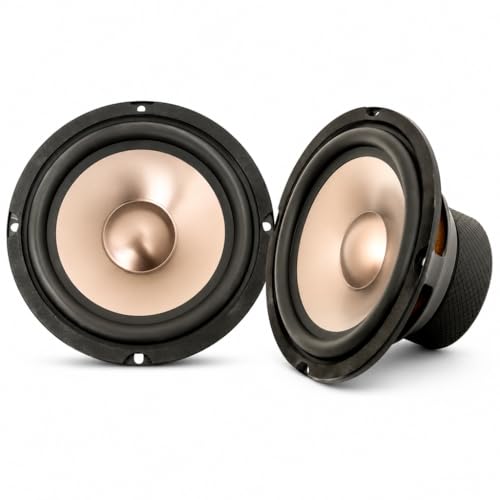
Amagkon 6.5-Inch 2-Way Mid-Bass Car Speakers

Pioneer F-Series TS-F1634R 6.5-Inch 2-Way Car Speakers
More Details On Our Top Picks
The Kenwood pair fits the classic door-speaker role well, especially in a commuter car that needs cleaner mids without turning the install into a project. The 6.5-inch coaxial layout keeps the tweeter integrated with the woofer, so the package stays simple for basic factory replacement work.
That cloth woofer and balanced dome tweeter combination points toward a smoother top end than many bare-bones factory units, while the 4-ohm load suits common car audio setups. The trade-off is straightforward: this kind of speaker is about measured everyday clarity, not the larger punch that more aggressive mid-bass designs chase.
What We Like
- 6.5-inch sizing fits a wide range of common door openings.
- Two-way coaxial design keeps the swap simple in many vehicles.
- Cloth woofer construction usually brings a more controlled midrange feel.
- Balanced dome tweeter helps preserve vocal detail at normal listening levels.
Points To Note
- Output is better suited to clean daily sound than hard-hitting bass.
- System results depend on the rest of the setup, especially the head unit.
- Door fit still matters, so mounting depth needs a quick check before ordering.
Feature Snapshot
Who It Suits Best
Daily drivers that need a clear, uncomplicated door-speaker replacement are the strongest match here.
Where Another Pick Suits Better
Pioneer F-Series TS-F1634R 6.5-Inch 2-Way Car Speakers suits owners who want an even more OEM-leaning sound in a factory replacement job.
This package makes sense for mixed vehicles or uneven speaker layouts, because the box covers both 6.5-inch and 4×6-inch positions. That flexibility stands apart from the single-format Kenwood set, especially in older cars and trucks with varied factory openings.
The 4-ohm design keeps it in the normal zone for car audio replacement work, and the paired format can simplify a full-cabin refresh. The honest read is that the package approach helps most when the vehicle needs more than one size, while a single-size door system may not use every piece.
Upsides
- Two speaker sizes cover more factory locations in one purchase.
- Useful for full interior refreshes where front and rear openings differ.
- 4-ohm load aligns with common automotive audio hardware.
- Stays practical for restoration work on older vehicles with mixed cutouts.
- Package format can reduce the hassle of matching separate models.
Softer Spots
- Some installs may only need one of the two sizes, which leaves extras unused.
- Package planning takes a little more measuring than a single-size replacement.
- Sound character still depends on the rest of the system and vehicle acoustics.
Core Details
Made For
Restoration projects and multi-size factory speaker swaps are the clearest fit here.
A Better Fit Elsewhere
Kenwood KFC-1666R Road Series 6.5-Inch Car Speakers makes more sense for a straightforward two-speaker door upgrade in a car that only uses one size.
The smaller 5.25-inch format makes this Pioneer set useful where door space is tight or where a larger basket simply won’t fit cleanly. Four-way coaxial means multiple driver elements share the load, which can help keep the sound from feeling flat in a compact cabin.
Compared with the Kenwood and the wider KICKER package, this one leans into size efficiency rather than broad fit coverage. For compact cars, the trade-off often feels sensible, although the reduced diameter naturally leaves less cone area for larger-scale output.
Bright Spots
- 5.25-inch size suits smaller factory openings.
- Four-way layout can help add texture to vocals and instruments.
- Round shape keeps the fitting process straightforward in many vehicles.
- Useful where door trim limits larger speaker baskets.
Room For Improvement
- Smaller cone area usually limits low-end authority compared with 6.5-inch options.
- Best results depend on a clean install and proper mounting space.
- Cabin size matters, so larger vehicles may want more output headroom.
Details At A Glance
Right Fit For
Small cars, tight door panels, and compact retrofit jobs are the strongest match.
Swap It Out When
Kenwood KFC-1666R Road Series 6.5-Inch Car Speakers suits drivers who can fit a larger 6.5-inch driver and want more cone area.
The EX369 keeps things simple, which is often exactly what a bargain-minded factory swap needs. Its 6.5-inch size lines up with many common door openings, and the listed enclosure dimensions suggest a fairly compact footprint for a pair.
That makes it a reasonable fit for older sedans, work trucks, and secondary vehicles where the goal is to replace worn speakers without making the install fussy. The trade-off is clear enough, though, because the 150-watt figure points more toward basic refresh duties than toward big-system ambitions.
Highlights
- 6.5-inch format suits a wide range of common replacement jobs.
- Compact physical size helps in tighter door cavities.
- Pair packaging makes it easy to handle one side or both sides together.
- Good match for everyday listening in older vehicles.
Worth Noting
- Power handling is modest compared with more ambitious options in this roundup.
- Less suited to listeners chasing strong output or fuller bass presence.
- The finish and enclosure size make fit checks worth doing before installation.
Spec Overview
Whose Shelf It Belongs On
Budget-minded owners of older cars and trucks who want a plain replacement set are the clearest match.
Another Choice May Suit
Pioneer F-Series TS-F1634R 6.5-Inch 2-Way Car Speakers works better for a cleaner OEM-style sound balance.
This GRTSKY pair reads more like a midrange tool than a plain factory replacement, and that matters in systems where vocal presence carries the mix. The red bullet detail hints at a more assertive build style, while the 6-ohm load and 400-watt figure place it closer to custom audio work than a simple door swap.
Compared with the Sound Storm set, this one is built for a stronger role in the system, though it asks for more care in matching it to the rest of the setup. In a truck cab or a custom car door, that extra focus can be useful, but a casual listener may find it more specialized than necessary.
Reasons To Buy
- Midrange-forward design suits systems that want more vocal clarity.
- 6.5-inch size keeps it relevant for many door applications.
- Pair format is handy for matched left and right installations.
- Higher power figure gives more room for larger custom setups.
- Works well as part of a system built around stronger front-stage presence.
Minor Gripes
- Midrange emphasis makes it less of a plain all-purpose replacement.
- System matching matters more here than on simpler coaxial sets.
- Custom-style installs may need extra attention to mounting and tuning.
Technical Sheet
Built With In Mind
Custom car audio setups and truck doors that need stronger midrange presence are the best match.
Where A Sibling Pick Shines
Kenwood KFC-1666R Road Series 6.5-Inch Car Speakers is the calmer choice for a standard daily-driver replacement.
The Amagkon set leans harder into output and cone material than the simpler replacement models above it. An aluminum magnesium cone usually points toward a stiffer moving surface, and the 90dB sensitivity figure suggests the speakers can respond well in systems that do not push much amplifier power.
That can make sense in a door-speaker upgrade for an SUV or a louder daily driver, especially where the goal is stronger presence without moving to a full custom front stage. The trade-off is that higher-output tuning often asks for more attention to enclosure, power matching, and install quality than a basic coaxial swap.
Standout Traits
- 1000-watt maximum rating gives it a more ambitious spec profile.
- 250-watt RMS rating offers a clearer idea of usable power handling.
- Aluminum magnesium cone should help keep response firm.
- 90dB sensitivity supports easier loudness in common car audio setups.
- Works well for drivers who want more presence from door speakers.
Areas To Watch
- More output potential means system matching matters a lot.
- Strong results depend on solid door mounting and proper power delivery.
- The tuning is less plain than a basic factory-style replacement.
- For simple commuting, the feature set may be more than needed.
Feature Rundown
Who Should Grab It
Drivers building a louder door-speaker setup with stronger amplifier pairing are the best match.
Look Elsewhere When
Sound Storm Laboratories EX369 6.5-Inch Car Speakers suits a simpler, lower-commitment replacement job.
This Pioneer F-Series set reads like the least fussy choice in the group, which is often exactly what a factory replacement needs. The 6.5-inch coaxial layout keeps the install straightforward, and the high-efficiency tuning is aimed at OEM power rather than flashy amplification.
Compared with the more assertive Amagkon and the midrange-heavy GRTSKY, this speaker is better suited to a clean, balanced upgrade in a stock system. The honest read is that it won’t chase big-system drama, but for plain daily use that restraint is part of the appeal.
Best Bits
- High-efficiency design pairs well with factory-style power.
- Balanced sound profile suits general commuting and casual listening.
- Smooth treble tuning helps keep upper notes from sounding harsh.
- 6.5-inch size works across many common door applications.
- Good fit for owners who want a restrained, familiar sound.
Small Caveats
- It is tuned more for balance than for aggressive output.
- Listeners after heavier bass may want a more forceful option.
- Stock-system friendliness means it may feel understated in louder builds.
Core Details
The Right Fit
Stock-system owners who want a clean, familiar sound without extra tuning are the clearest match.
Skip It When
Amagkon 6.5-Inch 2-Way Mid-Bass Car Speakers suits louder front-stage builds that need more headroom.
How To Choose The Right Sounding Door Speakers
Match The Speaker To The Door Opening
Door speakers live or die on fit. A 6.5-inch coaxial model covers many cars and trucks, while 5.25-inch options help where trim space is tighter or the factory cutout is smaller.
Mounting depth matters just as much as diameter. A speaker can share the right width and still foul on the window track, brace, or magnet clearance behind the panel.
Decide How Much Output The System Needs
Power handling, sensitivity, and speaker type shape the result. Sensitivity tells how easily a speaker gets loud, while power handling shows how much input it can take before the setup gets strained.
A stock head unit usually pairs well with high-efficiency, OEM-leaning speakers such as the Pioneer F-Series TS-F1634R. More aggressive builds can justify sets like the Amagkon or GRTSKY, especially in cabins that need more front-stage presence.
Choose Between Simple Coaxials And More Specialized Designs
Coaxial speakers place the tweeter and woofer in one frame, which keeps installation cleaner and more familiar. That layout suits most daily-driver upgrades and helps avoid the complexity of separate tweeters and crossovers.
Specialized midrange sets can sharpen vocals and upper detail, but they ask for better system matching. In a busy cabin, that extra focus can feel precise, almost like cleaning a window, though it does not replace careful tuning.
Think About Use Case First, Then Finish
Commuters usually want balanced sound, easy fitment, and low fuss. Drivers of older vehicles often care most about replacing worn speakers without reshaping the rest of the system.
Work trucks, restorations, and custom builds play by different rules. Mixed-size packages like the KICKER set help when openings vary across the cabin, while a straightforward pair like the Kenwood or Sound Storm makes more sense for a simple two-door refresh.
A Quick Reality Check
Hidden Buying Traps
A common mistake is chasing power numbers without checking the door space. Another is matching a speaker to the wrong factory opening, especially in older cars with odd sizes like 4×6-inch or 5.25-inch cutouts.
A second slip-up is expecting a basic replacement to transform the whole system. Door speakers set the tone, but head unit quality, door sealing, and installation depth still shape the final result.
The Upgrade Payoff
Higher-tier car speakers usually cost more because of the cone materials, motor strength, and tuning work inside the assembly. That extra engineering often shows up as better control at higher volume and less strain in demanding cabins.
The upgrade pays off most in vehicles that see long commutes, highway use, or louder systems with external amplification. For simple local driving, a balanced set like the Kenwood or Pioneer F-Series often makes more sense than paying for features that will stay underused.
Frequently Asked Questions
What size door speakers fit most cars?
Six-and-a-half-inch speakers cover a lot of common factory openings. Smaller vehicles and some older models may need 5.25-inch or 4×6-inch formats.
Do coaxial speakers work well for factory replacement?
Yes, coaxial designs are usually the easiest path for a direct swap. The integrated layout keeps installation simpler than a component setup.
Is higher power handling always better?
No, power numbers matter most when the rest of the system can use them. A modest stock stereo often benefits more from efficiency and balanced tuning than from a huge power figure.
What matters more, sensitivity or watts?
Both matter, but sensitivity affects how loud a speaker gets from the same input. Watts matter more when amplification and headroom become part of the plan.
Which pick suits a simple daily-driver upgrade?
Kenwood KFC-1666R Road Series 6.5-Inch Car Speakers and Pioneer F-Series TS-F1634R 6.5-Inch 2-Way Car Speakers are the calmest fits for everyday use. Both lean toward clear, familiar sound rather than a heavily tuned presentation.