


The term Sounding Drivers covers a split category here, from Hegar dilator sets to audio compression drivers. That mix makes careful comparison important, because size, material, end shape, mounting style, and intended use all change how a pick fits real work.
For clinical tool sets, storage, finish, and size progression matter. For audio drivers, coil material, impedance, throat size, and mounting method matter more, so the shortlist below separates those use cases without forcing one standard onto both.
Quick Look At Our Top Sounding Drivers

Cynamed Premium German Set of 8 Hegar Dilator Sounds 7.5″ Double Ended

Teamoy 8 Pcs Hegar Uterine Dilator With Carrying Case
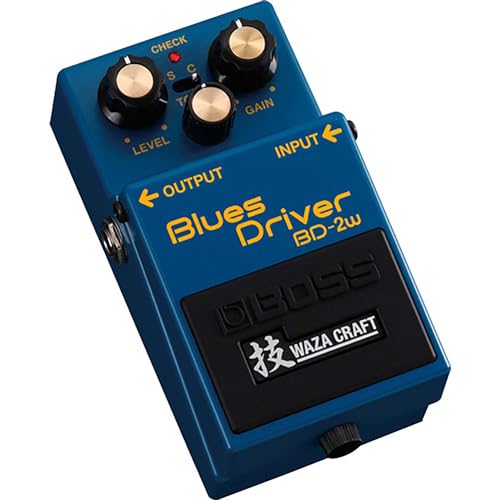
BOSS BD-2W Blues Driver Waza Craft Special Edition

Cynamed 14 Ea Hegar Dilator Sounds Set 7.5 Inches Double Ended

CynaMed 8 Hegar Medical Dilator Sounds Set 7.5inch Double Ended

DS18 PRO-DR1P 1″ Twist On Throat Compression Driver

DS18 Audio PRODR2 DS18 PRO 2″ Titanium Screw On Driver
More Details On Our Top Picks
Double-ended Hegar sets are the practical middle ground in this group, and this Cynamed version keeps the format simple. The 7.5-inch length gives a familiar hand feel for routine clinical organization, while the zipper bag makes storage cleaner than loose tray packing. For settings that value a compact set over a larger progression, that balance matters.
The trade-off is scale, since this eight-piece kit leaves less size coverage than the 14-piece option later in the list. That makes it better suited to lean setups and lighter case loads than to broader range planning. The honest read is straightforward: it looks like a tidy, low-fuss choice for controlled use.
What We Like
- Double-ended format keeps the set compact.
- Zipper bag helps with organized storage.
- 7.5-inch length suits routine handling.
- Smaller kit size is easier to keep together.
Small Caveats
- Eight pieces leave less size coverage than larger kits.
- The storage bag is useful, though soft cases can take more care than rigid boxes.
- Best fit leans toward lighter workloads, not broader inventories.
Feature Snapshot
Who It Suits Best
Routine clinical environments with modest storage needs suit this set well, especially where a compact instrument count is enough.
Where Another Pick Suits Better
Cynamed 14 Ea Hegar Dilator Sounds Set 7.5 Inches Double Ended fits workspaces that need a broader size spread and more instrument pairs on hand.
The carrying case changes the ownership feel right away, because loose storage is often the first frustration with smaller instrument sets. Teamoy keeps the same eight-piece footprint as Cynamed’s opening pick, but the case gives it a more travel-ready setup for clinics, home storage, or mobile kits.
That makes sense for situations where organization matters as much as the instruments themselves. The compromise is obvious too, since the set size still stays on the smaller side compared with the 14-piece Cynamed kit. For most compact setups, though, the case is the part that carries the value.
Highlights
- Carrying case makes transport simpler.
- Eight-piece layout stays manageable.
- Useful for storage-heavy routines.
- Smaller format avoids clutter.
Points To Note
- Coverage remains limited compared with larger sets.
- Case quality matters in daily handling, so the extra convenience comes with a bit more care.
- Not the broadest option for expanded ranges.
Core Details
Whose Shelf It Belongs On
Mobile practices, compact clinical storage, and home setups with limited drawer space suit this set well.
Swap It Out When
Cynamed 14 Ea Hegar Dilator Sounds Set 7.5 Inches Double Ended fits better for setups that need more size steps and broader coverage.
Among the two meaningfully different product families in this roundup, this one is the cleanest fit for guitar rigs. The Waza Craft edition signals a more curated pedal build, and that matters for players who want overdrive character that sits naturally in a board rather than calling attention to itself.
Compared with the clinical instrument sets, this pick lives in a very different ownership lane, where pedalboard space and tone shaping matter more than storage cases or size ranges. The trade-off is specificity, since it’s clearly built for electric guitar use rather than general-purpose audio work. For blues, roots, and edge-of-breakup setups, that focus is the point.
Upsides
- Waza Craft line suggests careful pedal refinement.
- Overdrive format suits natural amp breakup.
- Compact pedal format fits boards well.
- Clear category focus keeps setup decisions simple.
Room For Improvement
- Dedicated guitar use limits versatility outside that lane.
- Pedalboard placement and power routing still matter in practice.
- Players chasing very transparent tones may prefer a different character.
Details At A Glance
Built With In Mind
Guitarists shaping blues, rock, and lightly driven amp tones get the clearest match here.
A Better Fit Elsewhere
DS18 PRO-DR1P 1″ Twist On Throat Compression Driver suits PA and stage builders who need speaker hardware, not an effects pedal.
This Cynamed set stands apart from the eight-piece options because it doubles the available instrument count and spreads the size range much wider. The 3 mm to 20 mm progression is the practical story here, since broader coverage means fewer gaps in a working kit.
The anti-magnetic stainless steel construction is another useful signal for day-to-day handling and storage. That said, the larger count also asks for more organization, because a fuller tray can become harder to keep orderly than a compact set with a zipper bag. For clinics planning around multiple sizes, the extra range is where the value sits.
Strong Points
- 14-piece count gives broader size coverage.
- 3 mm to 20 mm range supports more steps.
- Double-ended layout helps keep the set efficient.
- Stainless steel build suits regular handling.
- Useful for workspaces that need more than a starter set.
Worth Noting
- Larger set means more pieces to store and sort.
- Bulk is higher than the 8-piece Cynamed and Teamoy sets.
- Organization matters more as the count rises.
Spec Overview
Who Will Love This
Busy clinical settings and organized instrument kits benefit most from the wider spread and fuller count.
Where Shoppers Go Wrong
Cynamed Premium German Set of 8 Hegar Dilator Sounds 7.5″ Double Ended suits smaller setups better, because less bulk can be easier to manage.
This CynaMed set sits close to the first Cynamed option, but the wording and presentation lean even more plainly into a straightforward tool kit. The rod shape is described as round with a slight curve and a conical tip, which points to a form that’s easy to recognize and manage in routine storage or handling.
The practical benefit is simplicity, not flash. Round, curved instruments with a tapered tip are the kind of details that help a set feel easy to sort and clean after use, while the 8-piece count keeps the kit from becoming cumbersome. For lighter inventories, that combination makes sense.
Best Bits
- Round, lightly curved rods are easy to identify.
- Conical tip adds to practical handling.
- Eight pieces keep the set tidy.
- Simple layout suits routine organization.
Areas To Watch
- Eight-piece coverage is narrower than the 14-piece Cynamed set.
- Shape details help usability, though storage discipline still matters.
- Less expansive than larger clinical kits.
Technical Sheet
Right Fit
Routine-use clinics and smaller instrument trays suit this set well.
Another Choice May Suit
Cynamed 14 Ea Hegar Dilator Sounds Set 7.5 Inches Double Ended suits workflows that need more size steps in one purchase.
High-output audio hardware changes the conversation completely, and this DS18 driver is built for that lane. The 1-inch throat and twist-on mounting make it easier to slot into compatible speaker, monitor, or subwoofer setups, while the phenolic voice coil points to a driver style common in practical PA builds.
That coil material matters because it helps define how the driver is intended to be used in live-sound gear, especially where dependable speaker part replacement matters more than cosmetic polish. Compared with the guitar pedal above, this is far more about system integration than tone shaping. For stage rigs and cabinet builders, that distinction is the whole story.
Reasons To Buy
- 1-inch throat fits compatible horn setups.
- Twist-on mounting simplifies installation on matching hardware.
- Phenolic voice coil suits live-sound use cases.
- Compact part format works well in speaker builds.
Things To Consider
- Compatibility depends on the rest of the cabinet or horn system.
- Single-unit format means it’s a component, not a full speaker solution.
- Best value shows up in properly matched PA setups.
Feature Card
The Right Fit
Builders of PA tops, stage monitors, and replacement horn sections will get the most direct use from this driver.
Not Your Match When
BOSS BD-2W Blues Driver Waza Craft Special Edition suits guitar pedalboards better, because it belongs in an effects chain rather than a loudspeaker assembly.
Large-format compression drivers are the step-up choice in this set of audio parts, and the 2-inch screw-on design points to a more substantial horn matching target. Titanium in the driver build usually signals a more specialized high-frequency hardware approach, which makes this a serious component for upgraded vehicle or audio installs.
The trade-off is that bigger format parts ask more from the rest of the system, so fit and matching become important very quickly. Compared with the 1-inch DS18 PRO-DR1P, this model suits setups that already have the enclosure and horn path to support a larger driver. For upgraded installations, it feels like the more ambitious route.
Plus Points
- 2-inch screw-on format supports larger horn systems.
- Titanium driver construction suits higher-end audio builds.
- Good match for upgrade-focused installations.
- Designed for serious component-level use.
Softer Spots
- Larger format increases the need for exact fit checks.
- Best results depend on the rest of the audio chain.
- Less universal than the 1-inch DS18 driver.
Core Details
Built With In Mind
Audio installers and vehicle sound projects with matching large-format hardware suit this driver best.
Skip It When
DS18 PRO-DR1P 1″ Twist On Throat Compression Driver is the simpler match for smaller horn systems and more direct replacements.
How To Choose The Right Sounding Drivers
Match The Format To The Work
The first split is category, because these Sounding Drivers do not all serve the same job. Hegar dilator sets are about size progression, handling, finish, and storage, while audio compression drivers are about throat size, coil material, mounting style, and system compatibility.
That difference matters in daily use. A clinic setup benefits from organized instrument pairs and a sensible size spread, while a PA build depends on horn matching and impedance. Treating those as the same purchase path leads to the wrong shortlist fast.
Look Past Piece Count Alone
More pieces help only when the added sizes or components are useful in practice. In the Hegar sets, the 14-piece Cynamed option gives broader coverage than the 8-piece kits, but the smaller sets are easier to store and keep sorted.
The same logic applies to audio parts. A 2-inch screw-on driver can be the smarter upgrade, yet only for cabinets already designed around that format. Bigger numbers matter less than fit.
Check Materials And Handling Details
Stainless steel, anti-magnetic steel, phenolic voice coils, and titanium each signal a different kind of ownership experience. Some details point to easier cleaning or storage, while others point to output goals and system matching.
That is where the useful comparison happens. Smooth instrument finishes help routine organization, and audio driver materials help define how the part behaves inside a larger build. Small technical details can change the whole experience.
Choose For The Setting, Not The Label
Compact kits suit light inventories, travel cases suit portable storage, and larger instrument sets suit broader clinical range planning. On the audio side, 1-inch throat drivers fit more modest horn systems, while 2-inch screw-on parts fit more demanding assemblies.
The right choice usually looks plain once the use case is clear. Start with the setting, then narrow by size, material, and compatibility, and the shortlist gets much easier to read.
What To Weigh Before You Decide
Common Shopping Slip Ups
One common mistake is chasing quantity without checking whether the extra pieces actually solve a real need. Another is treating a clinical instrument set and a speaker driver as though they belong in the same comparison, because the specs that matter are completely different.
Storage is easy to overlook as well. A compact zipper bag or carrying case can save time in daily handling, while loose pieces or mismatched hardware tend to create friction later.
The Upgrade Payoff
Higher-tier options usually cost more because they add range, specialization, or more exact material choices. In this list, that shows up as larger Hegar sets with more size steps, or as audio drivers with larger throats and more specific mounting formats.
The upgrade makes sense when the equipment sits in regular use and the extra coverage will actually be used. Paying more for a larger range or a better-matched component is far easier to justify than paying for features that stay idle.
Frequently Asked Questions
What does a double-ended Hegar set change?
Double-ended instruments provide two working sizes in one piece, which helps keep a kit compact. That format also reduces storage clutter compared with keeping each size separate.
Why does a carrying case matter for these sets?
A carrying case makes transport and storage much neater, especially in smaller workspaces. It also helps keep the pieces grouped together instead of scattered in a drawer or tray.
What does 1-inch throat size mean on the DS18 PRO-DR1P?
The throat size tells the horn opening it is built to match. A 1-inch throat is common in many compatible PA and speaker setups.
Why would someone choose the 2-inch DS18 PRODR2 instead?
The larger 2-inch format suits bigger horn systems and more substantial audio builds. It usually makes sense only where the rest of the setup is built for that scale.
Which pick is the easiest starting point?
The Cynamed Premium German Set of 8 Hegar Dilator Sounds 7.5″ Double Ended is the simplest compact clinical option. For audio work, the DS18 PRO-DR1P is the more approachable component-level choice.