


Spare tire subwoofers suit vehicles where cabin bass matters more than trunk space. That makes them a practical match for daily commuters, small-SUV owners, and drivers who want a neater install than a loose box in the cargo area.
The field splits into powered hub units, bare sub boxes, and compact active designs. The right choice depends on space, amplifier needs, and how much installation effort feels reasonable.
The Shortlist At A Glance

CERWIN-VEGA! Vega 12″ Powered Spare Tire Subwoofer VPAS12ST

JBL Basspro Hub 11″ Powered Subwoofer System

RECOIL RW8D2 8 Inch 400W Dual 2 Ohm Subwoofer

NVX QBSTA 900W Max 11″ Powered Spare Tire Subwoofer Box

JBL BassPro Hub 11″ Spare Tire Subwoofer, Renewed
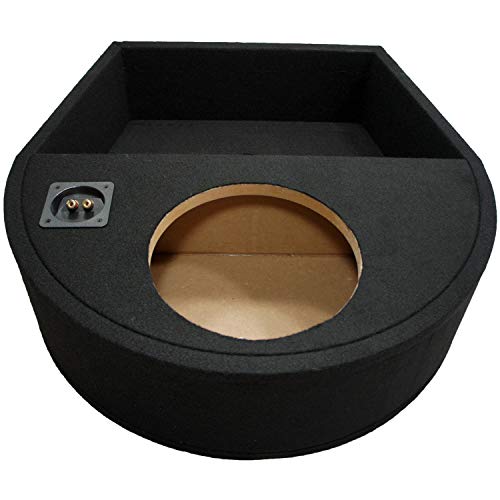
Spare Tire Subwoofer Box Single 10″ Sealed Universal Custom Fit Sub Box ASC
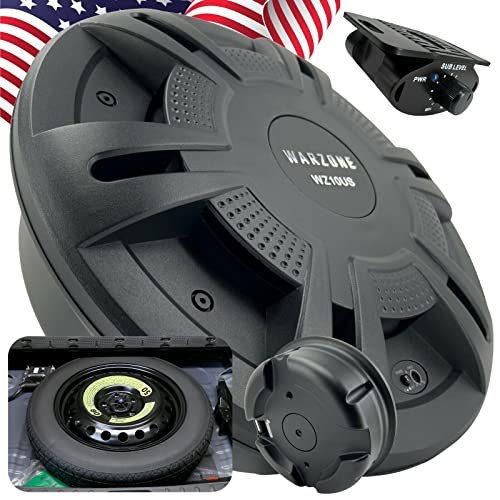
Gravity Warzone WZ10US 10″ Active Compact Spare Tire Subwoofer
More Details On Our Top Picks
Powered 12-inch spare tire designs like this suit drivers who want real bass without surrendering the cargo area. The 2-ohm load means amplifier matching matters, so the install makes more sense in systems planned around the sub instead of added later as an afterthought.
Compared with the JBL Basspro Hub below, this Cerwin-Vega option leans harder toward straightforward punch and less toward a low-profile factory disguise. In a compact crossover or daily commuter, that trade often feels fair, though a tidy mounting plan matters because powered hubs can become awkward if cable routing is rushed.
Strong Points
- Powered design keeps the bass package self-contained.
- 12-inch format suits fuller low-end presence in daily driving.
- 2-ohm impedance gives system builders a clear matching target.
- Spare-tire layout preserves most cargo floor space.
Points To Note
- Installation still depends on solid power and signal routing.
- The larger format can feel less discreet than slimmer 10-inch options.
- Best results come from a system built with this sub in mind.
Feature Snapshot
Who It Suits Best
Drivers building a compact system around stronger bass output will get the most out of this format, especially in sedans and crossovers with limited cargo room.
A Better Fit Elsewhere
JBL Basspro Hub 11″ Powered Subwoofer System suits shoppers who want a cleaner, more hub-like factory appearance.
Hub-style spare tire bass packages usually appeal to drivers who want the install to vanish into the vehicle. This JBL model fits that brief well, and the black finish keeps the look restrained rather than attention-seeking.
Relative to the Cerwin-Vega pick, the emphasis here lands on integration and a cleaner visual footprint instead of a larger, more assertive footprint. For everyday commuting, that can be the better balance, though a hidden-install design still needs enough room beneath the cargo floor to avoid cramped routing.
What We Like
- 11-inch hub format keeps the install visually tidy.
- Powered system reduces the need for separate component matching.
- Black finish blends into darker cargo areas easily.
- Works well for drivers who value a restrained cabin look.
Worth Noting
- The integrated format can be less flexible than a bare box build.
- Install room still needs checking in compact spare tire wells.
- Owners who want larger cone area may prefer the Cerwin-Vega 12-inch unit.
Details At A Glance
Who It Suits Best
Commuters and small-SUV owners who want a hidden bass setup with a cleaner visual finish will appreciate this format.
A Better Fit Elsewhere
NVX QBSTA 900W Max 11″ Powered Spare Tire Subwoofer Box suits shoppers who want a remote bass knob and more manual control.
Not every spare tire build needs a full powered hub, and this RECOIL driver speaks to that quieter, more custom path. The 8-inch size suits smaller enclosures or compact retrofits, while the dual 2-ohm voice coil gives wiring flexibility for builders who like options.
Against the JBL and Cerwin-Vega powered units, the trade-off is obvious, since the amp and enclosure have to be handled elsewhere. That extra work can pay off for a system tailored around a specific head unit or amplifier, though the box size and tuning still matter more than the cone itself.
Highlights
- Dual 2-ohm voice coils support different wiring layouts.
- 8-inch format fits compact custom builds well.
- Black-coated, four-layer voice coil points to durable construction detail.
- Pressed paper cone keeps the design focused on audio output rather than gimmicks.
Softer Spots
- Requires a separate enclosure and matching system parts.
- Smaller cone area usually leaves less output potential than the 11 and 12-inch powered picks.
- Custom installation can take more planning and storage space inside the vehicle.
Core Details
Who It Suits Best
Custom installers and system hobbyists who want a compact driver for a spare tire enclosure will find the format useful.
A Better Fit Elsewhere
American Sound Connection Spare Tire Subwoofer Box Single 10″ Sealed Custom Fit suits someone who already has a 10-inch driver in hand.
The NVX unit leans into convenience, starting with the built-in amplifier and the included remote bass knob. That knob matters more than it sounds, because cabin bass often needs small adjustments as road noise, music style, and passenger load change.
Compared with the JBL Basspro Hub, this model feels more control-forward and a little less purely stealthy, which some drivers will prefer. In a daily-driver setup, that extra tuning access can be worth the trade, though any powered box still needs sensible space around it and a clean electrical plan.
Upsides
- Built-in amplifier simplifies the overall install package.
- Remote bass knob makes in-cabin adjustment easy.
- 11-inch footprint keeps the system reasonably compact.
- 300W RMS gives a clearer working power figure than max-only claims.
Room For Improvement
- Extra controls help, but they add another component to place neatly.
- Powered boxes still need careful power and signal routing.
- Some setups may prefer the JBL Basspro Hub for a subtler visual profile.
At A Glance
Who It Suits Best
Drivers who want quick access to bass adjustment and a compact powered format will get the most out of this box.
A Better Fit Elsewhere
CERWIN-VEGA! Vega 12″ Powered Spare Tire Subwoofer VPAS12ST suits shoppers who want a larger cone size and a more forceful low-end presentation.
Renewed gear can be a sensible route for car audio shoppers who care more about the hardware layout than about a factory-sealed box. This JBL BassPro Hub keeps the same spare-tire enclosure idea as the brand’s new unit, so the appeal is mostly about the integrated enclosure and amplifier package.
Against the newer JBL Basspro Hub listing, the main question is comfort with a renewed unit rather than a fresh one. For a budget-conscious daily driver or a second vehicle, that may be a reasonable compromise, though the usual caveat is simple enough, the cosmetic condition and included accessories deserve a close look before any install plan gets locked in.
Best Bits
- Integrated enclosure and amplifier keep the setup cohesive.
- Renewed listing can suit cost-aware installs.
- 11-inch hub design helps preserve cargo utility.
Small Caveats
- Renewed condition can vary more than a fresh unit.
- Accessory completeness deserves careful checking before installation.
- Shoppers wanting a brand-new item may prefer the standard JBL Basspro Hub.
Feature Rundown
Who It Suits Best
Drivers who are comfortable with renewed electronics and want the hub format in a second car or daily commuter will find this one sensible.
A Better Fit Elsewhere
JBL Basspro Hub 11″ Powered Subwoofer System suits anyone who wants the same form factor in a fresh listing.
This ASC enclosure is for the more hands-on route, where a driver already has, or plans to source, a 10-inch subwoofer driver separately. Sealed boxes usually favor tighter, more controlled bass over a looser presentation, so the result depends heavily on the driver and amplifier chosen around it.
Compared with the powered Cerwin-Vega and JBL picks, this one asks for more planning but gives more freedom over the final system voice. In a trunk or hidden wheel-well setup, that can be the better fit for custom work, though the enclosure still needs accurate measurement and a clean mounting plan.
What We Like
- Sealed design supports controlled bass behavior.
- Universal custom-fit approach works for a wide range of projects.
- Holds a 10-inch driver, a common and flexible sub size.
- Helps preserve cargo space better than a loose enclosure in many installs.
Areas To Watch
- Requires a separate 10-inch driver and matching amplifier.
- Measurement accuracy matters for hidden wheel-well placement.
- Installation is more involved than buying a powered hub unit.
Technical Sheet
Who It Suits Best
Custom audio projects and trunk builds are the right environment for this enclosure, especially where a separate amp and driver are already part of the plan.
A Better Fit Elsewhere
NVX QBSTA 900W Max 11″ Powered Spare Tire Subwoofer Box suits someone who wants a simpler, all-in-one setup.
Compact active subwoofers like this Gravity model target vehicles where depth matters as much as output. The slim aluminum build and bass volume knob suggest a setup aimed at drivers who want quick control without a bulky enclosure eating into storage.
Compared with the more integrated JBL and NVX hub units, this one sounds oriented toward a firmer, more assertive install profile. That can make sense in a hatchback or tighter cargo bay, though the same slim layout may leave less room for heat dissipation than bulkier systems, so placement deserves care.
Standout Traits
- Slim aluminum construction helps in tight-fit installations.
- Built-in bass volume knob makes on-the-fly adjustment simple.
- Active design reduces the number of separate components.
- 10-inch format stays compact while still offering meaningful low-end presence.
Honest Caveats
- Compact active units need sensible mounting space and airflow planning.
- The slim form factor may not suit every spare tire well.
- Drivers chasing the most hidden look may prefer the JBL Basspro Hub.
Spec Overview
Who It Suits Best
Small-cargo vehicles and drivers who want a slim active unit with quick bass adjustment will find the fit strongest here.
A Better Fit Elsewhere
American Sound Connection Spare Tire Subwoofer Box Single 10″ Sealed Custom Fit suits a shopper building around a separate sub and amplifier.
How To Choose The Right Spare Tire Subwoofers
Match The Format To The Install
Powered hub units suit drivers who want a simpler path, because amplifier and driver live together in a single housing. Bare boxes and stand-alone drivers ask for more planning, but they also let the system grow around a chosen amp, crossover, and enclosure shape.
The useful question is not just how deep the bass goes, but how much cargo room remains after the install. In a hatchback or compact SUV, a cleaner hidden setup often matters more than raw output claims on paper.
Check Size, Depth, And Vehicle Clearance
Spare tire wells vary more than many shoppers expect, so diameter is only part of the story. Depth, connector placement, and clearance around the cargo floor can decide whether the system fits neatly or becomes a wiring headache.
That is where hub-style units and slim active models separate themselves from bulkier enclosures. A tight well can still work, but only with careful measurement and realistic expectations about access and service space.
Read Power Numbers In Context
RMS, or root mean square power, describes the continuous power a system can handle more meaningfully than peak figures do. Peak or max numbers still matter as a rough ceiling, yet everyday sound quality and headroom usually track closer to RMS figures and amp matching.
For commuters, moderate power with sensible tuning often feels more usable than oversized output that rattles the cabin. A compact vehicle also reaches its comfort limit sooner, so matching output to cabin size avoids wasted hardware.
Think About Control And Ownership Ease
Remote bass knobs, built-in amps, and sealed enclosures each change how the system feels after installation. A simple control layout helps during long drives, while a sealed enclosure usually rewards listeners who prefer tighter, more controlled bass character.
Maintenance stays straightforward when the install is tidy, the wiring is secure, and the spare tire area remains accessible for service. That practical side matters as much as cone size, especially for daily drivers that need the cargo area to stay useful.
What To Weigh Before You Order
Mistakes Worth Dodging
Many mismatched installs start with a size assumption instead of an actual measurement. The safer approach is to confirm well depth, mounting space, and terminal clearance before settling on a 10, 11, or 12-inch format.
Another common miss is choosing a powered model without thinking through vehicle wiring and amp placement. That shortcut can turn a neat hidden setup into a cramped service job later.
What The Higher Tier Buys
Higher-tier units usually spend more on integrated amplification, control options, enclosure design, and fit precision. Those details matter because spare tire systems live in awkward spaces where small engineering choices affect install ease and long-term convenience.
The upgrade makes the most sense for drivers who want cleaner integration, easier tuning, or a more polished hidden look. For a weekend project car or a secondary vehicle, a simpler enclosure or bare driver can still be the smarter path.
Frequently Asked Questions
What makes spare tire subwoofers different from regular sub boxes?
Spare tire designs use the unused wheel well or a similar hidden space, so the cargo floor stays more open. Regular boxes usually take more room and are easier to see.
Do powered spare tire subwoofers need a separate amplifier?
Powered models already include amplification inside the unit, so an external amp is not part of the basic setup. Bare drivers and plain enclosures still need an amp selected around them.
Is an 11-inch or 12-inch unit better for daily driving?
Neither size is automatically better, because the fit depends on the vehicle well and the amount of output wanted. The 12-inch format usually suits drivers who want more cone area, while 11-inch models often fit a little more neatly.
Can a spare tire subwoofer work in a small trunk?
Yes, provided the well depth and cargo floor clearance work with the unit’s shape. Slim active models and hub-style packages usually fit small trunks more gracefully than large conventional enclosures.
What matters most during installation?
Secure mounting, clean wiring, and enough clearance around the unit matter most. A tidy install also makes service easier later, which matters in vehicles used every day.