
Choosing 6 1 2 Speakers For Bass gets easier once you separate clean low-end support from sheer output. Some picks suit a daily driver that needs fuller kick drum and tighter mids, while others lean toward louder cabins, trucks, or portable party setups. You’ll also see a mix of 2-way, 3-way, coaxial, and larger 6 x 9 options, so the right match depends on space, wiring, and how much punch you want without turning the install into a headache.
The Shortlist At A Glance
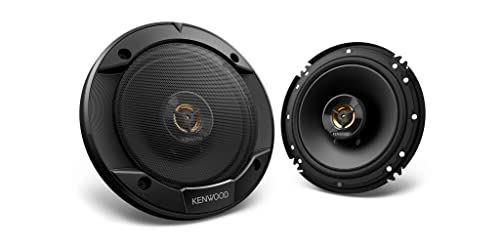
Kenwood KFC-1666R Road Series Car Speakers

DS18 PRO-ZT Pro Audio Coaxial Midrange Speakers

CT Sounds BIO-6-5-COX 6.5 Inch Coaxial Car Speakers

BOSS Audio Systems CH6930B 6 x 9 Car Speakers

Rockville Bass Party 10 V2 Dual 10″ Portable Bluetooth LED Speaker
PowerBass OE-652-6.5″ Coaxial Speakers
More Details On Our Top Picks
The Kenwood KFC-1666R leans toward sane, everyday bass support rather than showy output. A 6.5-inch coaxial layout keeps the install familiar, while the cloth woofer and balanced dome tweeter aim for steadier tone across drums, vocals, and road noise.
That makes sense for a commuter who wants the cabin to sound fuller without chasing a deep custom build. The 4-ohm load and 2-way design also make it easier to slot into a typical upgrade path, though you may still want proper amp matching for the best result.
What We Like
- 6.5-inch size suits many factory openings.
- Balanced dome tweeter helps keep highs smooth.
- Cloth woofer supports a warmer low end.
- 4-ohm impedance fits common car audio setups.
- Pair format works well for a front-stage refresh.
Things To Consider
- It’s a coaxial design, so it won’t replace a dedicated subwoofer.
- Owners often pair speakers like this with careful tuning to avoid thin sound.
- The heavy-duty magnet design can matter for fit, so space behind the panel deserves a quick check.
Feature Snapshot
Who It Suits Best
Daily drivers and first-time upgraders who want a straightforward speaker swap fit this Kenwood well.
Where A Sibling Pick Shines
CT Sounds BIO-6-5-COX suits you better if you want a simpler, more budget-aware 6.5-inch pair with a lower-power profile.
DS18 takes a louder, more forward approach than the Kenwood above, and the built-in bullet tweeter pushes that point hard. A bullet tweeter is a compact high-frequency driver shaped to project treble with more bite, which helps in open cabins or custom audio setups where presence matters.
The trade-off is that this is a single speaker, not a pair, so planning matters before you commit. Water resistance and the black metal mesh grill make it feel better suited to hard-use installs, especially in vehicles where dust, moisture, or frequent loading and unloading are part of the routine.
Bright Spots
- Bullet tweeter adds strong upper-frequency presence.
- 4-ohm load keeps it usable in many systems.
- Water-resistant construction suits rougher environments.
- Black metal mesh grill helps protect the face.
- Good fit for custom audio setups that want projection.
Room For Improvement
- Sold as a single speaker, so you need to plan quantity carefully.
- The stronger treble focus may feel sharp in quieter factory interiors.
- Cleanup around the mesh grill can take a little patience after dusty use.
Core Details
Who Will Love This
Custom installers and loud-system fans who want pronounced midrange and treble will get the most from this DS18.
Swap It Out When
BOSS Audio Systems CH6930B is the better fit for you when a matched 6 x 9 pair matters more than a single high-output speaker.
CT Sounds keeps this one plain and practical, which is useful if you just want a 6.5-inch pair that doesn’t overcomplicate the install. The 50-watt RMS rating per speaker and 100-watt max per speaker give you a clear picture of its working range, while the 4-ohm design stays friendly to many common audio setups.
Compared with the Kenwood, this feels like a simpler path for cost-aware upgrades, and that honesty has its appeal. It’s a sensible match for a daily car, a first speaker swap, or anyone who wants a cleaner doorway into better bass support without stepping into bulky gear.
Positives
- Clear wattage figures make system matching easier.
- 6.5-inch size keeps install options broad.
- Pair format suits front or rear replacement.
- 4-ohm impedance works with common head units and amps.
Small Caveats
- It’s less ambitious than the louder DS18 and BOSS choices.
- Owners aiming for deep bass will still want a subwoofer alongside it.
- The stripped-back feature set means you’re paying for basics, not extras.
Details At A Glance
Made For In Mind
Budget-conscious upgraders who want a straightforward 6.5-inch pair will find this CT Sounds set easy to place.
A Better Fit Elsewhere
Kenwood KFC-1666R Road Series Car Speakers suit you better when a fuller feature mix and a more rounded listening profile matter more.
The BOSS CH6930B steps up in size with a 6 x 9 format, and that extra surface area matters for cabin fill. In practical terms, larger cone area can help move more air, which often gives you a fuller sense of bass and a broader soundstage in sedans, trucks, and rear-deck locations.
The 3-way layout also helps it spread duties across different drivers, so the sound can feel less cramped than a smaller single-purpose design. You’ll still want to measure carefully, though, because 6 x 9 openings are not as universal as 6.5-inch fits.
Upsides
- 6 x 9 size brings a bigger cabin presence.
- 3-way layout helps divide the audio workload.
- 400 watts per pair leaves room for lively playback.
- Good fit for larger factory openings or rear decks.
- Works well when you want more fullness than a 6.5-inch speaker often delivers.
Points To Note
- Fitment is less universal than the 6.5-inch options above.
- Owners often need a careful trim or mounting check in tight panels.
- It may be more speaker than a small hatchback really needs.
Technical Sheet
Right Fit For
Drivers with larger rear-deck or door cutouts, especially in trucks and full-size cars, suit this BOSS set well.
Look Elsewhere When
PowerBass OE-652-6.5″ Coaxial Speakers are the better match for you when a direct 6.5-inch replacement matters more than extra size.
This Rockville lands outside the car-speaker lane, but it still belongs in a bass roundup because it’s built around portable low-end presence. Dual 10-inch drivers, a wheeled body with a handle, and Bluetooth playback make it feel more like a mobile sound station than a simple speaker, which suits backyard gatherings, garage sessions, or community events.
The TWS function, or true wireless stereo, lets two compatible units play as a paired set, and the USB, SD, microphone, guitar, and AUX inputs add a lot of flexibility. The trade-off is size and weight, so storage and moving it through tight hallways matter more than they do with the smaller car options earlier in the list.
Reasons To Buy
- Dual 10-inch drivers bring serious cabinet size to the low end.
- Wheels and handle make transport easier than a boxy speaker with no mobility features.
- Multiple inputs support music, vocals, and instruments.
- TWS compatibility helps expand coverage in larger spaces.
- Rechargeable battery support suits spots without convenient outlets.
Minor Gripes
- It takes more storage space than any of the car speakers here.
- The size can be awkward in compact apartments or packed trunks.
- Battery life is stated at 25% volume, so louder listening naturally changes the picture.
Feature Card
The Right Fit
Hosts who need portable sound for outdoor get-togethers, garage parties, or rehearsal spaces will get the most from this Rockville.
Not Your Match When
Kenwood KFC-1666R Road Series Car Speakers are the better fit when you need a straightforward in-car upgrade instead of a portable cabinet.
PowerBass keeps this set focused on a 6.5-inch coaxial layout with a 2-ohm load, which often matters in replacement work. Two ohms means the speaker presents lower electrical resistance than a 4-ohm model, so it can suit certain factory audio systems that were designed around that kind of load.
That detail makes it more specialized than the broader Kenwood and CT Sounds picks, and that’s the whole appeal. You’re looking at a practical replacement path for vehicles where matching the original system behavior matters more than chasing a flashy feature list.
Standout Traits
- 2-ohm design suits certain factory-style audio setups.
- 6.5-inch size keeps replacement work familiar.
- Pair format helps cover a full listening position.
- Coaxial layout keeps installation simple.
Areas To Watch
- The 2-ohm load is more specific than the 4-ohm options above.
- You’ll want to confirm your system’s compatibility before installing.
- Only basic source data is provided, so feature depth is modest.
Quick Facts
Whose Shelf It Belongs On
Drivers replacing compatible factory speakers and wanting a direct 6.5-inch swap should look closely at this PowerBass pair.
Another Choice May Suit
CT Sounds BIO-6-5-COX is a better fit for you when you want a more standard 4-ohm match and simpler system planning.
How To Choose The Right 6 1 2 Speakers For Bass
Start With Fit, Then Shape
Fit comes first because a speaker that mounts cleanly usually sounds better than one forced into a bad opening. A 6.5-inch coaxial model works for many doors and rear decks, while a 6 x 9 shape needs the right cutout and enough depth behind the panel.
Coaxial means the tweeter sits with the woofer in one housing, so installation stays simpler than with separate component sets. That simplicity helps in a daily driver, but it also means you’re balancing convenience against fine-tuned placement.
Match The Load To The System
Impedance, measured in ohms, affects how a speaker pairs with your head unit or amplifier. A 4-ohm model is the common middle ground, while a 2-ohm speaker like the PowerBass OE-652 suits certain factory-style systems that expect that lower load.
That detail matters because the wrong match can leave you chasing weak output or uneven behavior. For a first upgrade, staying near the original electrical layout often keeps things calmer and more predictable.
Look Past Wattage Labels
Peak power numbers sound dramatic, but RMS, which means the more steady continuous rating, tells you more about daily use. The CT Sounds pair gives clear RMS and max figures, while the Rockville portable speaker separates peak and RMS so you can read the output more honestly.
You’ll also want to think about cone size, since a larger driver can move more air and feel fuller in the low end. Bigger isn’t magic, though, and a clean install with proper tuning usually matters more than chasing a bigger number on the box.
Choose For The Space You Use Most
Drivers who spend most of the week in a commuter car should focus on balanced, efficient speakers like the Kenwood or PowerBass. Truck owners, rear-deck installers, and custom audio fans may prefer the larger BOSS format or the more aggressive DS18 setup.
Portable party sound is a different lane entirely, which is why the Rockville belongs here as a useful outlier. Once you know the space, the rest becomes easier: matching size, impedance, and output to the environment keeps the purchase grounded.
Things Worth Knowing Before You Choose
Wrong Turns To Avoid
Many shoppers start with wattage and skip fitment, and that’s where frustration usually begins. A speaker can look impressive on paper, then turn into a hassle because the mounting depth, opening shape, or load doesn’t suit the vehicle.
Another common slip is ignoring the role of the rest of the system. A strong speaker can still sound restrained through a weak source unit, so the whole chain deserves attention.
The Case For Spending Up
More money often goes toward larger cone area, tougher build materials, better tweeter design, or more flexible input options. You see that pattern in the BOSS 6 x 9 pair and the Rockville portable speaker, both of which add size and hardware that support bigger, more flexible use.
That extra spend makes more sense when you want louder playback, better fit for demanding spaces, or a feature set that handles more than basic replacement duty. For a simple factory refresh, though, a leaner 6.5-inch pair can be the smarter place to start.
Frequently Asked Questions
Are 6.5-inch speakers good for bass?
Yes, they can add fuller punch and cleaner low-end support in many cars. They won’t replace a dedicated subwoofer, but they often improve the everyday sound stage right away.
What does 4-ohm impedance mean?
It means the speaker presents a common electrical load that works with many car audio setups. That makes matching easier in most routine installs.
Why choose 6 x 9 speakers instead of 6.5-inch ones?
6 x 9 speakers have more cone area, so they often feel broader and fuller in larger cabins. They also need the correct opening, which narrows fit options.
Do portable Bluetooth speakers belong in a bass roundup?
Yes, when the focus is portable low-end output for gatherings, garages, or outdoor spaces. They fill a different role than car door speakers, but they still solve a bass problem.
Is a higher wattage number always better?
No, because wattage only makes sense alongside impedance, system power, and the space you’re using. A well-matched speaker with sensible output can be the better choice for everyday listening.