

You want speakers that fit your setup, not a pile of extra gear you didn’t plan for. That usually means a clean match for your door openings, your head unit, and the kind of sound you actually notice on the road, in the driveway, or on a weekend install. The right 6.5-inch set can make factory audio feel thin without turning the job into a full system rebuild.
Quick Look At The Shortlist

ORION Cobalt CM654 Mid-Range Bullet Loudspeakers

Herdio 6.5 Inches Outdoor Bluetooth Speakers

PIONEER A-Series Standard TS-A6881F 6 x 8 Coaxial Speakers

CT Sounds BIO-6-5-COX 6.5 Inch Coaxial Car Speakers
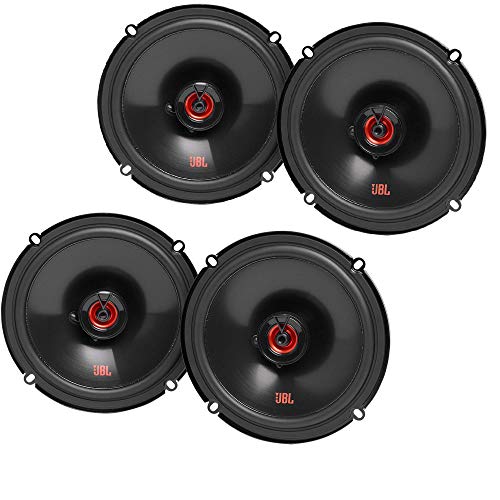
JBL CLUB-620FAM 6.5 Coax Speakers Bundle

Car Audio Loudspeaker 6.5 Inch 600W 2-Way Coaxial Speaker
CT Sounds Tropo 6.5 Inch Shallow-Mount Coaxial Car Speakers
More Details On Our Top Picks
ORION’s CM654 leans hard into midrange projection, so your vocals and instruments stand out in a busy car cabin. The 4-ohm load and 1.5-inch voice coil point toward a speaker that wants a proper install and a head unit or amplifier match that can feed it cleanly, even though you’re shopping in a no-amp mindset.
That trade-off matters, because a high-efficiency bullet-style driver can sound lively without needing a huge enclosure, but it still rewards careful tuning. For daily commuting, that can mean clearer dialogue at moderate volume, while bass-heavy listeners may want to pair it with separate low-end gear later.
Strong Points
- Midrange-forward tuning helps voices cut through road noise.
- 4-ohm impedance gives you a familiar install path.
- 1.5-inch voice coil suggests solid thermal headroom.
- Well suited to front-stage upgrades where clarity matters more than deep bass.
Things To Consider
- These are not the kind of speakers that try to carry the whole low end alone.
- Bullet-style speakers can feel aggressive in small cabins.
- You’ll want to think about tuning and placement, not just swapping parts and hoping for the best.
Feature Snapshot
Whose Shelf It Belongs On
You’ll get the most from this choice in a system where vocal clarity and front-stage presence matter more than soft background listening.
Where A Sibling Pick Shines
PIONEER A-Series Standard TS-A6881F fits you better for an easier stock-style replacement with a more balanced all-round response.
Herdio shifts the conversation away from car doors and toward patios, decks, and porch seating. The wall-mount design suits a fixed outdoor setup, and the wireless note in the title gives you a more flexible placement story than the wired car speakers above.
In a backyard gathering, that kind of setup usually matters more than tiny lab-style differences. The honest read is that outdoor speakers need practical placement and weather-resistance cues, so this pick makes the most sense for someone building sound into a social space rather than a vehicle cabin.
What We Like
- Made for outdoor listening areas, not just indoor overflow.
- Wall-mount format keeps surfaces clear.
- White finish can blend neatly with light trim and patio walls.
- Bluetooth support adds placement flexibility for casual spaces.
- Wired option gives you another setup path.
Room For Improvement
- Outdoor installs usually demand more planning around mounting and cable routing.
- Bluetooth convenience can vary with layout and distance.
- You’ll want to think about long-term cleaning and dust buildup in open-air spaces.
Technical Sheet
Made For
You’re a strong match for this pick if your setup lives on a patio, porch, deck, or backyard wall.
Another Choice May Suit
JBL CLUB-620FAM 6.5 Coax Speakers Bundle fits you better for a car-based refresh with four matching drivers in one package.
PIONEER’s 6 x 8 shape makes this pick feel like a familiar upgrade path for many factory systems, especially when you want a straightforward swap rather than a full audio rebuild. The 4-way layout means the speaker divides the sound into more bands, which usually helps treble stay smoother while the bass and mids keep their footing.
Compared with the more aggressive ORION option, this one reads as easier to live with in a daily driver. It’s the kind of speaker that suits commuters, mixed music tastes, and anyone who wants a cleaner step up from stock without pushing the cabin into shouty territory.
Bright Spots
- 4-way coaxial design spreads the audio load across more drivers.
- Balanced tuning makes it easier to enjoy mixed playlists.
- 6 x 8 format suits a range of stock openings.
- Good choice for a replacement job that should stay practical.
Points To Note
- Size compatibility still depends on your vehicle’s exact opening.
- Balanced sound is useful, though it may feel less bold than a midrange-focused speaker.
- Door-panel installs can take patience around clips and trim.
Details At A Glance
Right Fit For
You fit this pick best when you want an all-around factory replacement with a calmer sound balance.
Swap It Out When
ORION Cobalt CM654 suits you better for a more vocal-forward, high-efficiency setup in a focused front stage.
CT Sounds keeps the formula straightforward here, with a 6.5-inch coaxial layout that suits a standard car door install. The 50-watt RMS figure per speaker matters because RMS, or continuous power handling, tells you what the speaker is meant to tolerate during normal use, not just quick peaks.
That makes this a sensible middle-ground option for everyday driving, especially where you want a cleaner upgrade without chasing giant power numbers. Compared with JBL’s bundle, this is the simpler buy for someone replacing just one pair and keeping the rest of the system unchanged.
Best Bits
- Clear power figures make system matching less guessy.
- Coaxial layout keeps installation simpler than component-style setups.
- 4-ohm impedance fits common car audio wiring.
- Useful for a plain replacement that still sounds more deliberate than stock.
Softer Spots
- Pair-only packaging may leave you short for a full-cabin refresh.
- You’ll need to confirm the mounting depth and vehicle fit.
- The sound profile leans practical, not flashy.
Core Details
Best Suited To
You’ll appreciate this pair most in a daily driver where you want a simple and understandable upgrade path.
Look Elsewhere When
JBL CLUB-620FAM 6.5 Coax Speakers Bundle fits you better for replacing more than one pair at a time.
This JBL bundle stands out because it gives you two pairs at once, which is handy for a full four-door refresh or a front-and-rear match. That makes the install conversation simpler, since you’re working from one product family instead of mixing different voicings across the cabin.
For a family car or an older vehicle that needs a broad reset, that kind of package often makes more sense than buying singles. The trade-off is straightforward, though, because the no-grills setup leaves a little more work for the install side and asks you to be comfortable handling the finishing pieces yourself.
Upsides
- Two-pair bundle helps you cover more doors with one purchase.
- Good fit for matching front and rear sound.
- Simplifies system consistency across the cabin.
- Useful for older vehicles that need more than a one-corner fix.
Areas To Watch
- No grills means you’ll need to plan around protection and finishing.
- Bundle size can be more than you need for a single replacement.
- Four-speaker installs take more time than a simple pair swap.
Key Specs
Who Will Love This
You’re the best match for this bundle when you want matching speakers across more than one row of seats.
Reach For A Different Pick When
CT Sounds BIO-6-5-COX suits you better for a simpler two-speaker replacement with a lighter install load.
This unnamed-brand 6.5-inch coaxial speaker gives you a dense spec sheet for the money-minded comparison shopper, starting with a 600-watt output claim and a 2-way design. A 2-way speaker splits sound into two bands, usually helping the highs and lows stay more organized than a very basic single-driver setup.
You also get a listed 93 dB sensitivity, and sensitivity means how easily a speaker turns power into sound, which matters a lot in systems without a separate amp. The honest read is that this could suit a simple door upgrade for a compact sedan or hatchback, but the unknown-brand route usually asks you to be more careful about fit and finish than with Pioneer or JBL.
Positives
- Strong spec list for a straightforward 6.5-inch coaxial format.
- 93 dB sensitivity can help with louder output from modest head units.
- 2-way layout keeps the audio split more organized.
- 4-ohm impedance fits common car audio wiring.
Minor Gripes
- Brand recognition is lower than the name-led picks above.
- Fit and mounting depth still need a careful check before install day.
- Long-term ownership confidence tends to depend on the installation outcome.
Feature Rundown
The Right Fit
You fit this pick best when you want a spec-heavy 6.5-inch upgrade and don’t mind doing extra homework on installation.
Consider Something Else When
CT Sounds BIO-6-5-COX is the safer match for a more familiar name and a simpler pair-only upgrade.
Shallow-mount speakers are for cramped doors, and this CT Sounds pair leans right into that use case. In a tight install bay, reduced depth can be the difference between a clean fit and a frustrating afternoon with spacers or panel interference.
Compared with the standard-depth CT Sounds BIO-6-5-COX, this one makes more sense where space is the problem and output is still enough for everyday listening. You may find it especially practical in compact cars or older doors with limited clearance behind the panel.
Highlights
- Shallow-mount design helps in tight door cavities.
- Coaxial layout keeps the install simpler than more complex speaker builds.
- Good fit for vehicles where depth is the main constraint.
- Pair format keeps the swap straightforward.
Worth Noting
- Shallow fit is the main story, so it’s less about raw output bragging rights.
- You should still check door clearance and trim space carefully.
- Owners commonly pay more attention to mounting hardware with shallow installs.
At A Glance
Built With In Mind
You’re the right match for this pair if your doors are tight behind the panel or you’ve already run into depth issues before.
Where Shoppers Go Wrong
PIONEER A-Series Standard TS-A6881F fits better when you have more room and want a broader, easier-to-balance all-round upgrade.
How To Choose The Right 6 5 Speakers Without Amp
Match The Speaker To Your Power Source
A no-amp setup lives or dies on sensitivity, impedance, and how forgiving the speaker is with head-unit power. Sensitivity tells you how easily sound comes out, while 4-ohm impedance is the familiar load most car audio gear expects.
That’s why a speaker like the DriSentri listing, with 93 dB sensitivity, may feel more lively from modest power than a heavier-duty model that expects more current. The catch is that loudness alone doesn’t tell you everything, because clean fit and tuning still matter just as much.
Check Fit Before You Chase Output
Speaker size is only the first step, since mounting depth, door clearance, and opening shape can change the whole install story. A shallow-mount design like the CT Sounds Tropo helps in cramped doors, while a 6 x 8 option such as the PIONEER A-Series suits vehicles built for that format.
That matters more than a lot of shoppers expect, especially in older cars where panel space is already tight. The honest read is that a speaker you can mount cleanly usually sounds better in practice than a stronger-looking spec sheet that never fits right.
Decide What Kind Of Sound You Want
Some 6.5-inch speakers lean toward vocal clarity and front-stage presence, while others aim for smoother balance or broader cabin coverage. ORION’s bullet-style CM654 favors projection, the PIONEER pair stays more even-handed, and JBL’s bundle is built for matching more of the car at once.
You get the best result when the speaker profile lines up with your music and your car’s shape. Daily commuters often prefer balance, while someone chasing a more focused front stage may prefer the sharper personality of the ORION set.
Think About Ownership, Not Just Day One
A speaker that’s easy to install usually stays easier to live with, because fewer odd brackets and oddball sizes mean less fiddling later. Bundle packs can save time on repeat matching, while simple pair packs keep the job lighter for a first upgrade.
Also, outdoor and door-mounted speakers collect dust, moisture, and grime in different ways, so finish quality and access matter. A clean install is like a well-cut suit, it may not shout, but it makes everything sit better.
Things Worth Knowing First
Common Shopping Slip Ups
A lot of people focus on wattage and forget sensitivity, impedance, and fit depth. That’s how a loud-looking speaker ends up sounding underfed or becomes a headache in the door panel.
Another common miss is buying a pair when the car really needs a full set, or buying four speakers when only one axle is being refreshed. The shorter path is to match the package size to the install plan before you compare sound profiles.
What The Higher Tier Buys
More expensive models often bring better driver design, more careful tuning, or broader package coverage, like JBL’s two-pair bundle or PIONEER’s 4-way layout. Those upgrades usually pay off in smoother sound, easier cabin matching, or less compromise during installation.
The extra spend makes sense when you keep your vehicle for years, care about a cleaner result, or want fewer mismatched parts in the system. For a short-term patch, a simpler pair can be enough, but a better-built set usually feels steadier over time.
Frequently Asked Questions
Can 6.5-inch speakers work without an amp?
Yes, many do, especially in standard car audio setups with a compatible head unit. Sensitivity and impedance matter a lot more than raw max watt figures here.
What does coaxial mean?
A coaxial speaker combines multiple drivers in one frame, usually so highs and mids come from the same unit. That keeps installation simpler than a separate component setup.
Is higher wattage always better?
No, not by itself. A speaker with useful sensitivity and a good fit can outperform a bigger number that doesn’t match your system.
Do shallow-mount speakers sound weaker?
Not automatically. They’re mainly built for tight spaces, so the trade-off is usually about fit and design priorities rather than a simple drop in usefulness.
What should you check before ordering?
Check speaker size, mounting depth, impedance, and whether your car needs a pair or a full set. That small checklist saves more trouble than chasing a louder spec sheet.