

Car audio upgrades live or die on amplifier fit, not just raw output numbers. That matters most for daily commutes, trunk builds, and compact cabins where heat, wiring space, and tuning headroom all play different roles. The seven picks below cover mono, dual-channel, bridgeable, and powered subwoofer routes, so matching the amp to the system gets much easier. Some lean toward straightforward bass duty, while others make more sense for mixed systems or tighter budgets.
Quick Shortlist For Car Bass Builds

Skar Audio RP-1500.1D Monoblock Class D MOSFET Amplifier
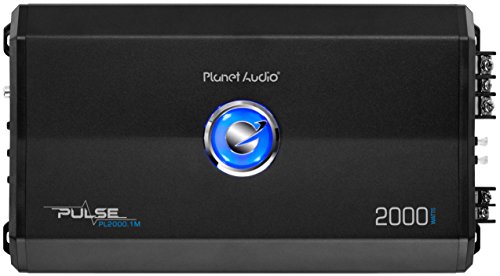
Planet Audio PL2000.1M Monoblock Car Amplifier

Taramps Bass 400 2 Ohms Monoblock Amplifier

Crunch Ground Pounder GP-2000.2 2000 Watt 2 Channel Amplifier

Crunch Ground Pounder GP-1500.2 1500 Watt 2 Channel Amplifier

Pioneer GM-A5702 1000W Max Class AB Bridgeable 2-Channel Car Amplifier

FOLTUSYMY 1200W 10″ Slim Under Seat Powered Car Subwoofer
More Details On Our Top Picks
Remote sub level control gives this Skar model a practical edge for trucks and hatchbacks, where bass often needs quick trimming. Class D describes a switching amplifier topology, which usually means better efficiency and less wasted heat than older analog designs. That matters in a cramped trunk install, and the MOSFET output stage adds another layer of control-minded engineering.
Compared with the Planet Audio pick, this one feels more centered on clean sub duty than on broad input flexibility. The honest read is that it suits systems where the sub stage is already defined and the goal is simple, responsive control from the driver seat.
What We Like
- Remote bass adjustment makes daily tuning easier from the front seat.
- Class D design helps keep heat in check during longer drives.
- Monoblock layout keeps the signal path focused on subwoofer use.
- MOSFET output section supports controlled power delivery for bass systems.
Points To Note
- Single-channel design keeps the scope narrow, so it is not a general-purpose speaker amp.
- Trunk installations still depend on careful ventilation and clean wiring.
Feature Snapshot
Who It Suits Best
Drivers building a dedicated sub stage for daily use, especially in compact vehicles and cargo-limited installs, fit this amp well.
A Better Fit Elsewhere
Planet Audio PL2000.1M suits shoppers who want a more input-friendly mono amp for larger bass plans.
The PL2000.1M leans into high-output mono territory, so it makes sense for larger sub systems and louder cabin goals. Low and high inputs matter because head units vary, and that flexibility can spare some install frustration in older cars or mixed aftermarket setups. For big trunk builds, the shape of the amp matters almost as much as the wattage headline.
Compared with the Skar RP-1500.1D, this Planet Audio model is aimed more at broad compatibility and brute-force bass duty. The trade-off is that a stronger emphasis on output usually brings more attention to wiring, cooling, and gain setup.
Highlights
- Monoblock format keeps the design focused on subwoofer amplification.
- Low and high inputs help with more head unit types.
- Strong output orientation suits larger bass enclosures.
- Good match for vehicles where cab space is not the main constraint.
Small Caveats
- Larger output ambitions usually bring a larger wiring and cooling burden.
- Less relevant for shoppers who need a speaker amp for full-range duties.
- Careful gain adjustment matters more on powerful mono installs.
Core Details
Who Should Grab It
Audio installs that need a single-channel workhorse for a sizeable sub setup fit this Planet Audio amp best.
Skip It When
Taramps Bass 400 suits compact systems where modest draw and smaller enclosures matter more than raw scale.
Smaller systems usually benefit from an amp that stays straightforward, and the Bass 400 takes that route cleanly. The 2-ohm load rating matters because lower impedance can let an amplifier deliver more output to a compatible sub, though system matching becomes more important. For a compact hatchback, single-sub enclosure, or modest bass refresh, that combination is easy to live with.
Unlike the Planet Audio PL2000.1M, this Taramps model is aimed at a more restrained footprint and a simpler power story. That also means it makes sense for daily listening where clean integration matters more than chasing large trunk-rattling output.
Positives
- Compact monoblock format works well in space-tight installs.
- 2-ohm compatibility opens the door to more sub matching options.
- RCA and high-level inputs support different head units and factory systems.
- Full-range capability can help in mixed-use setups that need flexibility.
Areas To Watch
- Lower-power systems will not suit very large enclosures.
- System matching matters, especially around impedance and sub choice.
- Small amps still reward neat cable routing and secure mounting.
Technical Sheet
Built With In Mind
Budget-conscious installs and smaller vehicles benefit most from this Taramps amp.
Where A Sibling Pick Shines
Skar Audio RP-1500.1D suits drivers who want a remote bass control and a more commanding mono layout.
Two-channel amplifiers still matter in subwoofer builds because bridgeable layouts can turn a stereo amp into a bass-friendly unit. That bridge function is the key idea here, since it lets channels combine for a single load, which suits many sub-only projects without forcing a monoblock. In most cars, that flexibility is useful when the system may change later.
Compared with the mono models above, the Crunch GP-2000.2 is a more adaptable platform for mixed plans. The honest read is that it works well for shoppers who want room to reconfigure the system, though it is less specialized than the Skar or Planet Audio options.
Best Bits
- Two-channel architecture supports more than one wiring strategy.
- Bridgeable design can serve a subwoofer-focused setup.
- Useful for systems that may expand later.
- Good middle ground between stereo flexibility and bass use.
Points To Note
- Bridge wiring asks for a careful setup and clear documentation.
- Not as purpose-built for sub duty as a dedicated monoblock.
- More flexible architecture can mean more planning at install time.
Feature Rundown
Whose Shelf It Belongs On
Installers who want one amp for changing car audio plans fit this Crunch model well.
Look Elsewhere When
Planet Audio PL2000.1M suits a dedicated bass system that needs a more direct mono path.
The GP-1500.2 follows the same two-channel logic as the larger Crunch amp, but with a gentler scale that makes more sense for everyday stereo upgrades. That smaller footprint often suits sedans and compact coupes where the audio system needs useful headroom without turning the install into a wiring project. It sits in a practical middle space.
Compared with the GP-2000.2, this version trims the ambition and, in turn, the setup pressure. The trade-off is easy to understand: less brute force, more restraint, and a cleaner fit for modest systems that still deserve better control than a factory radio can offer.
Strong Points
- Two-channel design works for speakers or bridged sub use.
- Moderate output scale suits everyday upgrades.
- Good fit for cars with limited install space.
- Less overbuilt than larger amps for simpler systems.
Worth Noting
- Not the right fit for very large bass plans.
- Bridge wiring still needs a clean and careful install.
Details At A Glance
Right Fit For
Daily drivers that need a flexible amp for speakers or a modest sub setup suit this Crunch model well.
Another Choice May Suit
Pioneer GM-A5702 works better for shoppers who want a bridgeable class AB amp from a long-established audio brand.
Pioneer’s GM-A5702 takes a more traditional class AB approach, which many installers still appreciate for straightforward speaker work and bridged bass applications. Class AB means the amp blends class A and class B behavior, a design often chosen for balanced sound character rather than maximum efficiency. That matters in systems where consistency and brand familiarity rank high.
Compared with the Crunch pair, this Pioneer feels a bit more restrained and polished in concept, especially for people who value a bridgeable amp with a familiar layout. The catch is that class AB designs usually run warmer than class D units, so placement and airflow deserve attention.
Upsides
- Bridgeable design supports a subwoofer-focused install.
- Class AB architecture suits traditional car audio setups.
- Two-channel format keeps speaker and bass options open.
- Pioneer branding often appeals to stereo-focused installers.
Areas To Watch
- Class AB amps generally need more airflow than class D units.
- Less efficient than the mono class D picks in this list.
- Bridge setup still benefits from careful speaker matching.
Spec Overview
Made For
Drivers who want a classic two-channel amplifier for speakers and occasional sub duty fit this Pioneer well.
Swap It Out When
Skar Audio RP-1500.1D suits bass-first installs that benefit from a dedicated monoblock and remote level control.
Powered under-seat subwoofers solve a different problem from the separate amps above, because the enclosure and amplifier arrive as one package. That design suits vehicles where trunk space is already spoken for, and the 10-inch slim format keeps the footprint modest. The blue LED accent is a cosmetic touch, not a performance feature, but it does give the unit a more finished look in visible cabin installs.
Compared with the Taramps Bass 400, this option trades some tuning freedom for a simpler, more integrated path. The honest read is that it makes sense for commuters and truck cabins that need extra bass without a full custom rack of components.
Bright Spots
- Built-in amplifier simplifies the overall setup.
- Slim under-seat format protects cargo space.
- High and low level inputs help with newer and older head units.
- Useful for cabin installs where a full box will not fit.
Soft Spots
- Integrated design leaves less room for future component swaps.
- Under-seat placement can limit enclosure volume compared with trunk systems.
- The decorative lighting is secondary to the audio role.
Core Details
The Right Fit
Compact vehicles, work trucks, and daily drivers with limited cargo space suit this FOLTUSYMY unit.
Where A Sibling Pick Shines
Crunch GP-2000.2 works better for installers who want a separate amplifier and more room to shape the system later.
How To Choose The Right Subwoofer Amps For Car
Match The Amp To The Sub Layout
Monoblock amps remain the cleanest match for a dedicated subwoofer chain. A single-channel design keeps setup simple, and the signal path stays focused on bass duty rather than full-range speaker work.
Two-channel and bridgeable amps deserve attention too, especially in systems that may grow later. Bridging combines channels for a single load, which can be useful for sub duty, but wiring accuracy matters more than with a purpose-built mono unit.
Look Past Wattage Headlines
Power ratings grab attention, yet impedance, efficiency, and head unit compatibility shape real use. A 2-ohm capable amp may behave differently from a 4-ohm setup, so the sub’s load and the amp’s support range need to line up.
Class D models usually make more sense for tight installs because they waste less energy as heat. Class AB amps still have a place for traditional setups, though they often ask for more airflow and a little more patience during installation.
Think About the Install Environment
Compact sedans, trucks, and hatchbacks all create different constraints. Under-seat powered subs help in cabins with little cargo room, while trunk-mounted mono amps suit builds that can spare space for wiring, cooling, and future expansion.
Access also matters after the install is finished. Remote level control, high-level inputs, and clear bridge labeling all reduce friction during daily ownership, especially for commuters who want to make small changes without opening panels.
A Quick Reality Check Before You Choose
Mistakes Worth Dodging
Many installs go sideways because the amp is too ambitious for the rest of the system. A large mono unit paired with a small enclosure often creates more setup stress than useful output.
Another common miss is ignoring input compatibility. Factory radios, aftermarket head units, and sub boxes do not all speak the same language, so high-level or RCA support can matter more than the headline power figure.
What The Higher Tier Buys
Higher-end models usually pay for better power control, more flexible inputs, and stronger thermal design. That matters in long commuting patterns or repeated bass-heavy playback, where heat and tuning stability become more noticeable.
The extra spend can also buy better fit for complex systems. A remote level knob, bridgeable channels, or a more efficient class D layout often saves time at install and reduces day-to-day fiddling.
Frequently Asked Questions
What Does A Monoblock Amp Do For A Car Subwoofer?
A monoblock amp uses a single channel, so it is built for subwoofer duty. That keeps the setup focused and usually makes matching simpler.
Is Class D Better Than Class AB For Bass?
Class D usually runs cooler and works well in compact installs. Class AB still has a place, especially for traditional two-channel systems.
Do High-Level Inputs Matter In Car Audio?
High-level inputs help connect to factory radios that do not have standard RCA outputs. That can make an install easier in older vehicles or stock systems.
Why Would A Shopper Choose A Bridgeable Amp?
A bridgeable amp can combine channels for a sub-focused setup. That adds flexibility for people who may change the system later.
Is A Powered Subwoofer A Good Shortcut?
A powered subwoofer combines the speaker and amp in one unit, so it simplifies the install. It works well in vehicles with little room for separate components.