


Subwoofer amps live or die by fit. A daily driver with a compact cabin, a boat with salt-air exposure, or a home theater setup with passive bass each asks for a different kind of power stage, control layout, and wiring tolerance.
The seven picks below cover that spread without pretending one design solves everything. Higher output matters for headroom, marine housing matters near water, and home use calls for simpler integration with passive speakers. The trade-offs show up in size, flexibility, and how much tuning the install requires.
The Shortlist At A Glance
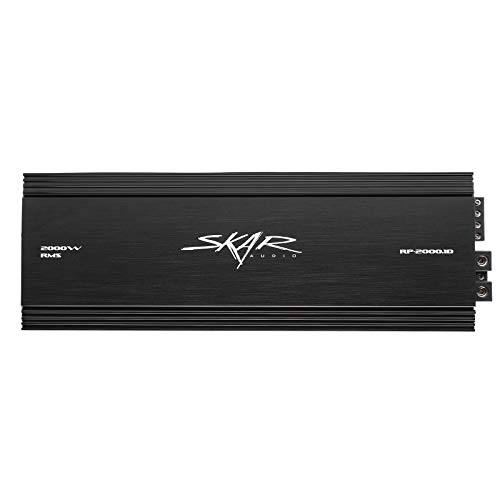
Skar Audio RP-2000.1D Monoblock Class D MOSFET Amplifier with Remote Subwoofer Level Control, 2000W
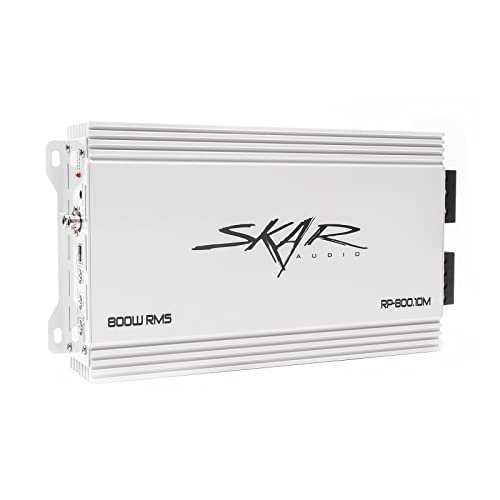
Skar Audio RP-800.1DM 800 Watt Monoblock Class D Marine Subwoofer Amplifier

Taramps HD 3000 1 Ohm 1 Channel 3000 Watts RMS MAX, Full Range Car Audio, Monoblock, LED Monitor Indicator, Class D Amplifier, Crossover, White 3k amp, Sound Quality

Car Audio Amplifier ZE1000.1 2000W Monoblock Class D MOSFET Subwoofer Audio, 1-4 Ohm Stable, Low Pass Crossover, Mosfet Power Supply, Stereo

Skar Audio RP-350.1D Monoblock Class D MOSFET Amplifier with Remote Subwoofer Level Control, 350W

Taramps Bass 400 2 Ohms Monoblock Amplifier 400 Watts Rms 1 Channel 14.4VDC Out Power Full Range, Great for Sub/Bass – Rca/High Level Input, Car Audio

Fosi Audio M04 Subwoofer Amplifier for Home Theater Mono Channel Digital Class D Integrated Power Amp for Passive Speakers Subwoofer
More Details On Our Top Picks
For larger trunk builds and upgraded subs, the RP-2000.1D sits in the part of the market that favors headroom over restraint. The monoblock layout keeps the signal path focused on a single bass channel, and the remote level control gives cabin-side adjustment without reopening the install.
The honest read is that this kind of amp makes most sense in systems that already have solid wiring and a subwoofer matched to the load. Compared with the lighter RP-350.1D later in the list, this one is aimed at far more demanding setups and can feel oversized for a modest daily system.
Strong Points
- Remote level control makes bass adjustment easy from the cabin.
- Class D design usually suits compact installs that still need strong output.
- Monoblock layout keeps the setup centered on subwoofer duty.
- Best suited to systems that need more breathing room at higher volume.
Points To Note
- Larger output capacity can be more than small factory-style systems need.
- Install quality matters, especially with power and ground routing.
- The remote control adds convenience, but it also adds one more part to mount cleanly.
Feature Snapshot
Who It Suits Best
Car-audio hobbyists building a stronger bass section in a dedicated vehicle setup get the most from this model.
Where A Sibling Pick Shines
Skar Audio RP-350.1D Monoblock Class D MOSFET Amplifier with Remote Subwoofer Level Control, 350W suits smaller cars and simpler upgrades more neatly.
The RP-800.1DM is the obvious shift toward damp, salty, and splash-prone environments. Marine amplifiers are built around tougher environmental expectations than standard car gear, so this one makes sense in boats or other exposed setups where cabin electronics need extra care in placement.
Compared with the larger RP-2000.1D, output is more restrained, which helps keep the focus on practical marine bass rather than chasing big numbers. That restraint is a virtue in smaller hulls or compact compartments, though the install still deserves tidy ventilation and careful cable routing.
What We Like
- Marine-focused design suits water-adjacent installs better than a standard car amp.
- Class D architecture helps keep the footprint manageable.
- 800-watt output fits compact boats and modest sub setups.
- Single-channel layout keeps bass integration straightforward.
Softer Spots
- Marine use narrows the appeal for drivers who only need a regular car amp.
- Cabin space can still feel tight around wiring and mounting points.
Details At A Glance
Built With In Mind
Boat owners and dockside weekend setups get the clearest benefit from this model.
Another Choice May Suit
Skar Audio RP-2000.1D Monoblock Class D MOSFET Amplifier with Remote Subwoofer Level Control, 2000W fits larger car systems that need more headroom.
Among the car-focused amps here, the HD 3000 is the most obviously built for serious output planning. The 1 ohm load support matters because low-impedance wiring is a common route in high-output bass systems, and the LED monitor indicator gives a quick visual cue during setup or daily use.
That added monitoring is useful in a busy install where the amplifier may live out of sight, but the trade-off is that this model asks more from the rest of the system. Compared with the ZE1000.1, it moves further into dedicated high-power territory, so it fits a more committed build than a casual trunk upgrade.
Best Bits
- 3000-watt rating points to serious headroom for stronger bass systems.
- 1 ohm support helps with high-output wiring strategies.
- LED monitor indicator adds a useful status cue.
- Crossover support helps shape the bass band more cleanly.
- Full-range design broadens system planning options beyond a narrow sub-only approach.
Areas To Watch
- This much output is better suited to committed installs than casual setups.
- Wiring and ventilation need attention, especially in tighter enclosures.
- The white finish may show dust sooner in open cargo areas.
Core Details
Whose Shelf It Belongs On
Experienced car-audio installers and enthusiasts running larger subwoofer arrays get the clearest fit here.
Swap It Out When
AUDIOZERONE ZE1000.1 fits simpler systems that still want a monoblock layout without stepping into the same power class.
The ZE1000.1 is built around flexibility, and that matters in mixed car-audio installs where load matching can get tricky. The 1 to 4 ohm stability gives more room to work with different subwoofer configurations, while the low-pass crossover narrows the signal toward bass duties rather than full-range playback.
Compared with the higher-output Taramps HD 3000, this amp feels more approachable for a value-conscious upgrade. It still asks for tidy wiring and decent ventilation, though the MOSFET power supply is part of why many installers look for this style in straightforward bass builds.
Highlights
- 1 to 4 ohm stability makes it easier to match different subs.
- Low-pass crossover keeps the amplifier aimed at bass work.
- Monoblock Class D format stays focused and installation-friendly.
- MOSFET power supply supports the power stage in a familiar car-audio layout.
Minor Gripes
- Shared flexibility means setup choices still need careful planning.
- The product title signals broad use, but subwoofer duty remains the real fit.
- Cable management still matters in cramped factory trunks.
Feature Rundown
The Right Fit
Drivers building a flexible everyday bass system with different sub options will get the clearest use from this model.
Look Elsewhere When
Taramps HD 3000 suits a more aggressive output target and a more specialized install plan.
Smaller systems usually need a sub amp that stays out of the way, and that is where the RP-350.1D fits neatly. The remote level control lets bass be trimmed from the cabin, which is handy in hatchbacks, sedans, and starter builds where the sub’s character changes a lot with music choice.
It does not chase the heavy output of the RP-2000.1D, and that’s the point. Lower power can be a better match for modest enclosures and factory-style electrical systems, especially when the goal is cleaner control rather than sheer pressure.
Reasons To Buy
- Compact monoblock design suits tight installs.
- Remote level control keeps bass adjustments easy from the seat.
- 350-watt output fits entry-level subwoofer upgrades.
- Class D format helps preserve space in small vehicles.
Room For Improvement
- Output is modest beside the larger car amps in this list.
- It fits simpler bass builds better than ambitious multi-sub plans.
- As with many compact amps, clean mounting pays off in airflow and access.
Quick Facts
Made For
Beginners building a first bass upgrade in a daily car will find the most natural fit here.
A Better Fit Elsewhere
Car Audio Amplifier ZE1000.1 2000W Monoblock Class D MOSFET Subwoofer Audio, 1-4 Ohm Stable, Low Pass Crossover, Mosfet Power Supply, Stereo suits fuller custom plans with more wiring flexibility.
The Bass 400 leans toward straightforward installation, especially where RCA or high-level input is part of the plan. High-level input matters in factory head-unit installs because it can simplify integration without forcing a full source-unit overhaul, which is useful in older cars and daily commuters.
Its 2 ohm design and 400-watt output keep the focus on sub and bass duty rather than chasing large-room drama. Compared with the RP-350.1D, it carries a bit more output while still staying in a sensible lane for modest systems.
Upsides
- RCA and high-level input support make integration easier in more vehicles.
- 400 watts is a practical step up from the smallest compact amps.
- 2 ohm design fits common bass-oriented wiring setups.
- Full-range wording broadens how the amplifier can be integrated in the signal chain.
Small Caveats
- Installation still depends on the rest of the vehicle audio layout.
- It suits modest bass goals more than large, high-output sub arrays.
Feature Card
Who Should Grab It
Commuters and first-time installers who want a simple bass upgrade without a complex source swap fit this model well.
Where Shoppers Go Wrong
Skar Audio RP-350.1D Monoblock Class D MOSFET Amplifier with Remote Subwoofer Level Control, 350W is the cleaner route for very tight spaces and ultra-simple setups.
The M04 changes the setting entirely, moving from car cabins to home theater use with passive subwoofers or speakers. Mono-channel digital Class D design usually suits a compact media rack, and that narrower footprint can make it easier to tuck beside a receiver or shelving unit.
Compared with the car amps above, this one is less about vehicle wiring and more about simple system integration indoors. It fits well in living rooms and media rooms where the priority is clean bass support, though the passive-speaker focus means it belongs in the right home setup rather than a trunk.
Plus Points
- Home theater orientation suits indoor bass systems.
- Mono-channel Class D layout keeps the amp purpose-built.
- Integrated power amp design works well in compact media spaces.
- Clear fit for passive subwoofer use in living-room setups.
Honest Caveats
- It is aimed at home audio, not vehicle installs.
- Passive-speaker compatibility matters, so the rest of the system has to match.
- Rack placement and ventilation still deserve attention in enclosed furniture.
Technical Sheet
Perfect Match For
Home theater hobbyists building around a passive subwoofer and a compact amplifier shelf get the clearest fit here.
Not Your Match When
Taramps Bass 400 2 Ohms Monoblock Amplifier 400 Watts Rms 1 Channel 14.4VDC Out Power Full Range, Great for Sub/Bass – Rca/High Level Input, Car Audio suits vehicle-based installs more directly.
How To Choose The Right Subwoofer Amps
Match Output To The Rest Of The System
Power rating only makes sense beside the subwoofer, enclosure, and electrical setup. A 3000-watt monoblock belongs in a different conversation than a 350-watt starter amp, and the gap shows up in wiring demands, heat management, and how hard the amp is asked to work.
Impedance matters just as much. Lower-ohm stability can support stronger bass plans, but it also demands a smarter match between the amplifier and the subs.
Choose The Right Use Case First
Car installs, marine environments, and home theater rigs reward different designs. A marine amp such as the Skar Audio RP-800.1DM suits damp conditions, while the Fosi Audio M04 fits passive home bass in a media room.
That split is important because enclosure type and location shape daily use. A compact car trunk, a boat console, and a living-room rack each place different limits on size, ventilation, and control access.
Pay Attention To Control And Inputs
Remote level control helps when bass needs quick trimming from the seat. High-level input also matters because it can make factory head-unit integration easier, especially in older vehicles where a full source upgrade would add complexity.
Crossovers deserve a careful look too. A low-pass crossover sends the right frequencies to the sub, which keeps the amplifier focused and helps the system sound more coherent.
Build For The Install, Not Just The Spec Sheet
Class D amplifiers stay relatively compact, which is part of why they dominate this list. Even so, physical mounting space, cable routing, and airflow still shape how well the amp fits into everyday ownership.
A cleaner install often matters more than a flashy number on the box. The best match is the amp that suits the vehicle, the sub, and the listening habit without forcing a tangle of compromises.
A Quick Reality Check
Where Shoppers Go Wrong
A common misstep is choosing output before checking impedance and wiring plans. Another is overlooking whether the amp is made for car, marine, or home use, which can create avoidable compatibility trouble.
Mounting gets ignored too often. Tight spaces, weak grounding, and poor ventilation can make even a strong amp feel fussy in daily use.
The Upgrade Payoff
More expensive sub amps usually bring stronger output, more tuning control, and better fit for demanding installs. Features like remote level control, LED monitoring, and wider load support tend to appear as the price tier rises.
That extra spend makes sense for larger enclosures, multi-sub layouts, or systems that need frequent adjustment. For a simple daily driver, a smaller monoblock often makes more sense than paying for capacity that never gets used.
Frequently Asked Questions
What does a monoblock sub amp do?
A monoblock amplifier powers one channel, which makes it a natural fit for subwoofers. That focused layout keeps bass duties separate from the rest of the system.
Do 1 ohm and 2 ohm ratings matter?
Yes, because impedance affects how the amplifier and subwoofer interact. Lower-ohm support can open up more wiring options, but only a matching setup makes that useful.
Is Class D a good match for bass?
Class D is common in subwoofer amps because it supports efficient power delivery in a compact form. That usually helps in cars, boats, and media racks where space matters.
Are marine subwoofer amps different from car amps?
Marine models are built for wetter, harsher conditions than standard car units. That makes them a better fit for boats and other exposed places.
Can a home theater sub amp be used in a vehicle?
A home theater amp like the Fosi Audio M04 is aimed at indoor audio gear, not automotive wiring. The safer route is a car-specific model for vehicle installs.