


7 Best 12 Volt Automotive Battery for 2026: Smart Fits for Real Driving
A dead battery turns an ordinary morning into a nuisance fast. This roundup helps you sort through AGM, SLA, and LiFePO4 choices by the way you actually drive, whether that means short commutes, start-stop traffic, marine use, or a vehicle that sits between weekend runs. You’ll see which picks suit compact installs, heavy electrical loads, and longer reserve needs, without wading through filler. The aim is simple, match the battery style to your vehicle and skip the wrong-size headache.
The Shortlist At A Glance
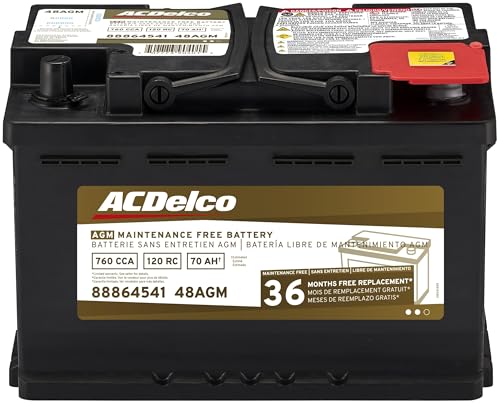
ACDelco Gold 48AGM BCI Group 48 Battery

Mighty Max Battery YTZ12S 12 Volt 11 AH AGM Motorcycle Battery

Goodyear AUX14-AGM BCI Group Size 400 Auxiliary Battery

Autocessking Group Size 35 Start and Stop AGM Car Battery
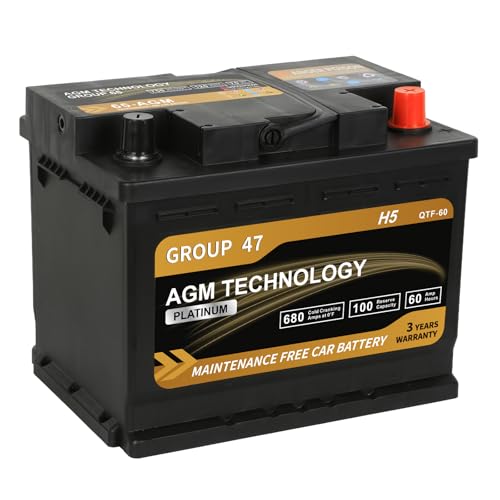
Platinum AGM Car Battery Group Size 47 H5

Interstate Batteries Marine/RV Battery Group 24 AGM
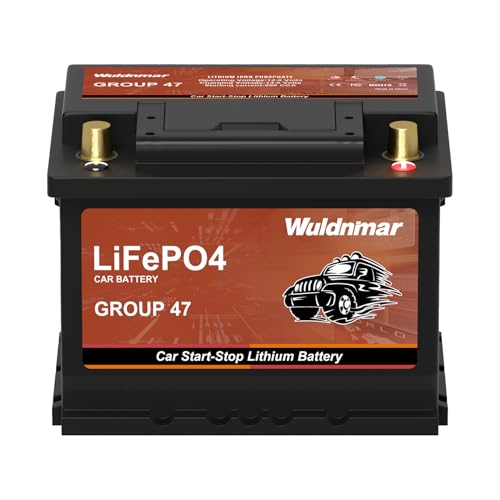
12V BCI Group 47 LiFePO4 Lithium Car Battery H5
More Details On Our Top Picks
The ACDelco Gold 48AGM suits daily drivers that need a Group 48 fit without drama. AGM means absorbent glass mat, a sealed style that handles vibration well and keeps routine care simple. For a commuter that starts often and spends time in traffic, that can feel reassuring rather than flashy.
The 36-month warranty mention on the name also signals a more confidence-focused buy than a bare-bones spare. Compared with the smaller motorcycle battery later in this list, this one is aimed squarely at full-size cars that want a familiar, drop-in style replacement. You’ll still want to match group size and terminal layout before ordering.
Strong Points
- AGM construction is a good fit for vehicles that see frequent starts and rougher road vibration.
- Group 48 sizing helps narrow the search for common car replacements.
- The sealed design reduces routine upkeep, which helps in tight engine bays.
- Its everyday-car focus makes it a sensible match for standard commuting and errands.
Small Caveats
- You still need to confirm your vehicle calls for Group 48 before ordering.
- AGM batteries often cost more than basic flooded styles, so the upgrade needs a real use case.
- Because it’s a conventional car battery, it won’t suit specialty powersport fitments.
Feature Card
Who It Suits Best
Commuters and everyday car owners who want a straightforward Group 48 AGM replacement will get the most from it.
Look Elsewhere When
Mighty Max Battery YTZ12S fits better for motorcycles and compact powersport setups that need a much smaller battery.
Small powersport machines need a battery that fits the frame as neatly as the electrical system, and that’s where the YTZ12S shape matters. The 11 AH capacity and 210 CCA, meaning cold cranking amps, point to a compact battery built for starting duty rather than big accessory loads. In a garage that already has enough clutter, the maintenance-free angle is a practical comfort.
Compared with the ACDelco car battery above, this one is clearly for motorcycles, not passenger vehicles. You may find it especially useful for seasonal riding, since a smaller sealed battery is easier to manage in a tight storage routine. The trade-off is simple, it’s purpose-built, so it won’t cover broader auto applications.
What We Like
- Compact sizing suits motorcycles with limited battery trays.
- Maintenance-free design keeps routine topping off out of the picture.
- 11 AH gives you a useful capacity figure for replacement matching.
- 210 CCA helps you compare starting strength across similar powersport batteries.
Points To Note
- It’s built for motorcycle fitment, so it’s not a general car replacement.
- Shoppers still need to confirm terminal placement and physical dimensions.
- Smaller batteries can be less forgiving if the bike sits unused for long stretches.
Quick Facts
Who Will Love This
Motorcycle owners who need a compact, maintenance-free replacement in a common powersport format will find the fit most useful.
Swap It Out When
Autocessking Group Size 35 AGM suits drivers who need a full-size start-stop car battery instead of a motorcycle unit.
Auxiliary batteries serve a different job from starter batteries, and the AUX14-AGM leans into that role with a compact Group 400 size. Its 14 AH capacity, 22 RC reserve capacity, and 200 CCA help you judge whether it matches the extra electrical support your vehicle asks for. In a car loaded with accessories, the maintenance-free AGM setup is the kind of detail that keeps things civilized.
Compared with the motorcycle-focused Mighty Max, this Goodyear is aimed at automotive support systems rather than two-wheel use. The honest read is that it makes sense for drivers who know their vehicle needs an auxiliary unit, not for anyone shopping by guesswork. That specificity is the strength here.
Highlights
- Auxiliary-focused design suits vehicles with extra electrical support needs.
- Group Size 400 narrows compatibility in a useful way.
- 22 RC gives you a reserve figure that matters in accessory-heavy setups.
- AGM construction keeps routine care low.
- Compact capacity makes it easier to fit in smaller support-battery spaces.
Worth Noting
- Auxiliary batteries are compatibility-sensitive, so the fit has to be exact.
- The lower AH figure makes it a specialized support battery, not a main-car power source.
- Installers may need to pay extra attention to the vehicle’s auxiliary layout.
Details At A Glance
Best Suited To
Drivers with vehicles that call for an auxiliary AGM battery and a precise Group 400 fit will get the clearest value here.
A Better Fit Elsewhere
Interstate Batteries Marine/RV Battery Group 24 AGM suits people who need a larger deep-use battery for marine or RV systems.
Start-stop vehicles ask more from a battery because the engine shuts down and restarts constantly in traffic. This Group Size 35 AGM answers that need with 55Ah capacity, 650 CCA, and 100 RC, which gives you a clearer picture of both starting strength and reserve support. In a city commute, that combination is more practical than a generic replacement.
Compared with the ACDelco Group 48 pick, this Autocessking is aimed at a different fitment class and a more specific stop-start setup. You may find the AGM format helpful if your car’s electrical load stays busy with lights, infotainment, and short trips. The trade-off is straightforward, you need the right Group 35 fit or the numbers don’t matter.
Positives
- Start-stop focus suits modern commuter cars with frequent restarts.
- 650 CCA offers a stronger starting figure than the smaller AGM picks above.
- 100 RC adds a useful reserve measure for stop-and-go driving.
- AGM construction is a smart match for vibration and repeated cycling.
Areas To Watch
- Group 35 fitment has to line up with your vehicle’s tray and terminals.
- The start-stop focus makes it less relevant for simple, low-demand applications.
- As with most AGM units, you’re paying for capability that a basic sedan may not need.
Core Details
The Right Fit
Drivers with Group 35 start-stop sedans or crossovers that need a sealed AGM battery will get the most value from it.
Where A Sibling Pick Shines
Platinum AGM Car Battery Group Size 47 H5 suits you better if your vehicle needs a different H5 footprint and a slightly higher reserve profile.
Group 47 H5 fitment is common enough to matter, and this Platinum AGM gives you a useful middle ground of size and output. The 60Ah capacity and 680 CCA place it in the zone for cars that want a confident starter battery with enough reserve for everyday use. In a garage with a modern sedan, that balance can be more useful than chasing a bigger case.
Compared with the Autocessking Group 35, this one leans toward a different footprint and a touch more reserve on paper. The 36-month warranty mention also adds a little reassurance for a part that you’d rather not revisit soon. Still, your vehicle’s exact tray dimensions and terminal layout remain the first gate.
Reasons To Buy
- Group 47 H5 fitment covers a widely used car-battery class.
- 60Ah gives you a practical energy figure for everyday driving.
- 680 CCA supports stronger starting performance than smaller batteries in this list.
- AGM design makes sense for start-stop and vibration-prone use.
- The 36-month warranty reference adds another layer of confidence on paper.
Points To Note
- It’s still a fitment-first purchase, so Group 47 H5 has to match your vehicle.
- AGM replacements usually cost more than standard flooded models.
- Drivers with basic low-demand cars may not use the extra capability.
Feature Rundown
Whose Shelf It Belongs On
Drivers with a Group 47 H5 vehicle that wants a sealed AGM replacement and a stronger everyday profile should look closely here.
Another Choice May Suit
Interstate Batteries Marine/RV Battery Group 24 AGM is the better fit for people who need a larger battery for marine or RV duty.
Marine and RV use changes the battery story because reserve and consistency matter as much as starting power. This Group 24 AGM offers 70Ah and 750CCA, giving you a larger-capacity option for vehicles and systems that spend more time supporting accessories. For weekend trips or a boat that sits ready between outings, that extra headroom can be very useful.
Compared with the automotive-only Group 47 and Group 35 options, this Interstate model leans harder into sustained use. The wide claim process and support language on the source page also suggests a more service-oriented purchase experience, though you still need the right physical fit. Nothing fancy, just a strong, practical battery format for larger applications.
Best Bits
- 70Ah capacity gives you more stored energy than the smaller car batteries listed here.
- 750CCA is a strong starting figure for a battery in this class.
- Group 24 sizing fits many marine and RV setups more naturally than compact car batteries.
- AGM construction suits vibration and intermittent use.
- The listed claims support can simplify ownership on a covered purchase.
Softer Spots
- Group 24 is larger than many passenger-car trays will allow.
- Marine and RV focus makes it less relevant for a simple sedan swap.
- Larger AGM batteries can be heavier and less convenient to handle in tight spaces.
At A Glance
Made For
RV owners, boat setups, and other larger systems that need a Group 24 AGM battery with strong reserve capacity will appreciate the fit.
Where Shoppers Go Wrong
ACDelco Gold 48AGM is the better choice for a standard passenger car that needs a more compact Group 48 footprint.
LiFePO4 means lithium iron phosphate, a battery chemistry that usually appeals to drivers looking past the usual AGM path. This Group 47 H5 model is built around 600CCA and a lighter feel, so the appeal is less about tradition and more about changing the weight profile under the hood. In a vehicle where every pound matters a bit, that can be a meaningful shift.
Compared with the Platinum AGM Group 47 H5, this is the more modern-feeling alternative for the same general fit class. The trade-off is that lithium isn’t a casual swap for every setup, so compatibility checks matter even more here. For the right vehicle and the right owner, it looks like a thoughtful upgrade rather than a novelty.
Positives
- LiFePO4 construction gives you a different ownership profile from the AGM batteries in this roundup.
- 600CCA still provides a clear starting benchmark for comparison.
- Lightweight design can help in applications where reducing mass matters.
- Group 47 H5 fitment keeps it in a familiar automotive class.
Honest Caveats
- Lithium fitment should be matched carefully to the vehicle’s charging setup.
- It’s not the simplest choice for a basic replacement in an older car.
- Group size still has to line up exactly, just like the AGM options here.
Core Details
Perfect Match For
Drivers with a compatible start-stop vehicle who want a lighter lithium option in Group 47 H5 form will find it most appealing.
Another Choice May Suit
Platinum AGM Car Battery Group Size 47 H5 fits better for anyone who wants the same general class with a more conventional AGM setup.
How To Choose The Right 12 Volt Automotive Battery
Match The Battery To The Vehicle First
The group size matters before anything else, because the tray, terminals, and hold-down points have to line up. A Group 35 battery will not serve the same purpose as a Group 24 marine unit, even if both are 12V. Start by checking the vehicle manual or the old battery label, then narrow the field from there.
Read The Ratings In Plain English
Cold cranking amps, or CCA, show starting strength in colder conditions. Amp-hours, written as Ah, describe stored capacity, while reserve capacity, or RC, hints at how long the battery can support electrical loads. A commuter car may care most about CCA, while an RV or accessory-heavy setup benefits from more reserve.
Choose The Chemistry For Your Use Case
AGM batteries are sealed and generally better suited to vibration, frequent starts, and modern start-stop systems. LiFePO4, the lithium iron phosphate type, tends to appeal to weight-conscious setups and more advanced charging systems. The trade-off is compatibility, because the most modern option is not always the simplest replacement.
Think About Ownership, Not Just Starting
A battery that sits in a daily commuter faces a different life from one in a boat, motorcycle, or weekend RV. Sealed designs are easier to live with in tight spaces, while larger reserve-focused batteries can support accessories more comfortably. The right choice usually feels boring in the best way, because it fits the job and doesn’t ask for extra attention.
A Quick Reality Check Before You Order
Hidden Buying Traps
The easiest mistake is chasing numbers before checking the group size. That can leave you with a battery that looks strong on paper but won’t fit the tray, terminals, or hold-down setup. Another common miss is buying AGM or lithium when the vehicle simply calls for a standard replacement.
The Upgrade Payoff
Higher-tier batteries usually cost more because they use sealed construction, more advanced chemistry, or stronger reserve output. That extra spend can make sense for start-stop traffic, vibration-heavy use, marine systems, or a vehicle with lots of electronics running at once. For a simple older sedan, the upgrade can be more than you need.
Frequently Asked Questions
What does AGM mean on a 12 volt automotive battery?
AGM stands for absorbent glass mat, a sealed battery style that holds the electrolyte in a fiberglass mat. It usually suits vehicles that see frequent starts, vibration, or tight engine-bay installs.
How do you know which group size you need?
Your vehicle manual and the old battery label are the safest starting points. The wrong group size can create fitment problems even when the voltage looks right.
Is higher CCA always better?
Higher CCA helps with starting strength, especially in colder weather. The right number still depends on your vehicle’s requirements, so more is not automatically better.
What makes LiFePO4 different from AGM?
LiFePO4 is a lithium iron phosphate battery chemistry, while AGM is a sealed lead-acid style. Lithium often appeals to weight-sensitive setups, but it needs a compatible charging system.
Are marine and RV batteries the same as car batteries?
They can both be 12V, but the use case is different. Marine and RV batteries usually put more emphasis on reserve and accessory support than a standard car replacement.
Closing Thoughts
Your best 12 volt automotive battery is the one that matches the vehicle first and the driving pattern second. A commuter sedan, a motorcycle, a start-stop car, and an RV all need different things, even though the label can look similar at a glance. That’s why the right shortlist saves time and avoids the wrong-fit headache. Keep the group size, chemistry, and starting numbers aligned with your setup, and the choice gets much easier.