
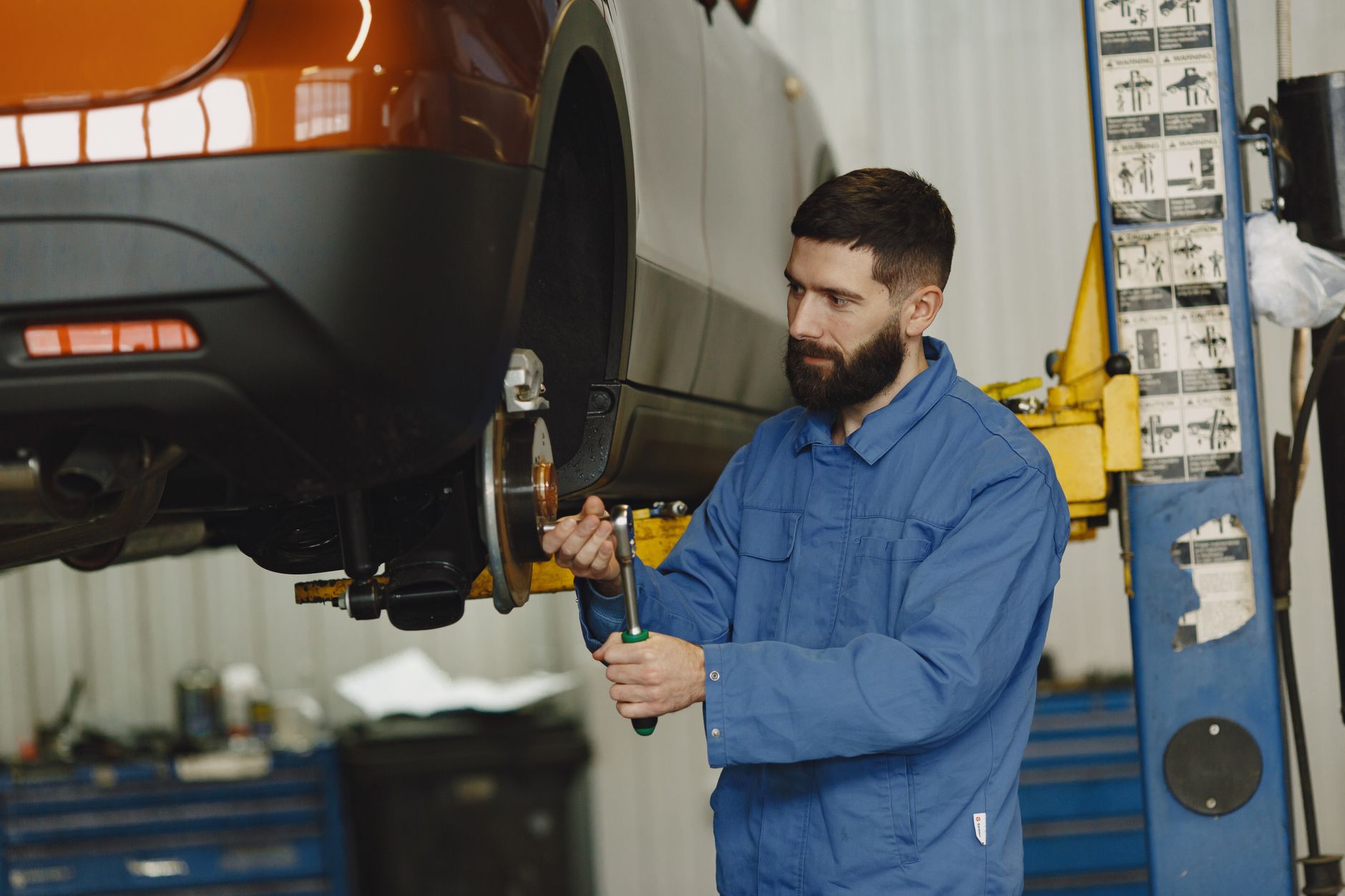

Using the right oil, the correct filter, and quick attention to any new tick or rough idle can reduce AFM lifter problems. On GM V8s, a sticking lifter can collapse, score the camshaft, and turn a small lubrication issue into a much bigger repair.
Here’s the practical scope: maintenance habits, harsh driving conditions, warning signs, and repair choices for Chevrolet and GMC trucks and SUVs with Active Fuel Management and Displacement on Demand.
AFM Lifters And Why They Fail
Those lifters are hydraulic, and an internal locking pin lets the valve train shut down selected cylinders during light load. In GM engines such as the LS family, oil pressure moves that pin, so the system depends on clean passages, steady pressure, and the correct viscosity.
Sludge and varnish make the lifter bore sticky, so the pin doesn’t move cleanly. Debris from long oil-change intervals can also clog the tiny feed holes that supply the lifter body, which is why weak service habits often show up later as valvetrain noise.
A failed lifter can shatter rollers, chew the cam lobe, and scatter metal through the engine. At that point, the problem is no longer one part, because camshaft wear, broken pushrods, and damaged rocker arms can follow in short order.
The mechanical reality is simple: hydraulic parts hate dirty oil. The lifter doesn’t care about mileage stickers or marketing names; it cares about film strength, pressure, and clean flow.
Clean oil is only the start; heat, load, and short trips shape how long those lifters survive.
The Maintenance Habits That Extend Lifter Life
Service habits usually decide how long AFM hardware lasts, and the right oil routine does more than any add-on part. GM specifies an exact viscosity for each engine, and that grade matters because the lifter’s locking mechanism depends on oil flow that matches the valve train design.
Use The Correct Oil Weight And Filter
Synthetic oil that meets the engine spec keeps deposits down better than cheap blend oil, especially in a hot V8. A filter that meets OEM specifications helps catch fine particles before they reach the AFM oil passages.
- Match the spec: Use the viscosity named in your owner’s manual, not a guess from a forum thread.
- Change on schedule: Fresh oil reduces engine sludge and varnish that stick lifter internals.
- Keep the level full: Low oil can starve AFM lifters during hard cornering or braking.
- Use quality filters: Better media traps fine debris before it reaches small oil galleries.
Check the dipstick with the engine off and on level ground. A half-quart low can matter more than expected, because AFM lifters depend on steady pressure at the feed point.
Keep Oil Clean And Full
Oil changes do more than refresh additives. They wash out soot, fuel dilution, and wear metal that can act like grit inside the lifter body, and that grit is what turns a minor sticky spot into lifter collapse.
Short-trip driving leaves more moisture and fuel in the crankcase, which speeds varnish formation. That detail matters because a clean-looking engine outside can still carry dirty oil inside, and the lifters live on the inside.
That service routine matters even more once heat and load start pushing the oil harder, and that brings driving conditions into focus next.
When oil is forced to work harder, everyday driving patterns become a bigger part of the wear equation.
Driving Conditions That Put Extra Stress On The System
Long idling, hot towing, and repeated overheating load the oiling system in ways commuter driving never does. Oil thins at high temperature, pressure drops, and the AFM lifter has less margin before it starts to hang up.
Severe Service Raises Heat And Contamination
Heavy trailer pulls and mountain grades raise oil temperature, which speeds oxidation and thickens deposits over time. A truck that tows every weekend can show worn lifter parts sooner than a similar truck used for short highway trips.
Extended idling is another quiet stress point. Oil still circulates, but engine heat soaks the valley area and creates the kind of varnish that makes an AFM lifter stick during the next load change.
Weak Parts Show Up Faster Under Load
Harsh use doesn’t create every failure, but it exposes hidden wear faster. A lifter with a tired roller or a weak locking pin may stay quiet for months in light use, then start ticking after a long tow or a summer overheat.
Because of this, service history tells part of the story. A Silverado, Sierra, Tahoe, Suburban, or Yukon that has lived on long idle time and hot work has a higher chance of showing GM active fuel management issues than a garage queen with regular oil service.
Once those conditions stack up, the first clue is usually noise or a drivability change, which is where early symptoms matter most.
Those added stresses often show up first as subtle changes in sound, idle quality, or throttle response.
Early Symptoms That Deserve Immediate Attention
The warning signs usually show up before the engine quits on that cylinder. Ticking from the top end, a rough idle, a flash of misfire codes, or low oil pressure after startup all point toward a lifter that is no longer moving the way it should.
Ticking And Valve Train Noise
A sharp tick that follows engine speed is one of the clearest AFM lifter failure symptoms. It often starts cold, fades a little when warm, then returns under load because the lifter plunger or roller is no longer staying stable.
Don’t write off a single noisy start as harmless. A lifter that ticks today can scar the cam tomorrow, and once the cam lobe is damaged the repair bill grows fast.
Misfire, Rough Idle, And Oil Pressure Clues
Engine misfire codes from one bank, rough idle in gear, and spark plug fouling can all appear after a lifter starts collapsing. The cylinder still breathes air and fuel, but valve motion is inconsistent, so combustion quality falls apart.
Low oil pressure makes the diagnosis more urgent. The lifter needs pressure to lock and unlock cleanly, and weak pressure can come from a worn pump, thin oil, or sludge in the feed path. GM, Chevrolet, and GMC trucks will often show this pattern before the metal damage becomes obvious.
Act fast here, because the camshaft and nearby rocker hardware sit right downstream from the failing part. A prompt inspection can save the rest of the valve train from collateral wear.
That inspection also guides the repair path, since you don’t always need the same fix for a localized problem and a metal-filled engine.
A quick inspection can separate a single worn part from damage that has already spread through the engine.
Repair Paths From Lifter Replacement To AFM Delete
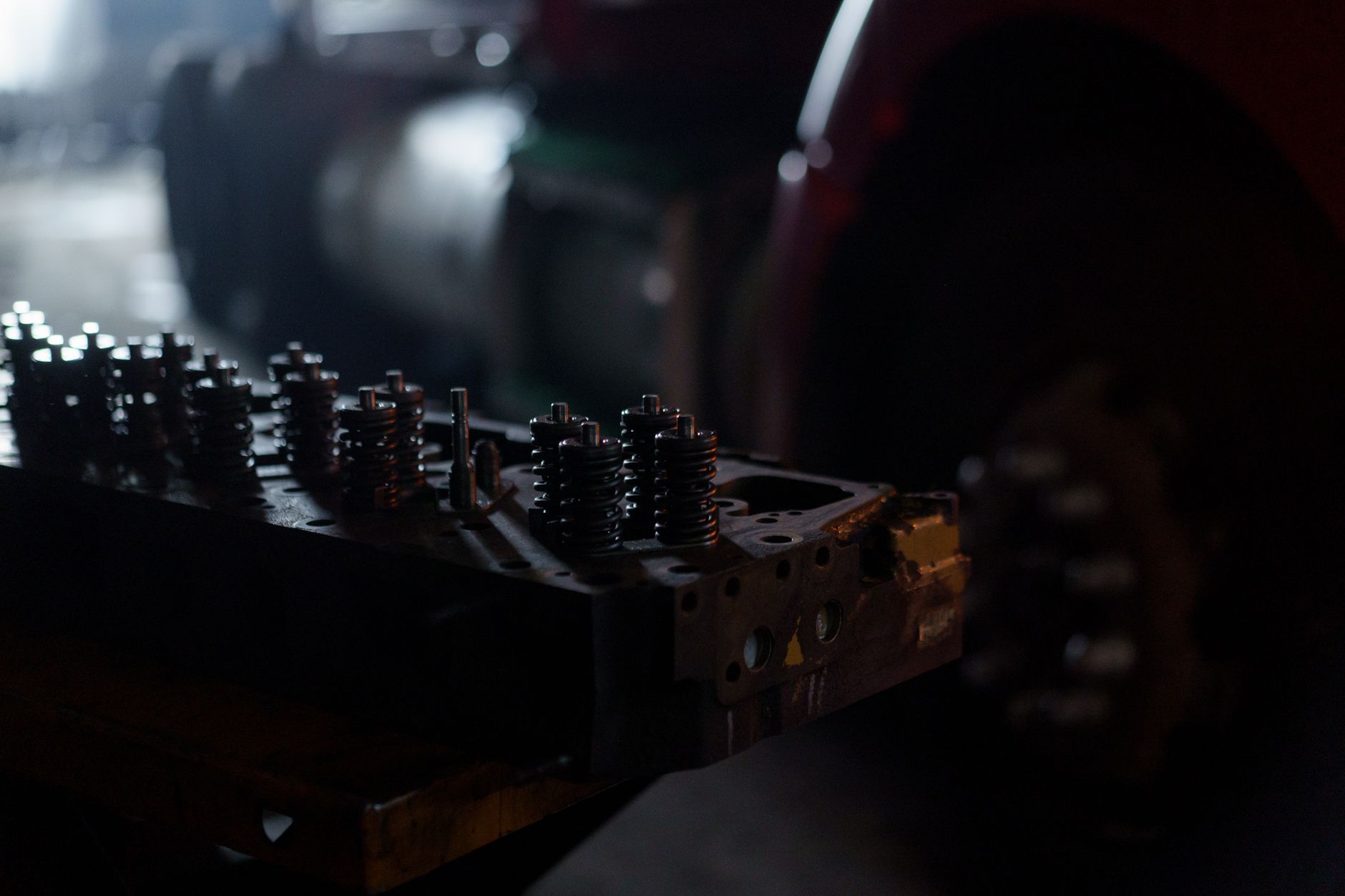
A single bad lifter doesn’t always mean the whole top end is ruined. The repair path depends on how far debris has traveled, whether the cam lobes show wear, and whether the engine has already dropped metal into the pan.
Replace The Damaged Parts
Spot repair makes sense when the cam lobes still look clean and the failure is caught fast. In that case, you may replace the lifter set, affected pushrods, and any worn rocker parts, then flush the oiling system and inspect the pan for debris.
Once the roller needle bearings fail or the cam lobe is wiped, the job grows. A camshaft, lifters, gaskets, and often a fresh oil pump enter the repair scope, which is why the timing of the diagnosis matters so much.
Disable AFM Or Convert To Non-AFM Parts
Many owners ask how to disable AFM after repeated failures. The common route is a delete kit or a non-AFM conversion that removes the collapse mechanism and uses standard lifters, valley components, and calibration changes.
That choice changes the long-term maintenance picture. You lose cylinder shutdown, but you also remove the specific AFM hardware that tends to create repeating lifter problems in some Vortec and LS-based applications.
| Repair path | Main benefit | Main tradeoff |
|---|---|---|
| Lifter replacement only | Lower upfront repair work when damage stays local | Does not remove the AFM design that caused the failure |
| Broader valvetrain repair | Handles cam wear, pushrods, and related damage at once | More parts and labor than a narrow fix |
| AFM delete or non-AFM conversion | Removes the collapse hardware from the engine | AFM delete cost is higher upfront and needs calibration work |
AFM delete cost varies with engine family, parts, and labor, but the tradeoff is clear: spend more now to remove a failure-prone system, or keep paying for repeated lifter service later. For some trucks, that math favors a full conversion, especially after a second failure.
At that point, the choice is between another temporary fix and a more permanent way to avoid repeat failures.
A Practical Routine For Keeping GM Engines Healthy
A good routine beats panic repairs. Check oil level every fuel fill for a few weeks after a service change, then settle into a steady habit that catches slow consumption before the lifters run dry.
Use a simple checklist that fits your driving pattern: oil and filter on time, the right viscosity, clean air intake parts, and fast attention to any new tick or drivability change. A truck that hauls, idles, or sits in traffic deserves tighter intervals than one used for short highway errands.
- Watch oil level closely after service changes and after long towing trips.
- Use the viscosity and filter spec listed for your engine family.
- Shorten intervals when you idle a lot, tow often, or run in high heat.
- Treat a new tick, misfire, or rough idle as a diagnostic clue, not background noise.
Those habits carry the most weight for how to prevent AFM lifter failure: clean oil, proper pressure, and a quick response to noise. Routine care is still the most reliable defense against GM active fuel management issues, and it gives you the best chance to catch lifter collapse before it eats the camshaft.
Consistent care remains the best defense, because it helps you catch trouble before the camshaft pays the price.
Wrap Up
The smartest move is simple: keep oil clean, keep the level right, and treat new top-end noise as a real warning. AFM hardware can run for a long time under good service, but once sludge, heat, or low pressure starts the damage cycle, the bill grows fast.
FAQ
What causes AFM lifter failure?
Dirty oil, low oil level, weak oil pressure, heat, and debris in the feed passages can all set it off. The locking pin inside the lifter needs clean hydraulic pressure, and any restriction can make it stick or collapse.
What are the symptoms of a failing AFM lifter?
Ticking, rough idle, misfires, and low oil pressure are the common signs. You may also see a check engine light with a single-cylinder or bank-related code after the valve train starts losing proper motion.
How do you prevent AFM lifter failure?
Use the exact oil viscosity GM calls for, change oil and filter on schedule, keep the crankcase full, and choose high-quality parts that meet OEM specifications. Fast attention to new noise matters just as much as routine service.
Should I disable AFM to avoid lifter problems?
Disabling AFM can reduce future lifter-related risk because it removes the collapse hardware, but it also changes the engine setup and calibration. The best fit depends on how long you plan to keep the truck and how hard it works.
How long do AFM lifters last?
Service history matters more than mileage alone. Some last a long time with clean oil and gentle use, while severe towing, long idling, and poor maintenance can shorten life far sooner.
Is an AFM delete worth it?
After repeated failures or when you want to move away from the AFM system entirely, it can be worth it. The decision comes down to AFM delete cost, the condition of the camshaft, and how much future repair risk you want to leave in the engine.