
On broken back roads and busy city streets, one setup leans toward upright versatility while the other favors low-slung speed manners. One handles broken pavement and gravel with long travel and taller bars; the other feels taut, quick, and happier on smooth tarmac. Comfort, terrain, and daily miles decide it fast.
Here’s the full picture for styling roots, riding position, road feel, comfort, and daily use, especially if you’re choosing between mixed-surface practicality and a sharper street setup.
The Styling Roots That Shaped Both Machines
That split in purpose started in the middle of the last century, when riders built machines for very different jobs. Scramblers borrowed from stripped production bikes for rough lanes, while cafe racers came from street machines tuned for speed between cafe stops.
The shared custom culture matters because it explains the appeal of both builds. One path leans toward rugged utility; the other favors a leaner, faster-looking street stance.
Scrambler Form Followed Rough Ground
Early scramblers borrowed from lightweight singles and twin-cylinder engine bikes, then added higher pipes, taller suspension, and wider bars. Triumph Scrambler and Royal Enfield modern scrambler models still echo that shape, which is why the style reads as ready for dirt even before the engine starts.
That stance sends a clear message: the bike is built for loose surfaces, broken city streets, and a rider who wants more than show. The visual cue is practical, not just retro styling.
Cafe Racer Form Followed Speed Culture
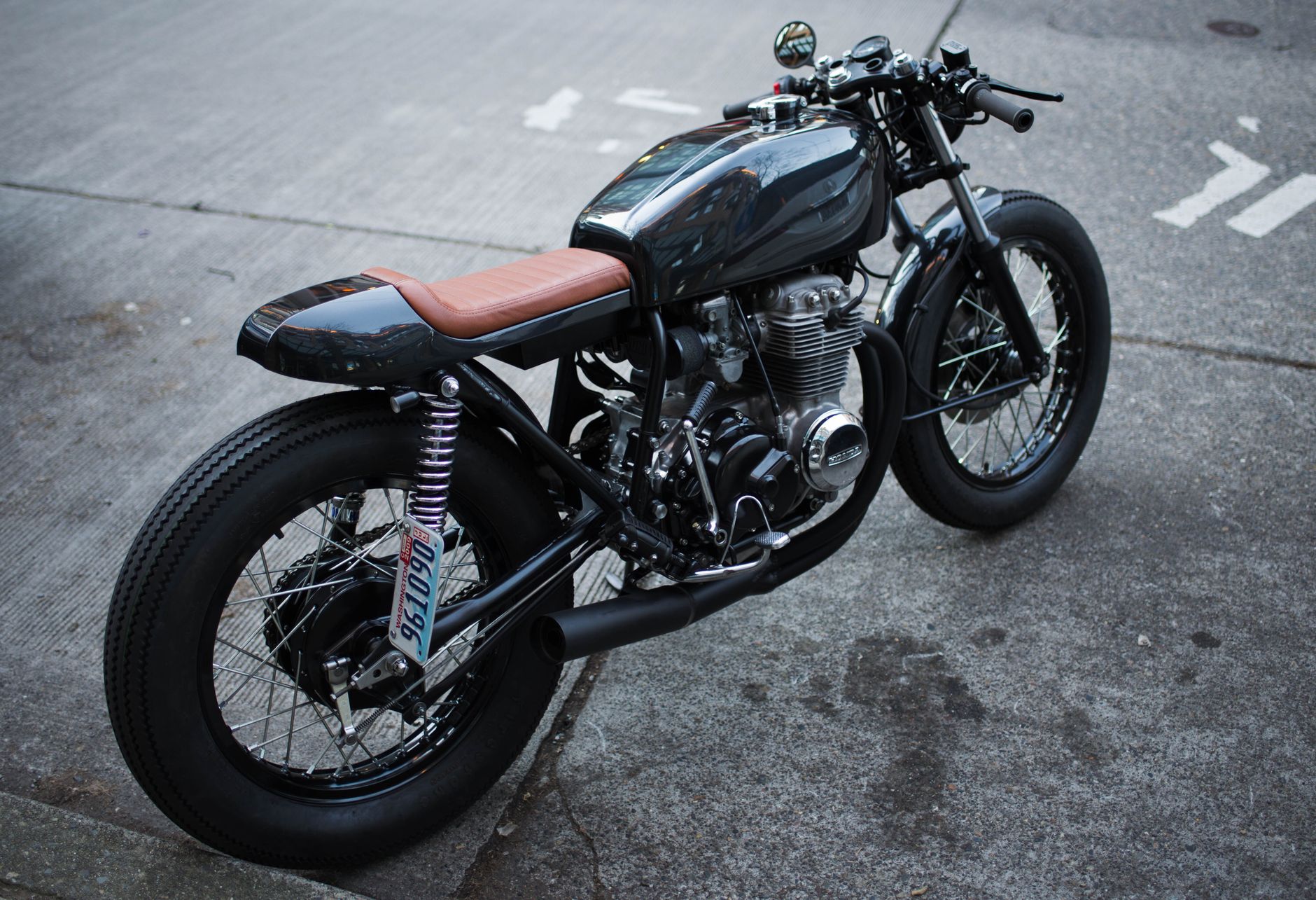
Cafe racers came from British road racing culture, where riders stripped weight and tucked in behind low bars for a smaller frontal area. Triumph Cafe Racer builds and many BMW Motorrad custom projects keep that narrow, forward look because it suits fast pavement work.
Fuel tanks, seats, and tail sections all aim for one thing: a sharp silhouette with less visual bulk. That is why the style feels severe in the best way, like a knife blade compared with a field tool.
That severe profile comes from a forward crouch that changes weight, visibility, and control in motion.
How Their Riding Positions Change Everything
Your body feels the difference within minutes. Higher bars and a neutral seat put less load on wrists and lower back, while rear-set footpegs and dropped bars shift your weight forward and tighten the triangle between hands, hips, and feet.
That geometry shapes control, fatigue, and confidence. A scrambler lets you sit loose and steer with leverage; a cafe racer asks for a tucked posture that works beautifully on smooth roads but asks more from your joints over time.
Scrambler Ergonomics Keep You Upright
Upright handlebars place your chest higher in the wind and keep your elbows out, which helps you correct line changes on rough pavement. Seat height also tends to sit taller, so your knees open up and your hips stay less folded.
BMW Motorrad and Ducati Scrambler examples show how this posture helps in city traffic, where sudden lane changes and potholes reward easy steering input. You feel the bike through your whole body, not just through your wrists.
Cafe Racer Ergonomics Pull You Forward
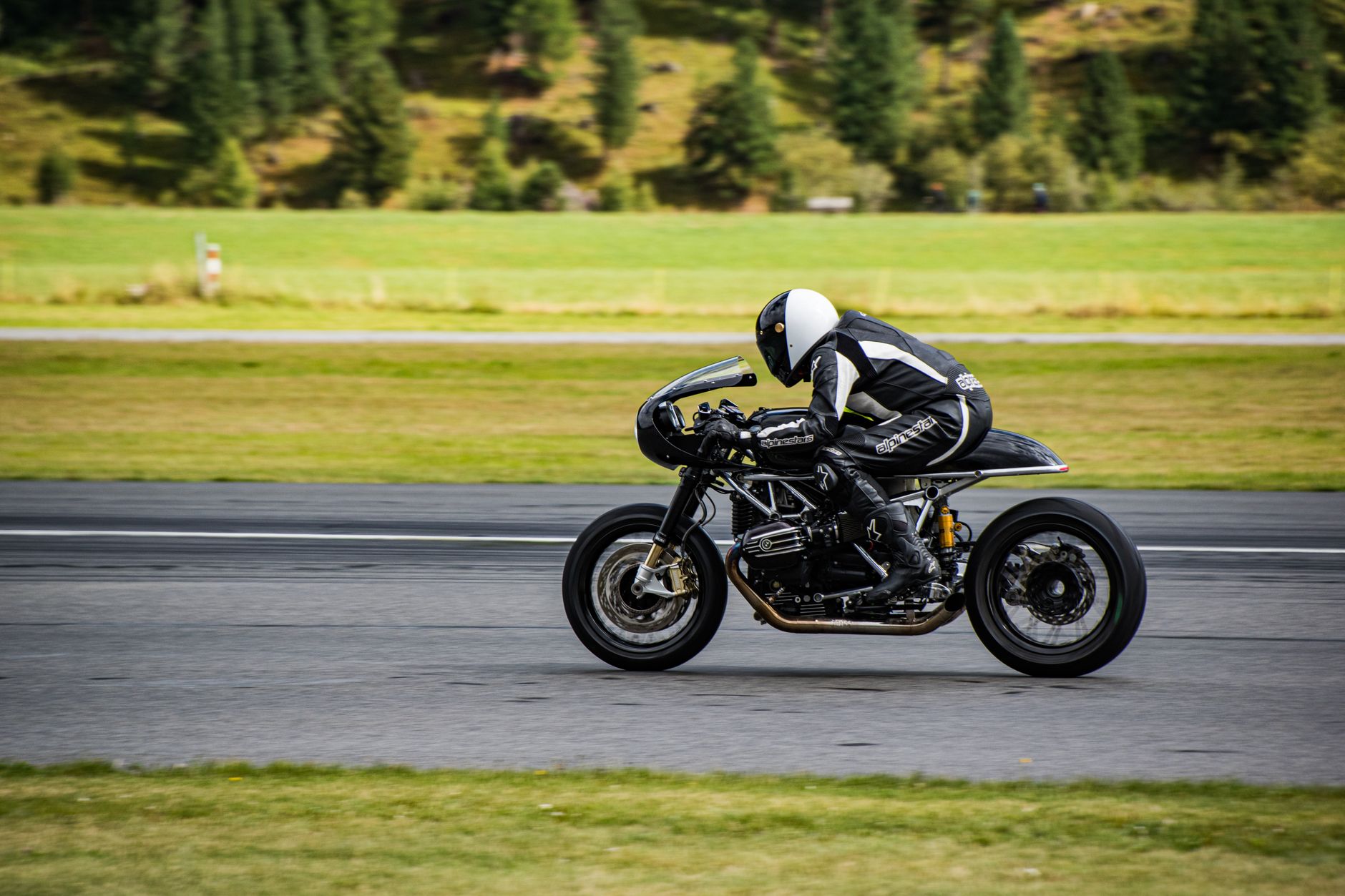
Rear-set footpegs move your feet behind your hips, which locks your torso into a crouch that steadies the bike at speed. Low clip-ons or low bars shorten the reach, and the result is a compact triangle that feels direct in corners.
That shape suits fast road work because your body can brace against wind blast and load the front end more cleanly under braking. The tradeoff shows up after an hour or two, especially on bikes with thin seats and limited wind protection.
Under braking and at speed, that stretched stance gives scramblers extra confidence when the pavement disappears.
| Riding trait | Scrambler | Cafe racer |
|---|---|---|
| Handlebar height | High and upright for leverage | Low and forward for a tucked stance |
| Foot position | Near neutral for relaxed knees | Rear-set for sharper body placement |
| Long-ride feel | Less joint strain on mixed roads | More wrist and shoulder load |
| Best road surface | Broken pavement, gravel, dirt | Smooth asphalt and fast sweepers |
Why Scramblers Feel at Home Off the Pavement
Higher ground clearance and longer suspension travel let a scrambler absorb edges that would kick a lower bike sideways. That extra room between chassis and ground also helps with speed bumps, sewer grates, and steep driveways.
Dual-sport or block-pattern tires add another layer of control. Their tread blocks bite into gravel and broken pavement better than a street-only tire, so the bike feels calmer when the surface turns ugly.
Suspension Travel Changes the Ride
Suspension travel is the distance the wheel can move before the chassis takes the hit. More travel gives the tire time to stay planted, which matters on washboard dirt, cracked asphalt, and pothole-ridden streets.
That physics explains why a scrambler can feel smoother at city speeds than a cafe racer with short, stiff suspension. The wheel moves first, your body feels less of the impact, and the whole bike stays less nervous.
Tire Pattern Changes Grip
Block-pattern tires work like many small edges instead of one smooth contact band, so they can find traction on loose stone and rough edges. The tradeoff is a bit more road noise and less sharp turn-in than a pure street tire.
Royal Enfield scrambler variants and some Triumph Scrambler setups use this formula well for mixed riding. You get a bike that can leave the pavement without acting like off-road capability is a stunt.
Check tire pressure before a rough commute. A few psi too high can make the bike skip across broken pavement, while the right setting lets the suspension work instead of fighting the surface.
That comfort on bad roads is why many riders use a scrambler for daily riding. The bike asks less from the pavement, and your spine feels that choice by the end of the week.
By contrast, the upright suspension and relaxed controls leave more room to stand, balance, and recover off-road.
What Gives Cafe Racers Their Edge on Tarmac
Light weight, narrow bodywork, and a forward stance make a cafe racer feel eager on smooth asphalt. The machine changes direction with less effort because there is less bulk to move and less soft suspension movement to slow the response.
That sharpness matters most in corner entry and mid-corner line changes. You get a bike that feels alive under braking and calm only once the road surface stays clean.
Low Bars Tighten the Front-End Feel
Low handlebars place more of your upper body weight on the front tire, which helps the bike settle as you brake into a bend. That loading can make steering feel more exact, especially on a short wheelbase machine.
On a Triumph Cafe Racer, that setup suits brisk weekend rides where smooth cornering matters more than pothole survival. The bike responds like a small tool, not a relaxed commuter.
Minimal Bodywork Keeps the Bike Honest
With less fairing and less visual mass, cafe racers expose every movement in the chassis. That makes them feel direct, but it also means rough pavement sends more feedback through the seat, bars, and pegs.
Wind protection stays low on purpose, so your chest takes more air at higher speeds. For short-to-medium rides, that is part of the charm; for stop-and-go commuting, it can wear you down faster than you expect.
That tucked posture sharpens feedback on smooth asphalt, but it also leaves little mercy when traffic slows.
The Comfort Tradeoffs Riders Notice Fastest
Back, wrist, and shoulder strain show up first because the riding triangle sets the load path through your body. A scrambler spreads that load across a more open posture, while a cafe racer concentrates it into a tighter crouch.
The difference between scrambler and cafe racer comfort becomes clearer after 30 to 60 minutes in the saddle. Around that mark, a cramped knee angle or a bent wrist can turn style into a chore.
- Wrist load: Low bars ask your hands to hold more of your upper body.
- Shoulder tension: Forward reach can tighten traps on longer rides.
- Knee bend: Rear-set footpegs can cramp taller riders fast.
- Seat shape: Thin cafe saddles focus pressure in a small area.
- Wind blast: Less protection means more strain at highway pace.
A scrambler trades some of that tucked-in sport feel for easier motion. You sit more naturally, shift your weight with less effort, and stay fresher on roads that never seem fully repaired.
Longer Rides Reveal the Real Difference
Seat foam and peg position matter as much as bar height. A well-shaped scrambler seat on a Ducati Scrambler can make a 90-minute ride feel manageable, while a cafe racer with a narrow pad can turn the same route into a series of small aches.
That is why the scrambler vs cafe racer riding position often decides the purchase before engine size does. A twin-cylinder engine can sound great in either style, but your joints care more about geometry than exhaust note.
What feels sporty at first can become tiring quickly, and ergonomics usually decide that verdict before horsepower does.
Pay attention to knee angle before you fall in love with the tank shape. A cramped bend can bother you long before engine performance runs out of appeal.
Which One Fits Daily Riding and Real-World Ownership
Mixed commutes point you toward a scrambler, because speed bumps, broken lanes, and wet side streets favor compliance over razor-sharp response. The bike feels less fragile in city use, and that pays off every time the route changes without warning.
A cafe racer suits riders who care most about style, road performance, and short-to-medium paved rides. It is happier on clean streets and weekend blasts than on a workweek packed with rough patches and parking lot scrapes.
Daily Life Favors the More Forgiving Setup
Potholes, stop-and-go traffic, and rough pavement quickly reveal how much comfort a daily ride can spare. In places with patched roads, winter frost heaves, or long stretches of stop-and-go traffic, the taller bike hides more abuse.
BMW Motorrad and Triumph both sell modern versions that prove this point in real use. A scrambler handles errands and commute duty with less fuss, while a cafe racer asks you to plan the route around the ride.
Style Still Shapes Ownership Choices
Some riders want the lower stance, tighter tail, and more aggressive body language of a cafe racer even after the practicality math is clear. That is valid, because ownership includes how the bike looks in the garage and how it feels at the curb.
Still, the better choice depends on versatility versus pure road focus. If your week includes gravel shoulders, rough alleys, or a bad patch of pavement near work, the scrambler usually makes more sense; if your miles stay smooth, the cafe racer rewards you with cleaner cornering and a leaner feel.
Scrambler vs cafe racer pros and cons become plain once you separate daily use from weekend style. The scrambler gives you more comfort and mixed-surface ability in exchange for less wind protection and less sharp cornering feel, while the cafe racer does the opposite with style and street speed in mind.
That compromise matters most when real miles begin, because comfort, weather protection, and handling all trade places.
What To Check Before You Choose One
Fit beats spec sheets. A bike that matches your inseam, shoulder width, and route will feel better than a prettier machine that leaves your wrists numb after ten miles.
Start with seat height, bar reach, and peg placement, then look at suspension travel and tire type. Those five items tell you more than paint or badges ever will.
Practical Checks That Pay Off Fast
- Sit for five minutes: Your lower back will tell you whether the reach feels natural.
- Plant both boots: Confidence at stops matters in traffic and on sloped parking spots.
- Turn the bars fully: Tank contact or wrist strain shows up quickly here.
- Look at tire tread: The pattern should match your streets, not just your style.
- Gauge wind exposure: Chest pressure grows fast above city speeds on low-front bikes.
That checklist saves you from choosing on looks alone. The machine that fits your body and roads will feel right after the novelty fades, and that is where ownership gets honest.
Small details reveal whether a bike will suit your life, especially once the showroom shine has worn off.
Bottom Line
The smarter choice is the one that matches the roads you ride most. A scrambler suits you if comfort, broken pavement, and mixed surfaces matter; a cafe racer suits you if sharp tarmac feel and classic speed style matter more.
FAQ
What is the difference between a scrambler and a cafe racer?
A scrambler uses upright bars, taller suspension, and broader tires for mixed surfaces and relaxed control. A cafe racer uses low bars, rear-set footpegs, and a stripped shape for sharper paved-road manners and a more aggressive riding position.
Which is more comfortable for long rides: scrambler or cafe racer?
A scrambler is more comfortable for longer rides because the posture stays upright and the load on your wrists and shoulders stays lower. A cafe racer can feel fine for short bursts, but the crouch and thin seat wear on you faster.
Can a scrambler go off-road?
Yes, light off-road use fits the style well, especially on gravel, dirt tracks, and broken fire roads. The taller suspension and block-pattern tires help, though the bike is not a dirt bike and still has weight to manage.
Is a cafe racer good for daily riding?
Smooth streets and shorter commutes are where a cafe racer can handle daily riding with the least complaint. Rough pavement, stop-and-go traffic, and long highway runs expose the low wind protection and tighter riding position more quickly.
Which is better for beginners: scrambler or cafe racer?
A scrambler is usually easier for beginners because the upright stance gives better leverage at low speed and less strain in traffic. A cafe racer can feel fine once you are used to it, but the forward lean asks for more body support.
Can you turn a standard bike into either style?
Yes, many builds start with a standard production bike from Triumph, Royal Enfield, Ducati, or BMW Motorrad. Bars, seats, tires, and suspension changes do most of the visual and riding work without needing a full frame swap.